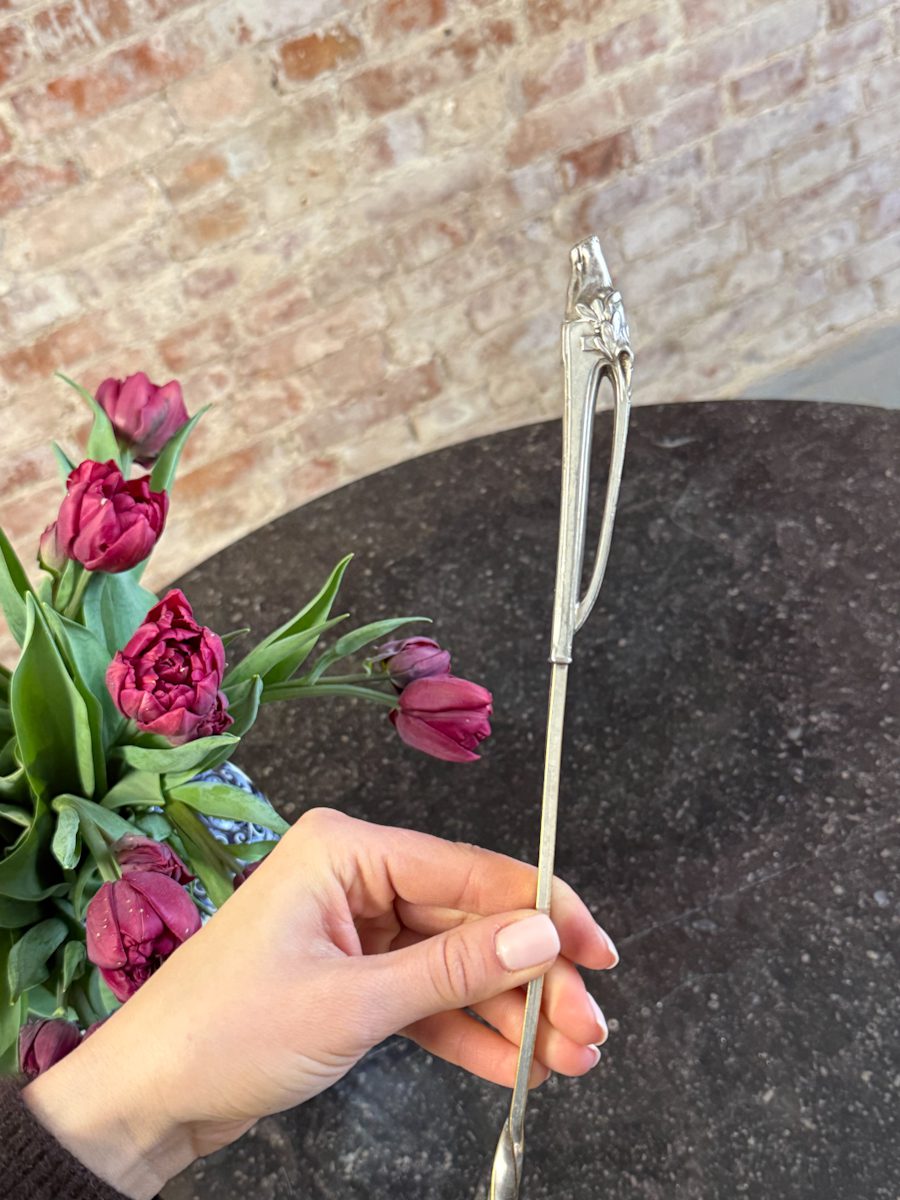
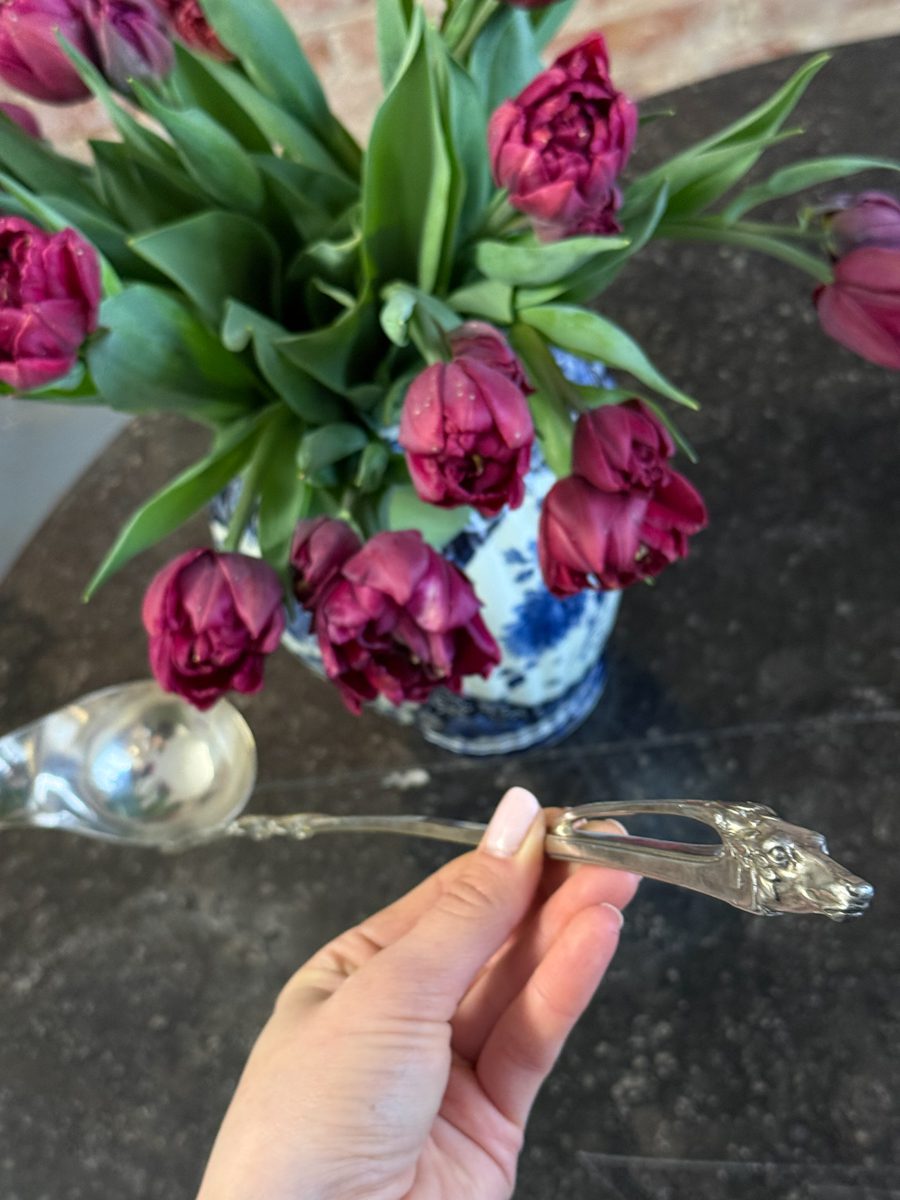
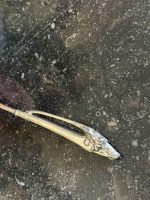
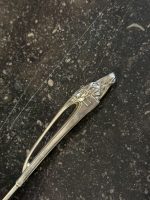
Антикварная посеребренная ложка для соуса или супа — конец 19 века. Изящная ложка украшена рельефным изображением головы охотничьей собаки и венком из дубовых листьев. Прекрасный акцент для праздничного стола. 230,00 €
You’re now subscribed to price tracking for this product. We’ll notify you if the price drops. 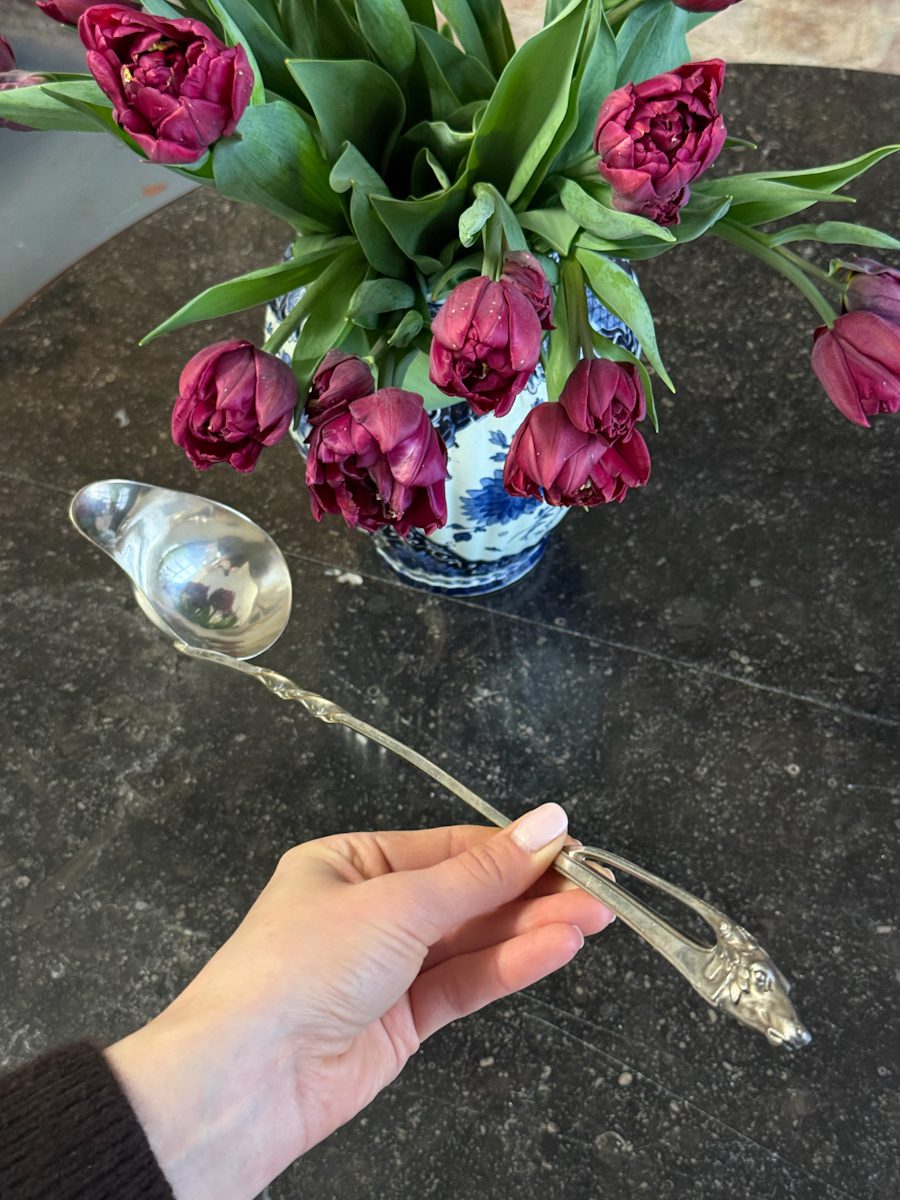
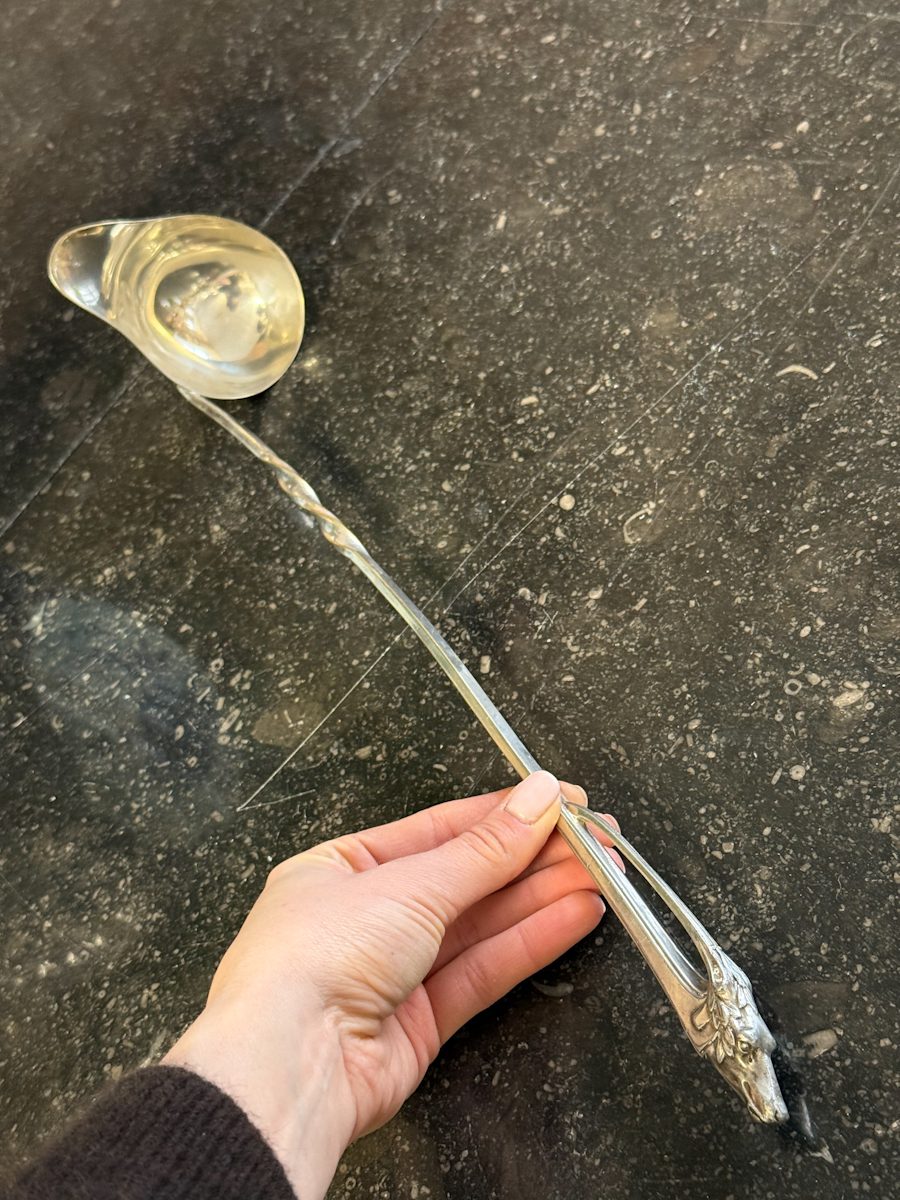
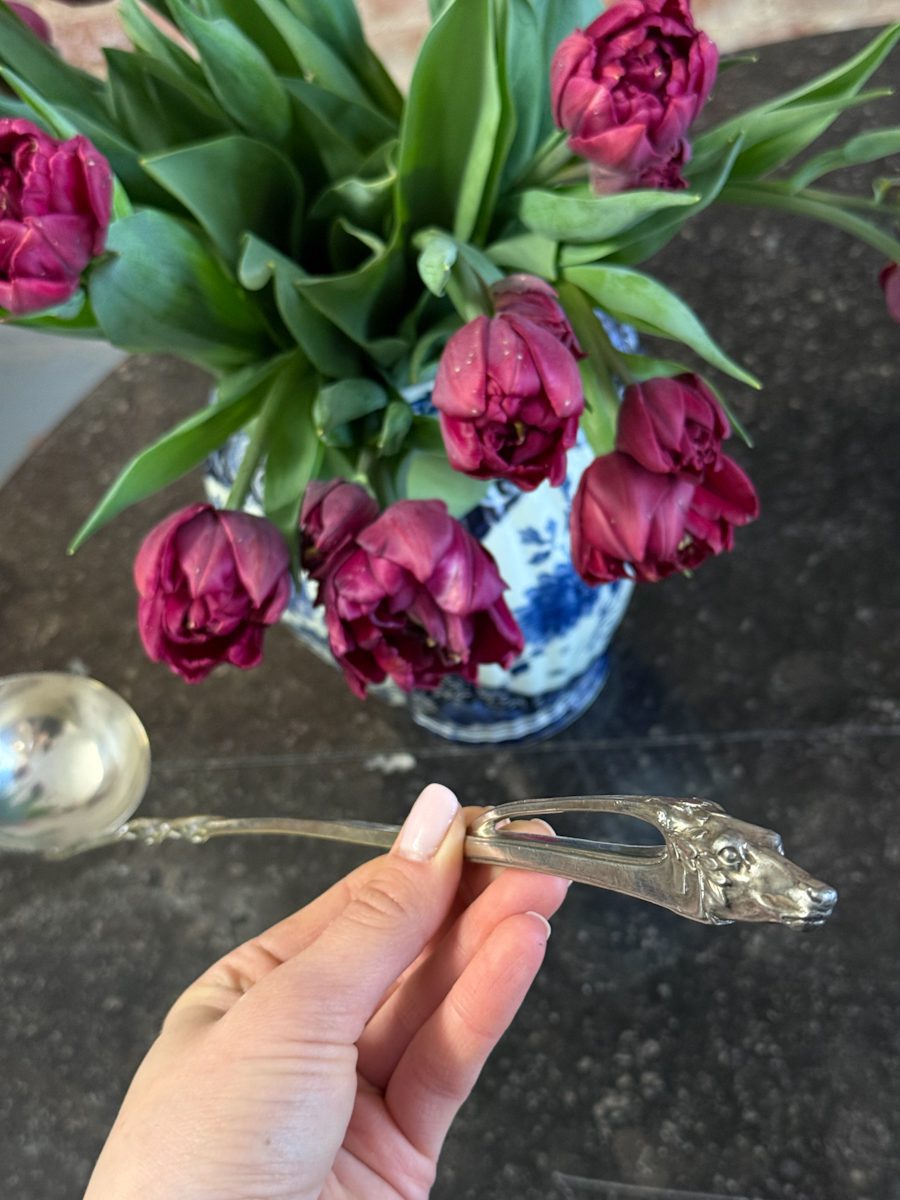
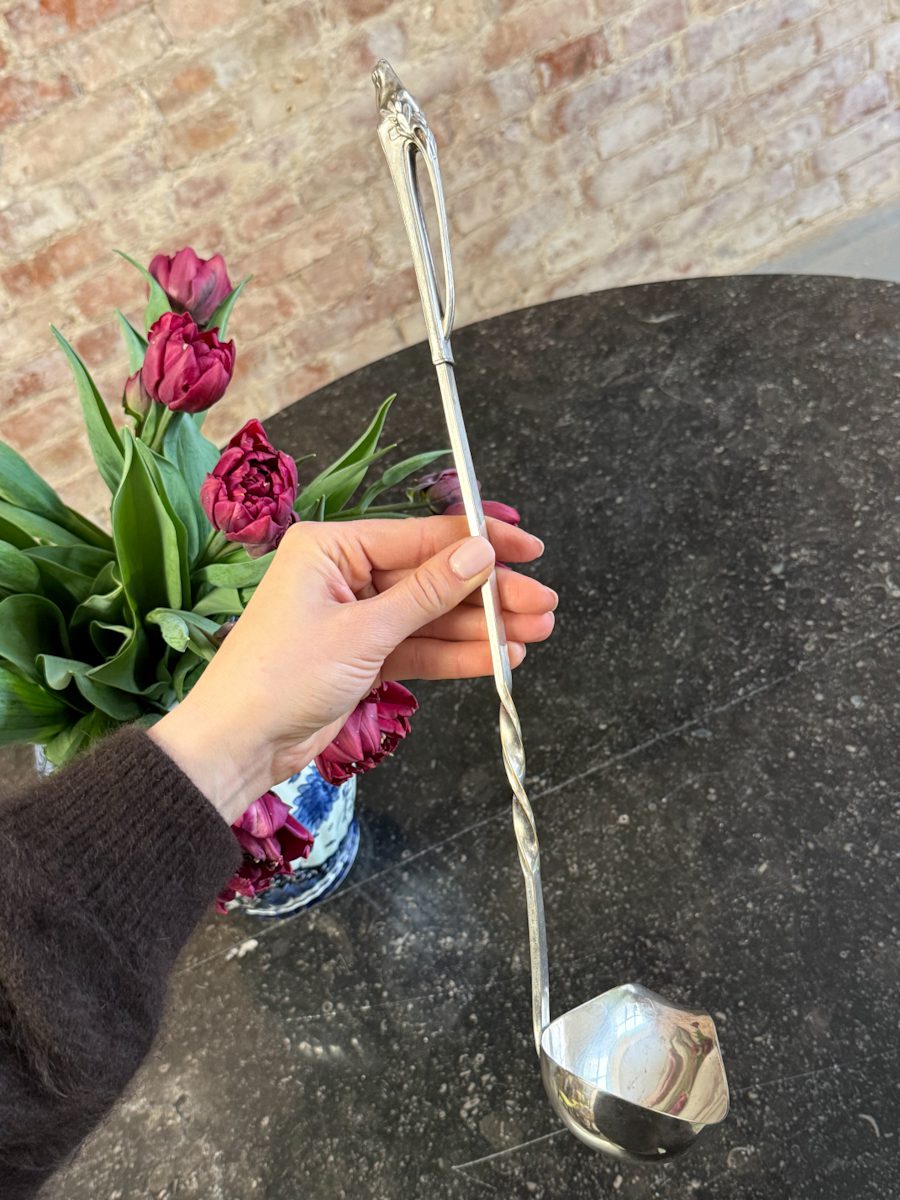
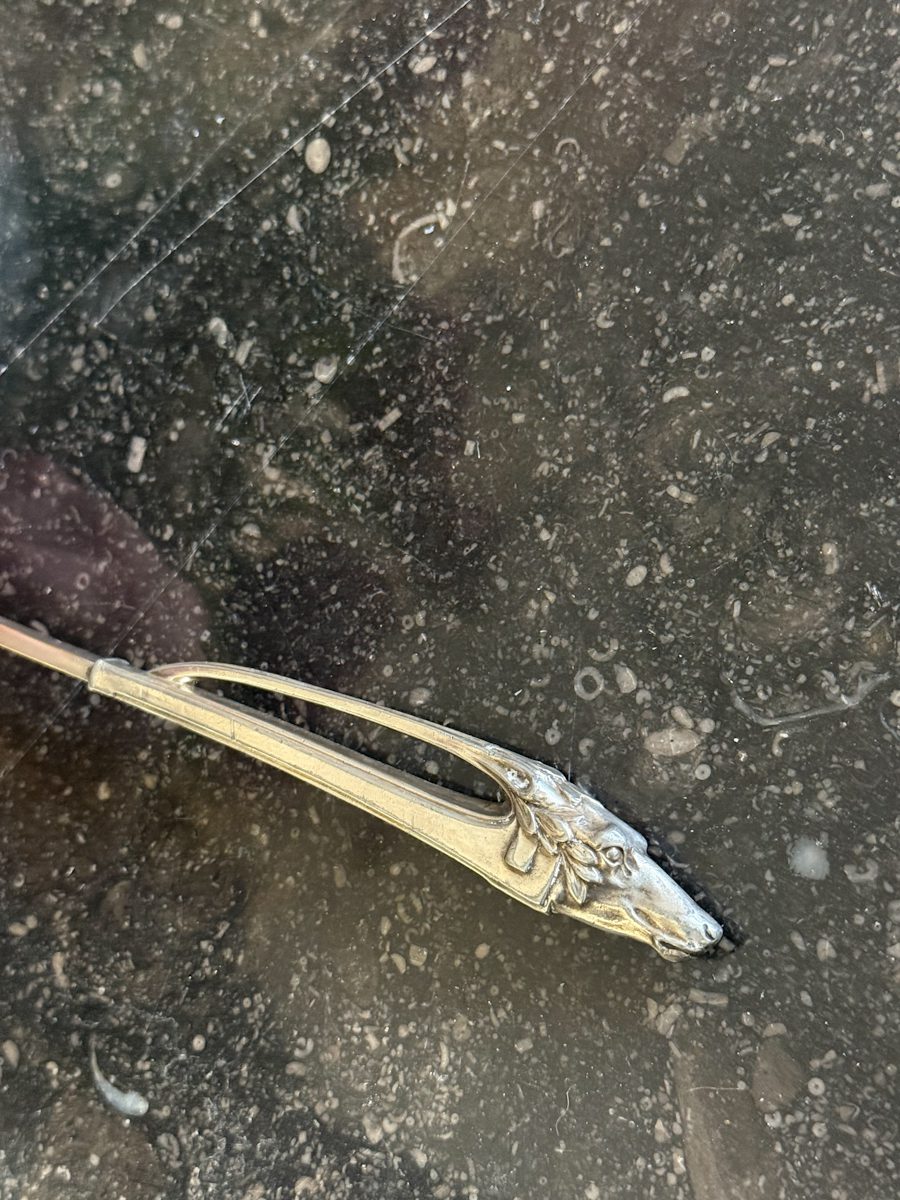
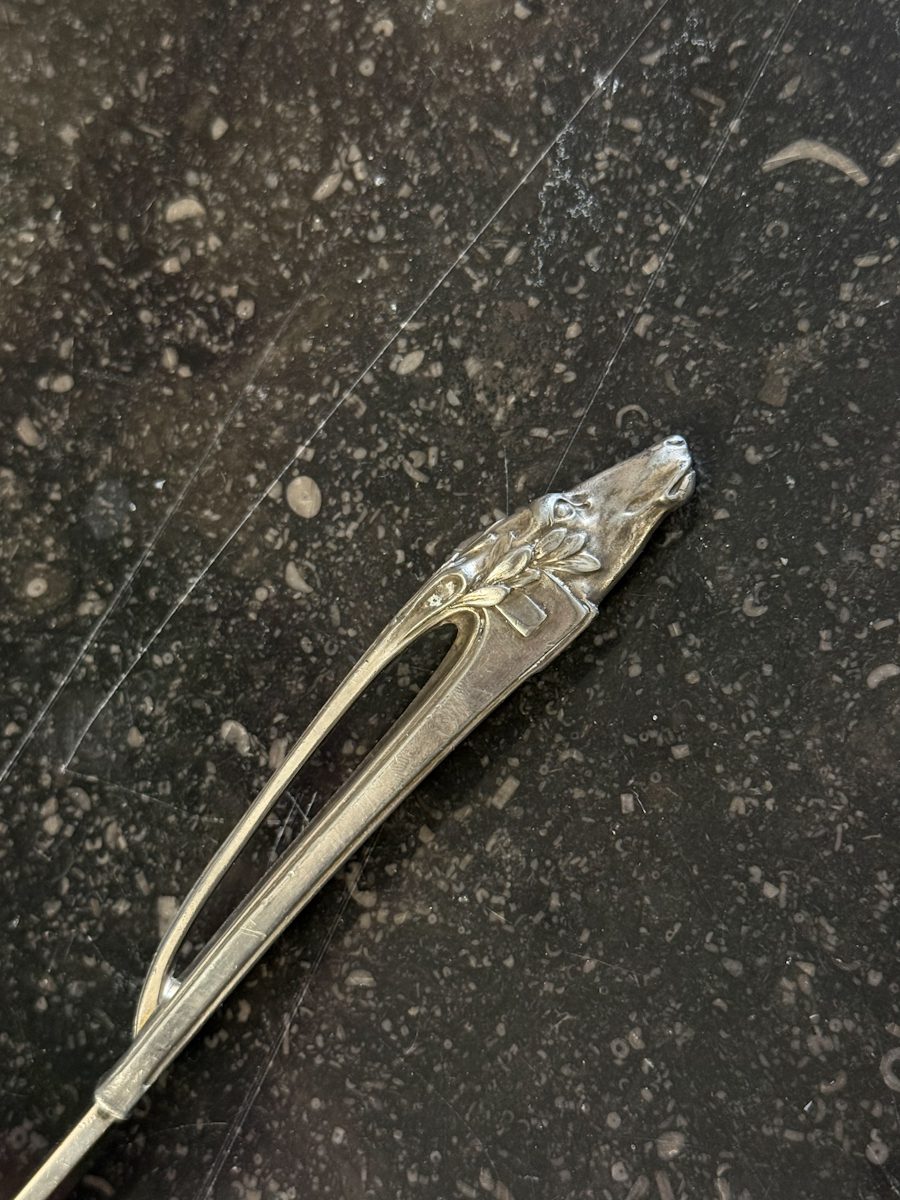
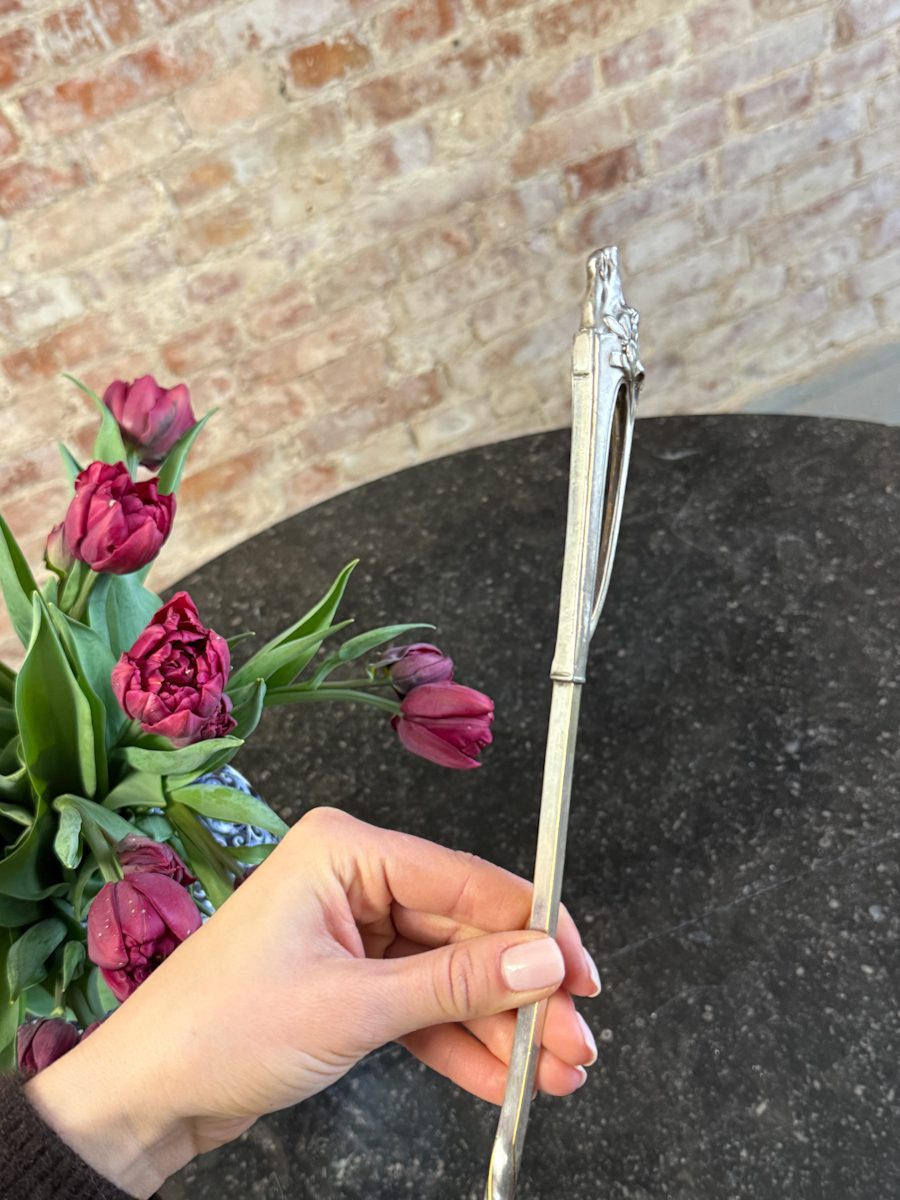
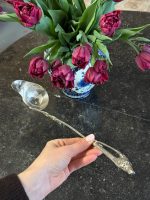
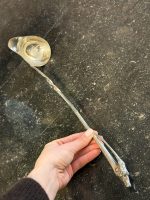
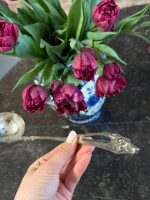
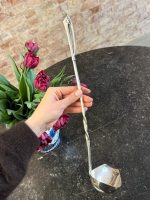
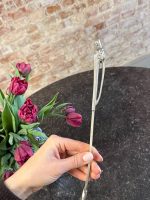
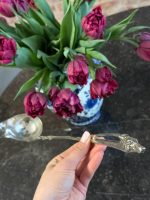
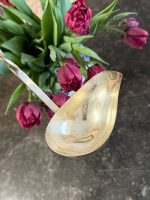
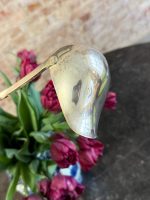
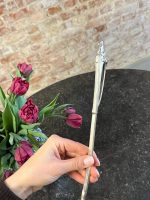
Антикварная посеребренная ложка для соуса или супа с деталями в виде головы охотничьей собаки (6755)
Цвет НатуральныйДубовыйСеребряный
Описание
Антикварный посеребренный соусный половник с головой охотничьей собаки
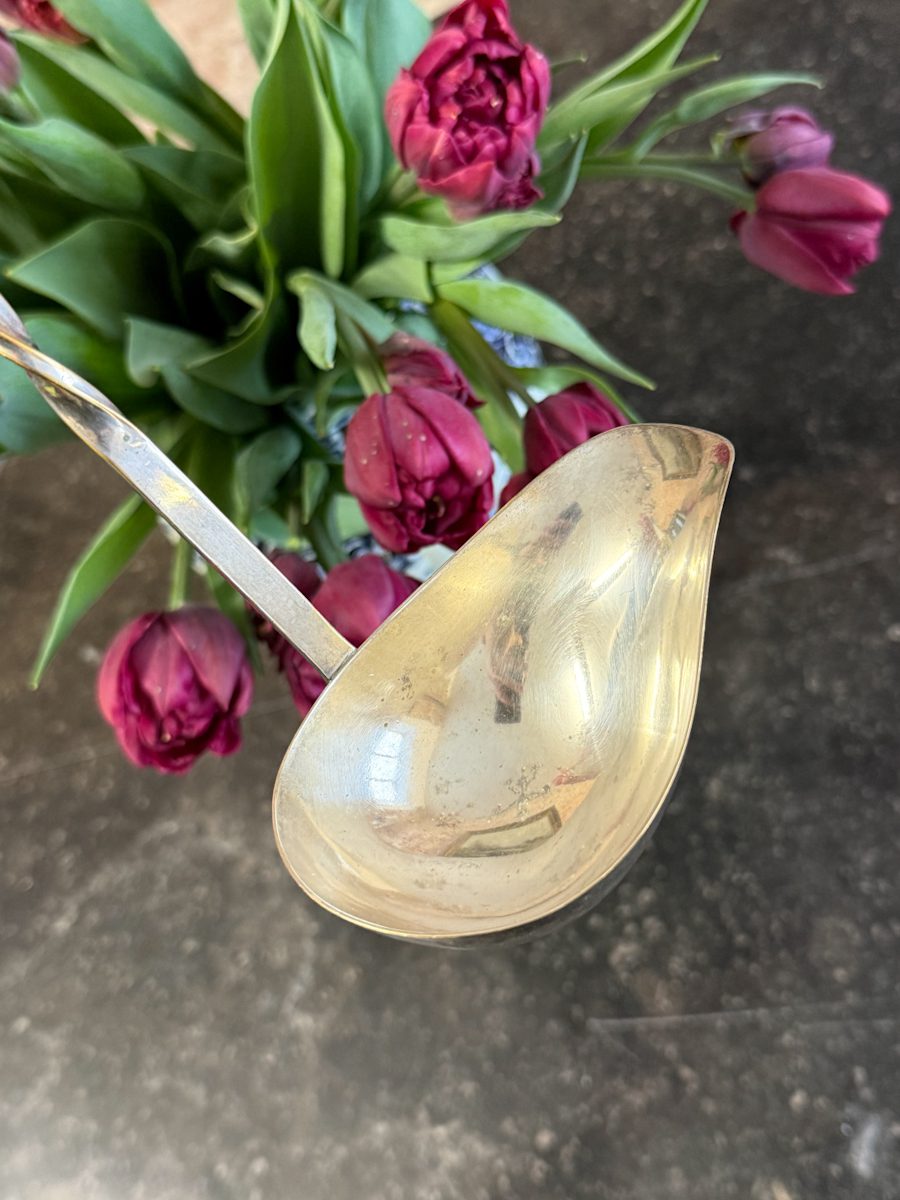
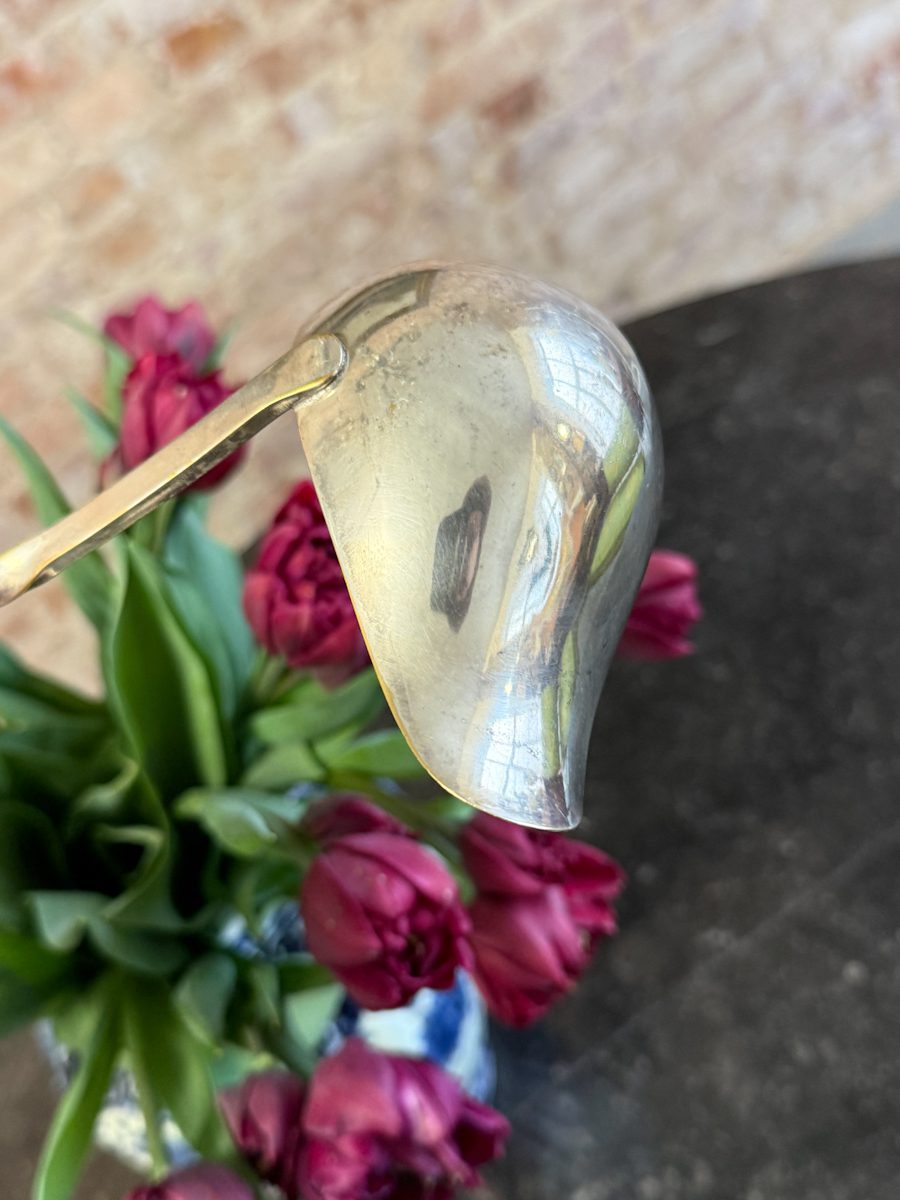
Изысканная антикварная разливательная ложка для соуса или супа, созданная во Франции в конце XIX века в эпоху историзма. Предмет выполнен из прочного тяжелого сплава и покрыт плотным слоем серебрения. Ложка представляет собой великолепный образец охотничьей столовой утвари, украшавшей званые обеды в европейских замках и усадьбах. Глубокий ковш снабжен асимметричным сливным носиком, который позволяет аккуратно и точно порционировать горячий бульон, суп или мясной соус, не проливая ни капли на скатерть. Длинный изящный черенок в центральной части переходит в витой элемент, а его вершину венчает художественно отлитая ажурная рукоять. На ней с виртуозной анатомической точностью с двух сторон воспроизведен рельефный профиль охотничьей гончей или борзой собаки, дополненный рельефными дубовыми листьями со желудями. Предмет находится в идеальном оригинальном состоянии, черенок полностью прямой, без деформаций, а серебряное покрытие сохранило благородный глубокий блеск и естественную патину времени в углублениях чеканки.
Снимок эпохи: Эдвард Мунк медленно подошел к окну, где прохладный свет послеполуденных часов омывал деревянные панели мастерской. В центре стола, рядом с фарфоровой супницей, безмолвно покоился стройный посеребренный силуэт половника, в гладкой поверхности которого нежно отражались тени уходящего дня, храня прохладу комнатного покоя. Он не прикоснулся к предмету, лишь наблюдал, как очертания литой собачьей головы на конце рукояти застыли в полумраке, словно дикая природа замерла в комнате в такт вечернему воздуху. Прохлада массивного металла и плотное тепло уединенного салона привносили в пространство ощущение уютного покоя. Это мгновение тишины осталось в воздухе будуара даже тогда, когда сумерки полностью поглотили благородный блеск позолоченных краев.
EN
Antique Belle Époque Silver Plated Sauce Ladle Hunting Dog Profile
This exceptional antique silver sauce ladle and gravy scoop is a magnificent, investment-grade find from the late 19th-century Belle Époque era. Crafted from a dense, heavy base metal alloy with premium thick silver plating, the design perfectly encapsulates the luxury of European estate dining from the Historism movement. The structural head features a deep oval bowl detailed with a distinct, asymmetrical pouring spout, historically engineered to pour hot broths, soups, or rich meat gravy precisely without marking the table linens. The long, elegant stem is detailed with a decorative twisted section that flows into a masterfully cast, openwork handle. The terminal of the handle displays a high-relief, double-sided anatomical sculpture of a hunting hound or borzoi dog profile, beautifully framed by intricately detailed oak leaves and acorns. Remaining in flawless antique condition, the structural shaft is entirely straight, and the silver retains a bright, crisp luster with a gorgeous natural dark patina in the recesses, highlighting the fine texture of the casting.
Belle Époque snapshot: Edvard Munch slowly approached the window where the cool Scandinavian afternoon light drifted across the wood paneling of his studio. In the corner of the room, resting next to a white porcelain tureen, a substantial, shimmering silvered silhouette caught the light, its smooth asymmetrical bowl reflecting the calm shadows of the house beneath the quiet atmosphere. He did not touch the object, merely watching how the shapes of the sculpted dog head and the oak leaves on the handle remained silent in the fading sunbeams, gleaming softly in the quiet corner as if a real forest memory had frozen into metal forever. The cool density of the silver plating and the rich warmth of the scene brought a cozy satisfaction to the salon. This sense of calm anticipation lingered in the air long after the sharp reflections completely faded from the room.
DE
Antike versilberte Saucenkelle mit Jagdhundkopf-Prunkgriff
Eine außergewöhnliche, feine antike Saucen- oder Suppenkelle aus der Zeit des späten Historismus (um 1880–1900). Dieses herrschaftliche Tafelgerät ist aus einer schweren Metalllegierung gegossen und mit einer dicken, erstklassigen Versilberung versehen. Das funktionale Design besticht durch eine tiefe Laffe mit einem asymmetrisch geschwungenen Ausguss, der ein präzises und sauberes Schöpfen von heißen Suppen oder Bratensaucen auf die Teller ermöglicht, ohne die Tischdecke zu beschmutzen. Der schlanke Stiel verfügt im mittleren Bereich über einen dekorativ gedrehten Abschnitt und mündet an der Spitze in einen kunstvoll durchbrochen gearbeiteten Griff. Dieser zeigt in hoher Reliefplastik und anatomischer Detailtreue das zweiseitige Profil eines Jagdhundes oder einer Windhundrasse, umrahmt von feinen Eichenblättern und Eicheln. Die Kelle befindet sich in einem exzellenten Originalzustand, das Gestell ist absolut gerade und unverbogen, und das Silber zeigt eine wunderschöne tiefe Alterspatina in den Vertiefungen der Ziselierung.
Momentaufnahme der Zeit: Edvard Munch trat langsam an das Fenster, durch das das kühle nordische Nachmittagslicht in die Werkstatt fiel. Neben der weißen Porzellanterrine erhob sich die schwere, klare Gestalt der versilberten Kelle, auf deren poliertem Grund die Sonnenstrahlen im dämmrigen Licht reflektierten und feine Prismenmuster auf das Holz warfen. Er berührte das Objekt nicht, sondern betrachtete nur, wie die Formen des geschnitzten Hundekopfes auf dem Griff unter dem dichten Gewicht des Metalls erstarrten, als hüteten sie ein stilles Geheimnis der vergangenen Jagd. Die kühle Glätte des Silbers und die tiefe Wärme des Raumes brachten eine wohnliche Geborgenheit in das Boudoir. Dieser Augenblick tiefer Zufriedenheit blieb spürbar, selbst als der sanfte Glanz an den Rändern verlosch.
FR
Ancienne louche à sauce d’époque en métal argenté à décor de tête de chien de chasse
Un somptueux cuillère à sauce ou petite louche à bouillon de salon d’époque Historisme (fin du XIXe siècle), chef-d’œuvre de l’orfèvrerie de table. Cette pièce de service de grand prestige est fondue dans un métal lourd de haute densité à forte valeur d’argenture. Conçu pour les dîners de chasse dans les châteaux, le cuilleron profond est muni d’un bec verseur asymétrique très prononcé, permettant de verser avec une précision absolue les bouillons chauds ou les sauces sur les pièces de gibier sans tacher les nappes de damas. Le long manche fuselé s’orne d’une section torsadée en son milieu et se termine par un magnifique juste-au-corps ajouré sculpté en fort relief. Le bouton terminal figure, avec un réalisme anatomique saisissant, le double profil d’un chien de chasse ou lévrier, entouré de branches de chêne chargées de glands. L’objet est dans un état de conservation antique irréprochable, la tige étant parfaitement droite et l’argenture parée d’une patine sombre du temps exceptionnelle dans les ciselures.
Instantané de l’époque : Edvard Munch s’approcha lentement de la fenêtre où la lumière fraîche de l’après-midi scandinave effleurait les boiseries de l’atelier. Au coin de la table, élevée près d’une soupière de porcelaine blanche, reposait la silhouette lourde et argentée d’une louche dont le cuilleron asymétrique captait la clarté ambiante pour la projeter sur le bois. Il ne toucha pas à l’objet, observant simplement comment les formes de la tête de chien sculptée et des feuilles de chêne demeuraient figées sous le manche torsadé, comme si la structure elle-même avait emprisonné un souvenir de forêt pour toujours. La matière lisse et fraîche et la densité chaleureuse de la pièce apportaient un confort serein et une douce plénitude au salon, une sensation de paix qui flotta dans l’air bien après que l’éclat du jour se fut estompé.