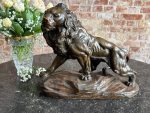
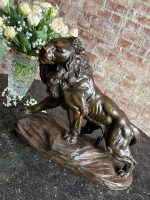
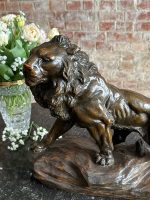
Terracotta lion sculpture by Armand Fagotto — Animalier, circa 1900-1920. This signed piece features a proud lion on a rocky base, with a warm bronze patina. A sought-after work by a notable animalier sculptor. 550,00 €
You’re now subscribed to price tracking for this product. We’ll notify you if the price drops. 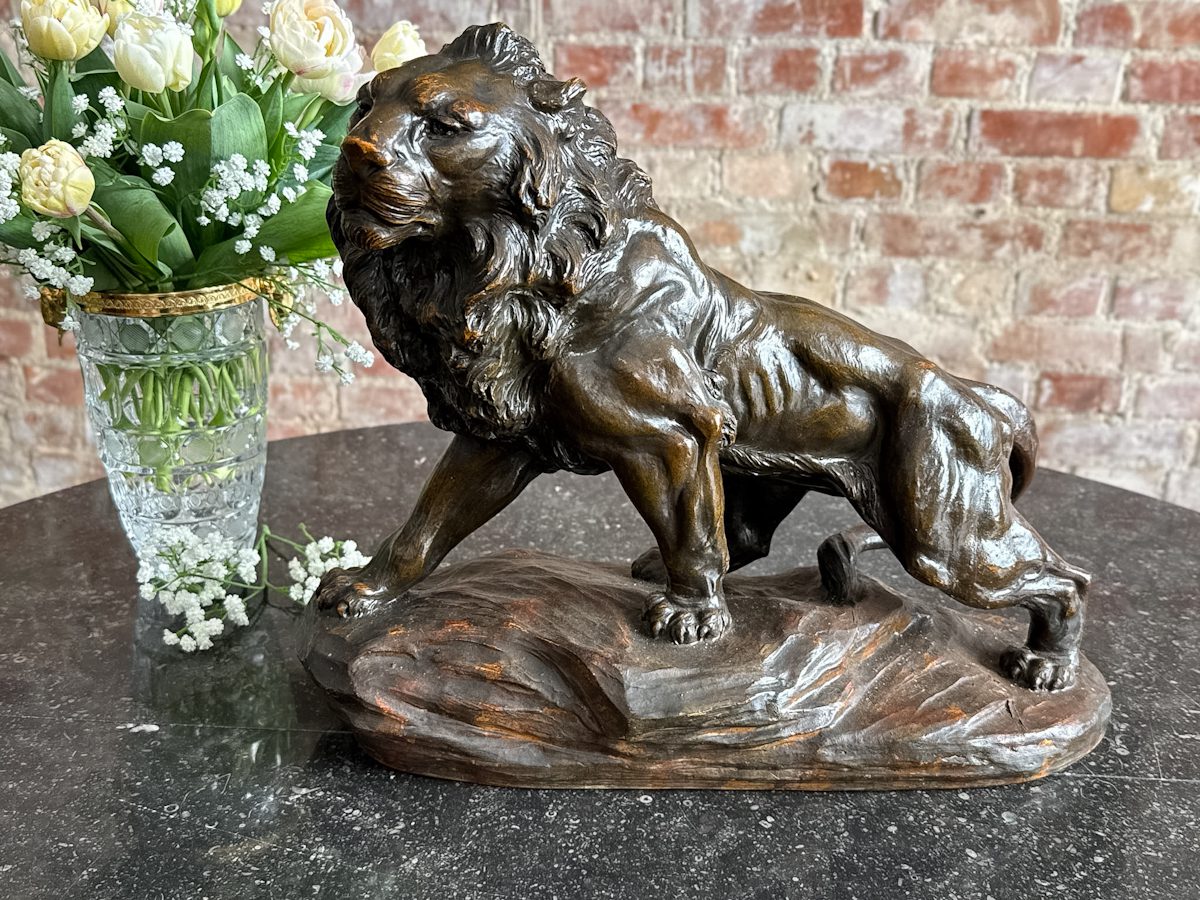





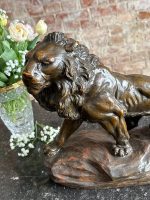
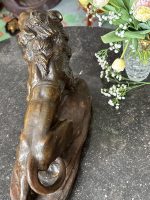
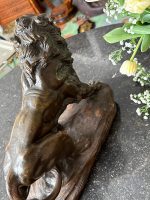
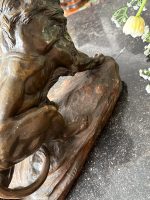
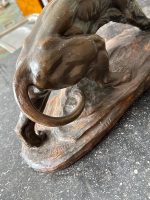
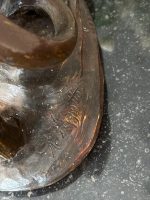
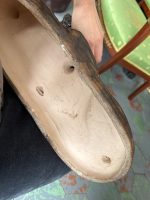
Lion Sculpture in Terracotta — Armand Fagotto, Animalier, c. 1900–1920 (6582)
Color BronzeNaturalTerracotta

Description
Lion sculpture — Armand Fagotto, Animalier, Belgium, circa 1900–1920
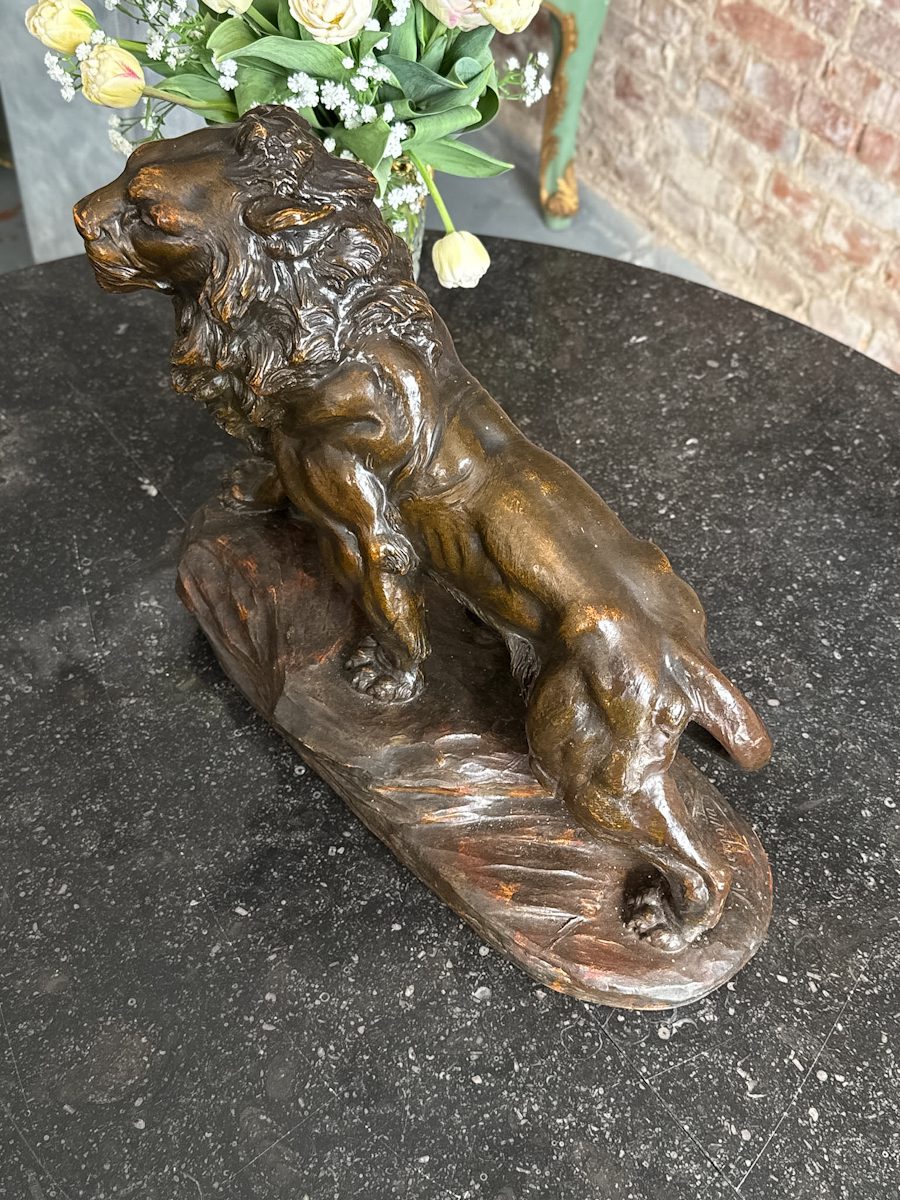
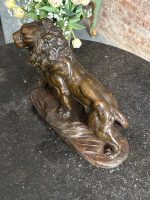
This impressive terracotta lion figure with a warm bronze-effect patina depicts a proud lion standing on a rocky base, with a muscular body and a lush, deeply modeled mane — a signed work by Armand Fagotto (A. Fagotto), an Italian-born sculptor who worked in Belgium. This terracotta lion figure belongs to the animalier (animalier) tradition of the Belle Époque (Beautiful Era) and early Art Deco periods.
Period of manufacture, art style, era
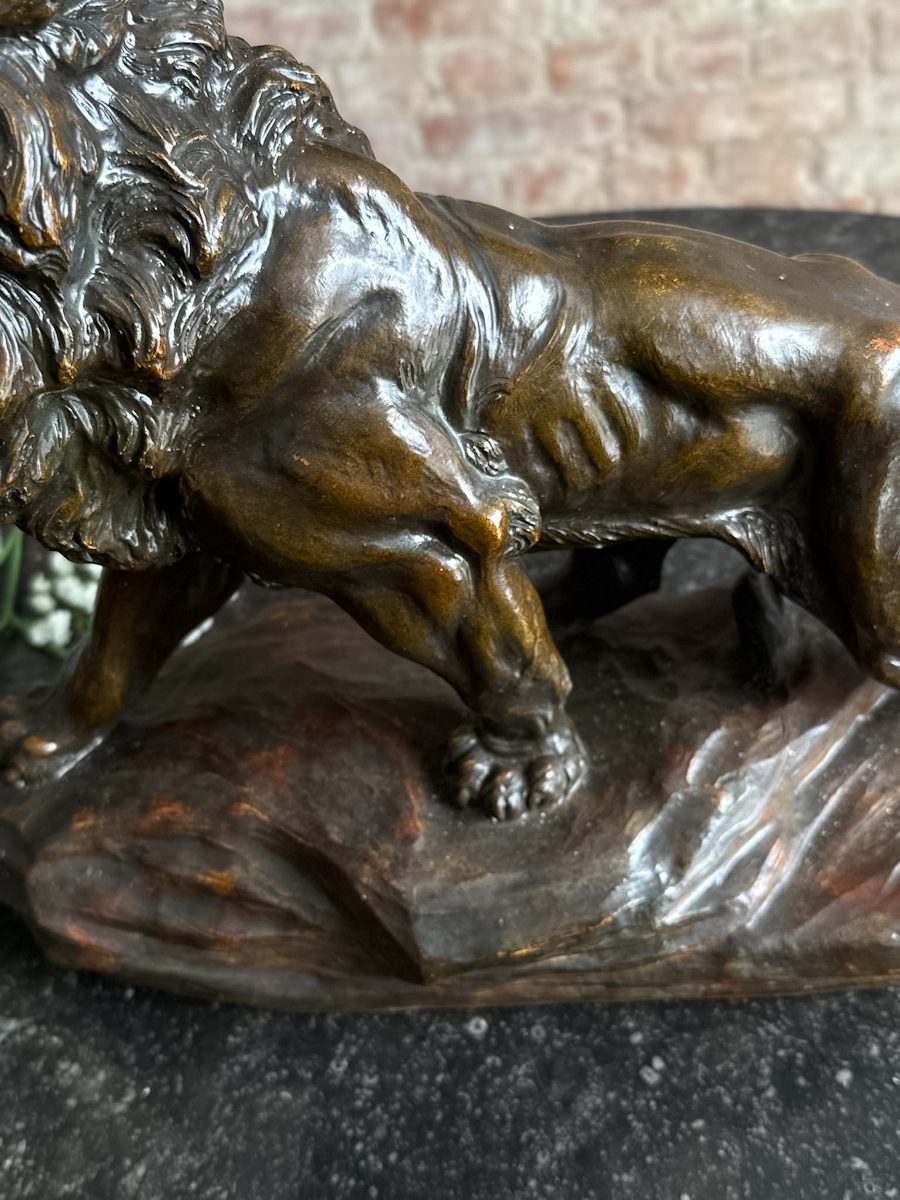
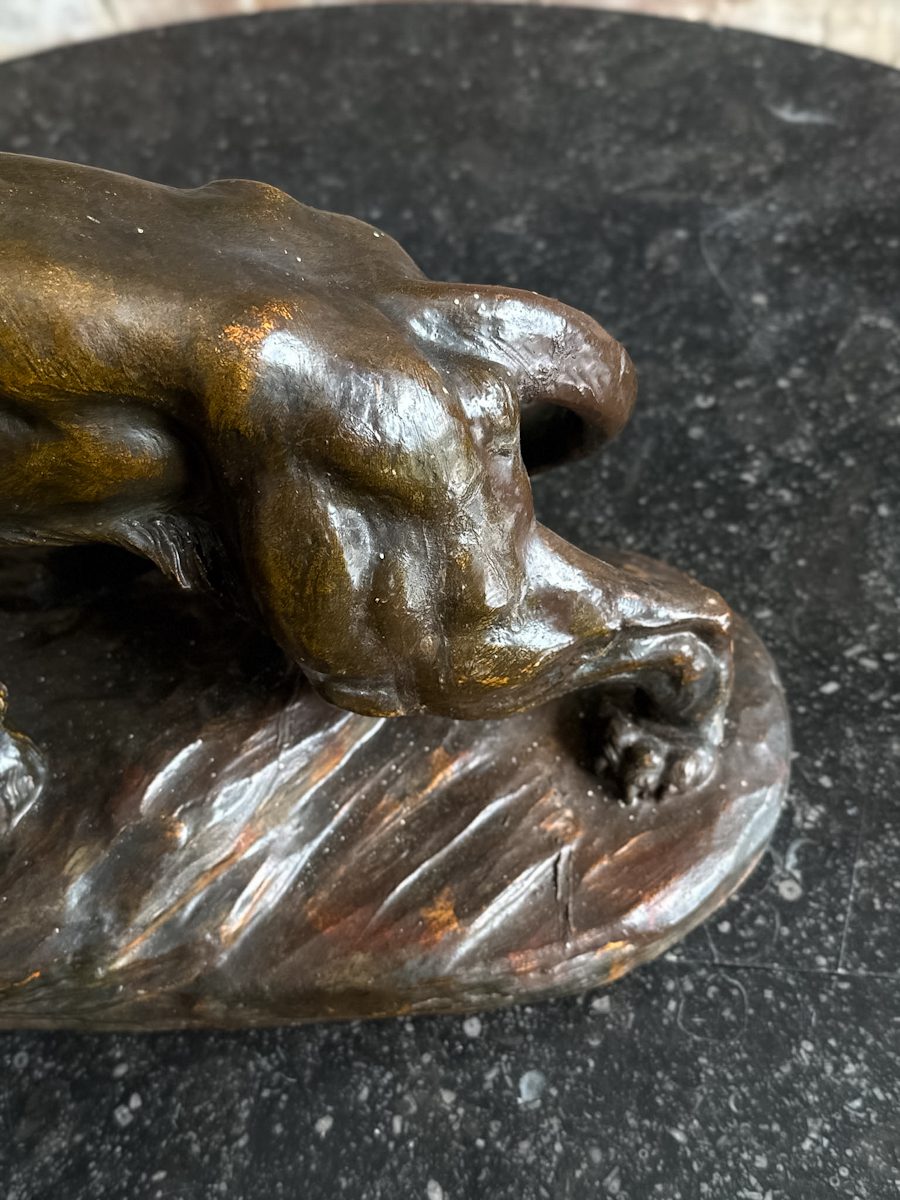
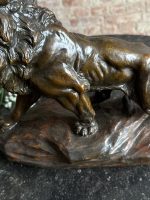
The sculpture dates from the late 19th – early 20th century, the transitional period of the late Belle Époque (Beautiful Era) and early Art Deco, when the animalier (animalier) genre experienced a particular boom. The lion is depicted in a natural, dynamic pose on a rock — anatomically precisely rendered muscles, veins, and paws, the lush mane modeled with deep, plastic strokes of curls. The material is terracotta (fired clay), coated with a bronze-effect patina, giving it the appearance of a metal sculpture at a much lower price — a typical solution for the interiors of the wealthy bourgeoisie around 1900. This technique made animalier sculpture accessible to a wider range of buyers.
Animalier snapshot: Sculptor Armand Fagotto slowly turned towards the window… through which a cool, salty evening air flowed from the direction of the port of Antwerp, stirring the dusty air of the workshop. On the massive wooden bench, still damp from the clay, a powerful form quietly rose in the half-light — a tense shoulder arch, a thrown-back head, something that was just about to break free. His fingers glided over the cool, smooth surface, where every muscle pulsed beneath his thumb, as if the animal breathed under the skin. The presence of this quiet, unborn power brought something ancient and majestic into the room — the same wild dignity that humans had tried to capture for centuries, but never fully tame.
Manufacturer and hallmark
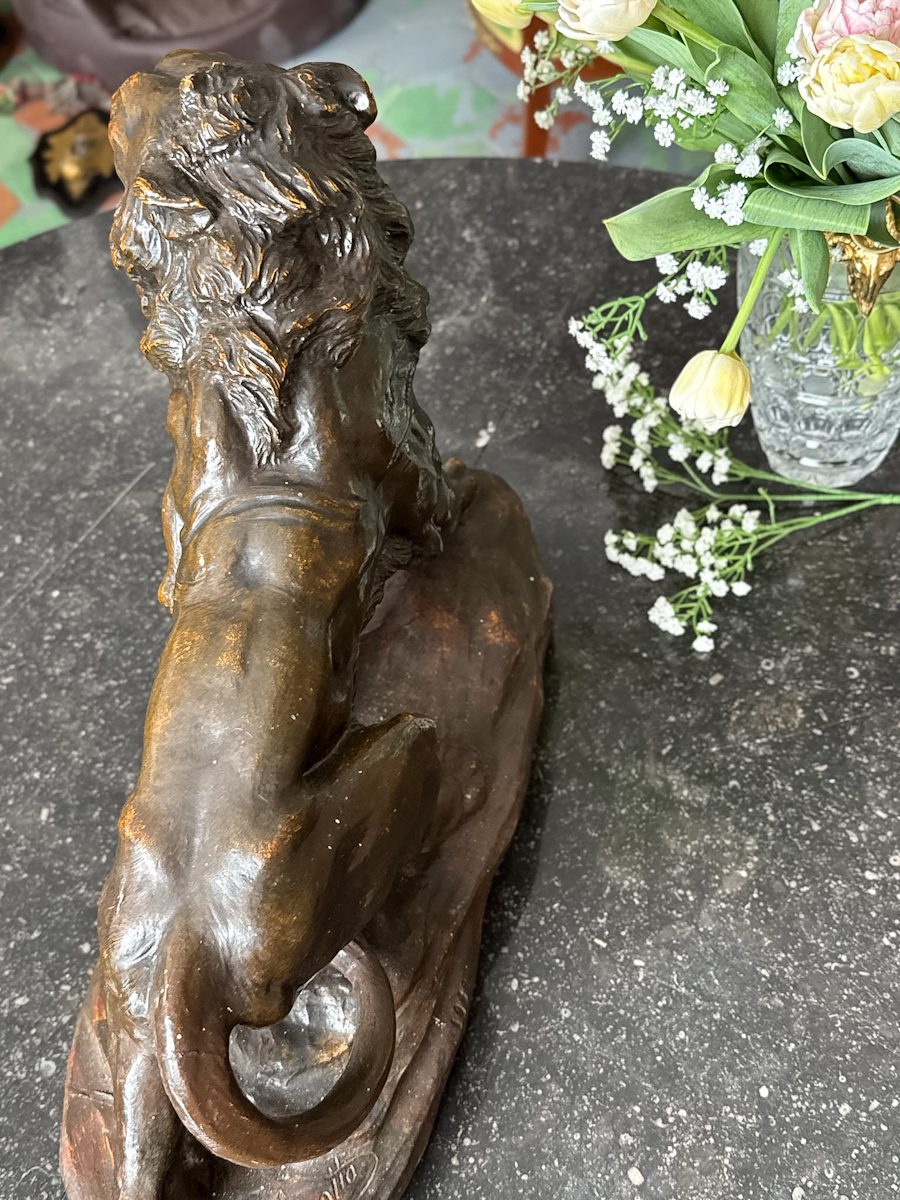
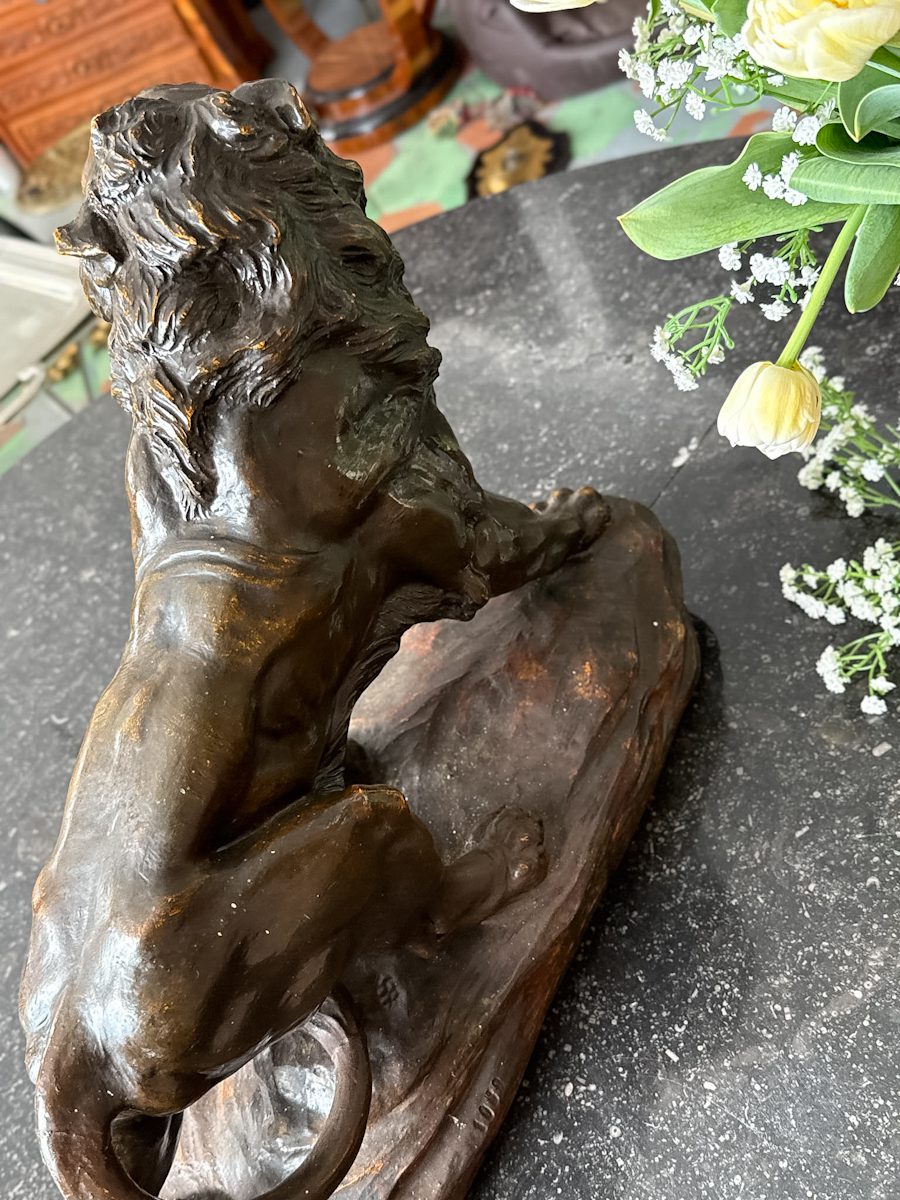
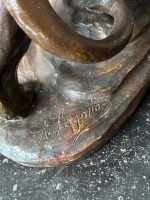
The sculpture is signed on the base with “A. Fagotto” and numbered (characteristic of this sculptor’s works, which often bore a model number). Armand Fagotto was an Italian-born sculptor who worked in Belgium in the late 19th and early 20th centuries, specializing in the animalier theme — lions, lionesses, panthers, and tigers in terracotta with a bronze-effect patina. His works are found today on the international antique market and are valued for their dramatic expression and anatomical precision. The signature and the artist’s identity significantly increase the value and collectibility of this work.
Rarity and significance
Signed, identifiable Fagotto works are sought after among animalier collectors. The lion (unlike the more common lioness or panther) is a less common model by this sculptor. The original patina and clearly legible signature make this piece a valuable, documented work, rather than an anonymous decoration.
Application in interiors, design, and photography
The sculpture is an impressive accent in a classic, dark academia, masculine study or library interior — on a desk, mantelpiece, shelf, or console. The image of the lion traditionally symbolizes strength, courage, and dignity, making it a coveted gift and a status object. The bronze patina harmonizes well with both antique and modern spaces.
Gift and personalization
An impressive gift for a lover of animalier art, a collector, a leader, or anyone for whom the lion is a significant symbol (strength, courage, leadership).
Condition
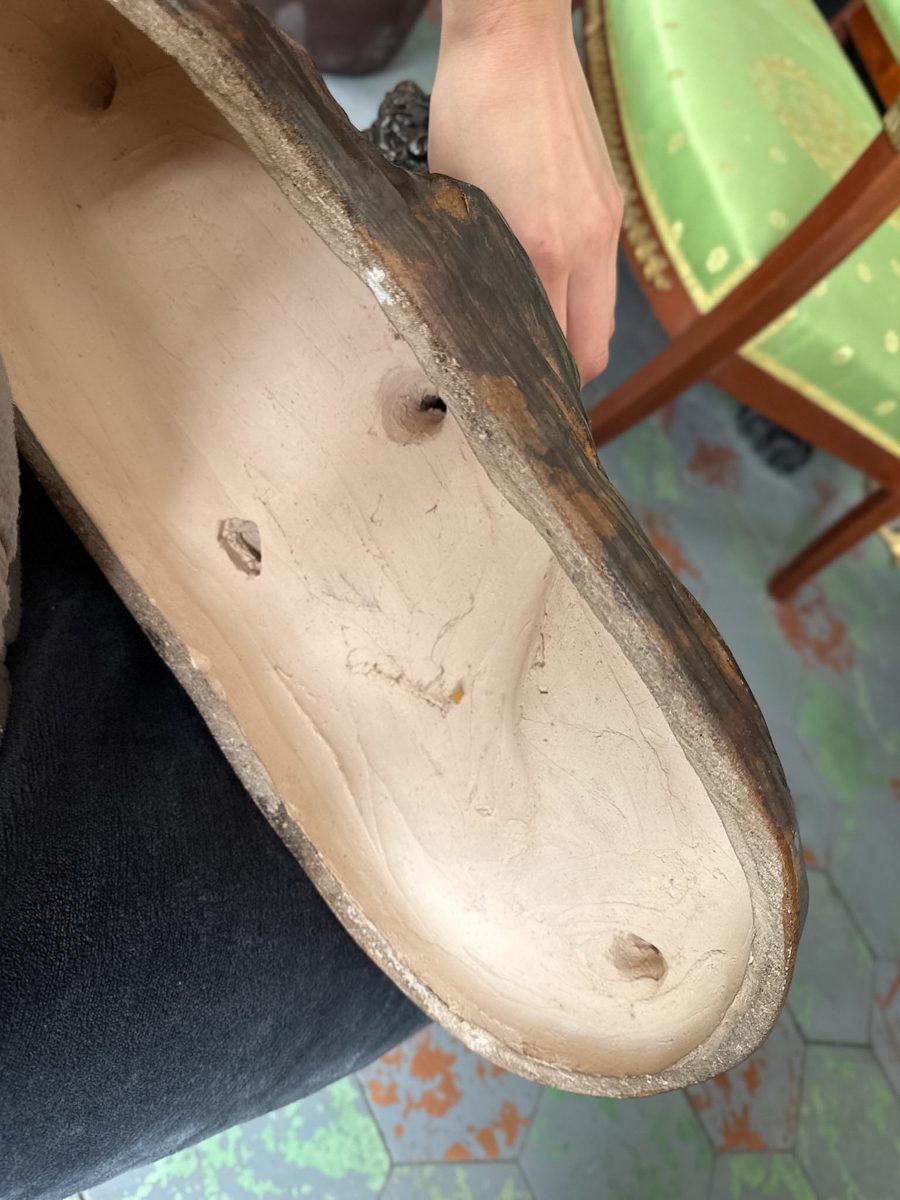
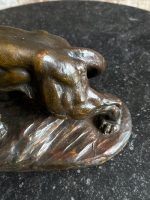
The sculpture is in good condition, appropriate for its age, with a beautifully preserved original bronze-effect patina. Minor surface wear and patina are visible, with small clay surface defects in places, characteristic of terracotta (see photos). The base is hollow, with original openings. The construction is stable, without significant damage. The condition of the item is fully reflected in the photographs.