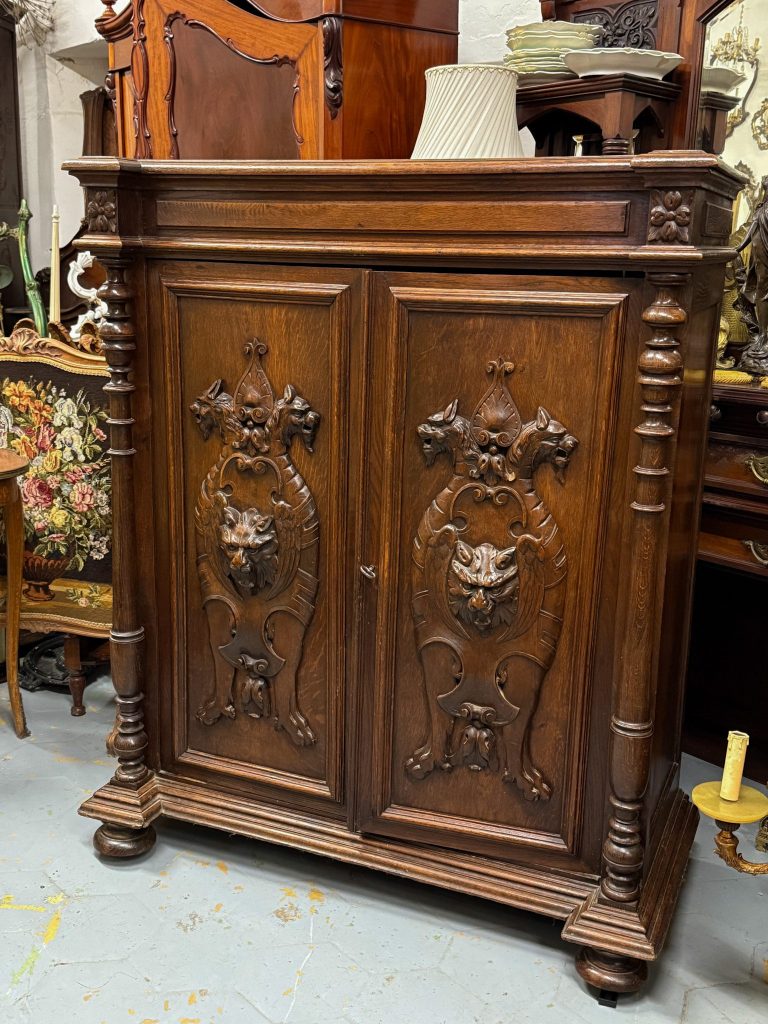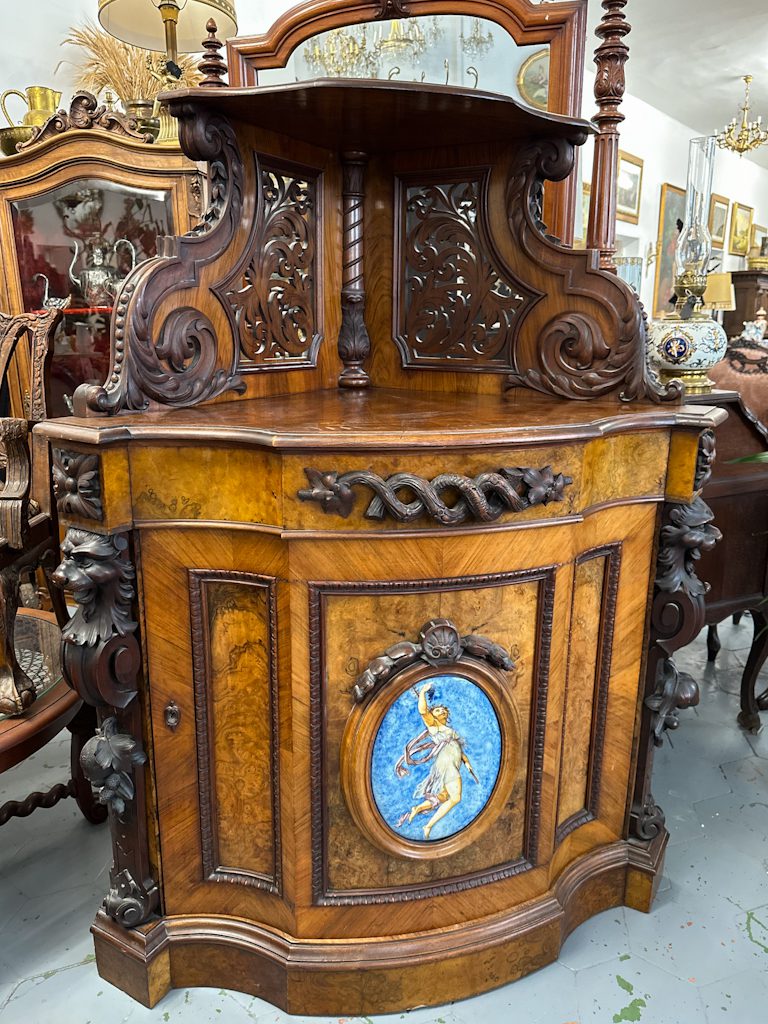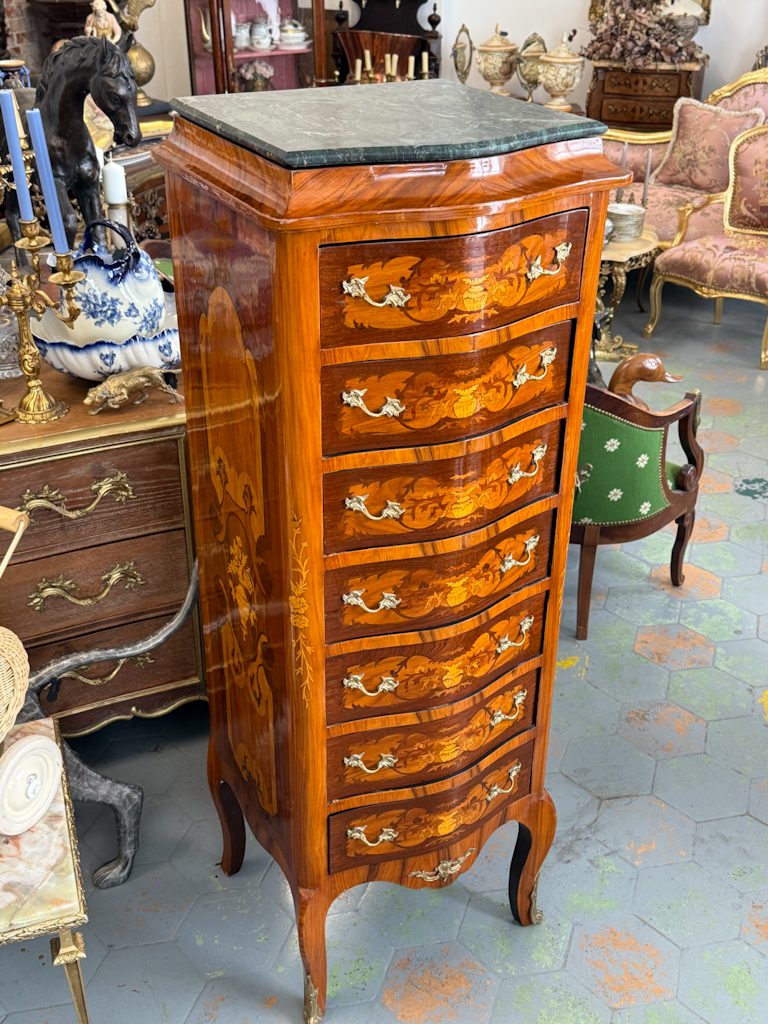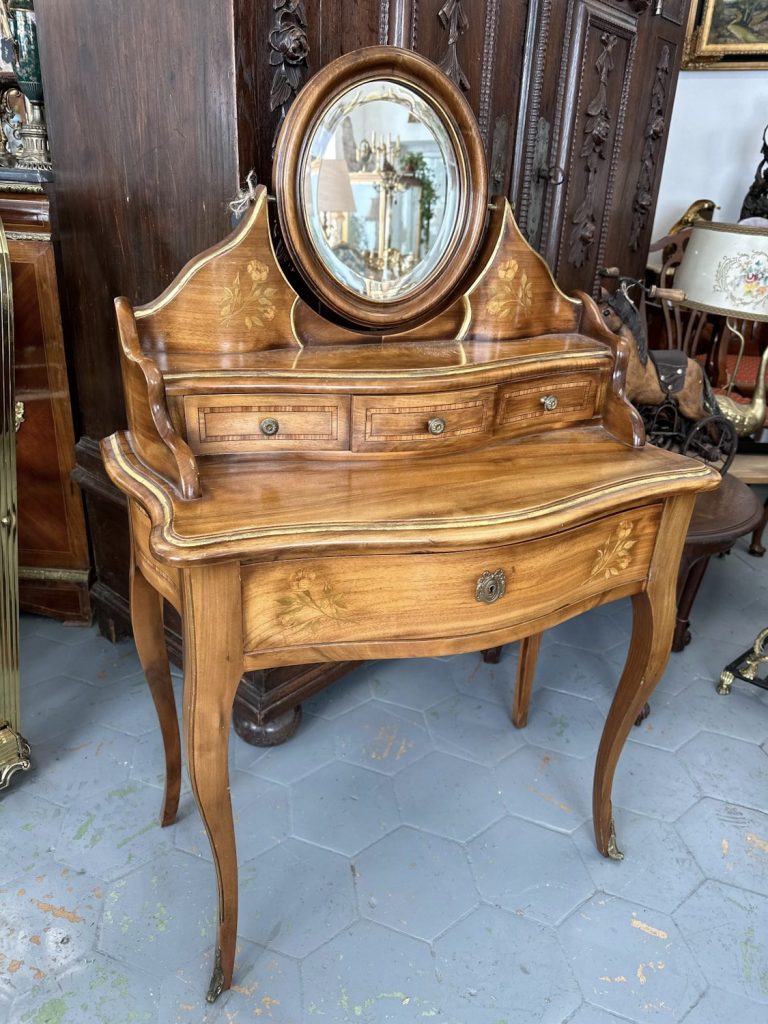
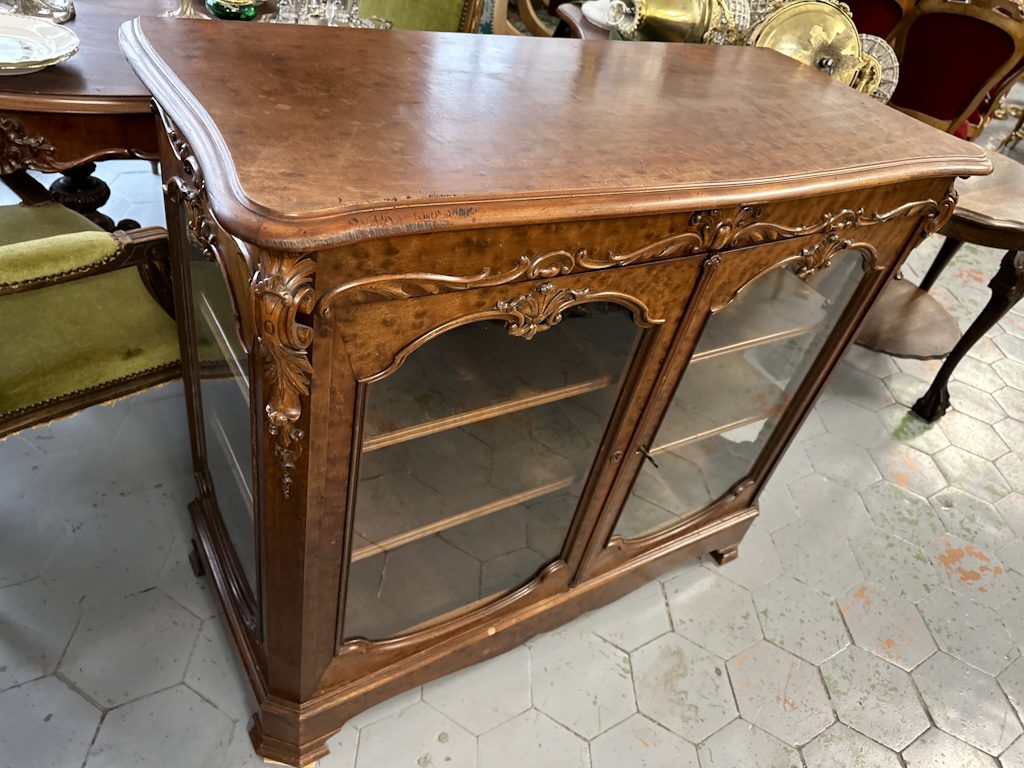
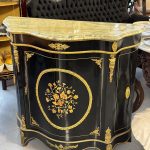
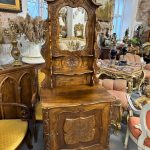
Walnut display cabinet-chest of drawers — Louis XV style, France/Belgium, c. 1860–1890. Featuring exquisite marquetry and carved details, this piece embodies the opulence of the Belle Époque era. A stunning statement for any refined interior. 1 490,00 €
You’re now subscribed to price tracking for this product. We’ll notify you if the price drops. 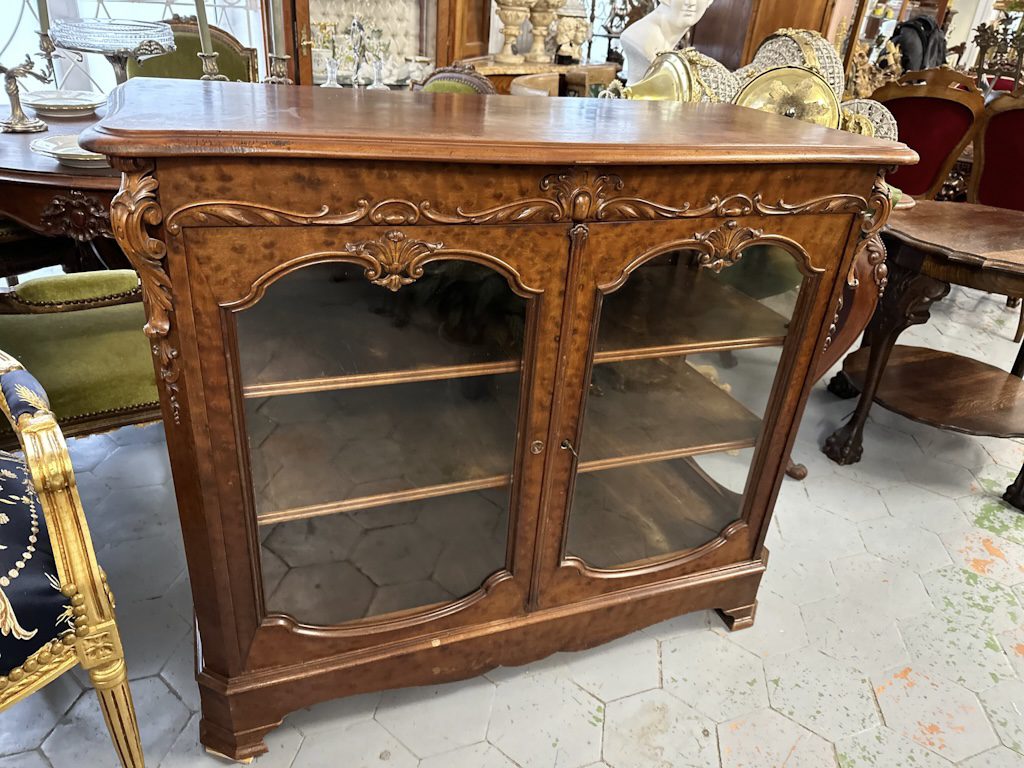
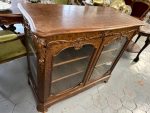
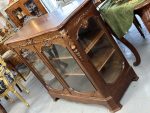
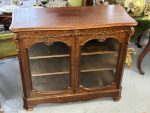
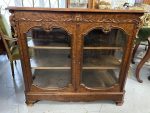
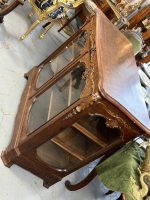
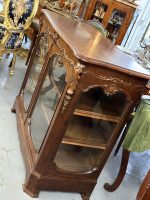
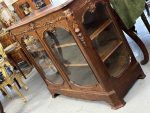
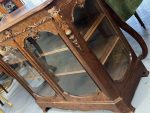
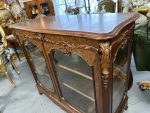
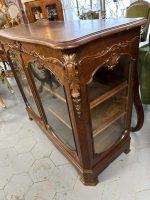
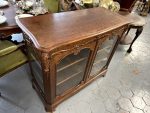
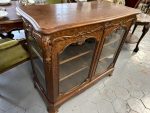
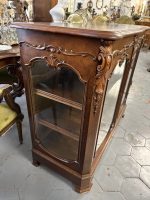
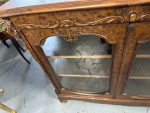
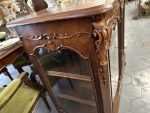
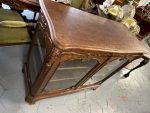
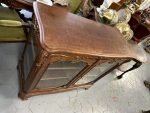
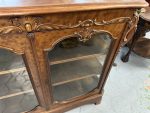
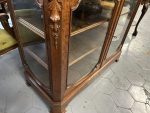
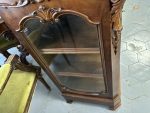
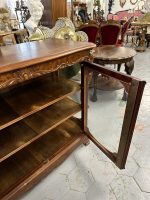
Oak Display Cabinet-Chest with Carvings — Louis XV style, France/Belgium, c. 1860–1890 (4537)
Height 98 cm Length 116 cm Color WalnutOakMulti
Description
DESCRIPTION IN
📐 DIMENSIONS Height 98 cm × Length 116 cm × Depth 50 cm.
―――――――――――――――――――――
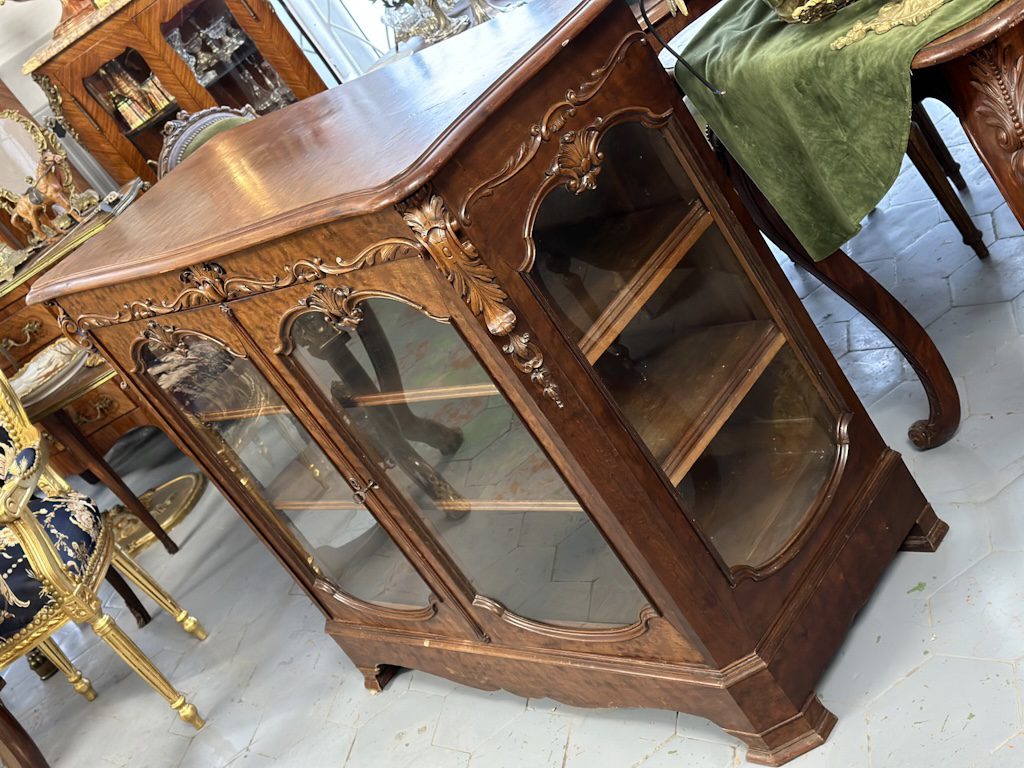
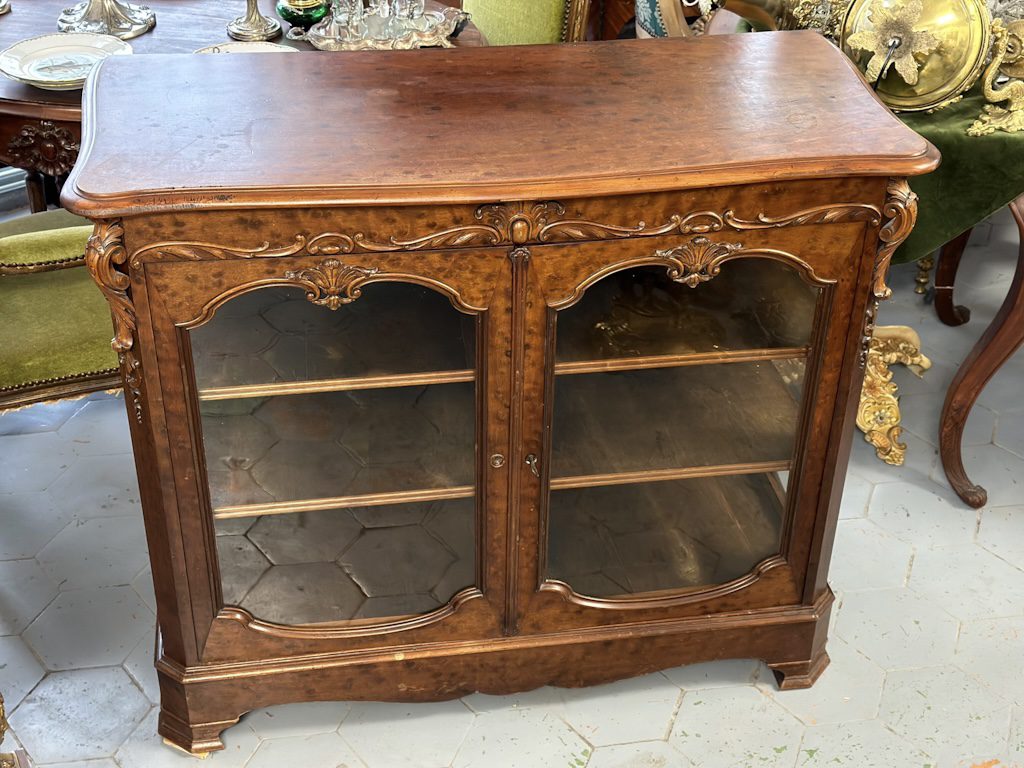
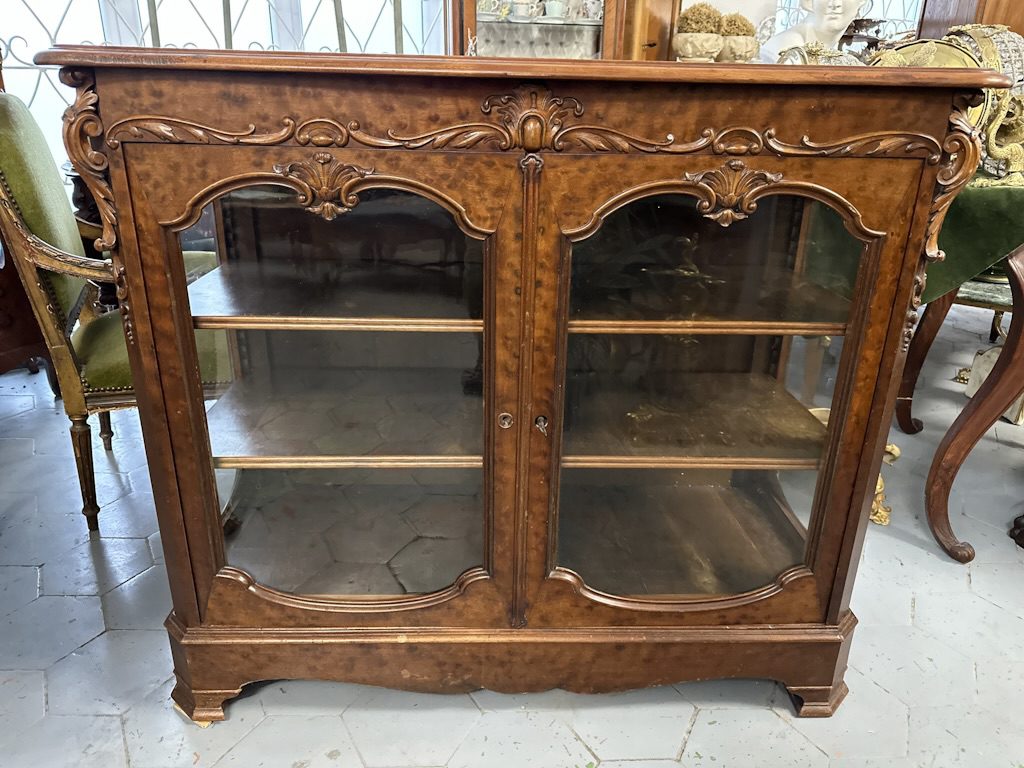
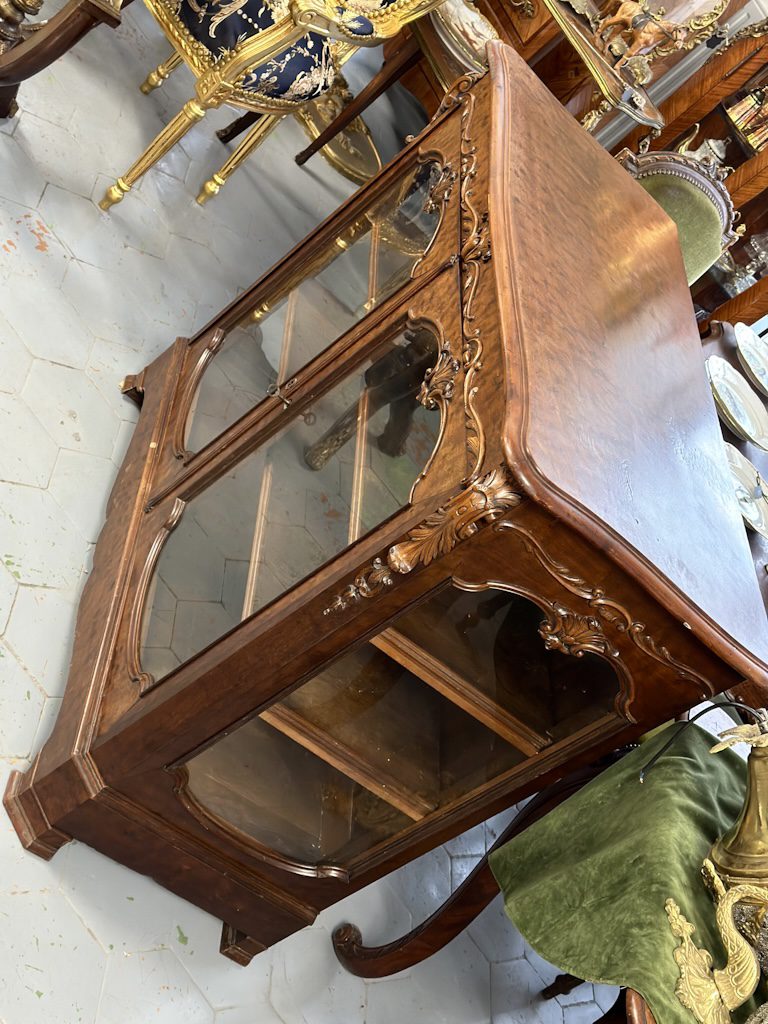
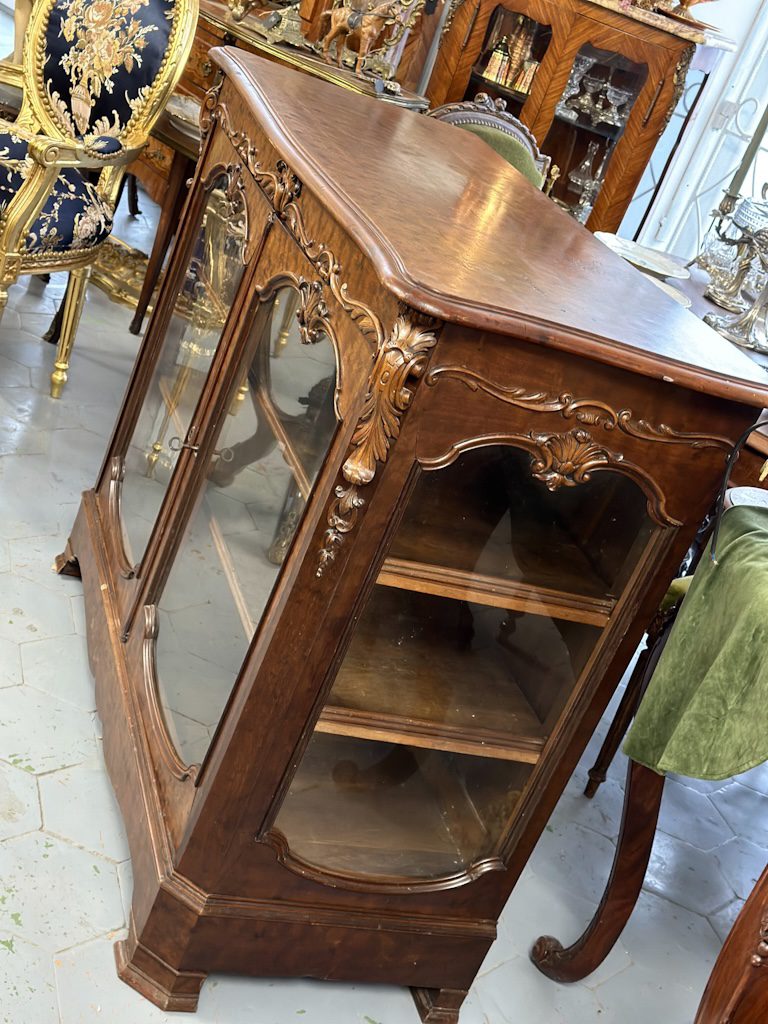
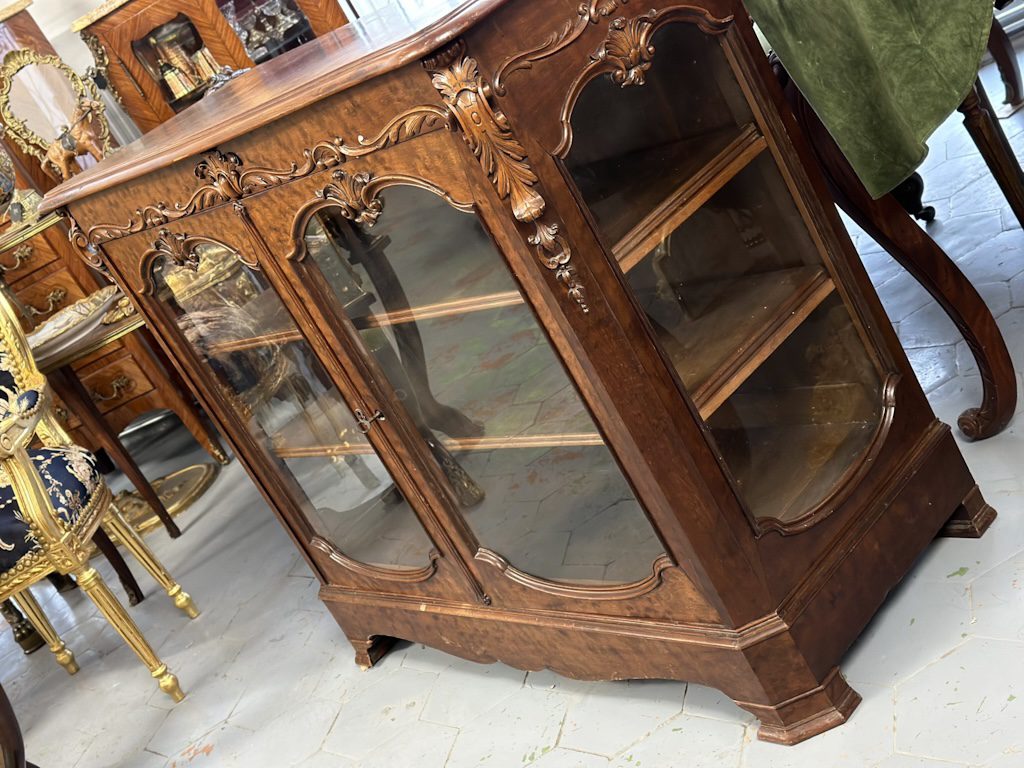
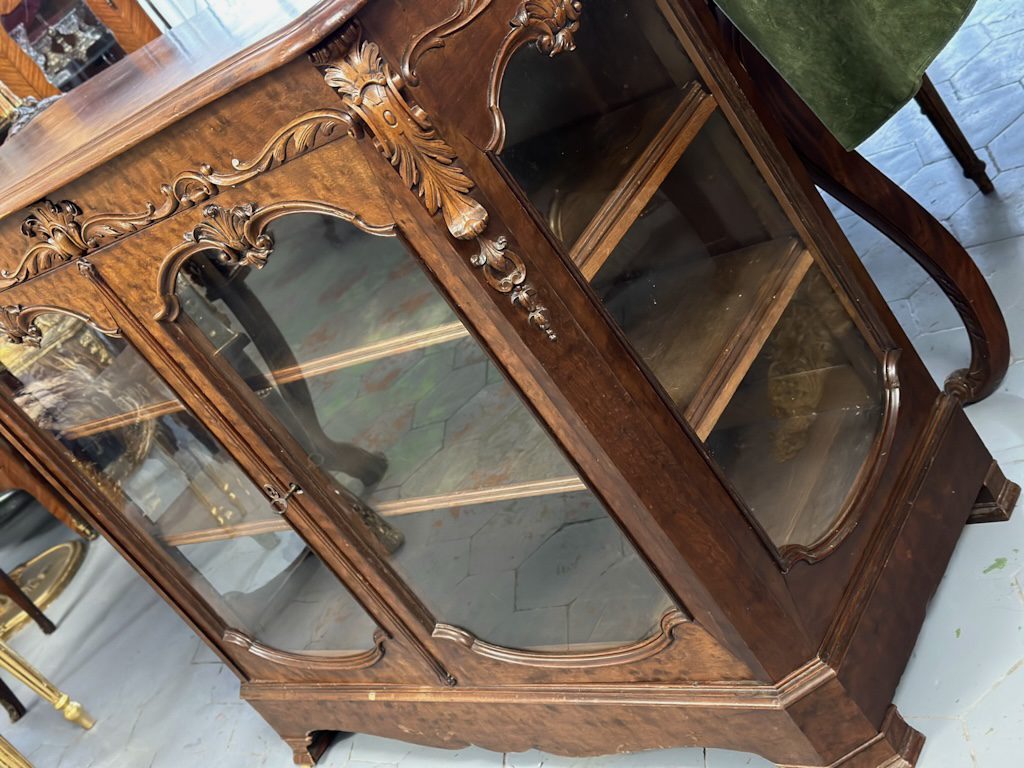
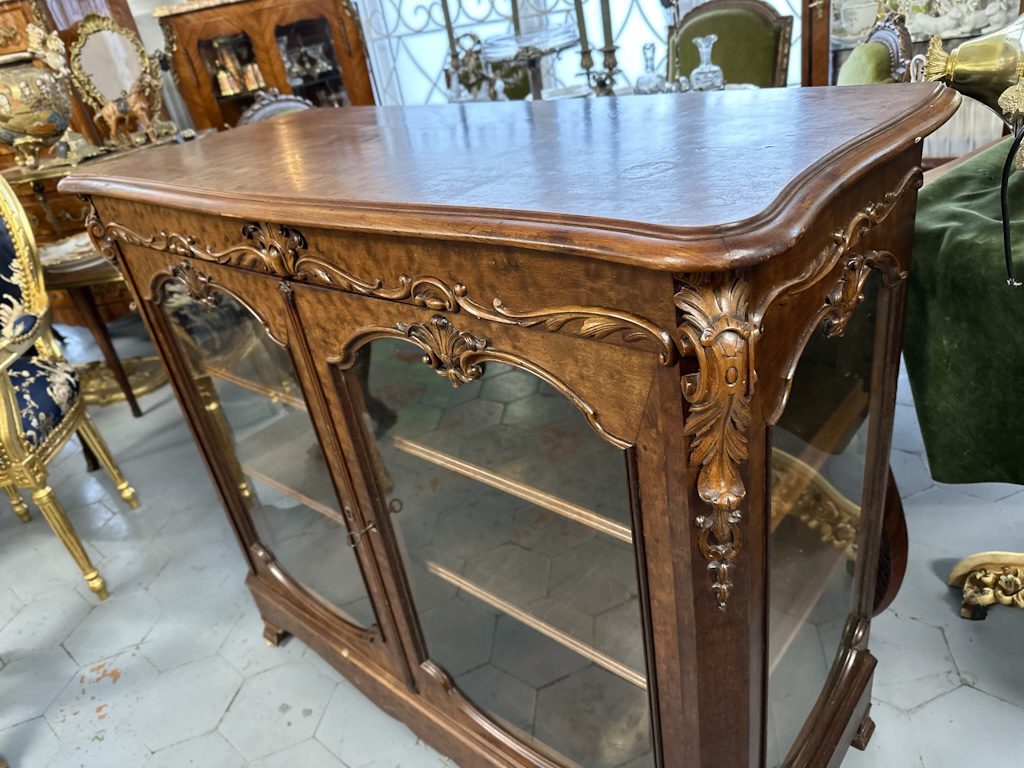
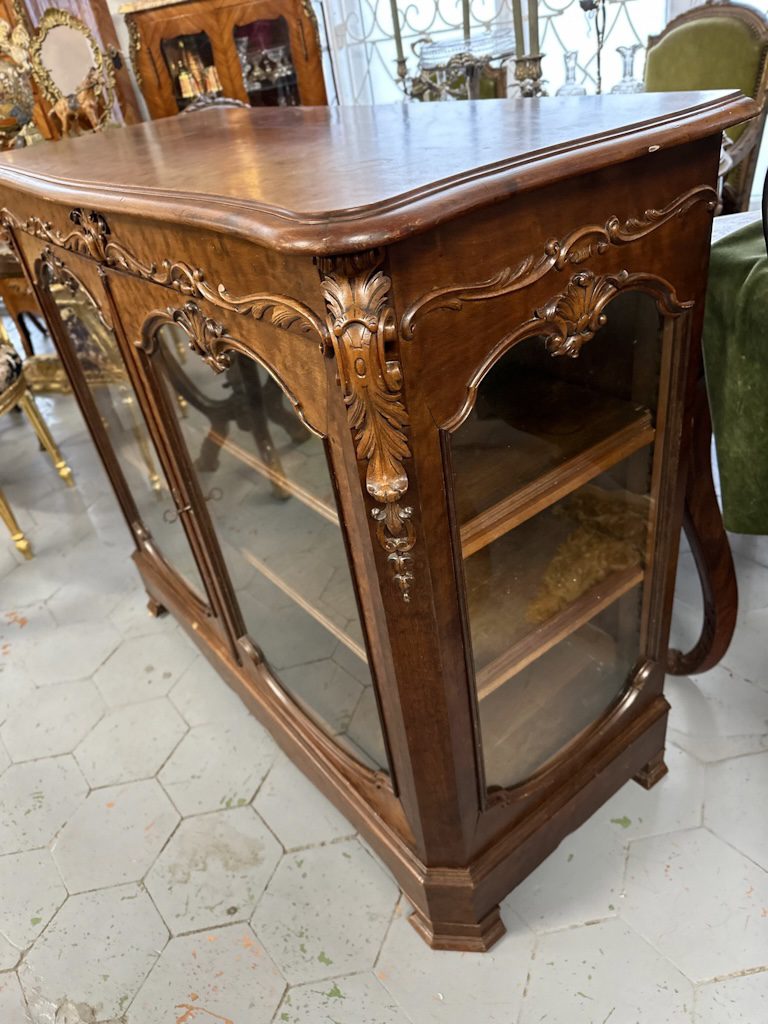
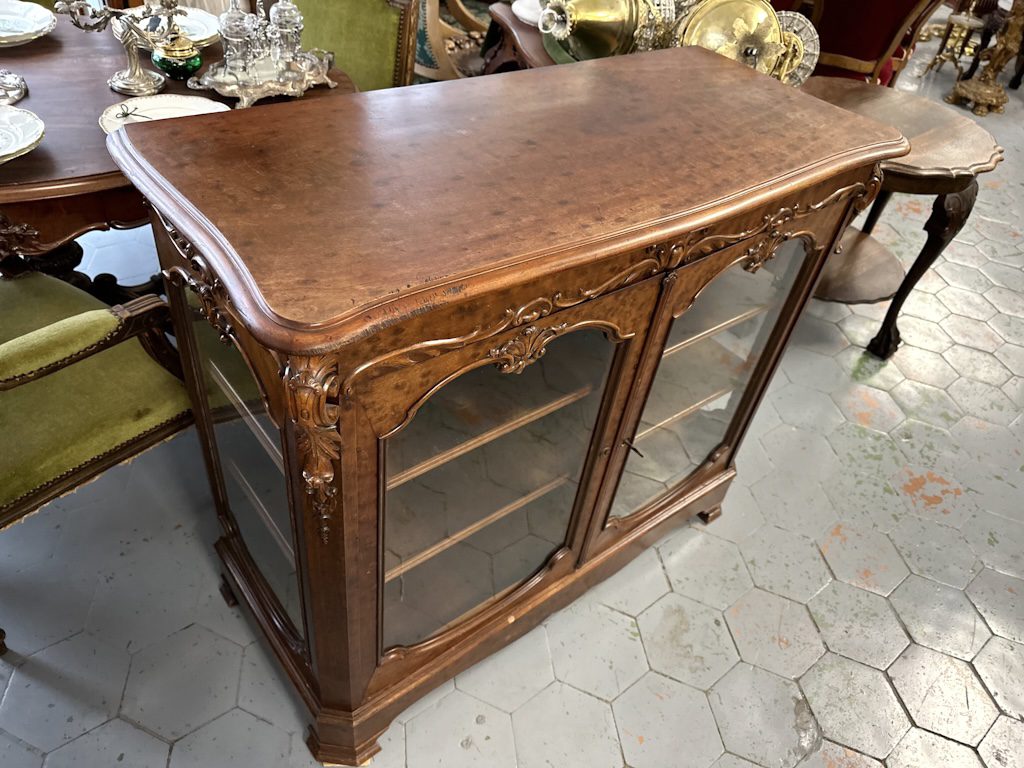
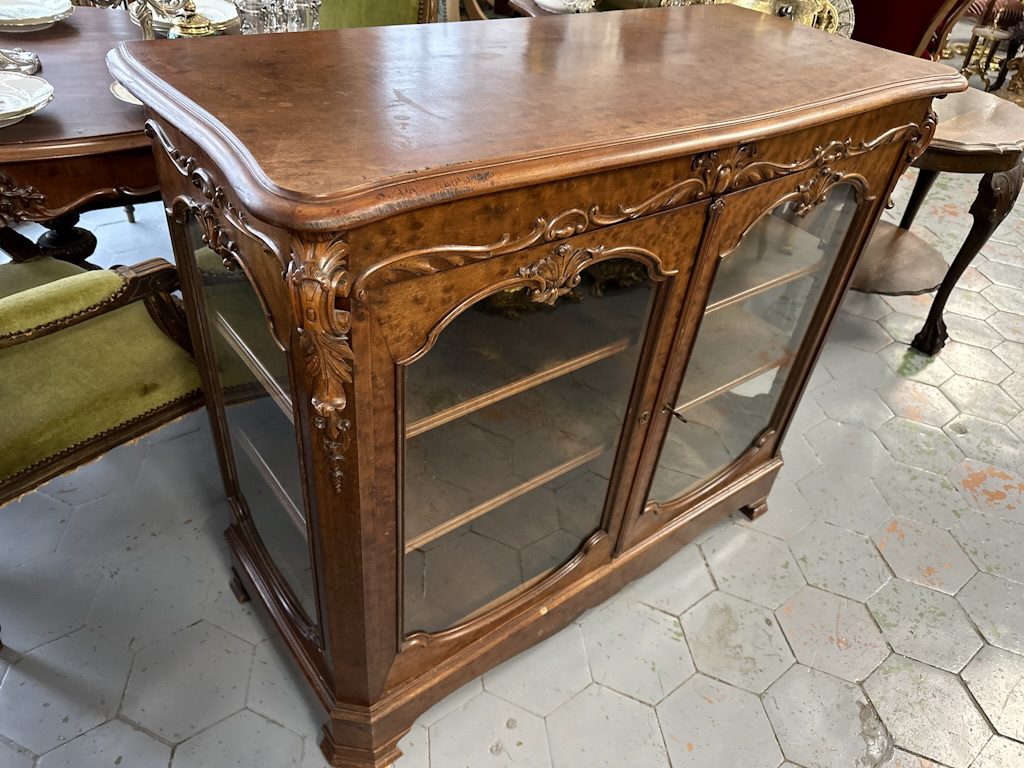
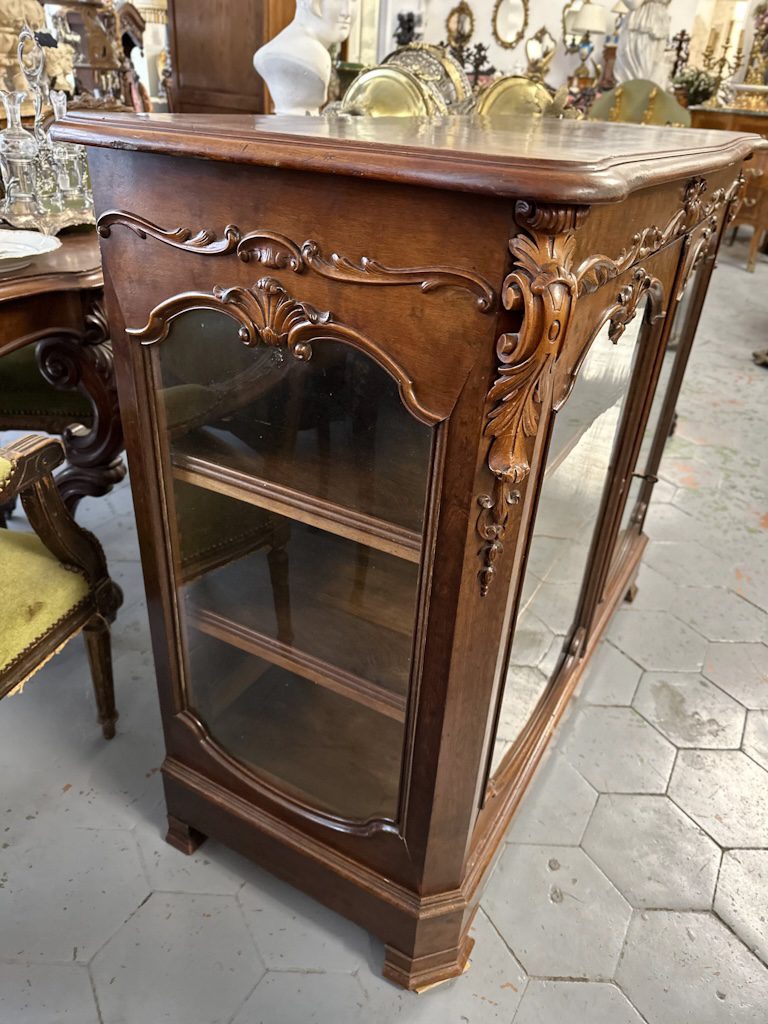
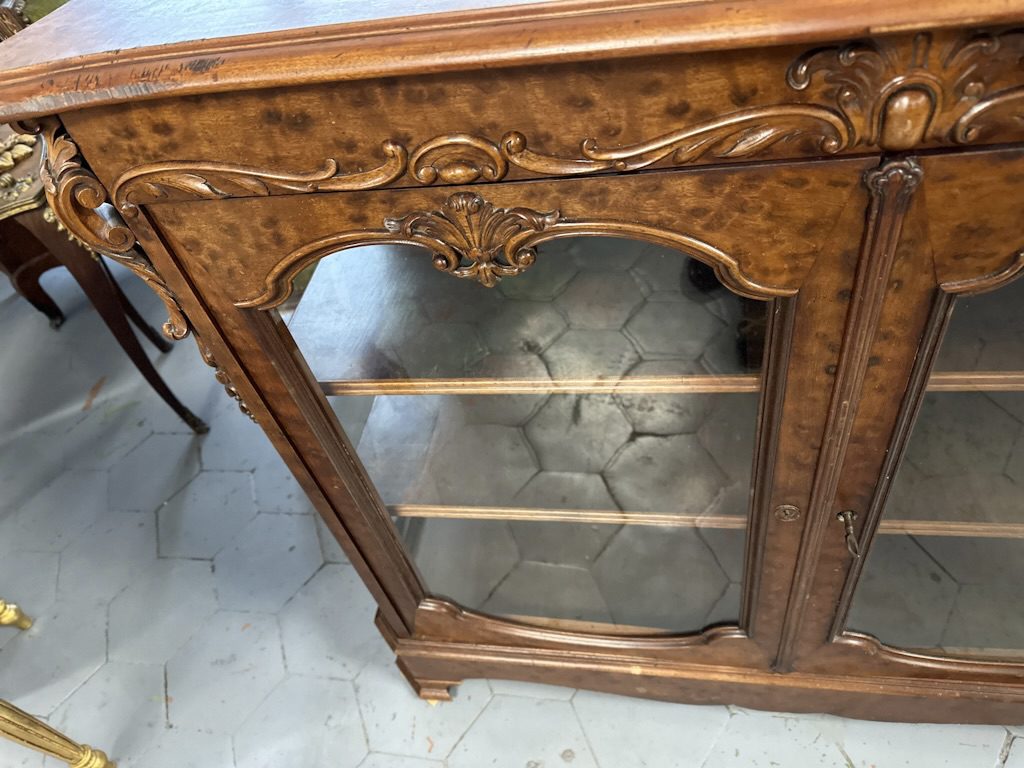
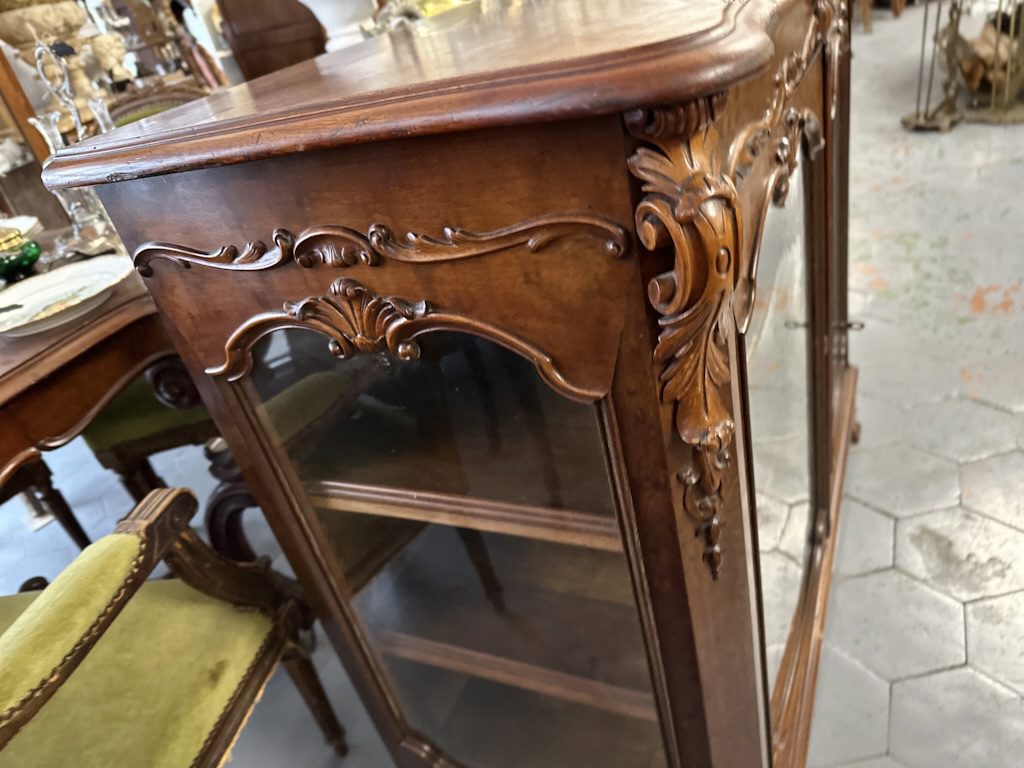
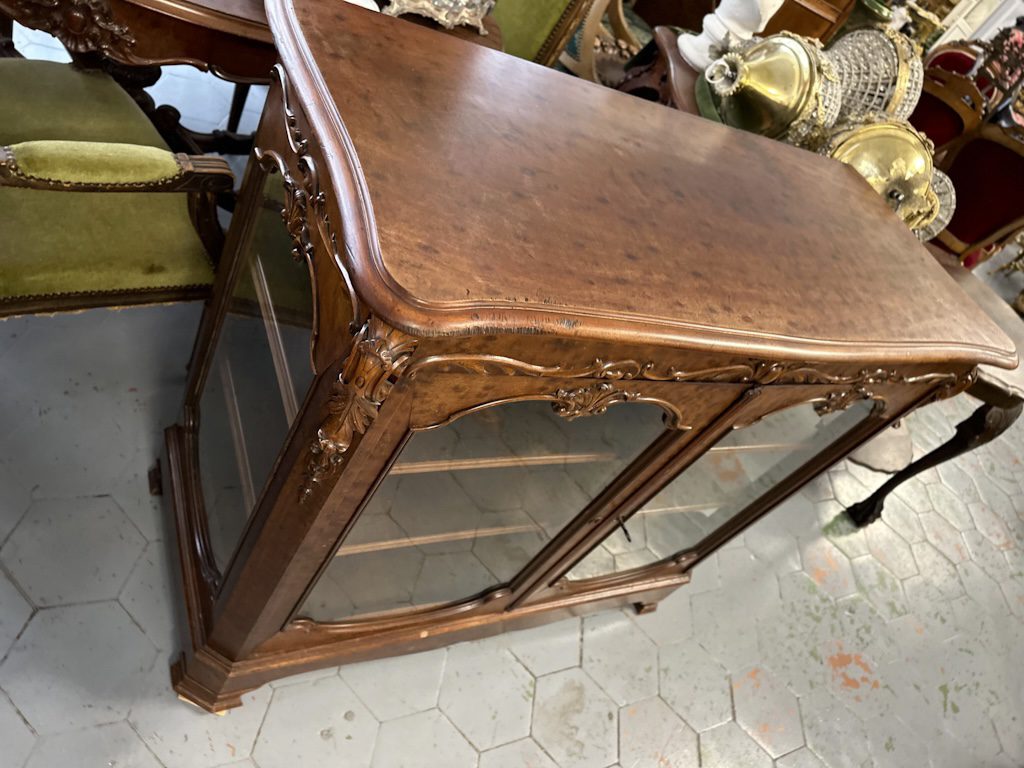
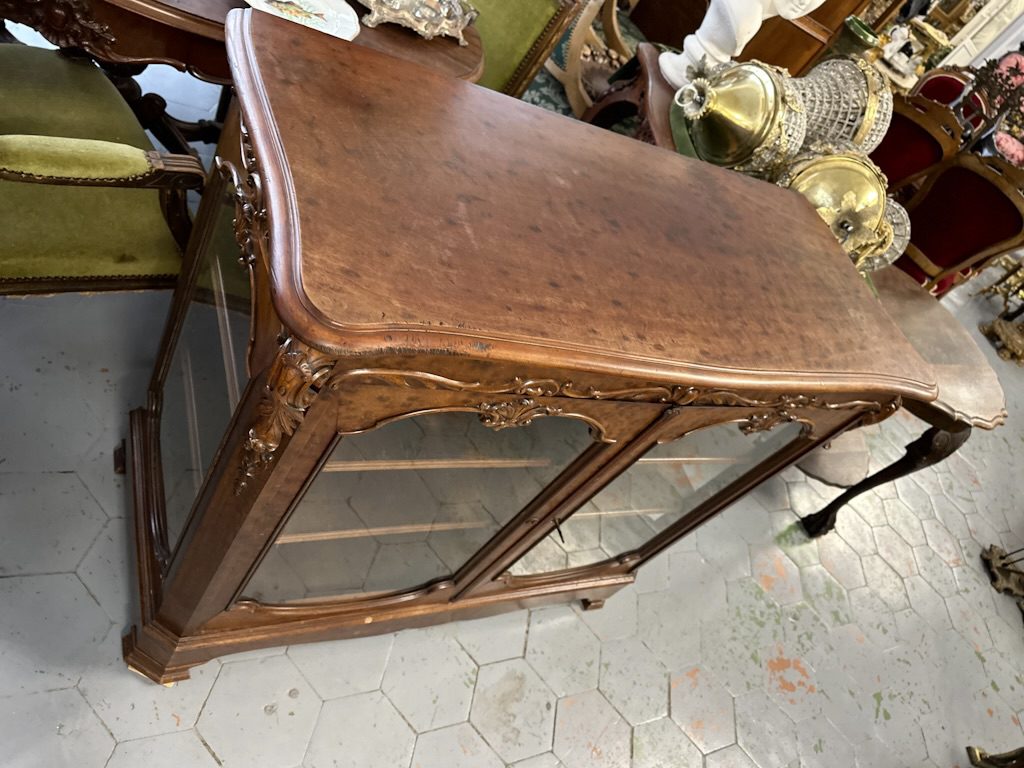
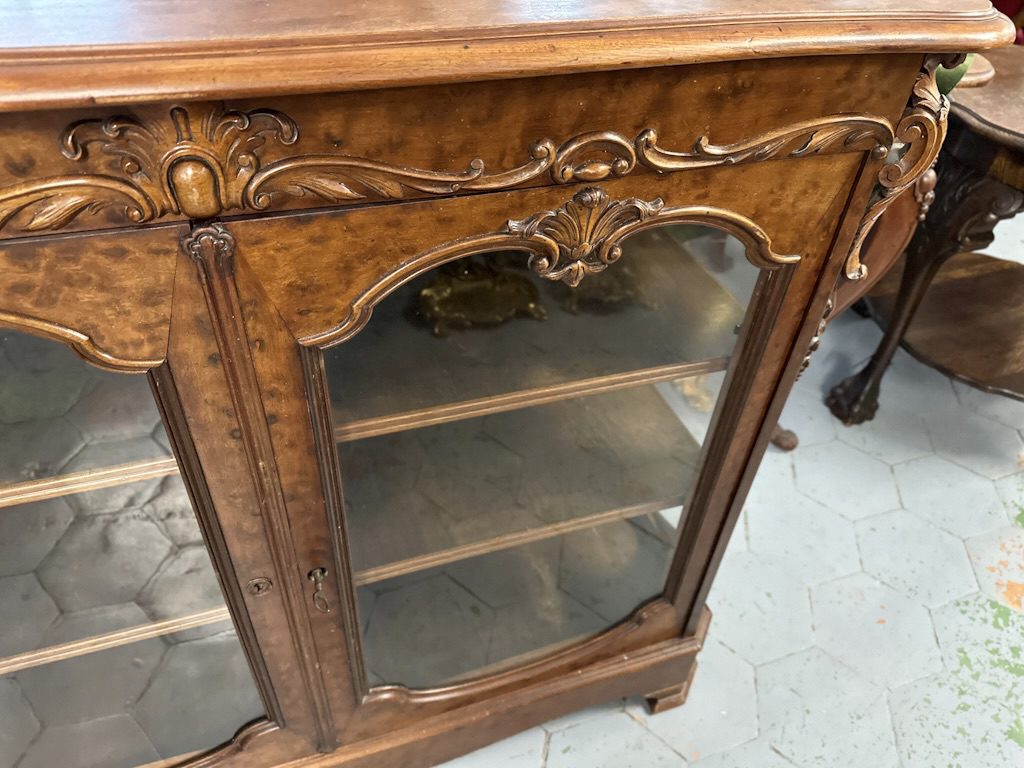
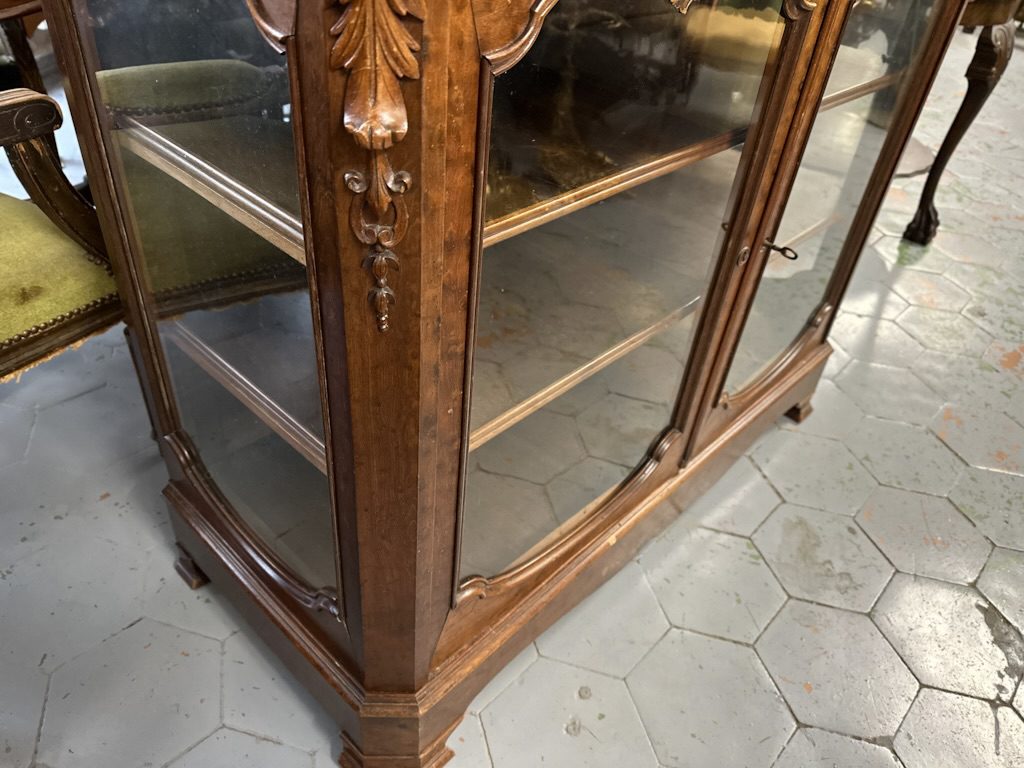
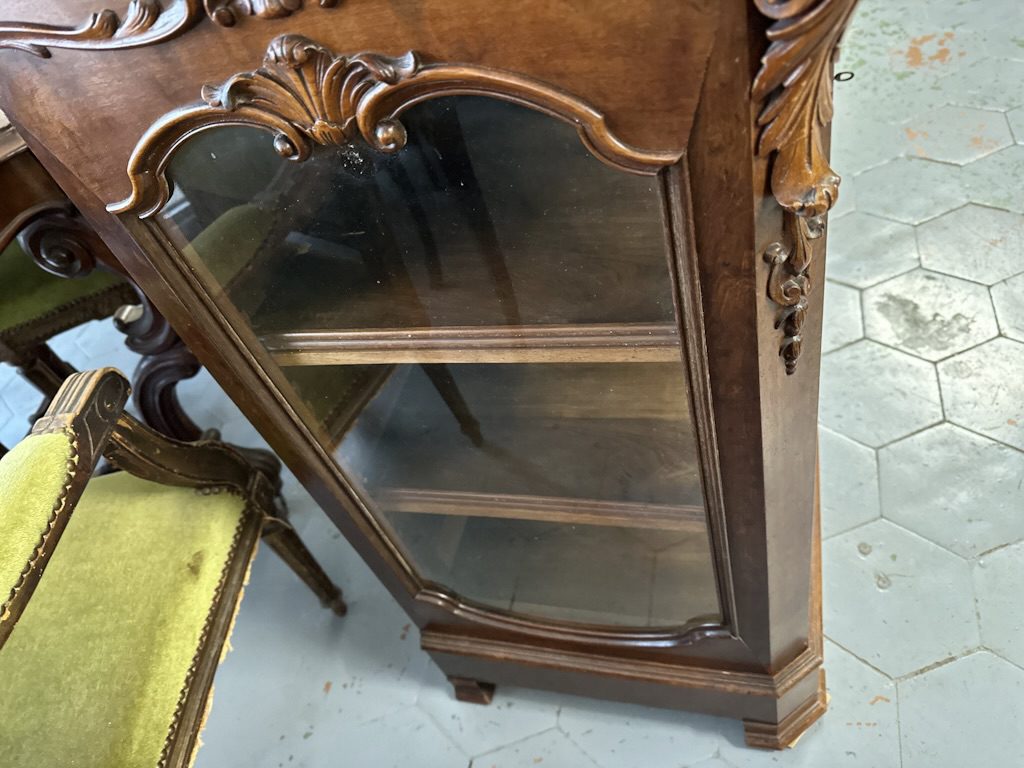
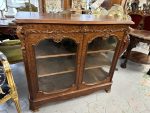
Burr Walnut Glazed Cabinet-Vitrine with Carved Decoration — Louis XV Style, France/Belgium, c. 1860–1890.
―――――――――――――――――――――
🏛️ PERIOD, ARTISTIC STYLE, ERA
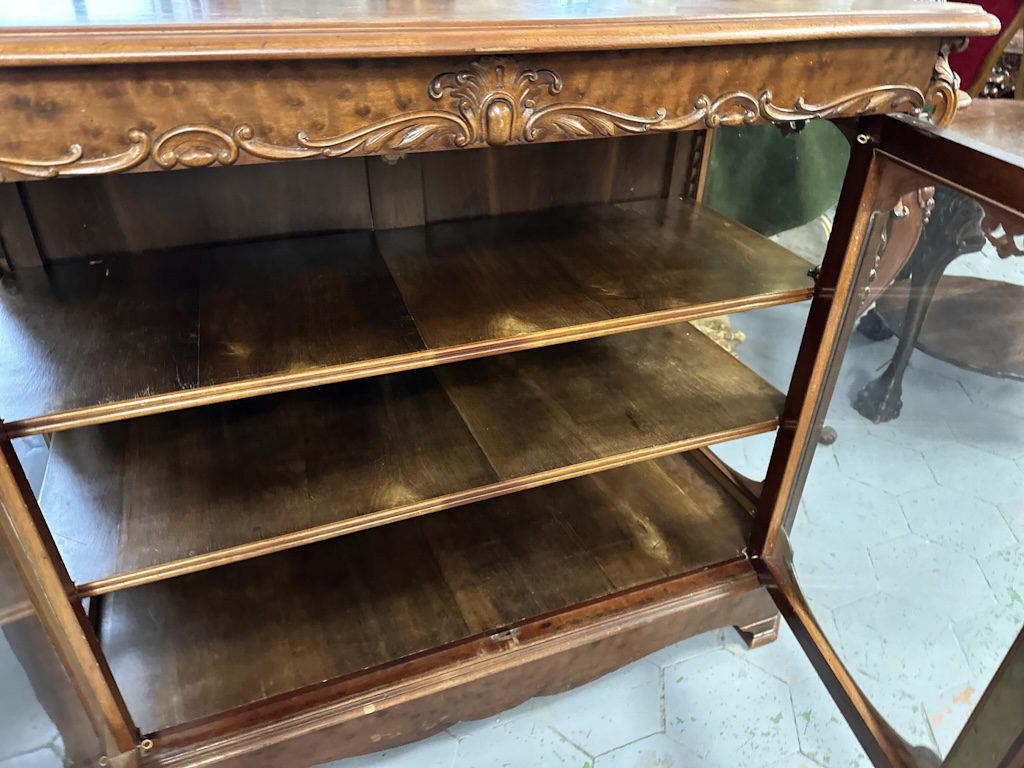
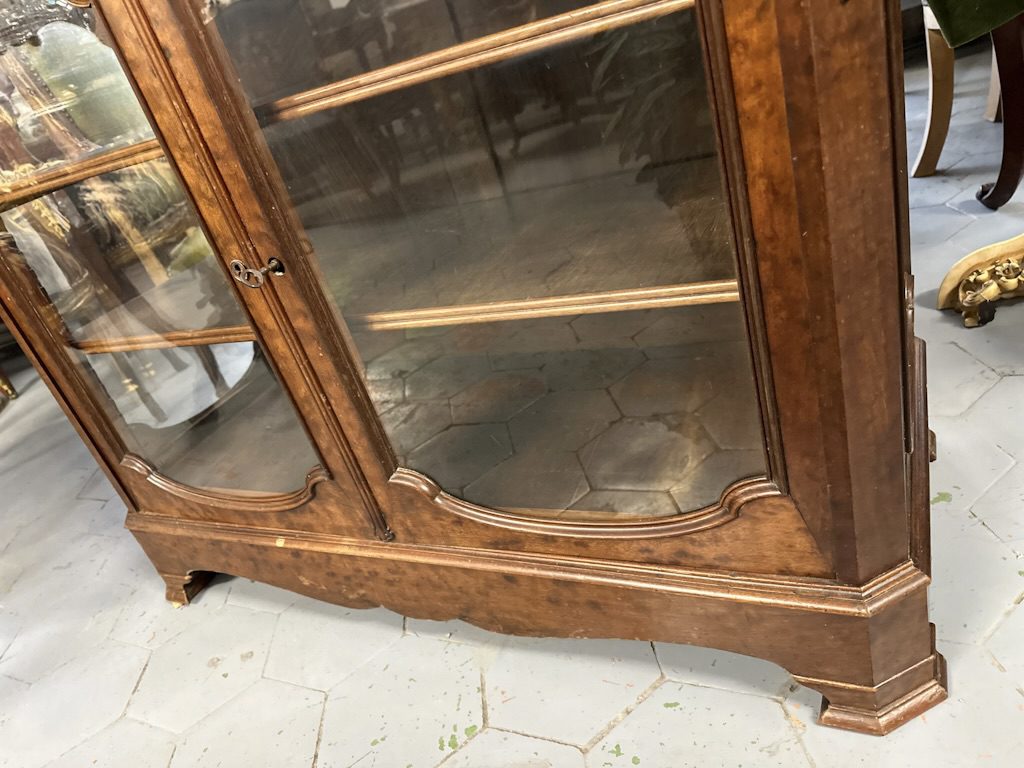
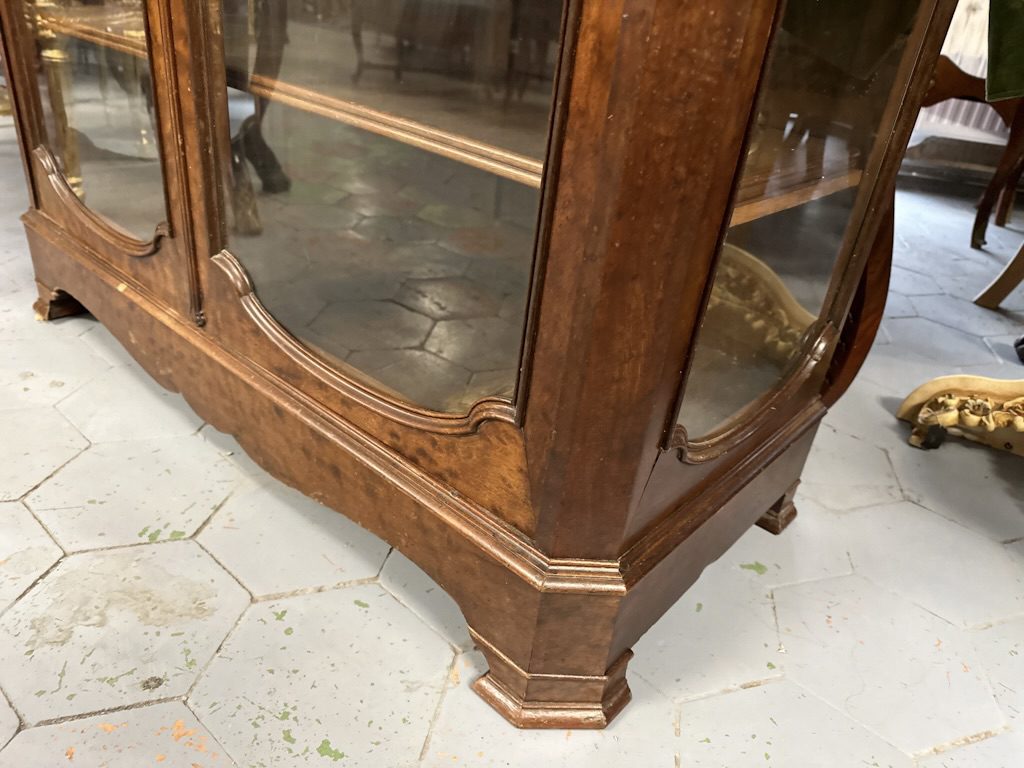
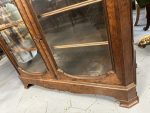
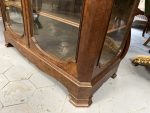
This impressive cabinet was made on the eve of and in the early flowering of the Belle Époque — an era when Historicism in European cabinetmaking reached its artistic peak. Stylistically the piece belongs to the Louis XV (Louis Quinze) revival that swept Western European salon culture from approximately 1860 to 1890: the serpentine bowed corpus, richly carved rocaille and acanthus friezes, cartouche-arched glazed door panels and deeply carved corner ornaments all speak in one aesthetic language, drawing directly from the 18th-century court tradition.
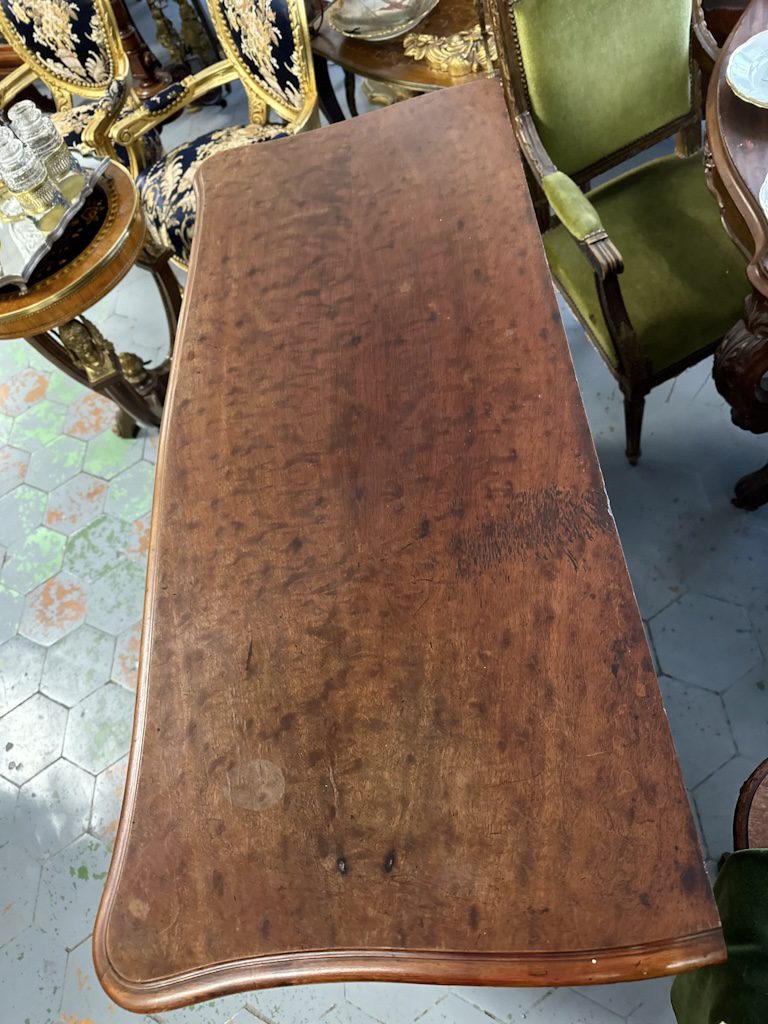
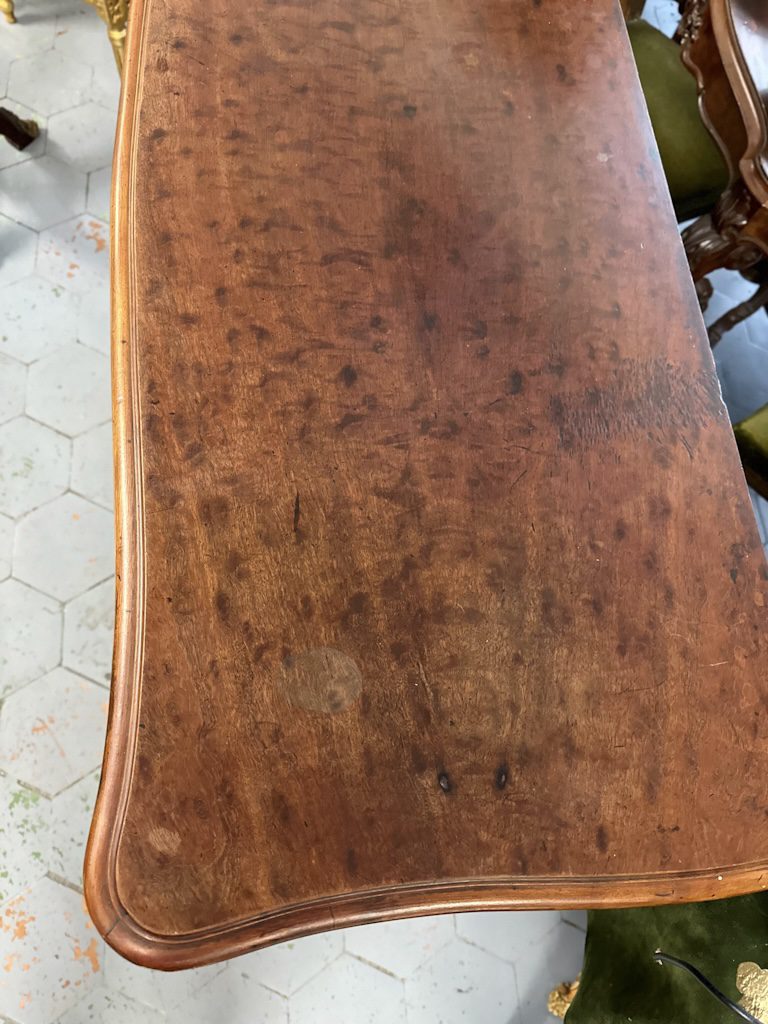
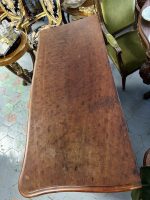
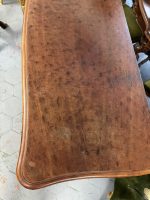
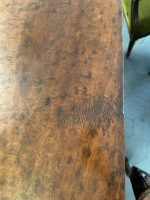
Particularly notable is the use of burr walnut (loupe de noyer) — its characteristic swirling, figural grain gives the cabinet an almost painterly vitality that no other material can replicate. This timber was the most prestigious cabinetmaking material of the 19th century and speaks to the high quality of the original commission.
Belle Époque snapshot: In 1867 Paris hosted one of the greatest World Exhibitions the city had ever seen. The pavilion of cabinetmakers and ébénistes was among the most visited, and precisely these pieces — loupe de noyer surfaces with hand-carved ornament — drew the loudest admiration. Empress Eugénie walked the exhibition’s avenues that very week. This cabinet could have been made for exactly that moment.
―――――――――――――――――――――
⚜️ MAKER AND PROVENANCE
No specific maker’s mark is visible, but the construction quality, the precision of the loupe de noyer veneers and the depth and plasticity of the carved decoration point firmly to a high-grade or Belgian ébéniste workshop — most likely Paris, Liège or Brussels, circa 1860–1890. Two-door glazed cabinets of this type with bowed fronts and bombé side panels were the speciality of the era’s most prestigious cabinetmaking ateliers, and graced the dining rooms and drawing rooms of the prosperous bourgeoisie across Western Europe. The central cartouche and coquille carvings above the doors represent a high level of professional hand craftsmanship.
―――――――――――――――――――――
💎 RARITY AND SIGNIFICANCE
Louis XV revival glazed cabinets of this scale and proportion in burr walnut (loupe de noyer), retaining a complete carved programme — frieze, corner acanthus compositions, central cartouche — are considerably rarer than standard Biedermeier or single-veneer cabinets. The serpentine bowed corpus and curved glazed doors add a further degree of technical complexity that demanded a master-class workshop. Collectors and interior designers specifically seek pieces of this piano nobile format — broad enough to serve as a major display object, yet not so massive as to dominate a room. Demand in Western European markets remains steady.
―――――――――――――――――――――
🕯️ INTERIOR, DESIGN AND PHOTOGRAPHY
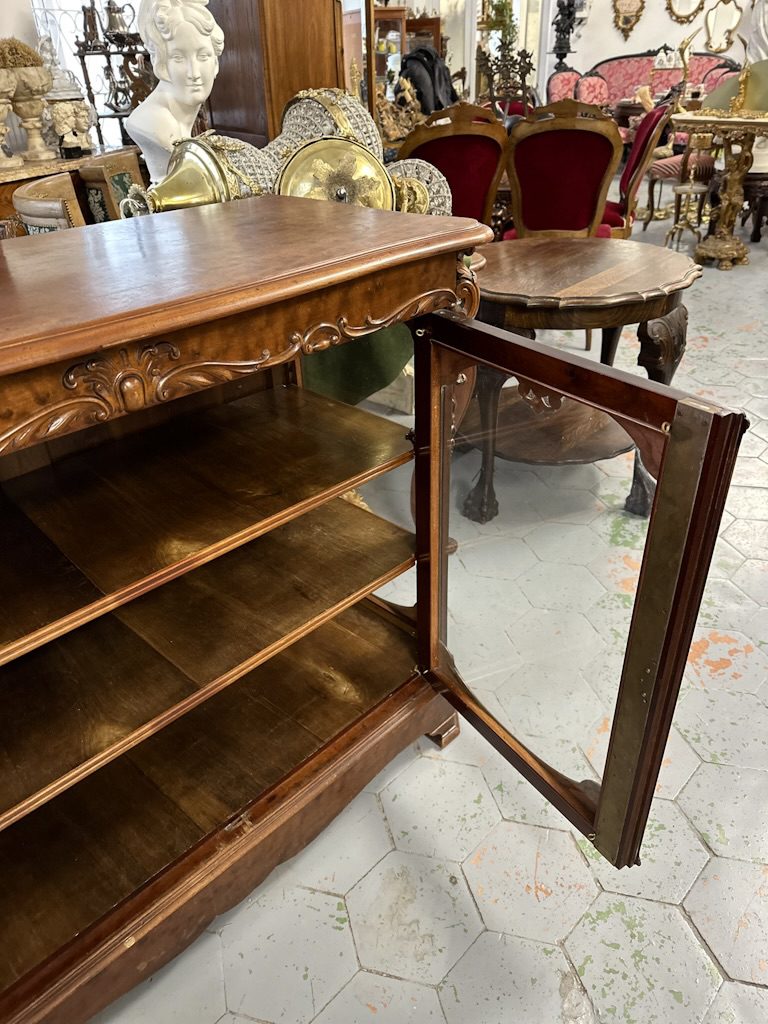
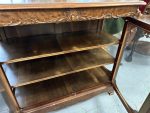
This cabinet-vitrine is an outstanding multi-functional interior element. Its wide top surface serves as the equivalent of a console table — for decorative objects, a lamp or a curated accent display — while the glazed doors with three internal shelves offer generous scope for displaying a collection. It integrates naturally into a classical, eclectic or grandeur interior as a focal piece in a dining room, library, study or entrance hall. For interior photographers and film-makers, cabinets of this kind are highly sought after as authentic period backdrops.
―――――――――――――――――――――
🎁 AS A GIFT
This cabinet-vitrine makes a representational gift of the highest order — for a connoisseur of interior design, an architect, a lawyer or a physician with refined aesthetic sensibility, or as a corporate or diplomatic gift that conveys careful taste and respect for the recipient. It is equally suited to a private living space and to a distinguished business office.
―――――――――――――――――――――
🔍 CONDITION
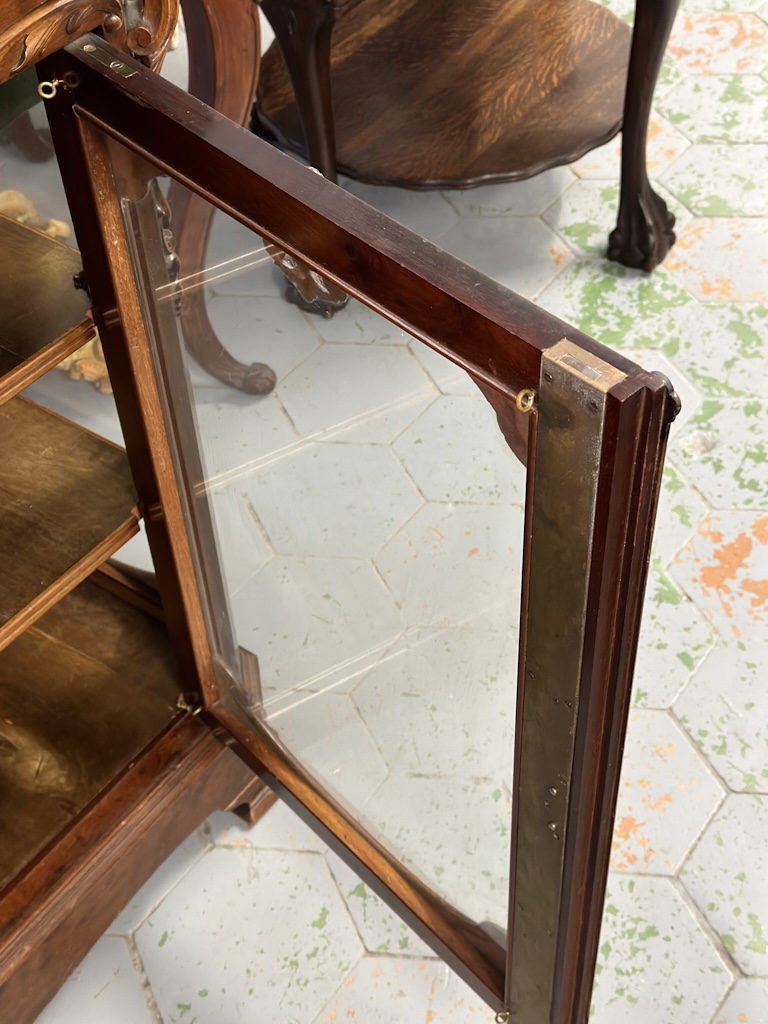
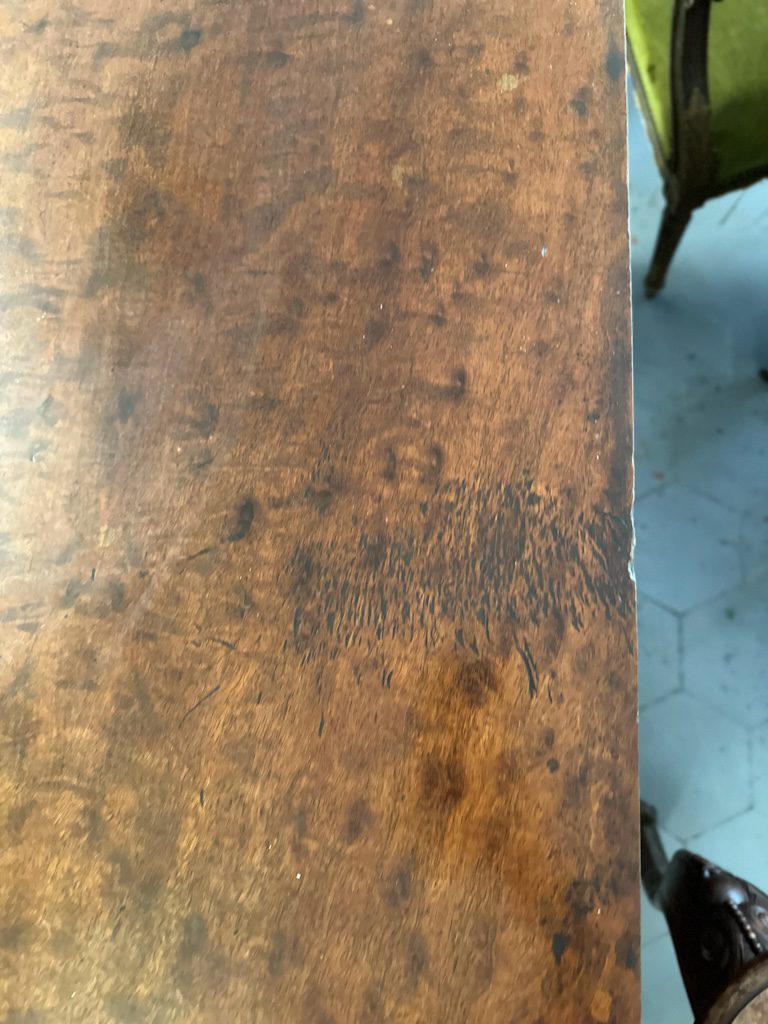
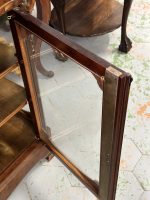
The cabinet is in good antique condition, consistent with its age. The loupe de noyer surfaces retain their characteristic swirling grain and warm patina. The carved decoration retains its plasticity and sharpness of detail. Both glazed doors are present and functional. Interior with three wooden shelves. Minor age-related wear to the top surface and corners, consistent with an authentic Belle Époque piece and confirming its genuineness. One glass panel has a hairline crack (clearly visible in the photographs). The condition of the item is fully reflected in the photographs.
―――――――――――――――――――――