Carved Oak Cabinet with Angels — Baroque / Louis XIV Style, France (Alsace or Burgundy), circa 1680–1720. ――――――――――――――――――――― 🏛️ PERIOD, ARTISTIC STYLE AND HISTORICAL CONTEXT This monumental carved oak cabinet was crafted approximately between 1680 and 1720 — the era… 6 500,00 €
You’re now subscribed to price tracking for this product. We’ll notify you if the price drops. 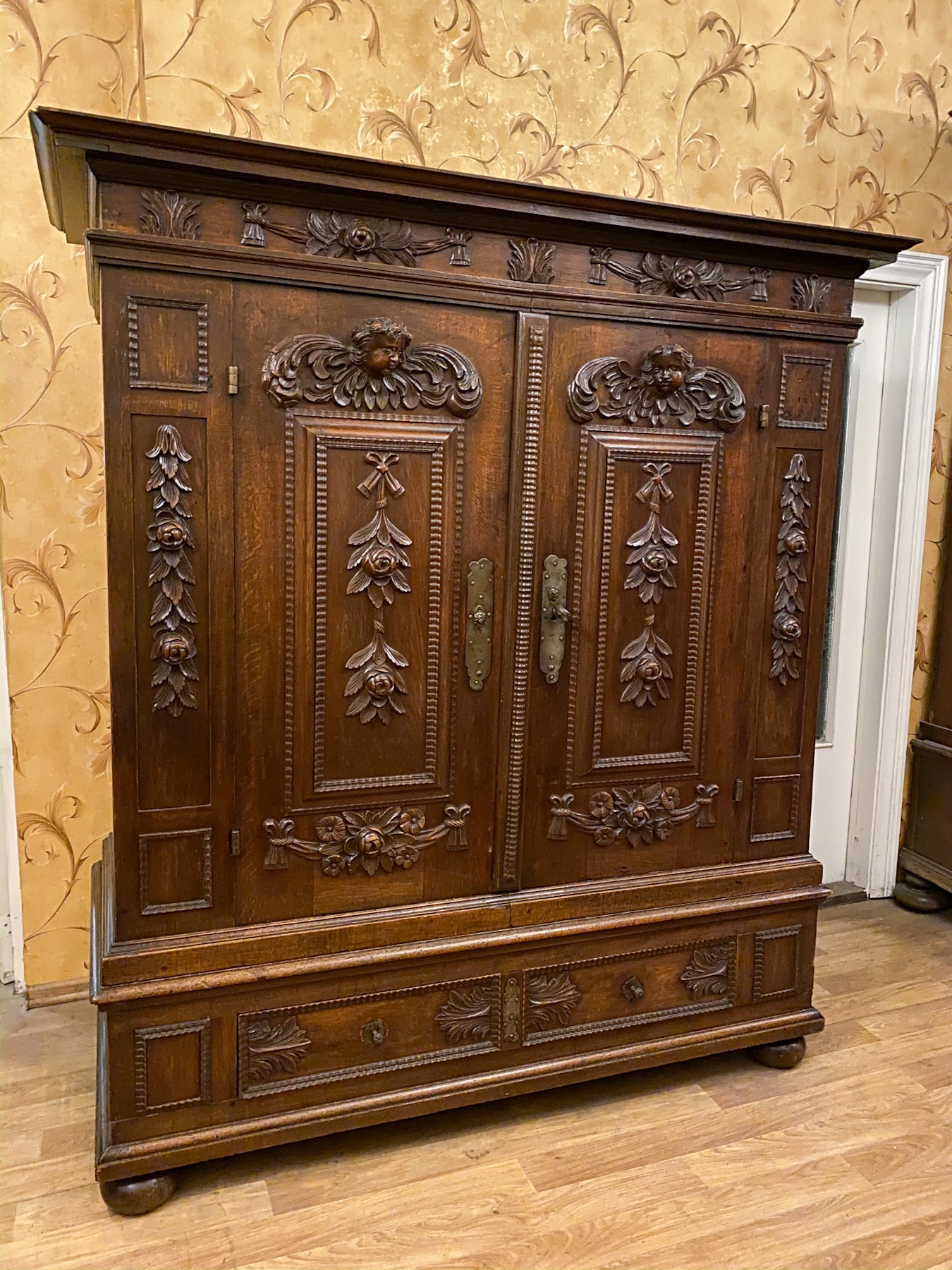
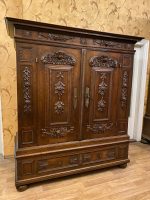
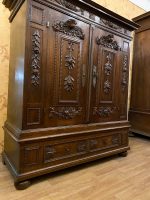

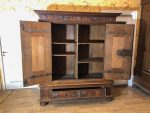
Oak carved cabinet with angels — Baroque / Louis XIV style, France (Alsace or Burgundy), circa 1680–1720
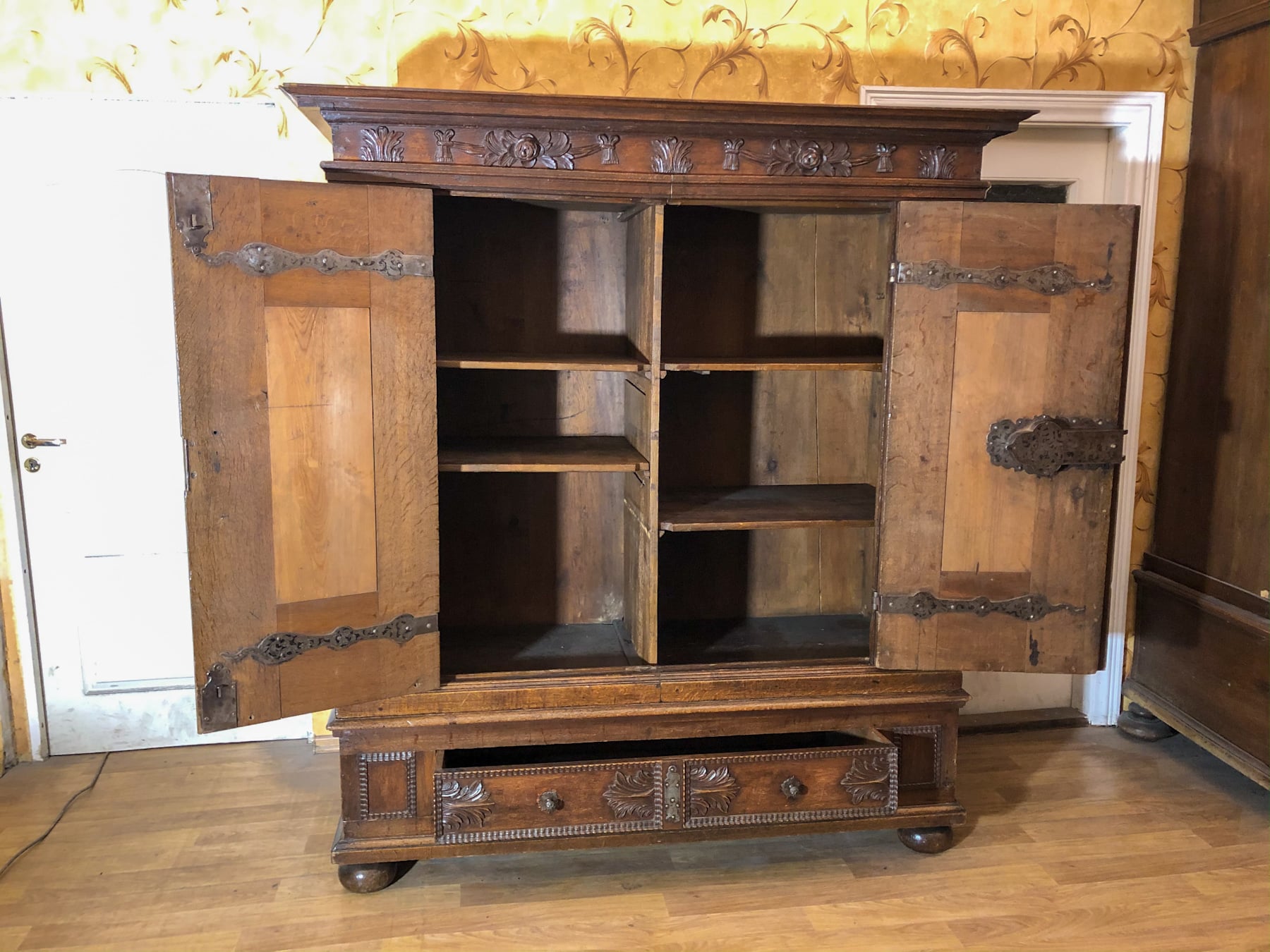
Height 191 cm Width 173 cm Color GoldDark brownLight brown


Description
Carved Oak Cabinet with Angels — Baroque / Louis XIV Style, France (Alsace or Burgundy), circa 1680–1720.
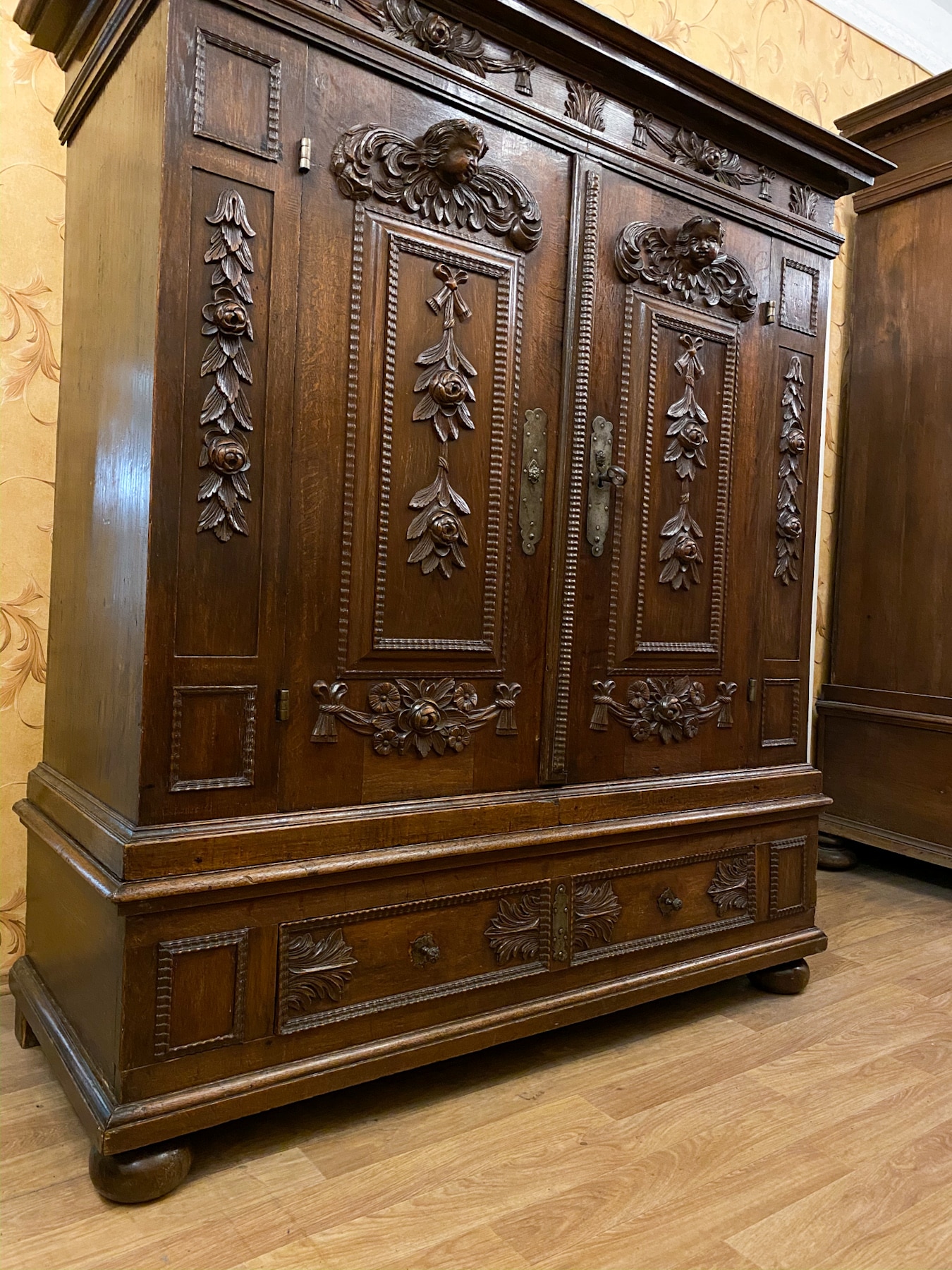
📐 Height 191 cm × Width 173 cm × Depth 71 cm
―――――――――――――――――――――
🏛️ PERIOD, ARTISTIC STYLE AND HISTORICAL CONTEXT
This monumental carved oak cabinet was crafted approximately between 1680 and 1720 — the era known in European cultural history as the Louis XIV or High Baroque period. It was a time when the court at Versailles dictated aesthetic law across the whole of Europe, and guild craftsmen in provincial cities — Strasbourg, Dijon, Colmar — competed to bring the refinement of the royal court into solid oak and iron.
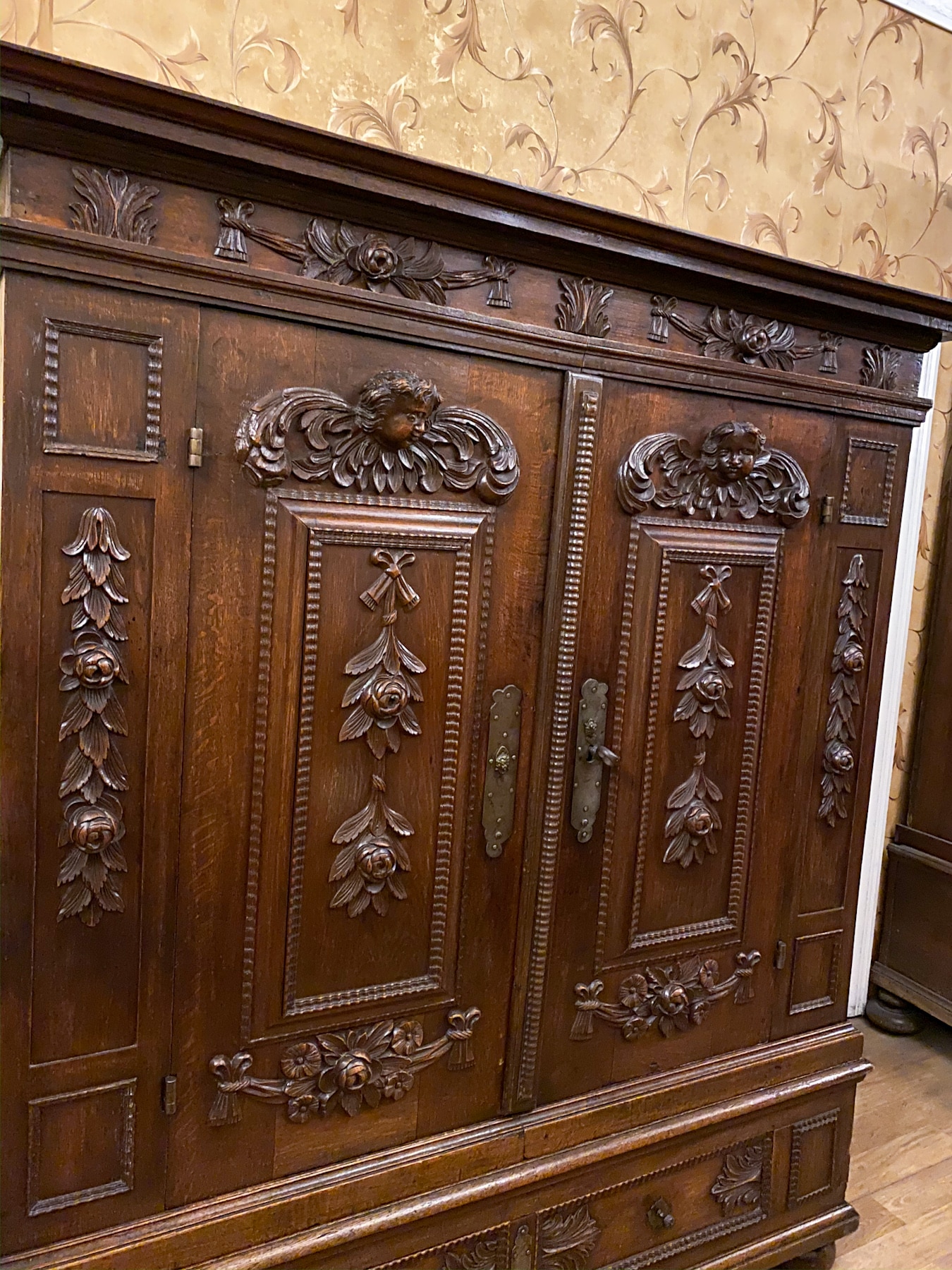
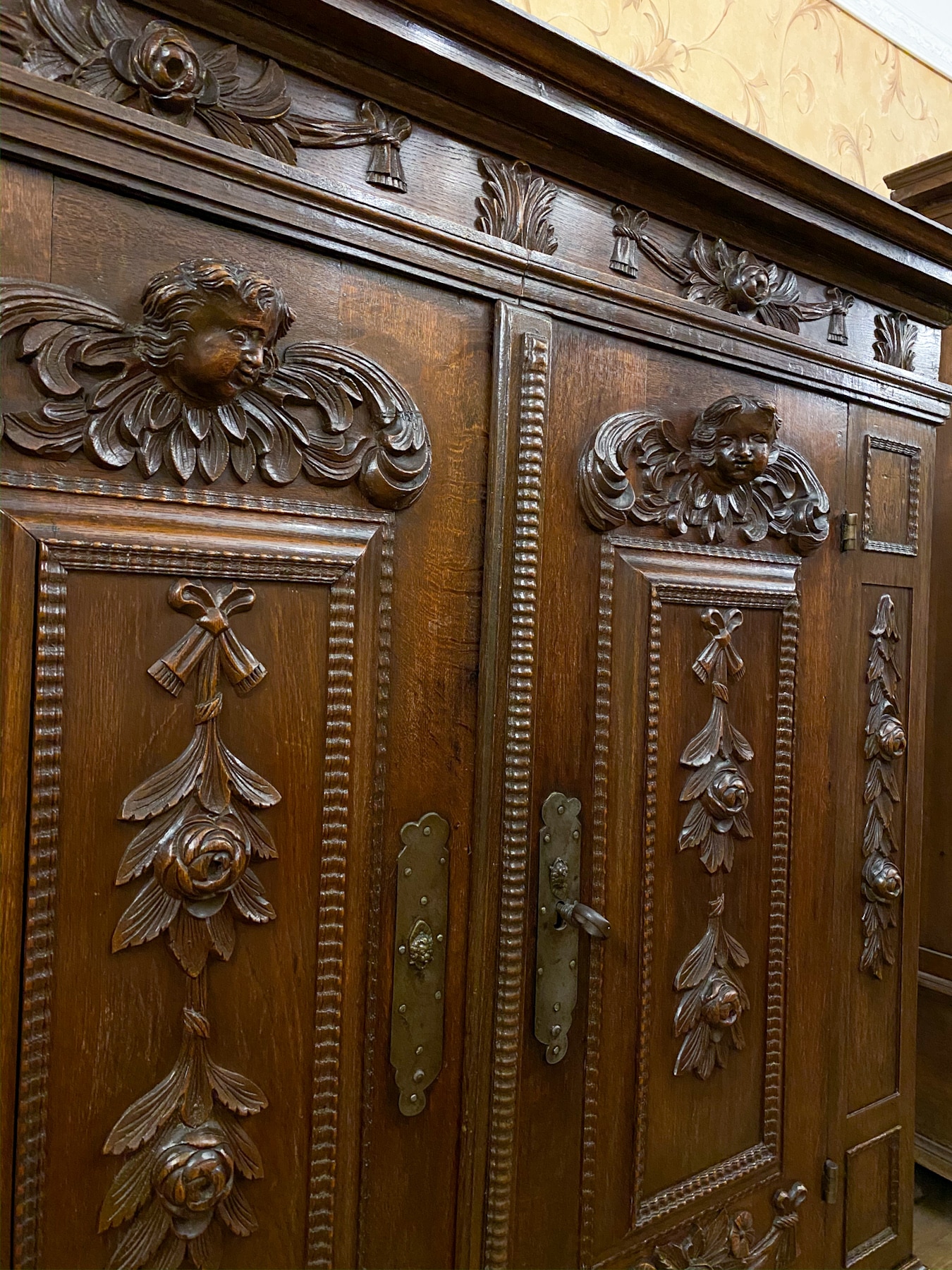
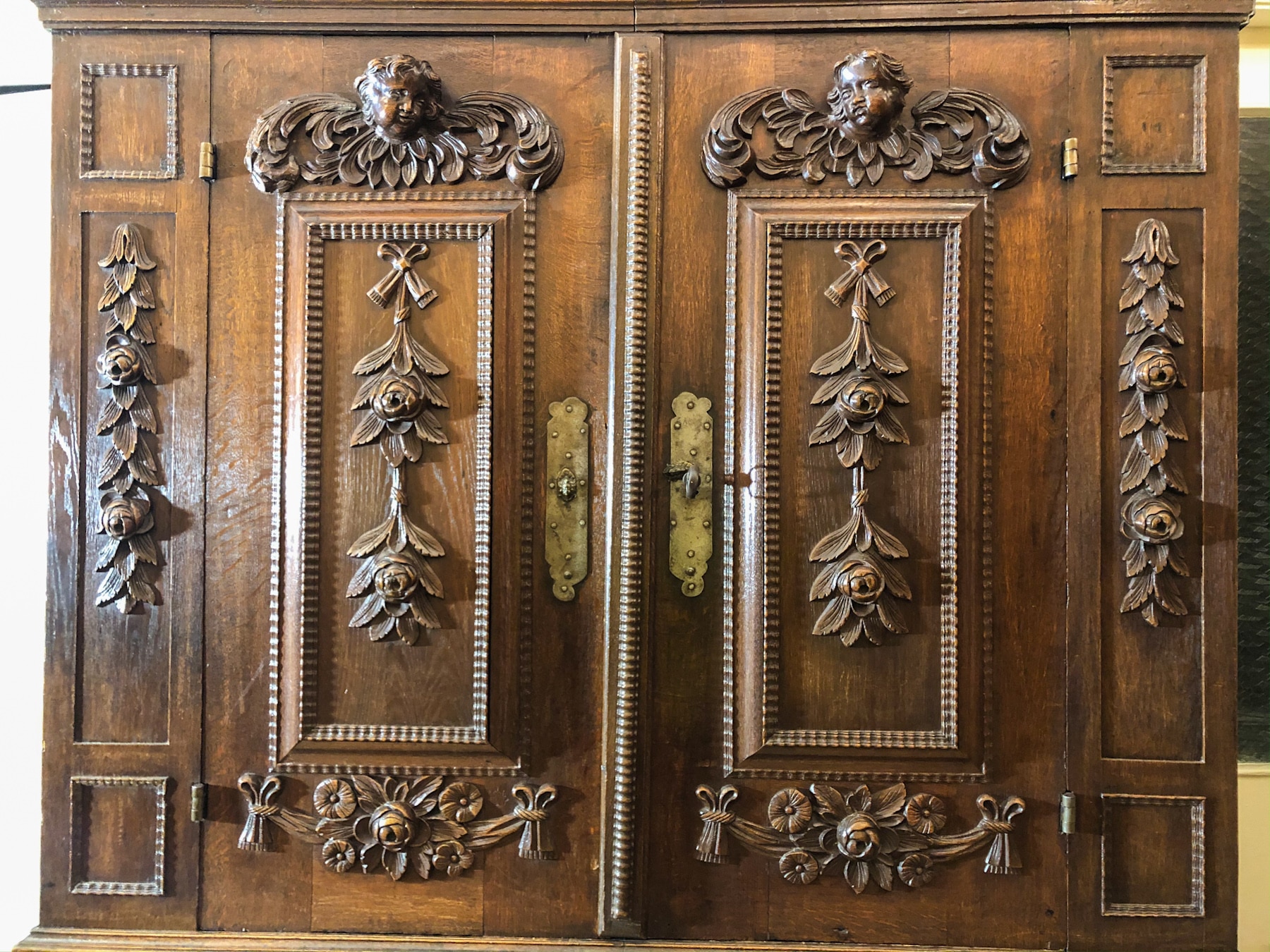
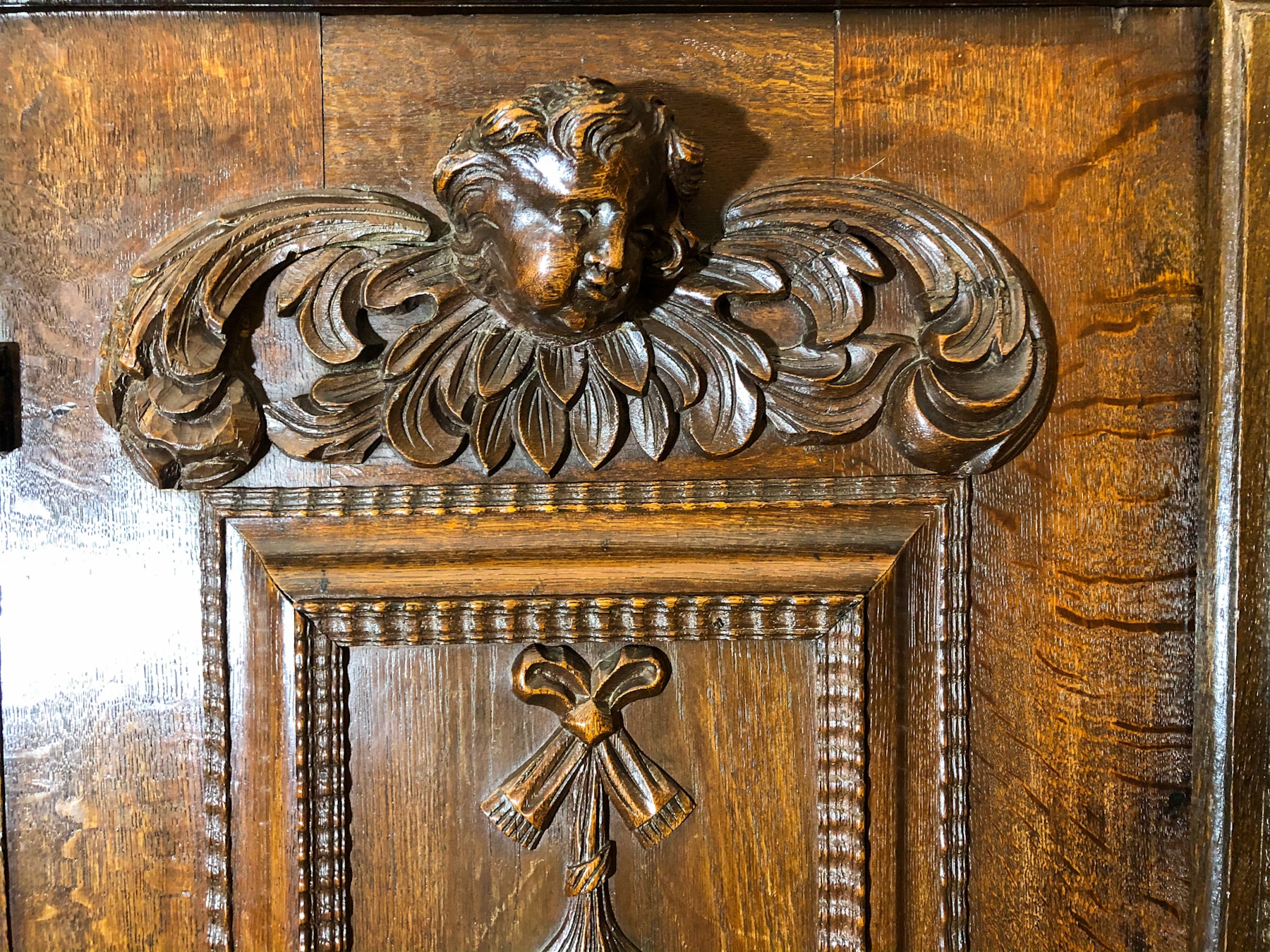
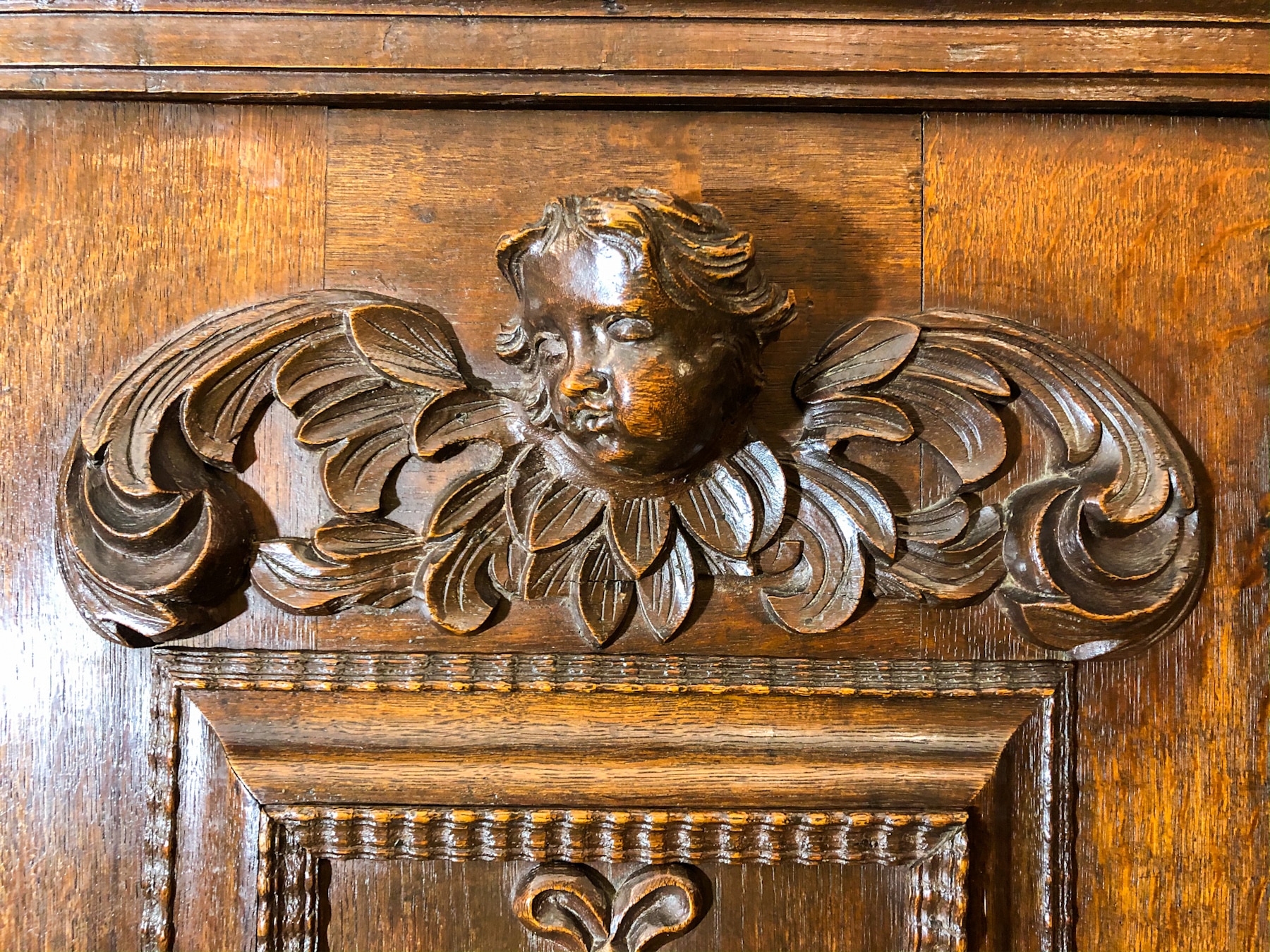
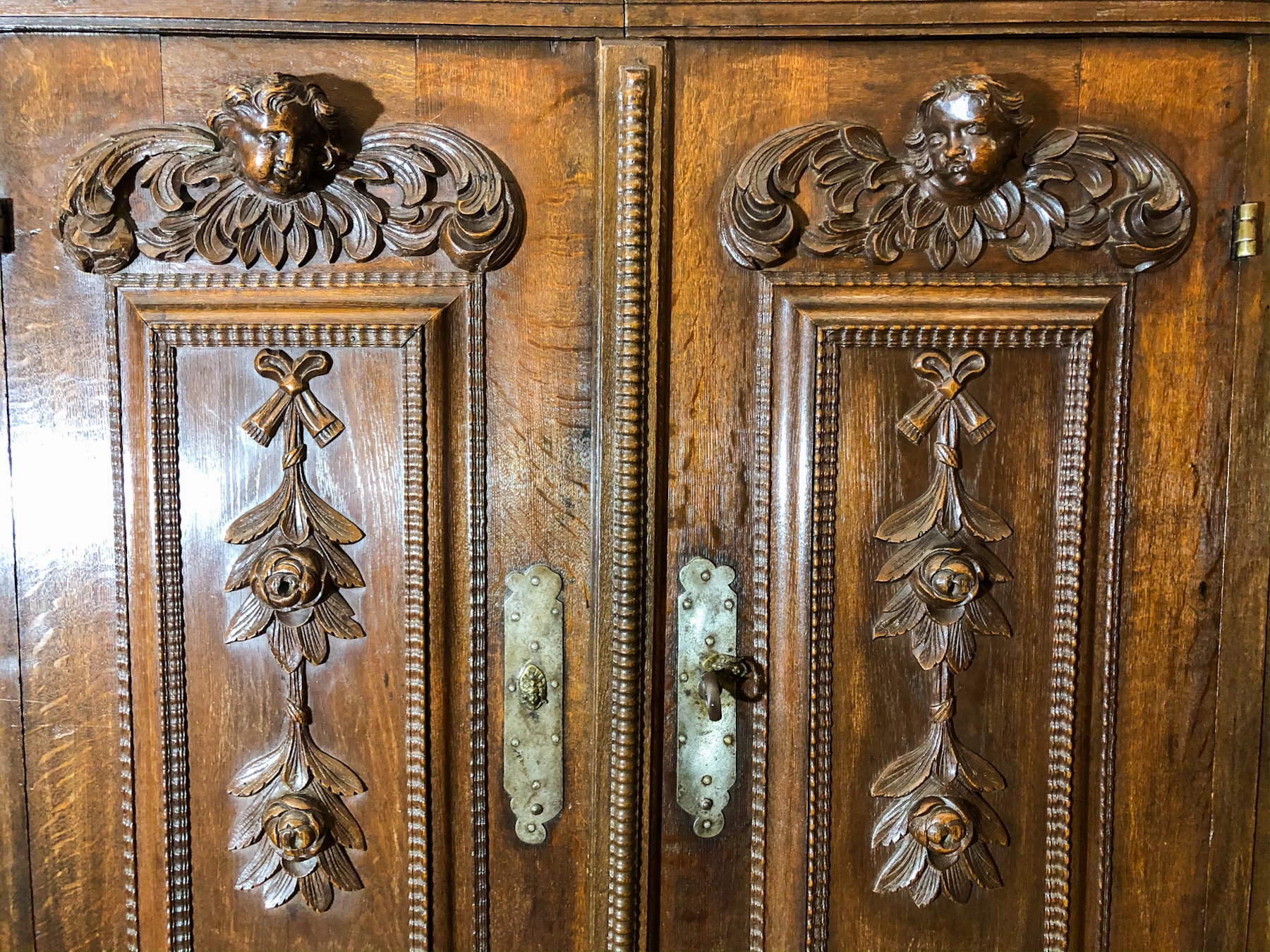
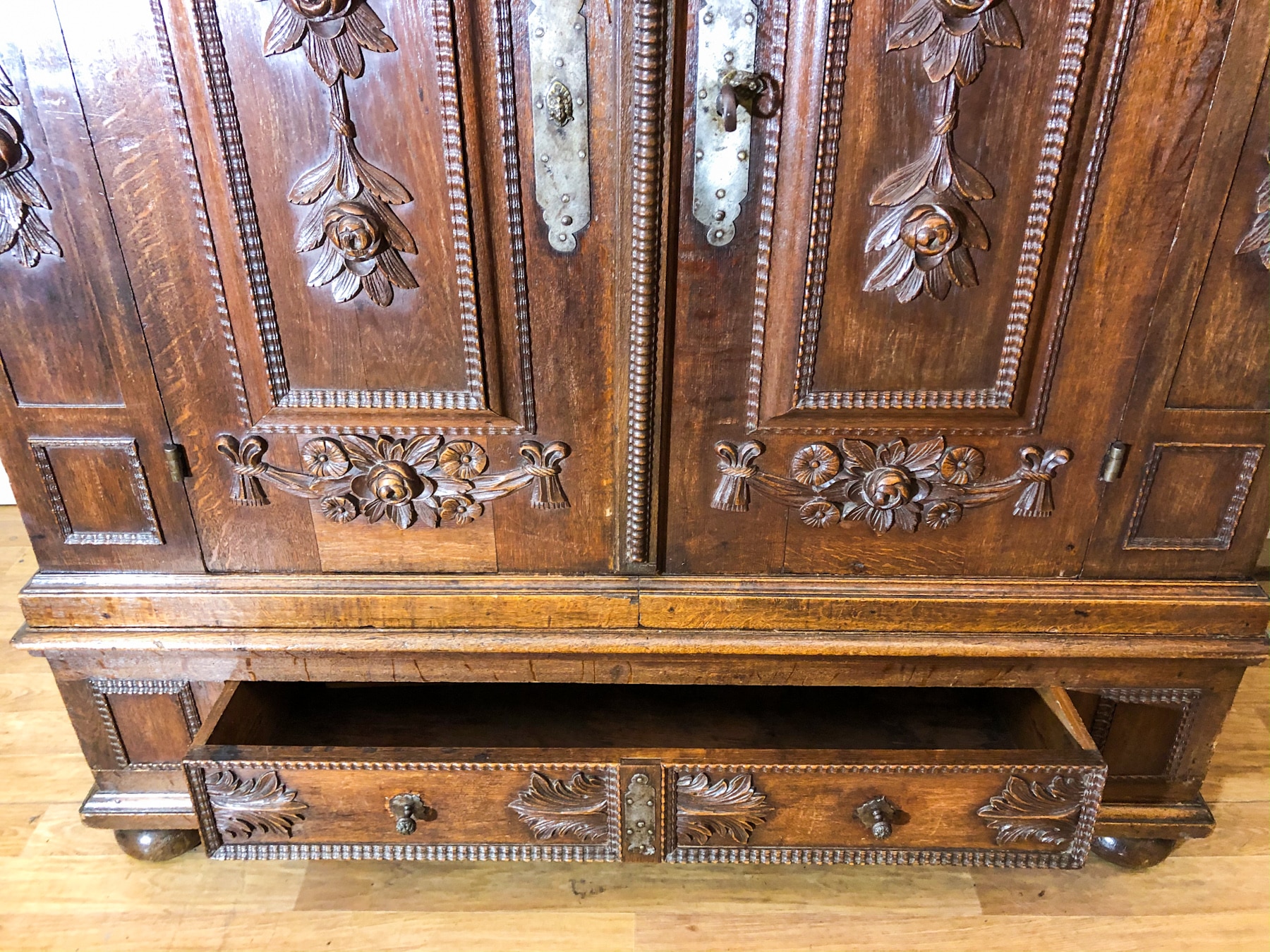
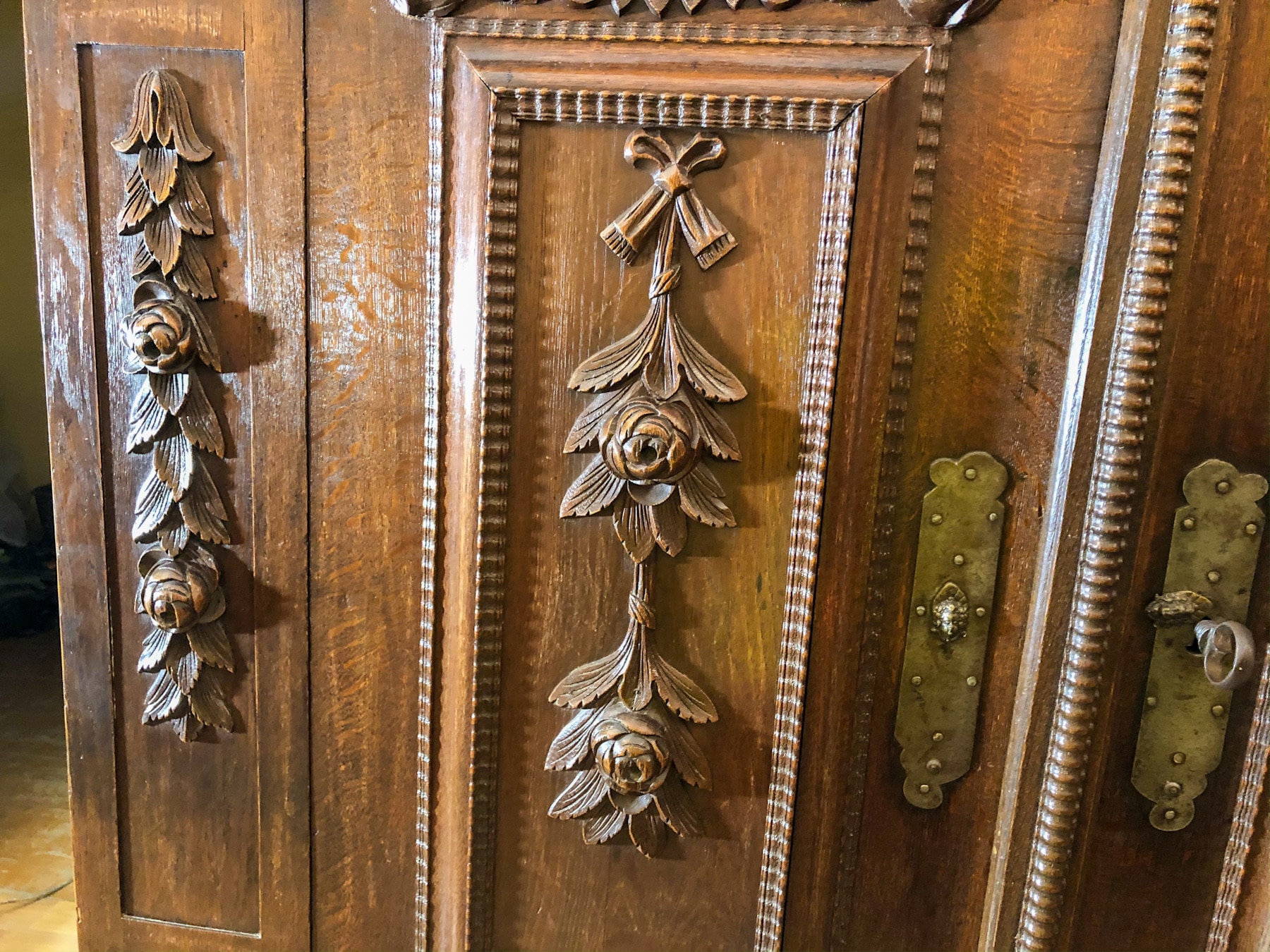
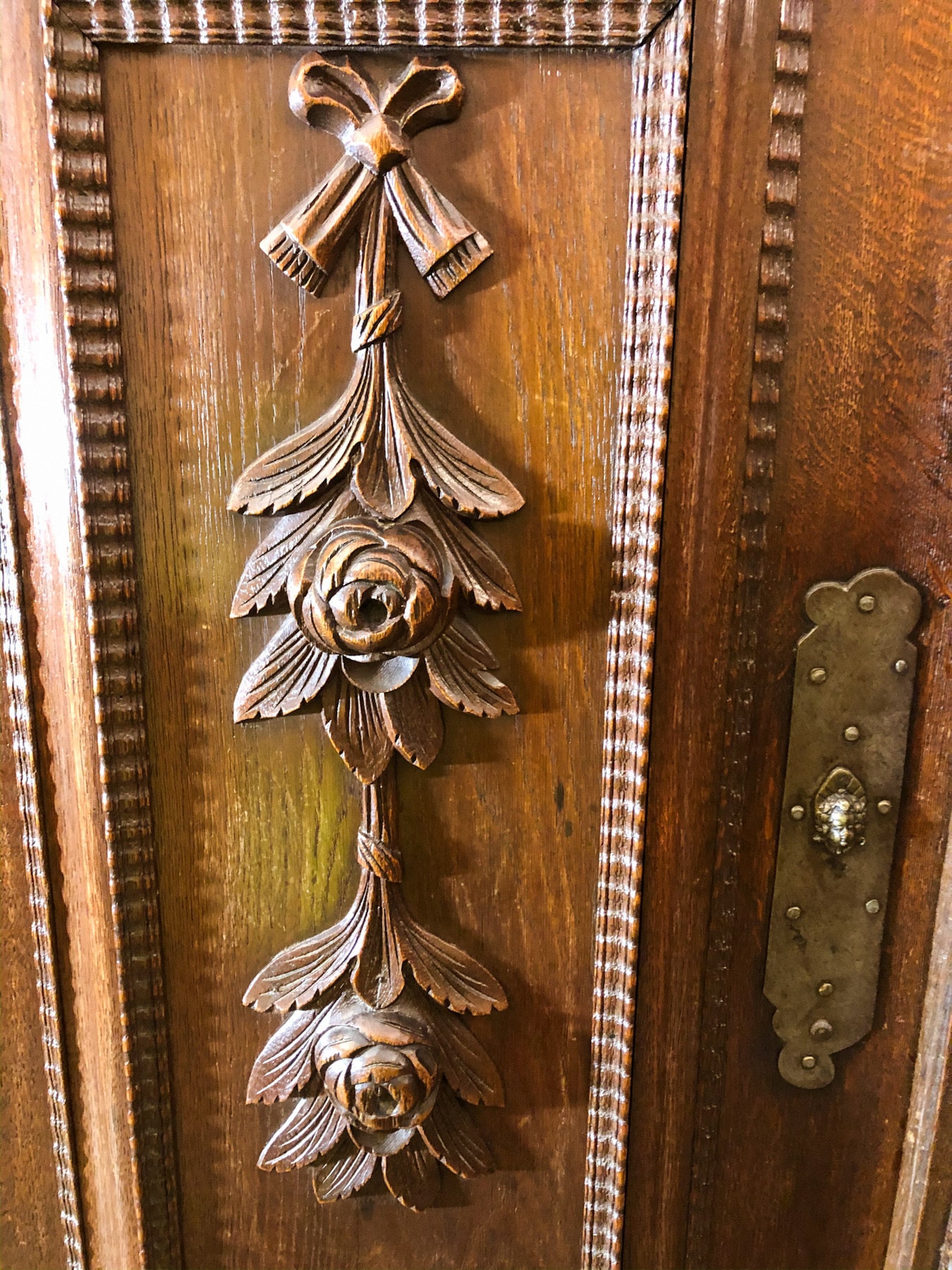
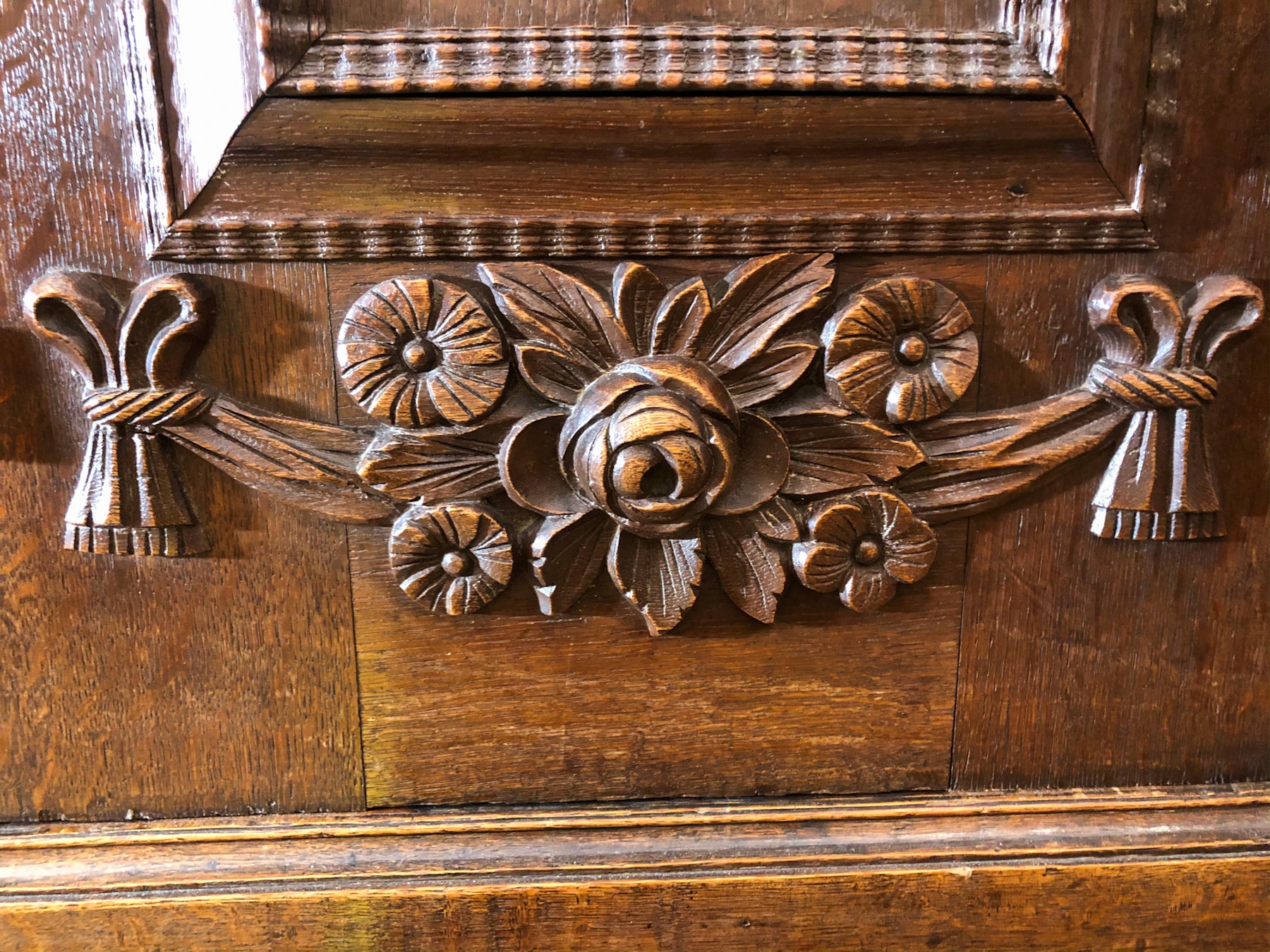
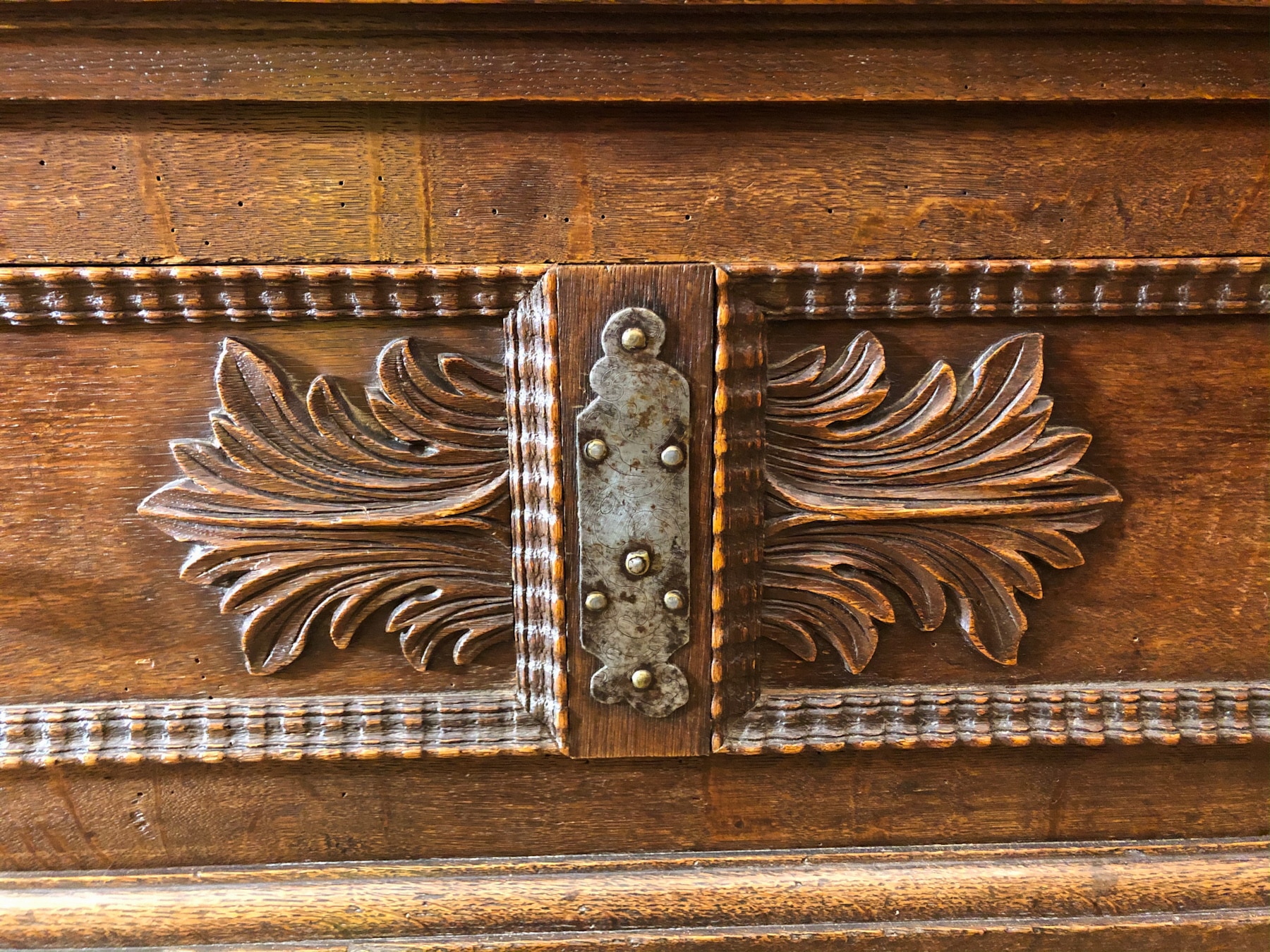
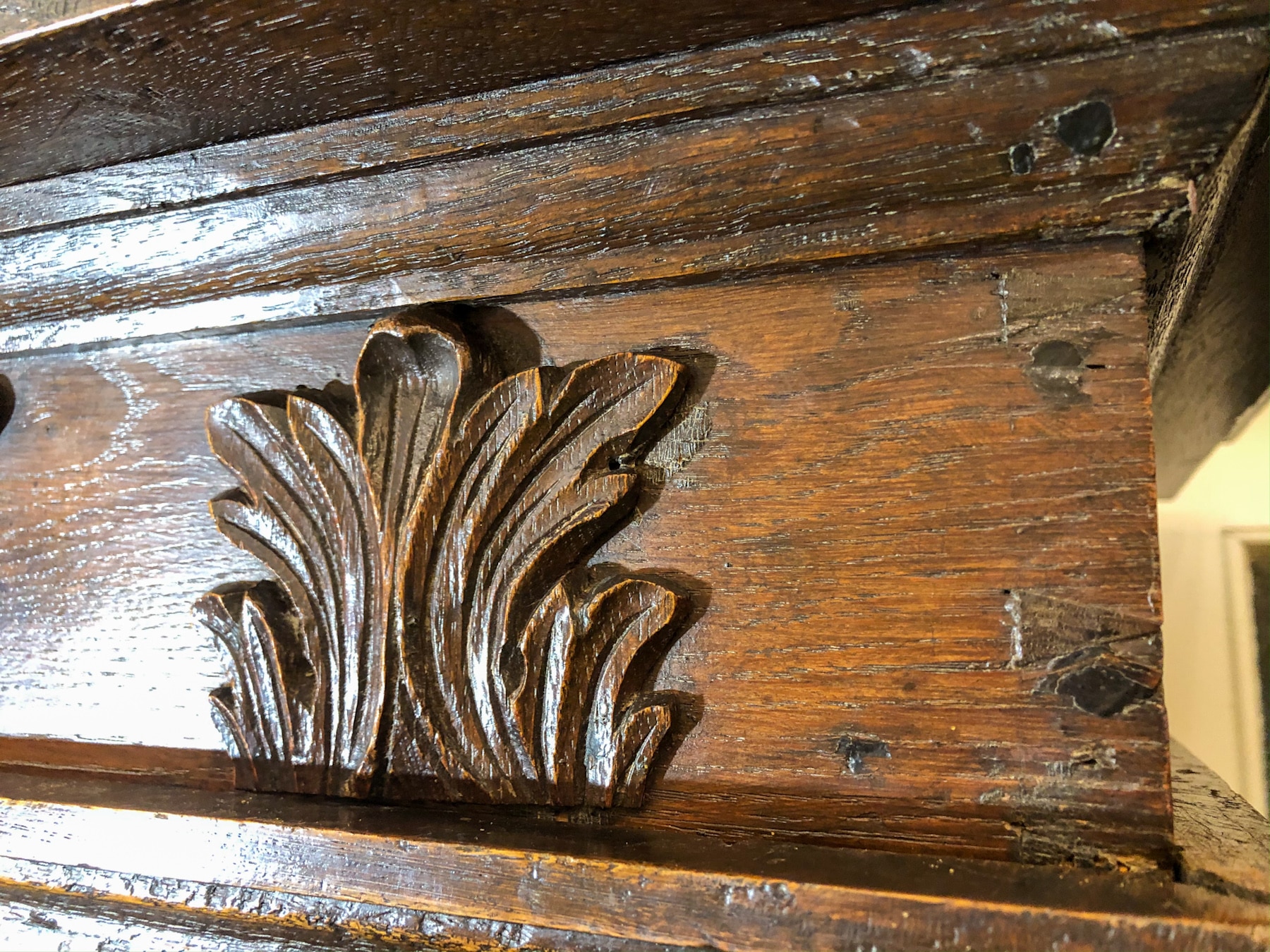
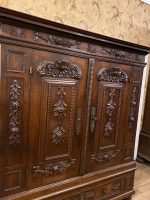
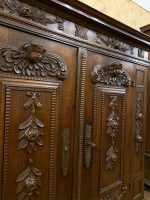
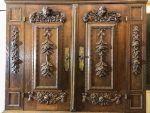
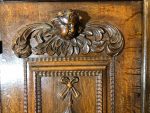
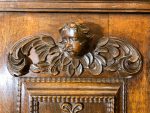
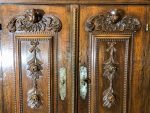
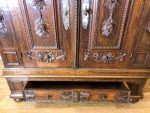
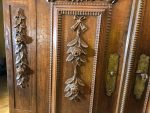
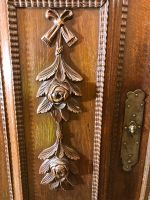
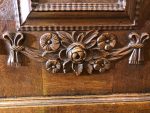
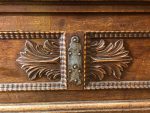
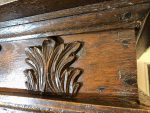
The Baroque style is expressed here with full dramatic force: deeply carved putto — cherubic angel faces — above both doors, generous acanthus leaf scrolls, rose garlands tied with ribbons and tasselled cords, and finely profiled mouldings throughout. At the centre of the entire decorative programme stand two putto heads — Baroque symbols of Divine Providence and domestic blessing, placed in the most precious furnishings of the age.
This era in France was also one in which the legendary fête of 1661 at Vaux-le-Vicomte — the grandiose residence of finance minister Nicolas Fouquet — remained vivid in living memory. The Baroque splendour of that evening so dazzled and enraged Louis XIV that he ordered Fouquet’s arrest, carried out in person by the royal musketeer Charles de Batz — the historical prototype of d’Artagnan. A cabinet born in the immediate aftermath of these events carries within it the very spirit of that age — the same monumental Baroque vocabulary, the same guild mastery that served the highest levels of society.
―――――――――――――――――――――
⚜️ MAKER AND CRAFT TRADITION
No individual maker’s mark is visible on the cabinet, yet the entire execution — the depth and plasticity of the carvings, the quality of the metal hardware — points unmistakably to the work of a provincial guild master at the highest level of qualification. In the late 17th and early 18th centuries, cabinetmakers operated within strictly regulated guilds (corporations des menuisiers-ébénistes), where the rank of master was achieved only after years of apprenticeship and examination — including the presentation of a chef-d’œuvre before the guild council.
Of particular significance is this cabinet’s stylistic kinship with the Château d’Anet tradition — the residence of Diane de Poitiers, designed circa 1550 by the architect Philibert de l’Orme. The twin brother of this cabinet — virtually identical in construction and decorative programme — stands today in the main vestibule of Château d’Anet as one of the château’s most representative furnishing pieces. The château’s custodians searched for more than twenty years for precisely such a piece — a fact that unambiguously confirms the extreme rarity and collector value of cabinets of this type.
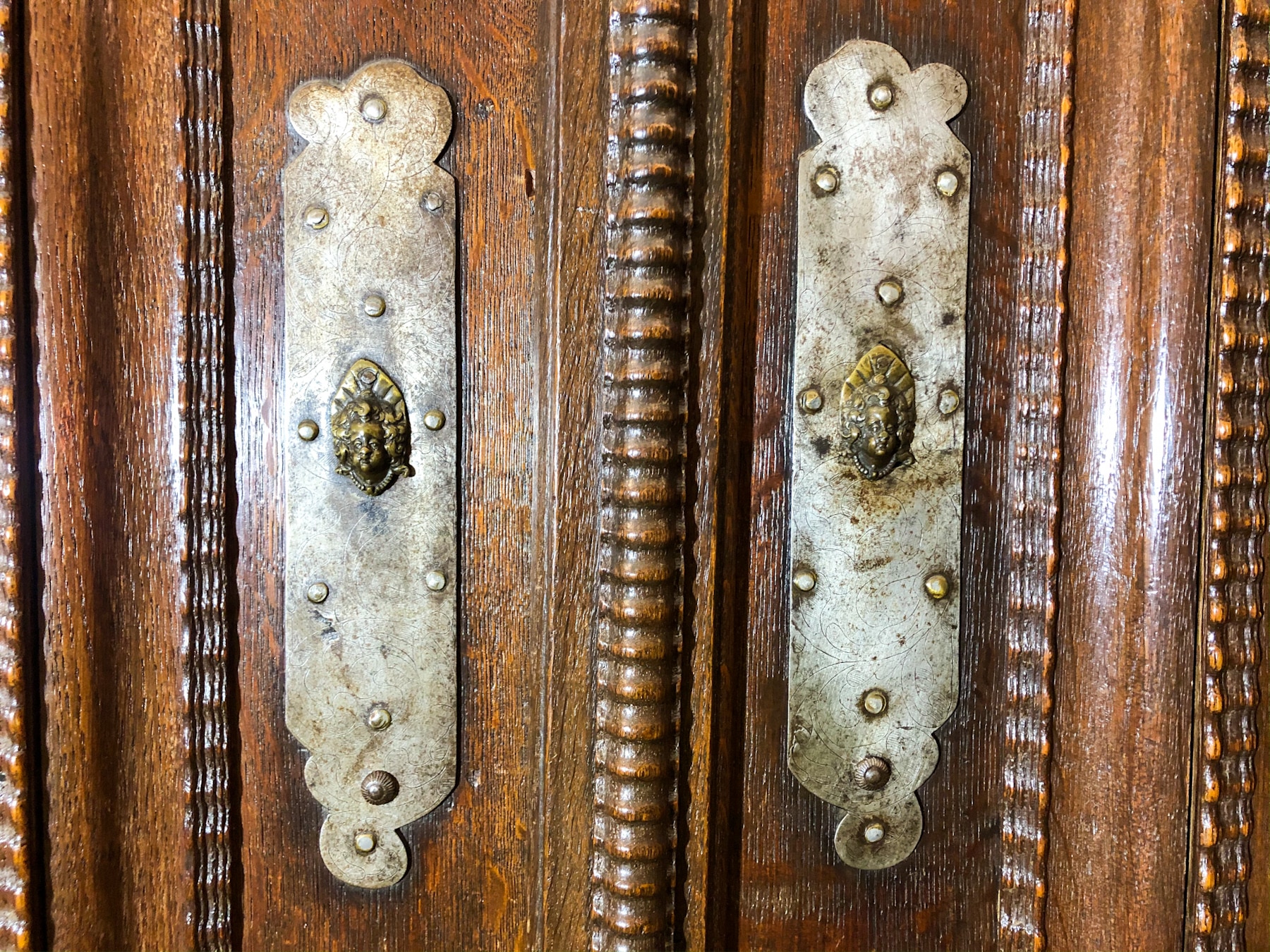
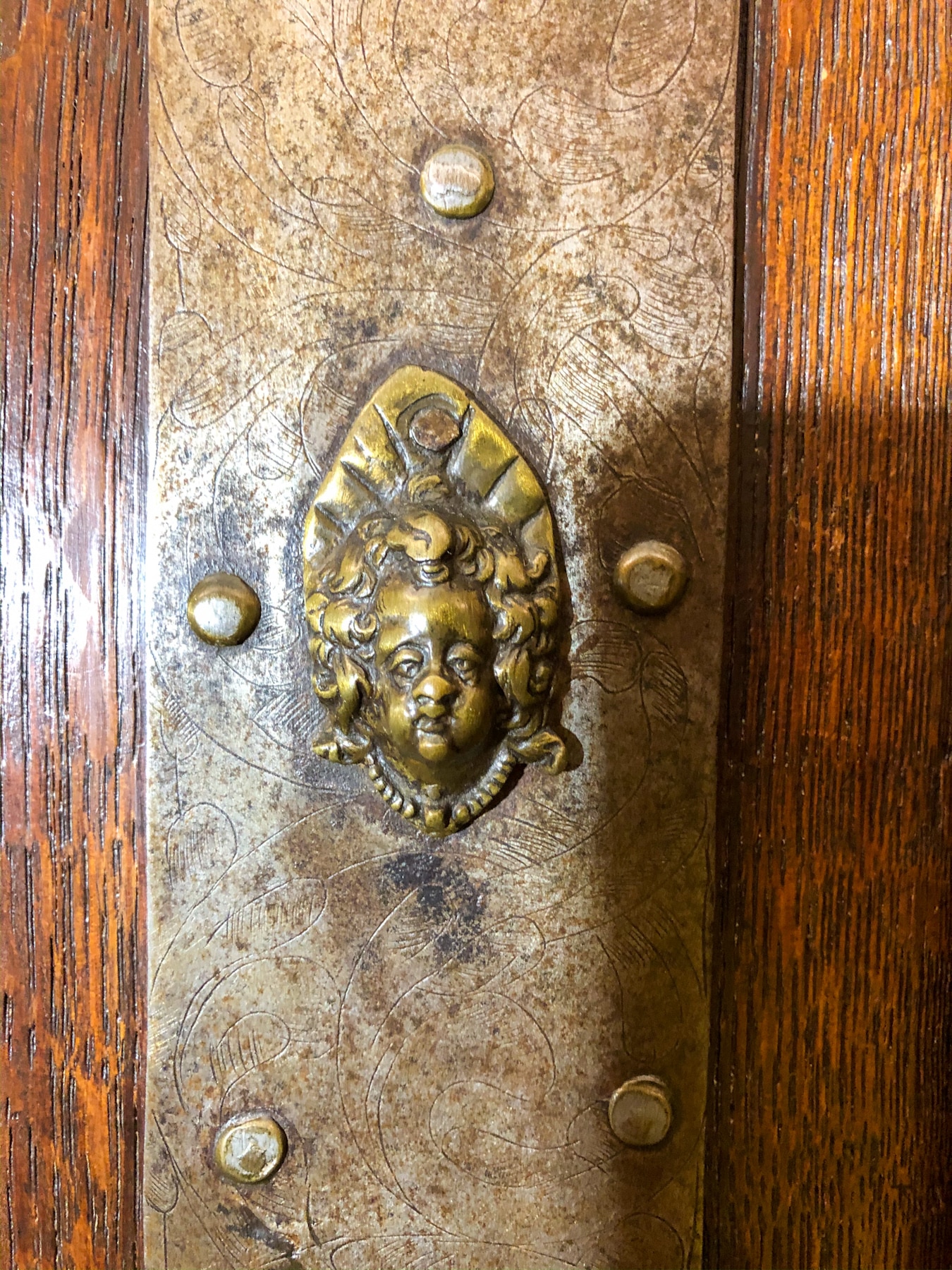
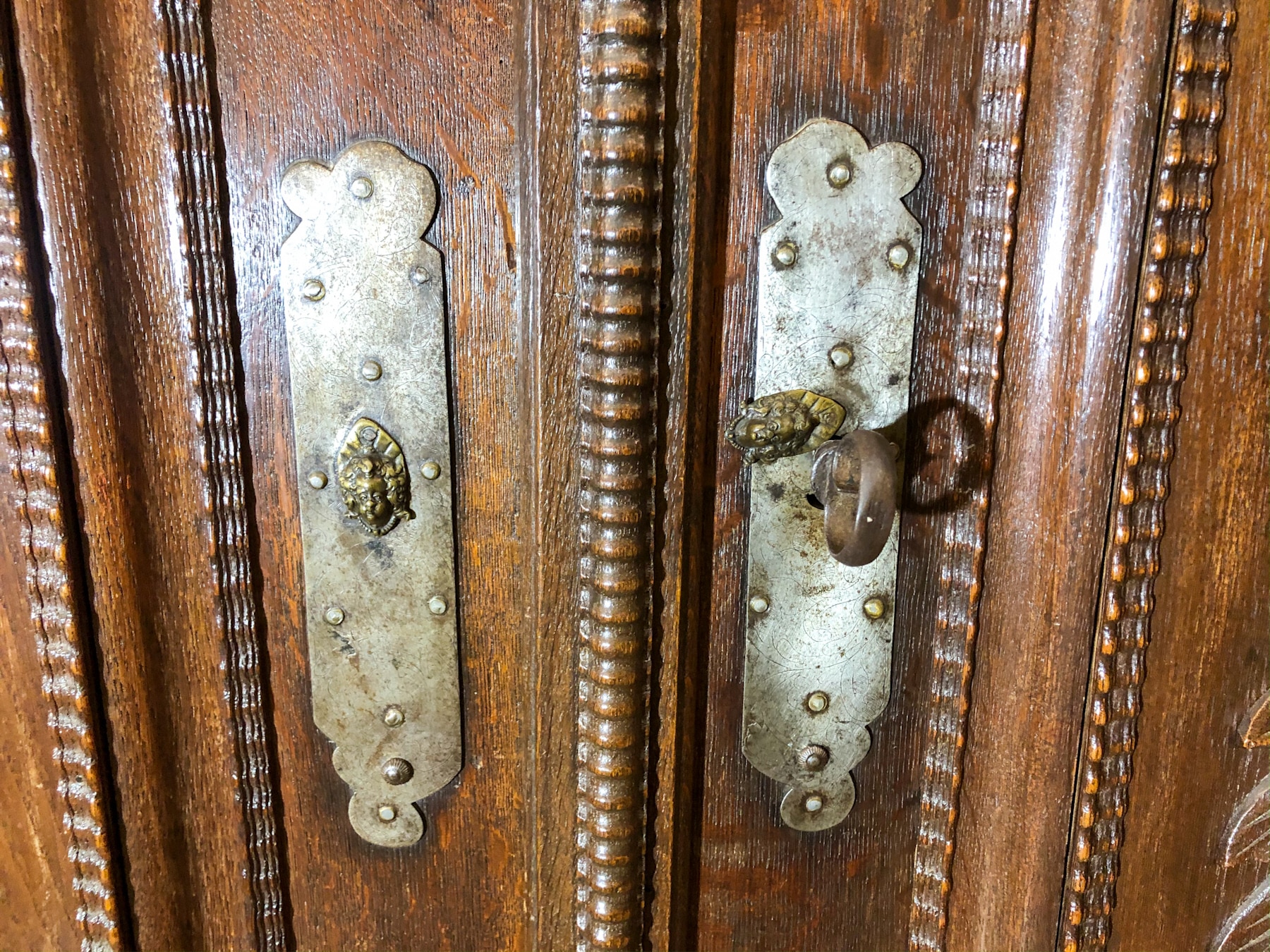
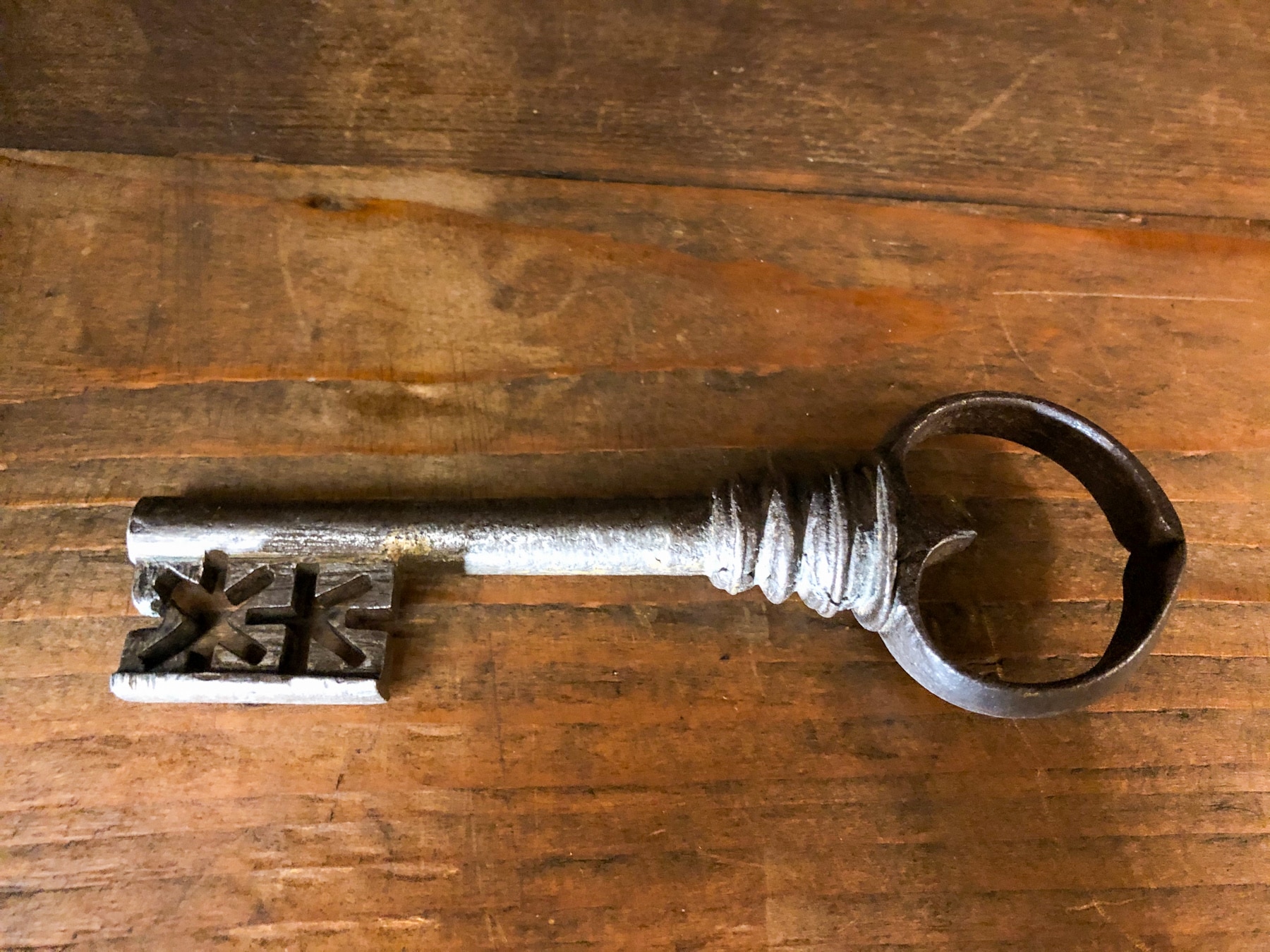
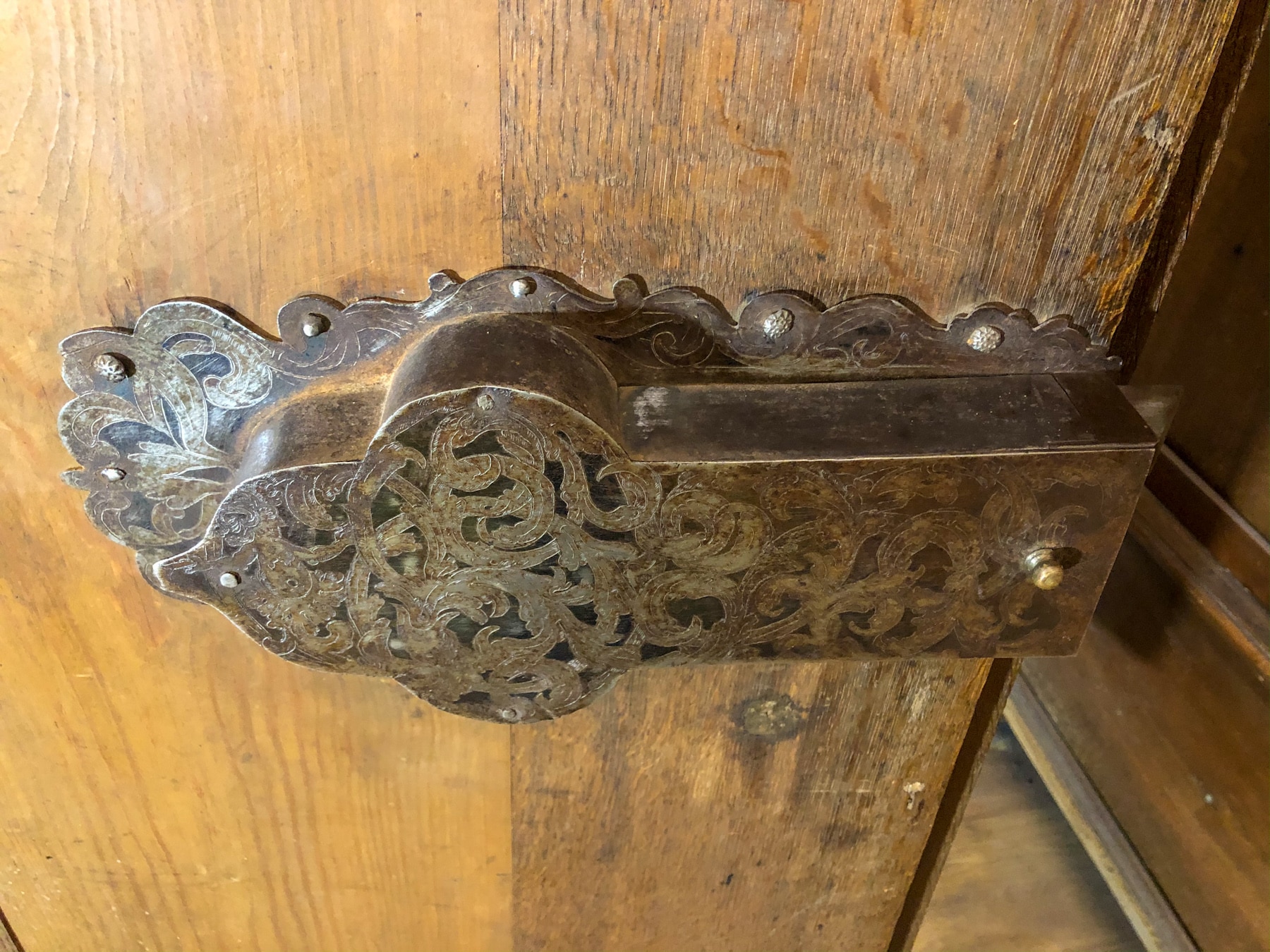
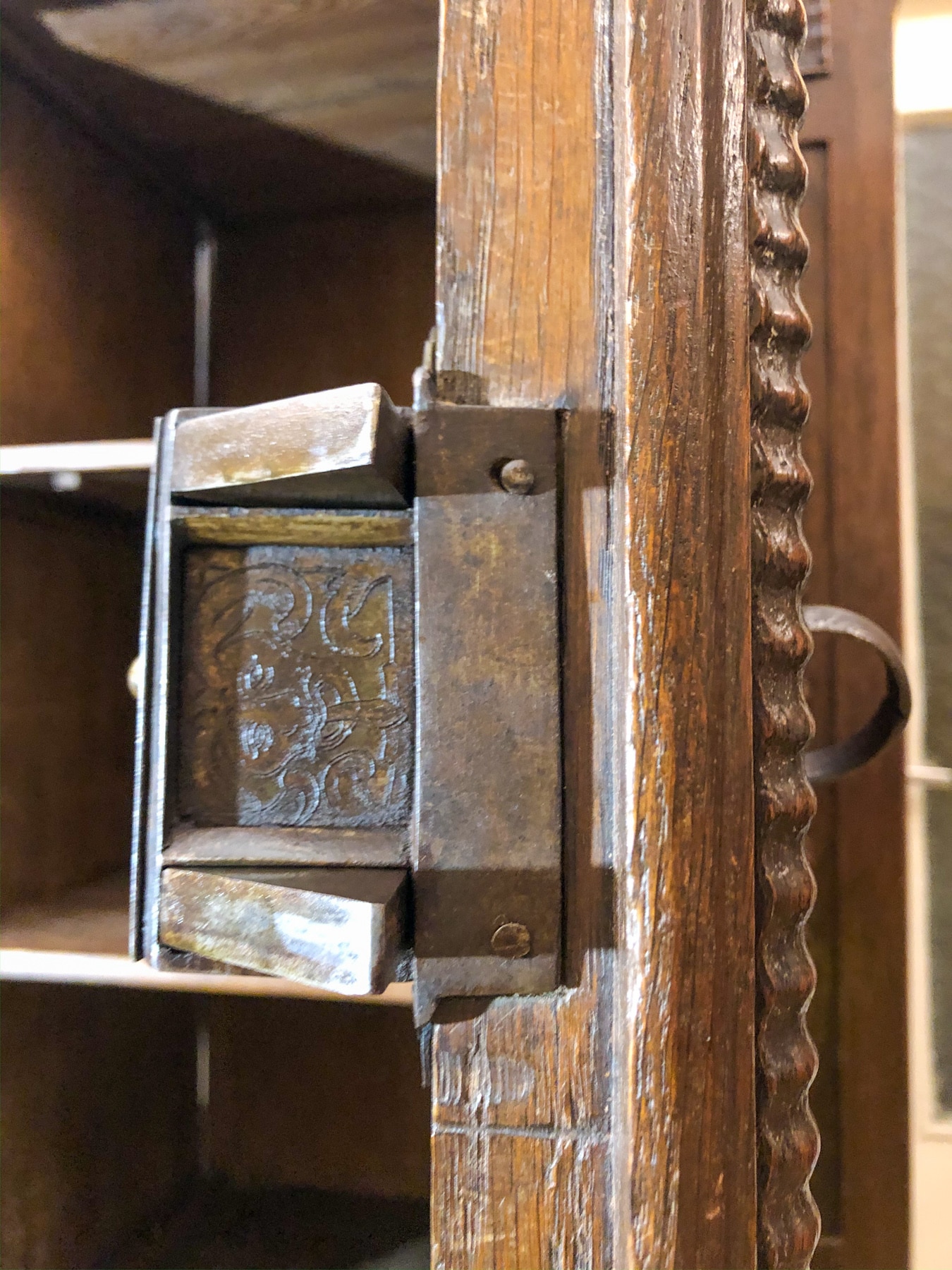
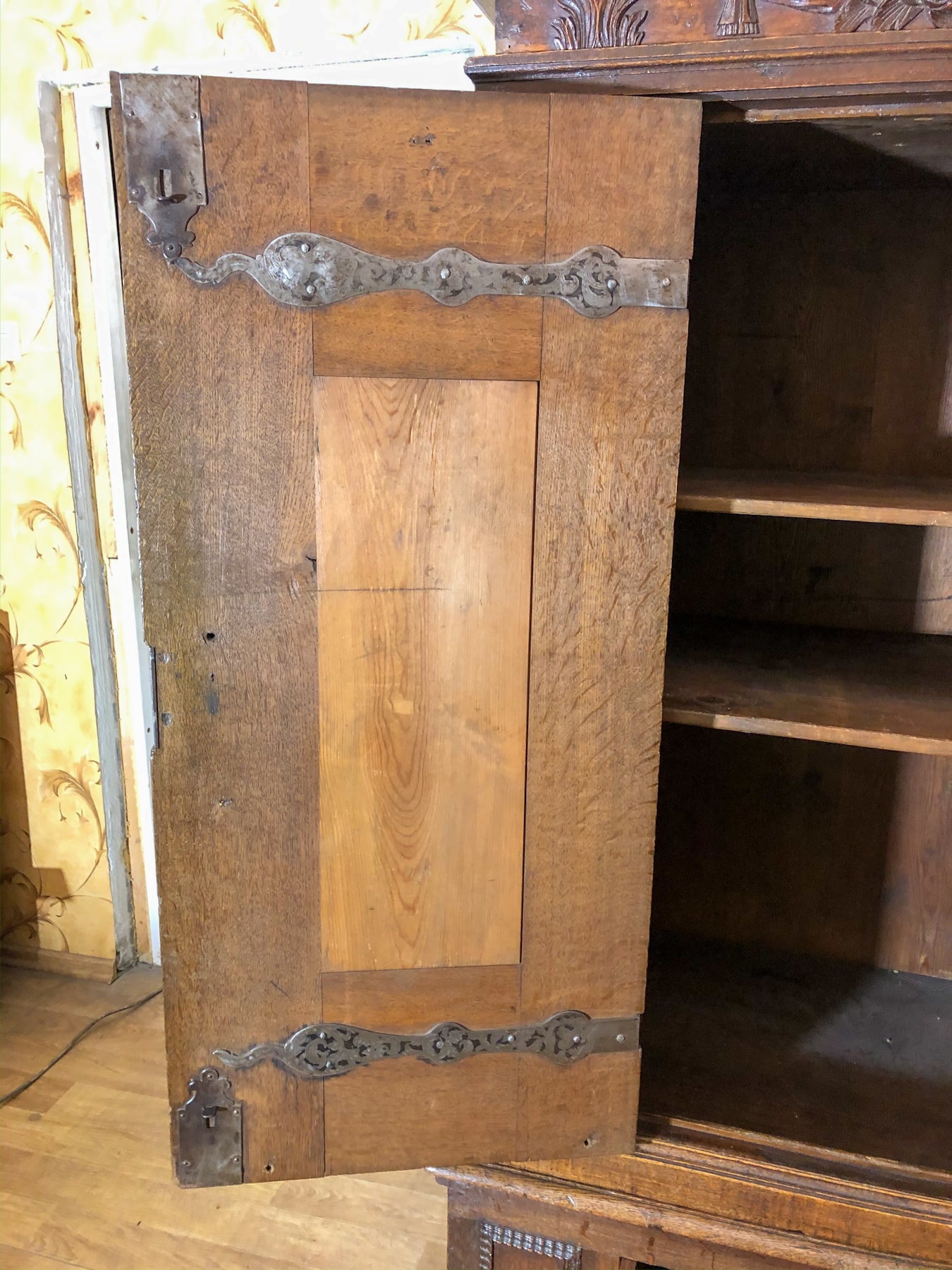
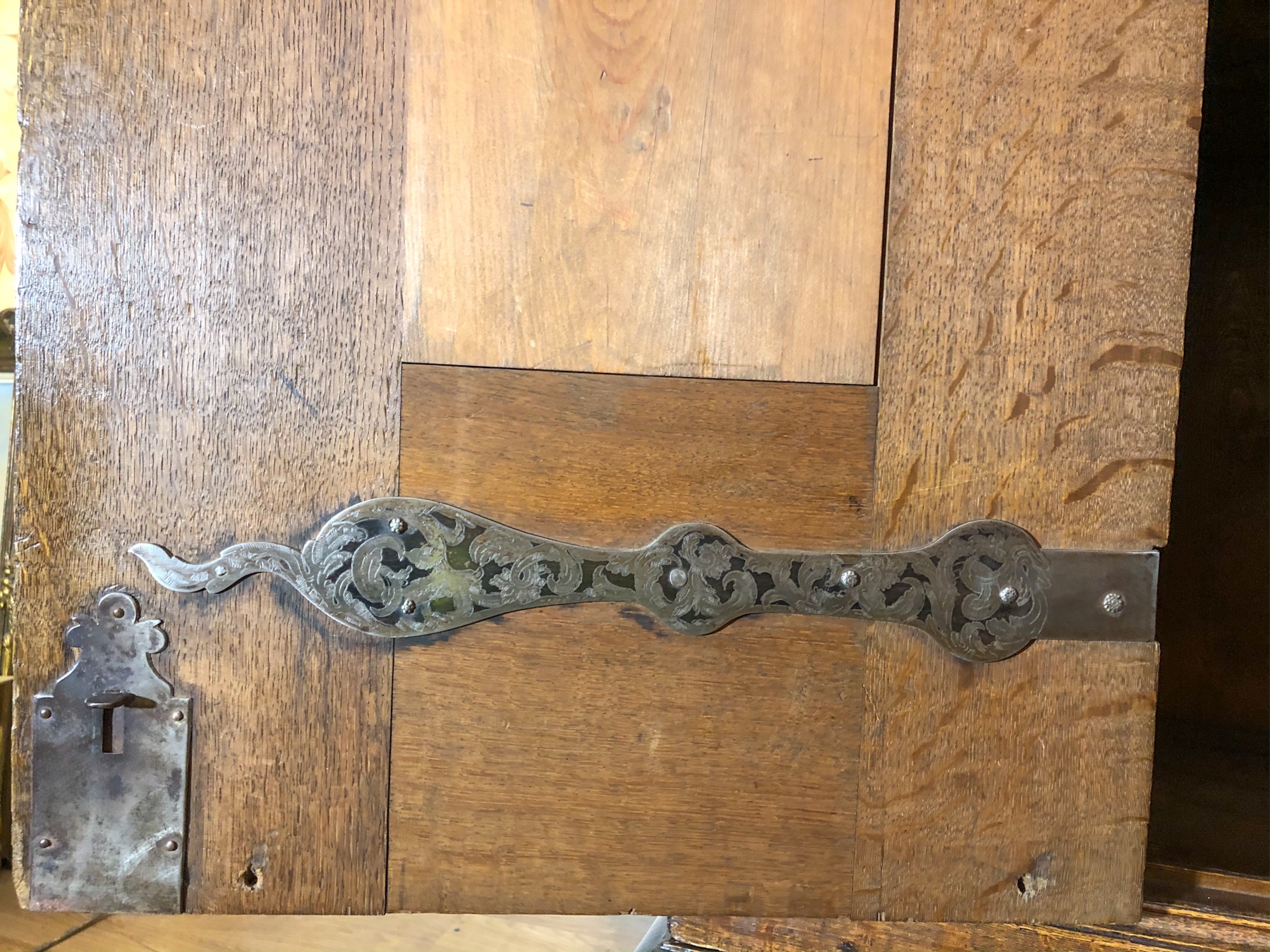
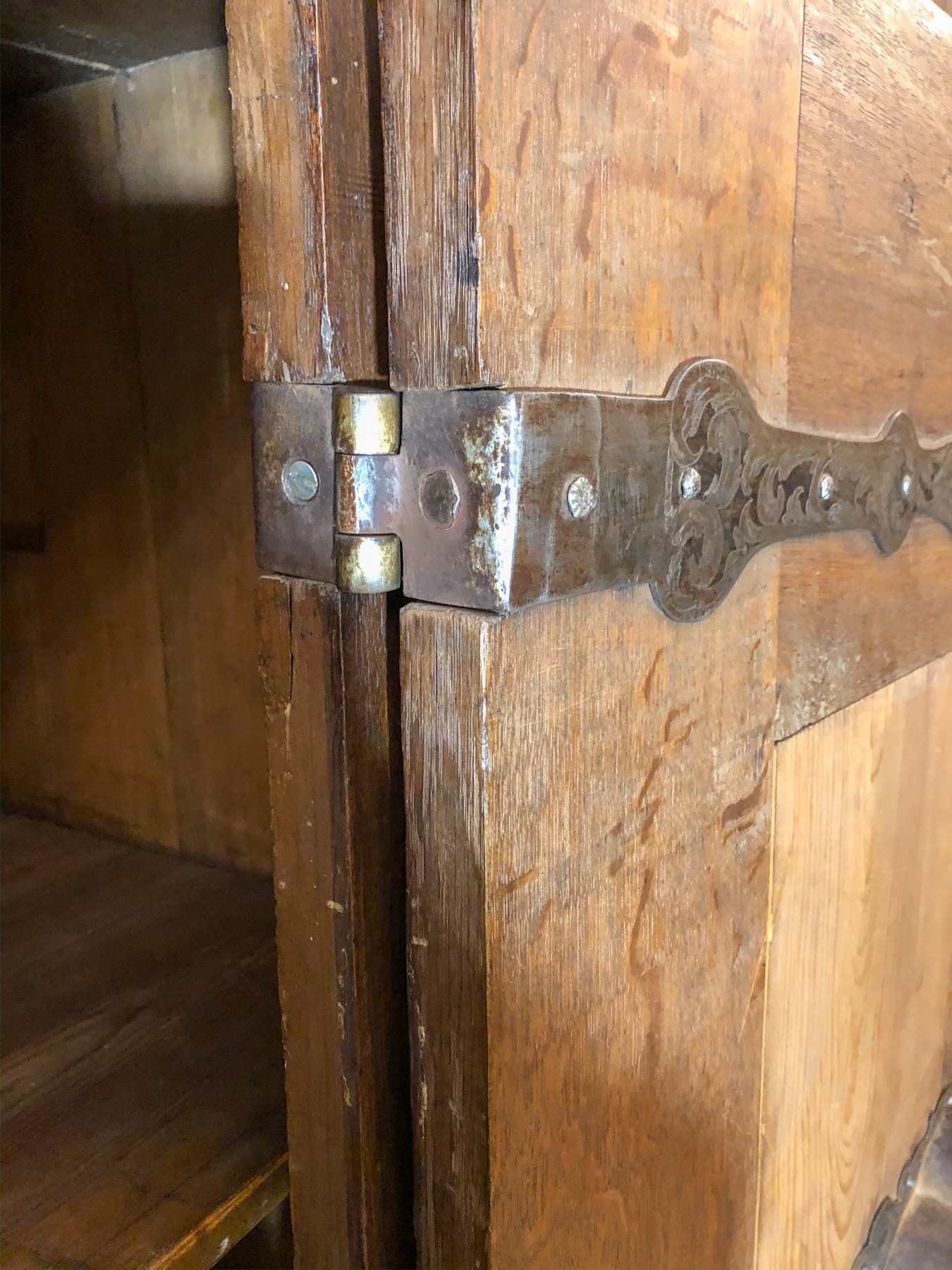
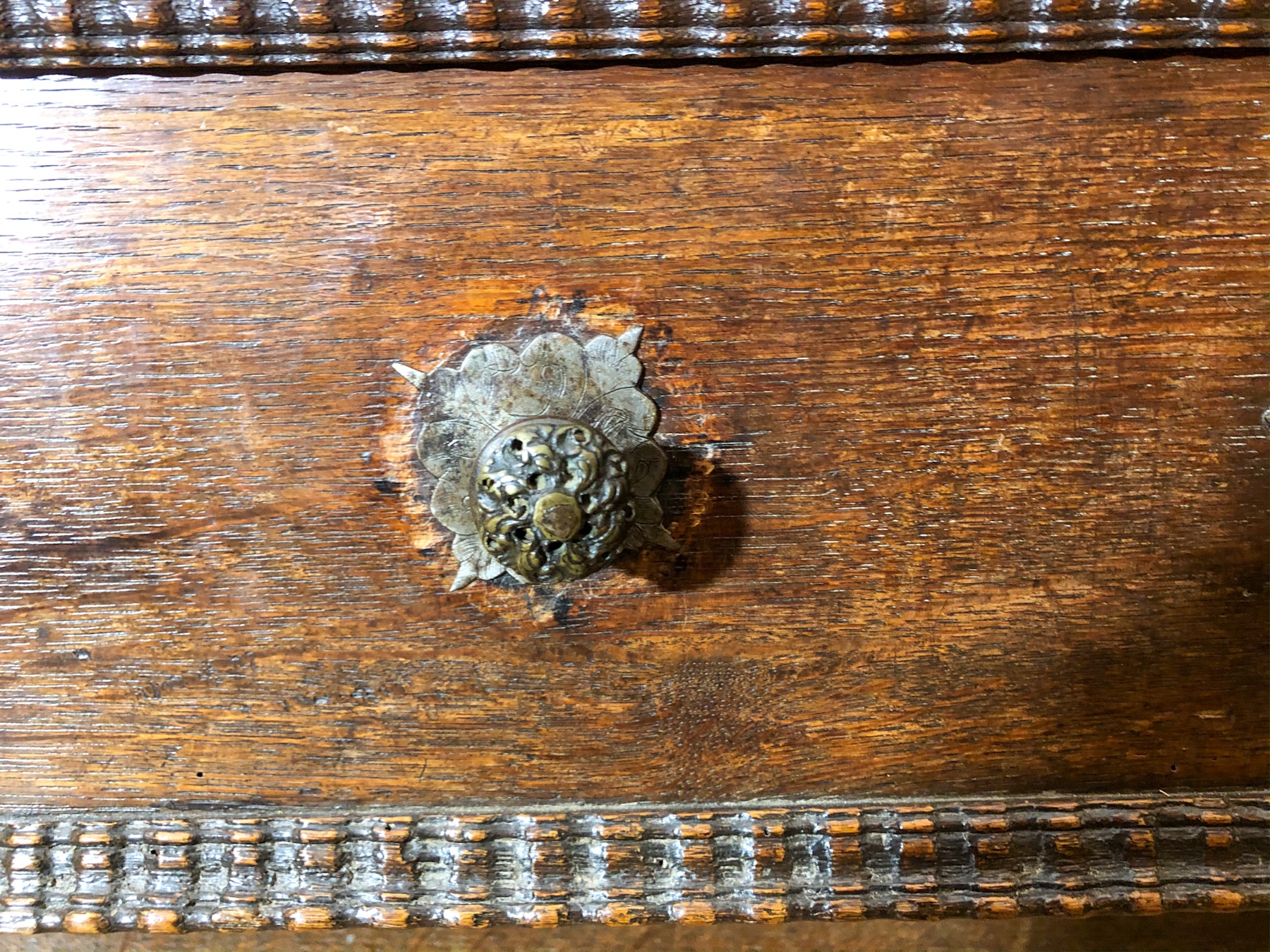
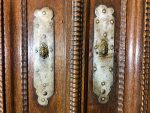
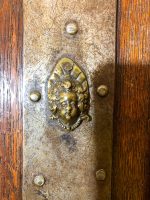
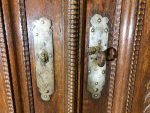
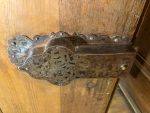
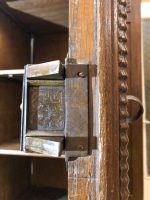
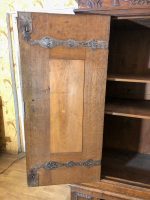
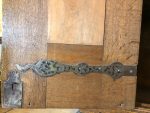
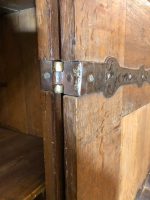
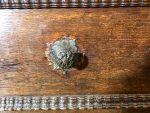
The metal hardware — engraved iron hinges with pierced acanthus ornament, lock plates with bronze figural relief, and the substantial iron key with its symmetrically cut bit — represents the highest class of locksmith work (serrurier) of this period, of the kind commissioned for aristocratic and haute-bourgeois households.
―――――――――――――――――――――
💎 RARITY AND SIGNIFICANCE
Fully intact Louis XIV-period provincial cabinets retaining their original metal hardware, carvings and key are exceptionally rare on the collector’s market. The great majority of furniture from this period has been dispersed, altered or absorbed into museum collections. This piece has survived with all its original elements — hinges, lock plates, key and the full integrity of its carvings — which makes it a remarkable exception.
The stylistic and structural parallel with the Château d’Anet example — one of the most iconic private residences of the Renaissance and Mannerist era, associated with Diane de Poitiers, Catherine de’ Medici and the world of the Valois court — lends this cabinet a cultural and historical dimension that transcends the status of an ordinary antique.
At Europe’s leading auction houses — Christie’s, Sotheby’s, Drouot — Baroque cabinets of this calibre are sought by private collectors, museums and historic interior restoration projects alike.
―――――――――――――――――――――
🕯️ USE IN INTERIOR DESIGN AND PHOTOGRAPHY
This cabinet is an interior centrepiece — a piece that defines the character and era of a room. It integrates naturally into a classical, eclectic or mixed-style interior: a manor library, a reception hall, an entrance hall or a bedroom with high ceilings. Its monumental volume and deep golden oak tone create a warm, aristocratic atmosphere.
Interior designers use pieces of this kind as the visual anchor of a room, around which all other elements — palette, textiles, lighting — are composed. Photographers and stylists engage such cabinets in luxury magazine shoots, fashion and fragrance campaigns wherever an authentic background of European aristocratic heritage is required. Both Château d’Anet and Vaux-le-Vicomte — witnesses to this very cabinet tradition — have served as locations for James Bond films, testament to the enduring visual power of these interiors in contemporary culture.
―――――――――――――――――――――
🔍 CONDITION
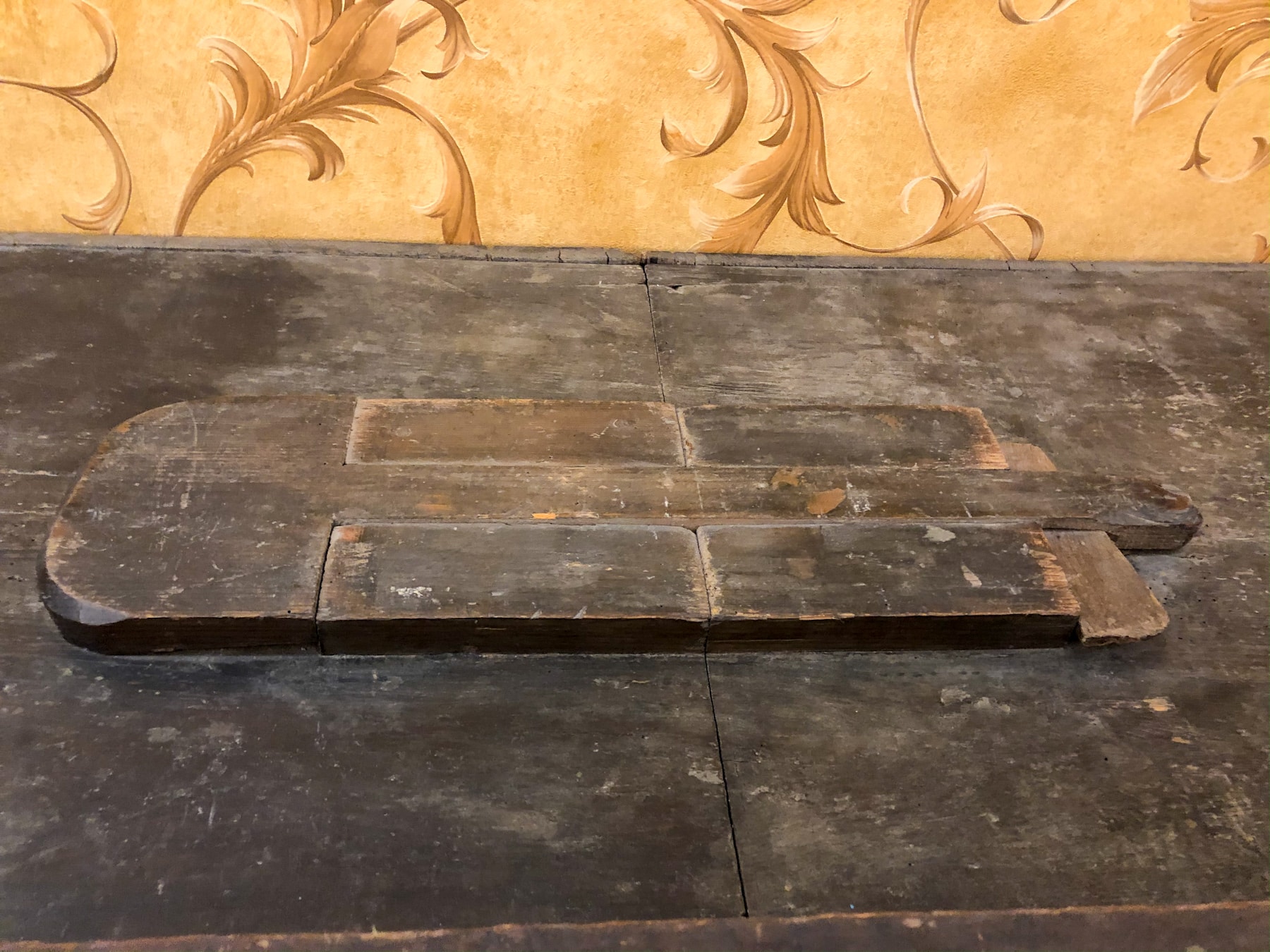
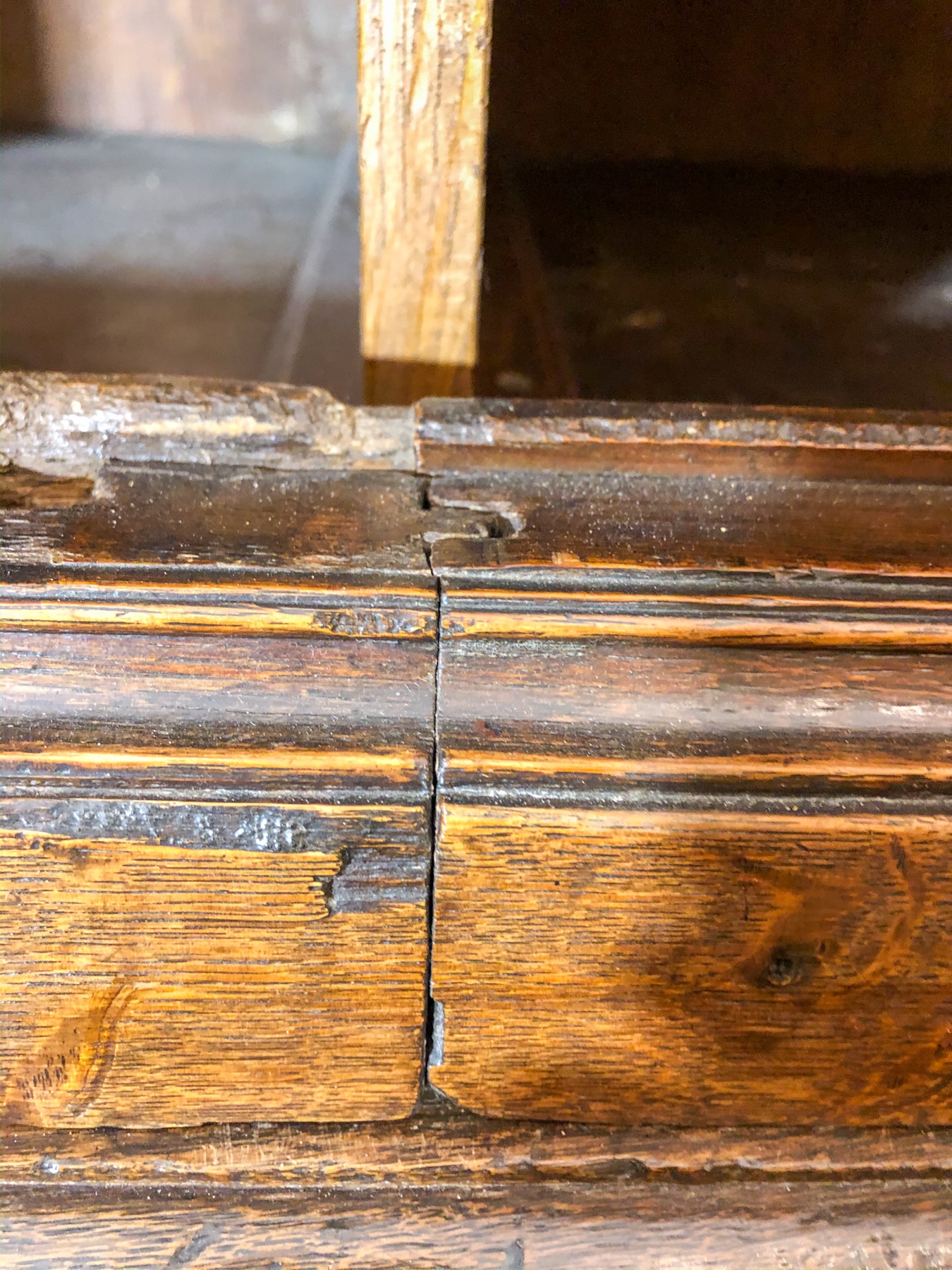
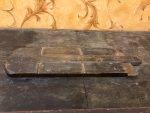
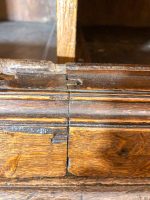
The cabinet is in very good condition considering its approximate age of 300 to 340 years. The oak has acquired a rich, deeply golden-brown patina, evidence of long and careful use. The carvings are crisp, with strong relief and good retention of detail. The metal hardware — hinges, lock plates and key — is original and functional. Minor natural splits are visible in the wood, which are an entirely normal response of solid oak to centuries of climate variation and in no way diminish the integrity or significance of the piece. Light surface wear is consistent with the cabinet’s honest age. No evidence of restoration has been identified.
The condition of this piece is fully represented in the photographs.