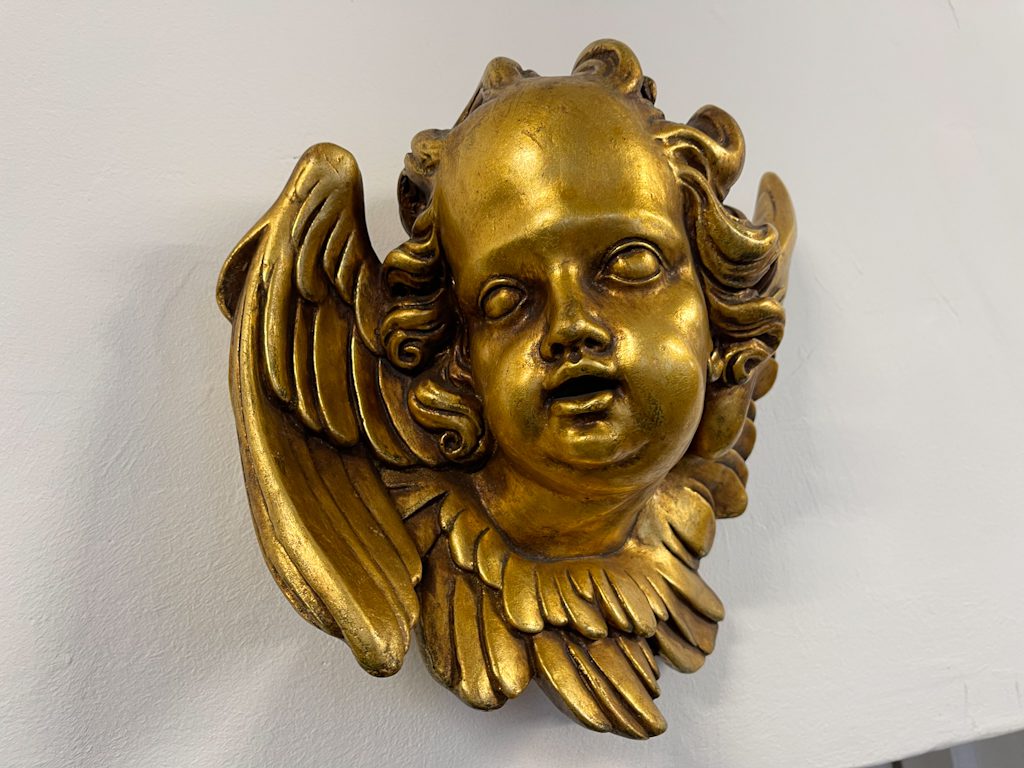
Angel head with wings, “Putto” / “Testa d’angelo” — Baroque / Neo-Baroque, Europe, c. 1880–1920. This gilded plaster wall decor features a cherubic angel, perfect for adding a touch of vintage charm to any space. 270,00 €
You’re now subscribed to price tracking for this product. We’ll notify you if the price drops. 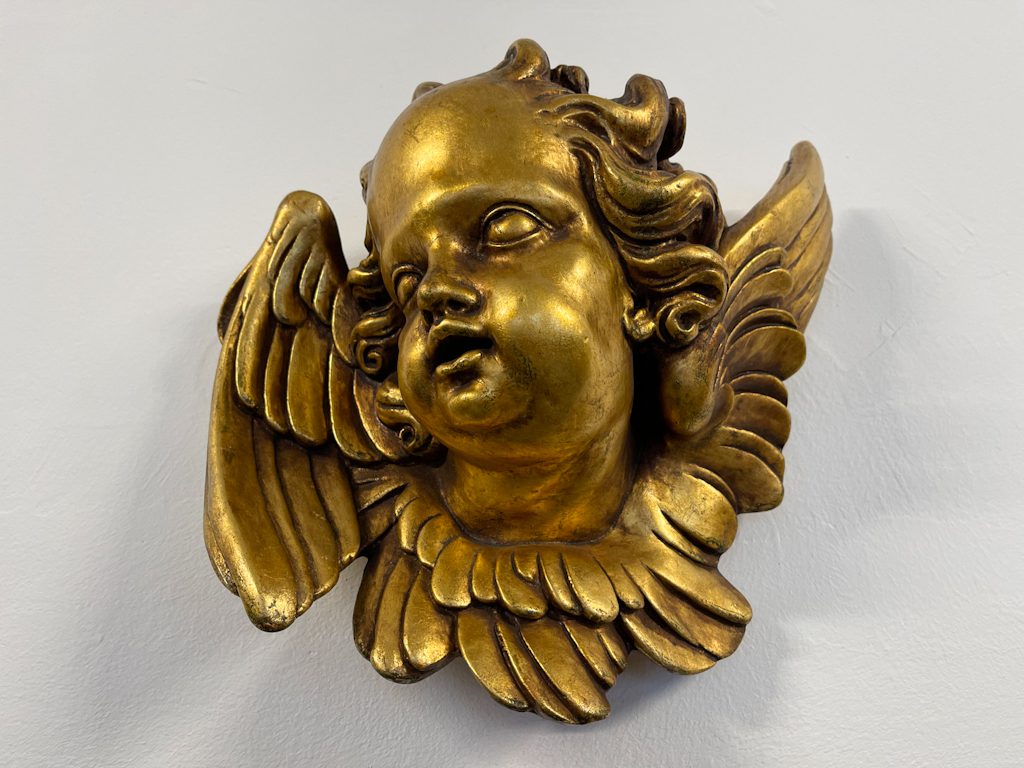
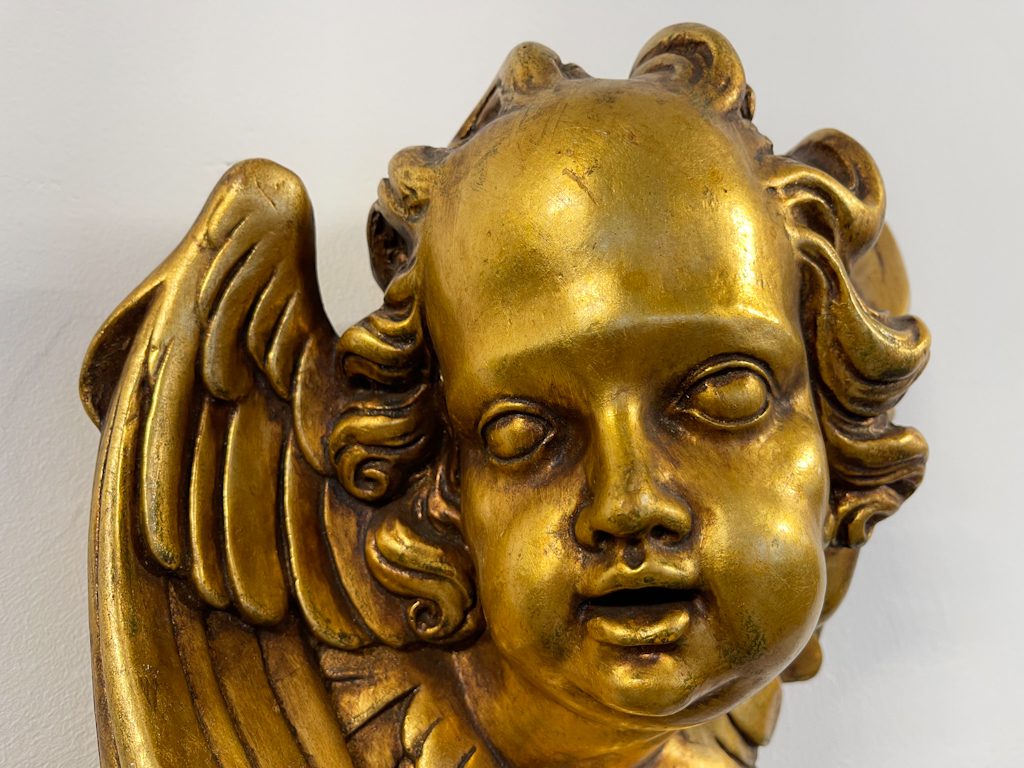
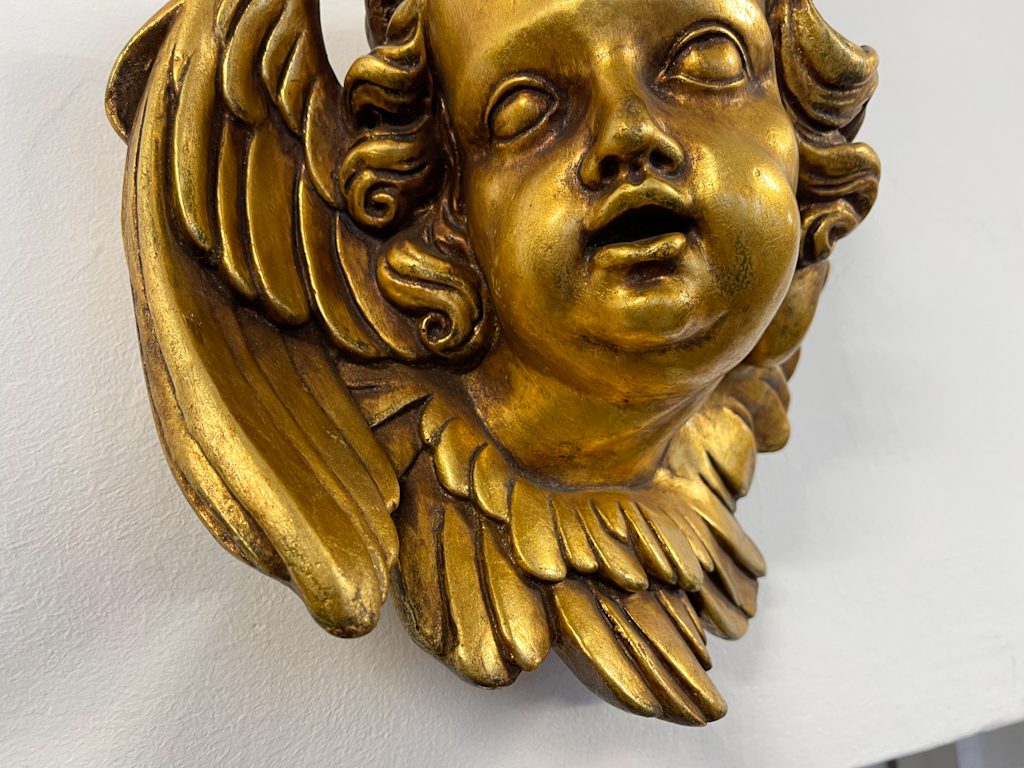
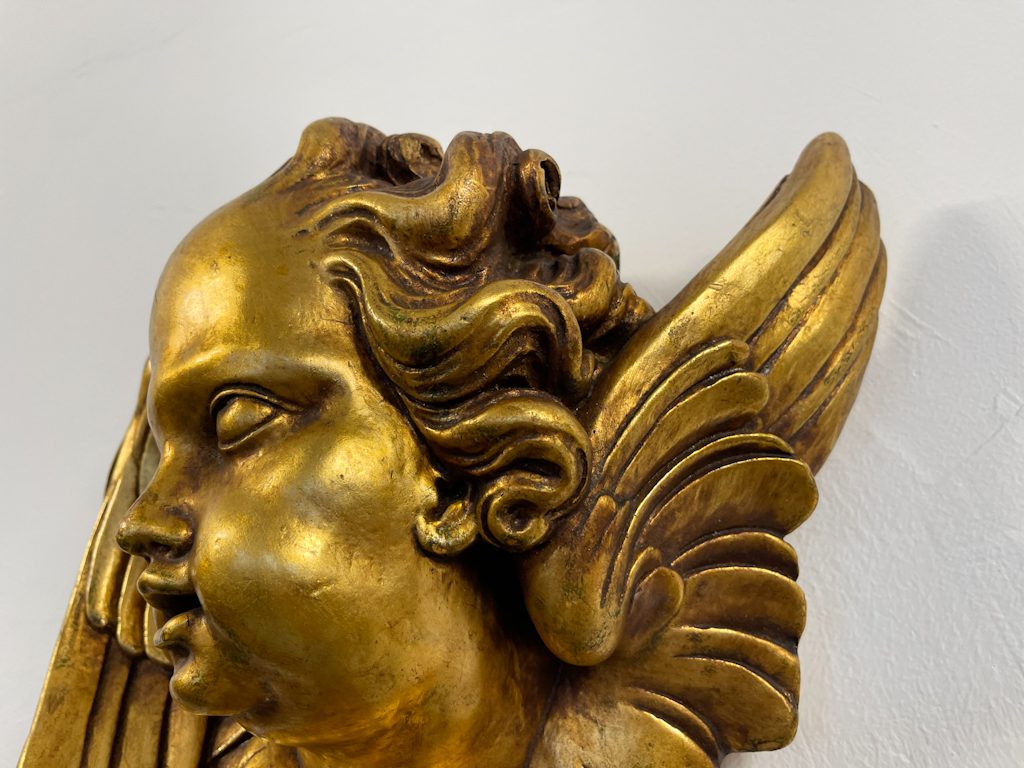
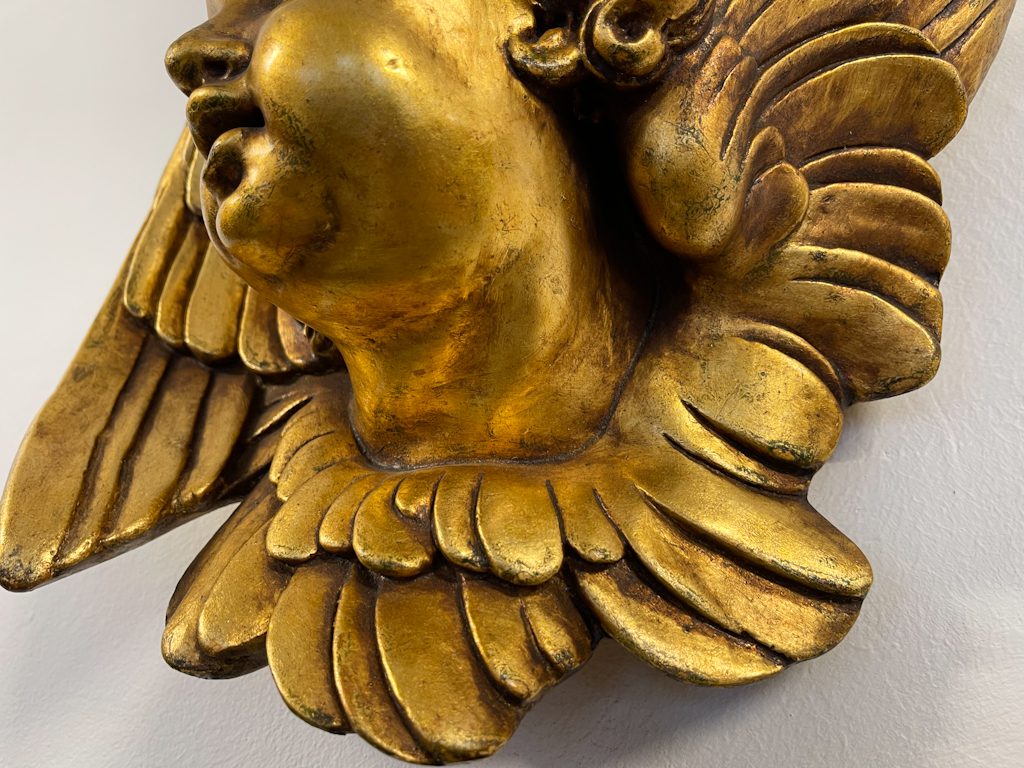
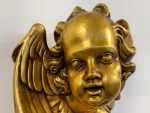
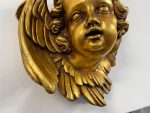
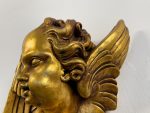
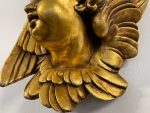
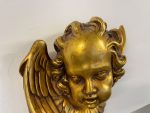
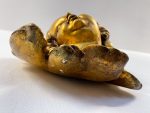
Angel Head with Wings – “Putto” / “Testa d’angelo” – Baroque / Neo-Baroque, Europe, c
Height 30 cm, 34 cm Width 30 cm, 34 cm Color BronzeGoldNatural


Description
DESCRIPTION IN
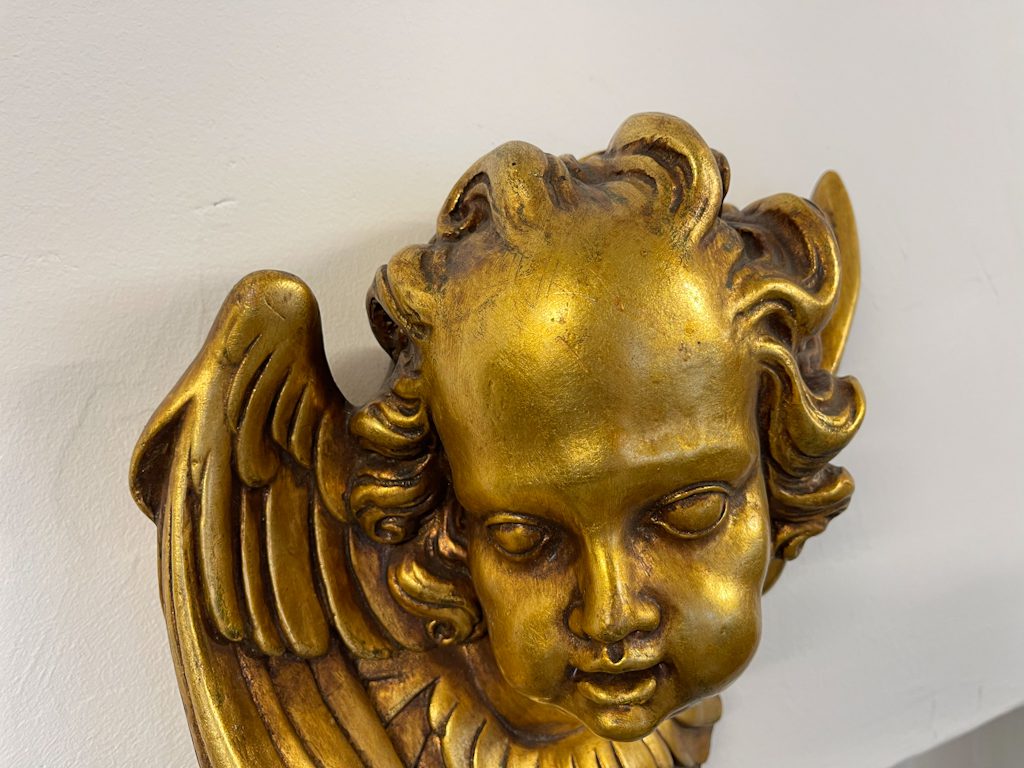
Angel Head with Wings — “Putto” / “Testa d’angelo” — Baroque / Neo-Baroque, Europe, circa 1880–1920. Gilded plaster, wall decoration
―――――――――――――――――――――
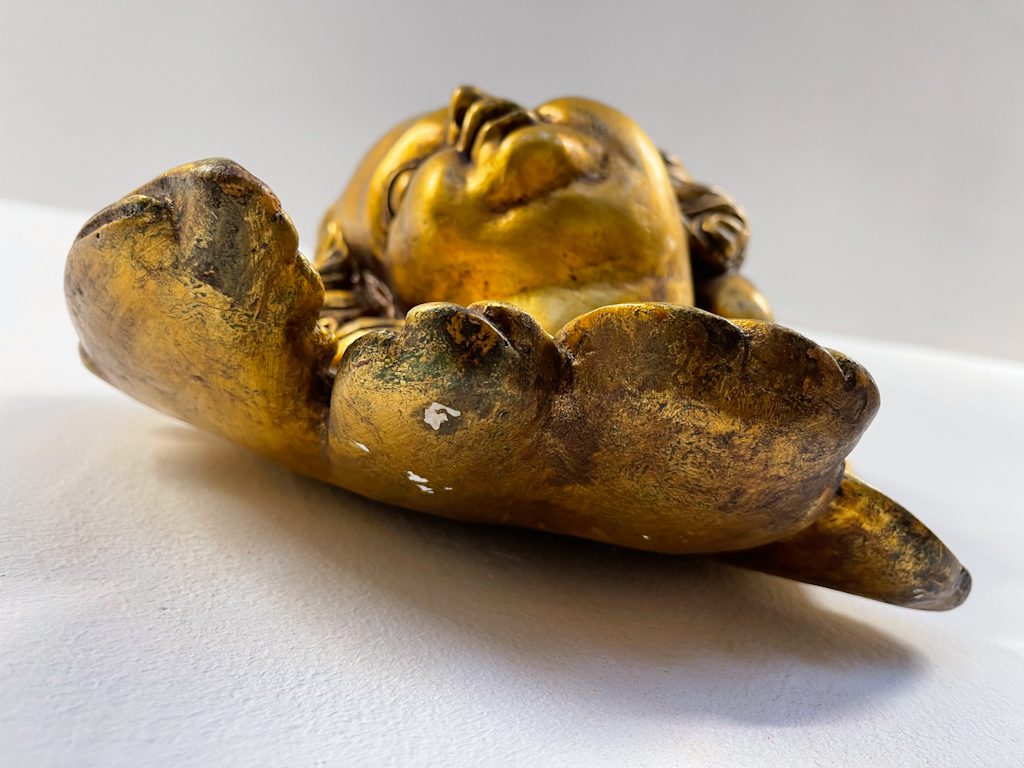
📐 DIMENSIONS Height: approximately 30 cm. Width: 34 cm. Material: fine-grain plaster with gilded surface treatment — bronze or gold-tone coating with manually darkened recesses, creating the classic antiqued gold effect. Heavy. Intended for wall mounting — flat reverse.
―――――――――――――――――――――
🏛️ PERIOD, ARTISTIC STYLE AND HISTORICAL CONTEXT
This piece depicts a putto — a winged cherub face that is one of the most enduring and widely distributed ornamental motifs in European art. The putto tradition originated in the Italian Renaissance, reached its culmination in the Baroque period (17th–18th centuries), and was enthusiastically revived during the Neo-Baroque era — the second half of the 19th century and early 20th century, when Historicism reclaimed the ornamental vocabulary of all the great European styles. The plasticity of this head — an open mouth caught in song or a drawn breath, half-closed eyes, flowing hair, two symmetrical feathered wing pairs framing the face — is a direct reference to Italian Baroque church and court interiors, where such putto figures adorned altar baldachins, ceilings, frames, and organ facades. During the Neo-Baroque period, such heads were produced as wall decoration elements for representative bourgeois interiors, hotels, theatres, and cultural institutions.
―――――――――――――――――――――
⚜️ MAKER AND MARKS
No maker’s mark has been identified on the reverse. The material, weight, and gilding technique — a bronze-tone coating with manually darkened recesses — indicate the European decorative plaster tradition that, in the late 19th and early 20th centuries, supplied the interior market with ecclesiastical and representative decorative elements. Specialised workshops in Italy, France, and y produced exactly this type of wall decorative element — putto heads, rosettes, garlands, and cornice fragments — both for church restoration and for private interiors. The gilding technique with manually deepened shading is characteristic of the Italian and decorative craft tradition.
―――――――――――――――――――――
💎 RARITY AND SIGNIFICANCE
Gilded putto heads of this scale (30 × 34 cm) with a high level of sculptural detail — particularly with such an expressively modelled facial expression and feathered wing structure — have become considerably rare on the antiques market. The majority have been damaged or have lost the integrity of their gilding. This example, with its well-preserved gilding and fully intact wing sculpture, is a collectibly significant object. The putto motif is one of the most universal symbols in European art and interior culture — it crosses all epochs, styles, and cultures, remaining immediately recognisable and emotionally resonant in any context.
―――――――――――――――――――――
🕯️ USE IN INTERIOR, DESIGN AND PHOTOGRAPHY
A wall angel head is an extraordinarily versatile interior element — it works in the context of grand Baroque classical rooms, and equally as an ironic and aesthetic accent in a modern or eclectic loft space. Ideal placement: above a door or window as traditional architectural decoration, on a mantelpiece as a central motif, above a bed headboard as a symbol of protection and beauty, or as a corner accent on a wall among paintings and mirrors. The gilded surface with its antiqued tone suits both dark wood furniture and light Scandinavian walls. Photographers and set designers use elements of this type in fashion and interior shoots as a reference to Baroque opulent aesthetics.
―――――――――――――――――――――
🎁 GIFT AND PERSONALISATION
An angel head is a symbolically rich and universally understood gift — the angel as a symbol of protection, beauty, and divine presence speaks across all cultures and religions. It is fitting as a wedding, baptism, or housewarming gift with deep and time-proven meaning. As a representative corporate gift, it suits professionals in the cultural, artistic, and architectural fields. For admirers of Baroque aesthetics, it is an object that brings centuries of cultural history into the home.
―――――――――――――――――――――
🔍 CONDITION
The sculpture is in overall good condition. The gilded surface on the front is preserved with natural age wear — darker areas are visible within the wing recesses and facial depths, giving the antiqued appearance that is characteristic and not considered damage. On the reverse, the gilding is more worn, revealing the base material — typical of wall decoration elements whose reverse is not visible in display. A small glaze mark is visible on the lower section of one wing. Structurally stable, with no fractures. The condition of the piece is fully reflected in the photographs.
Related Products