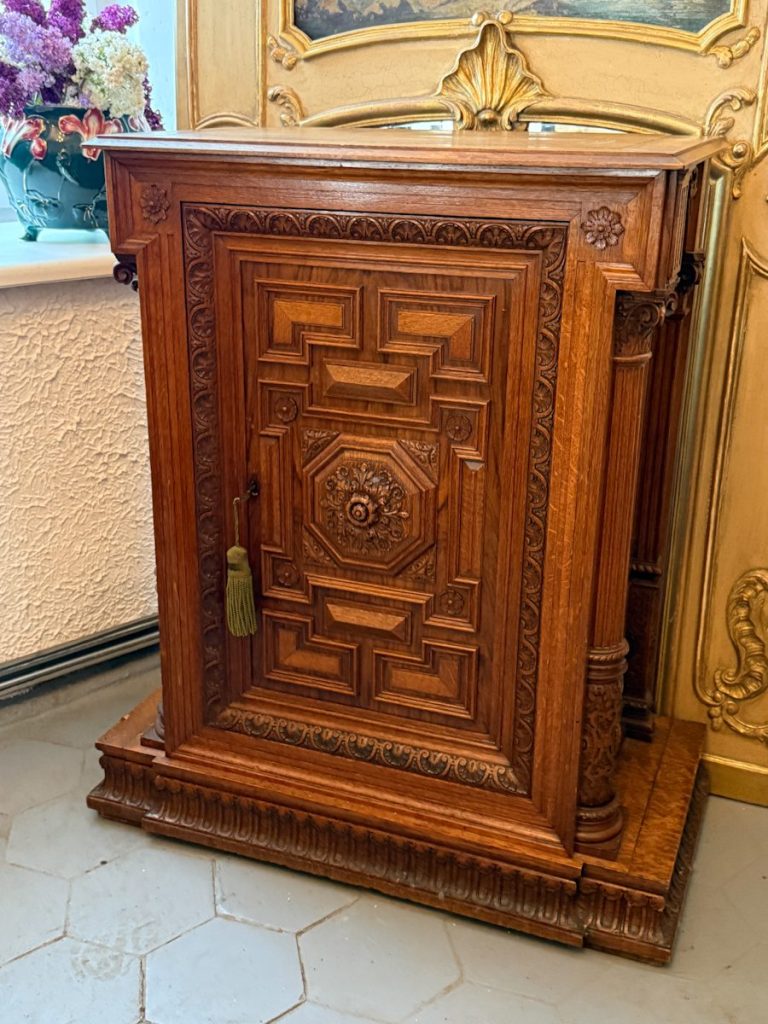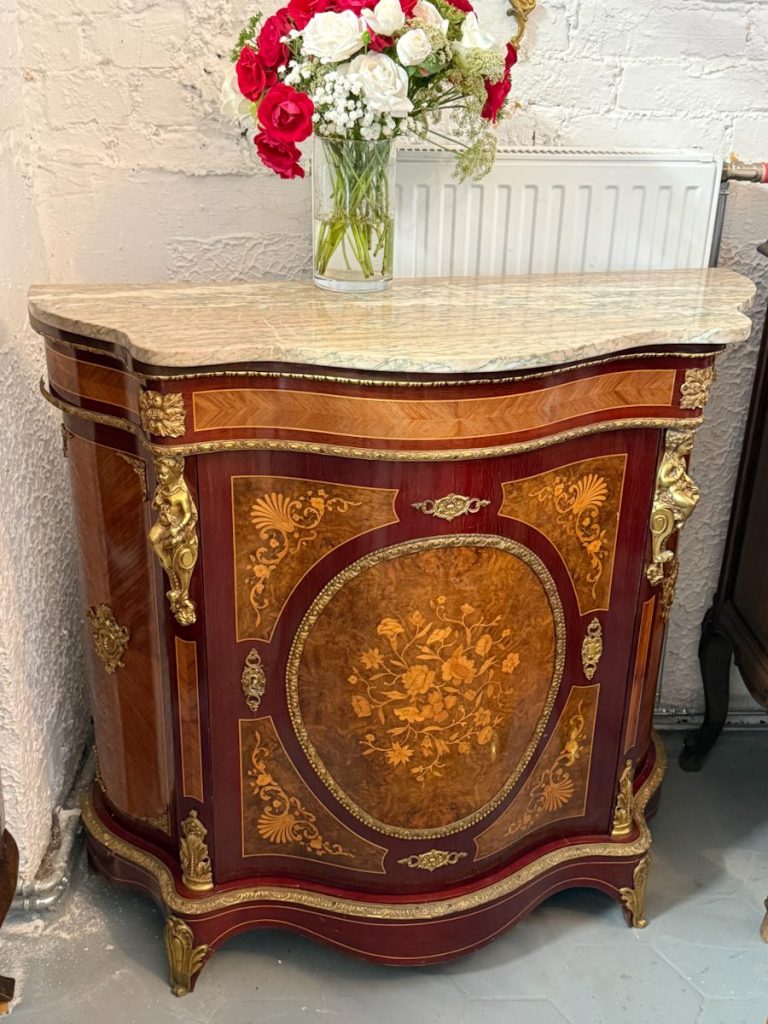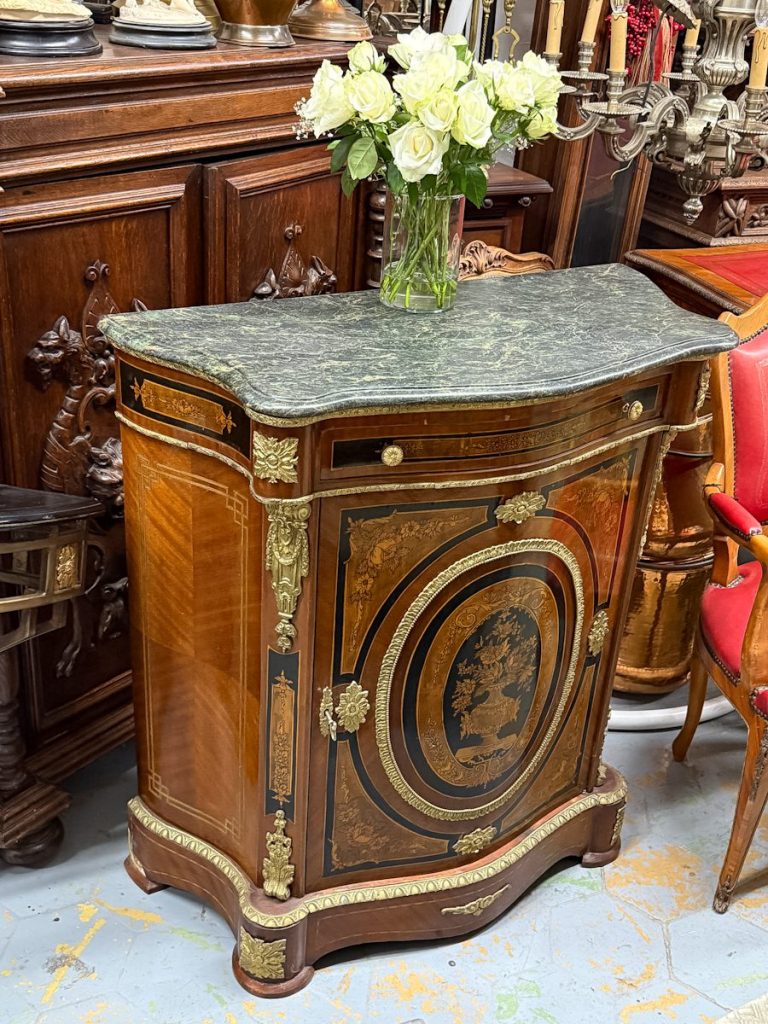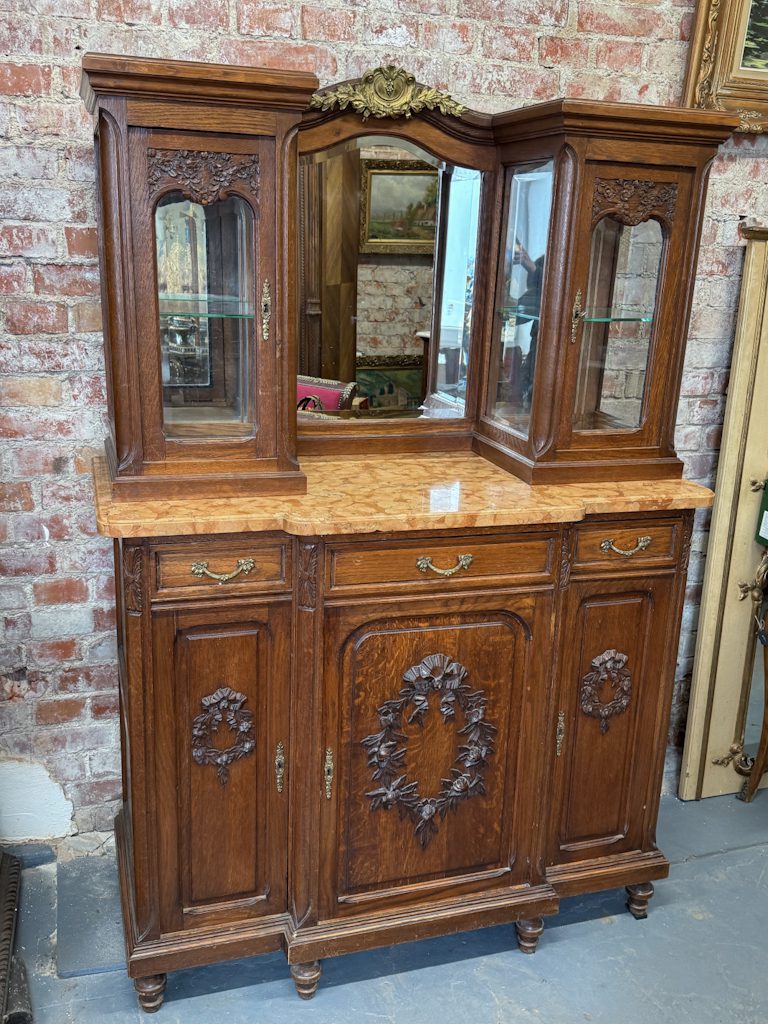
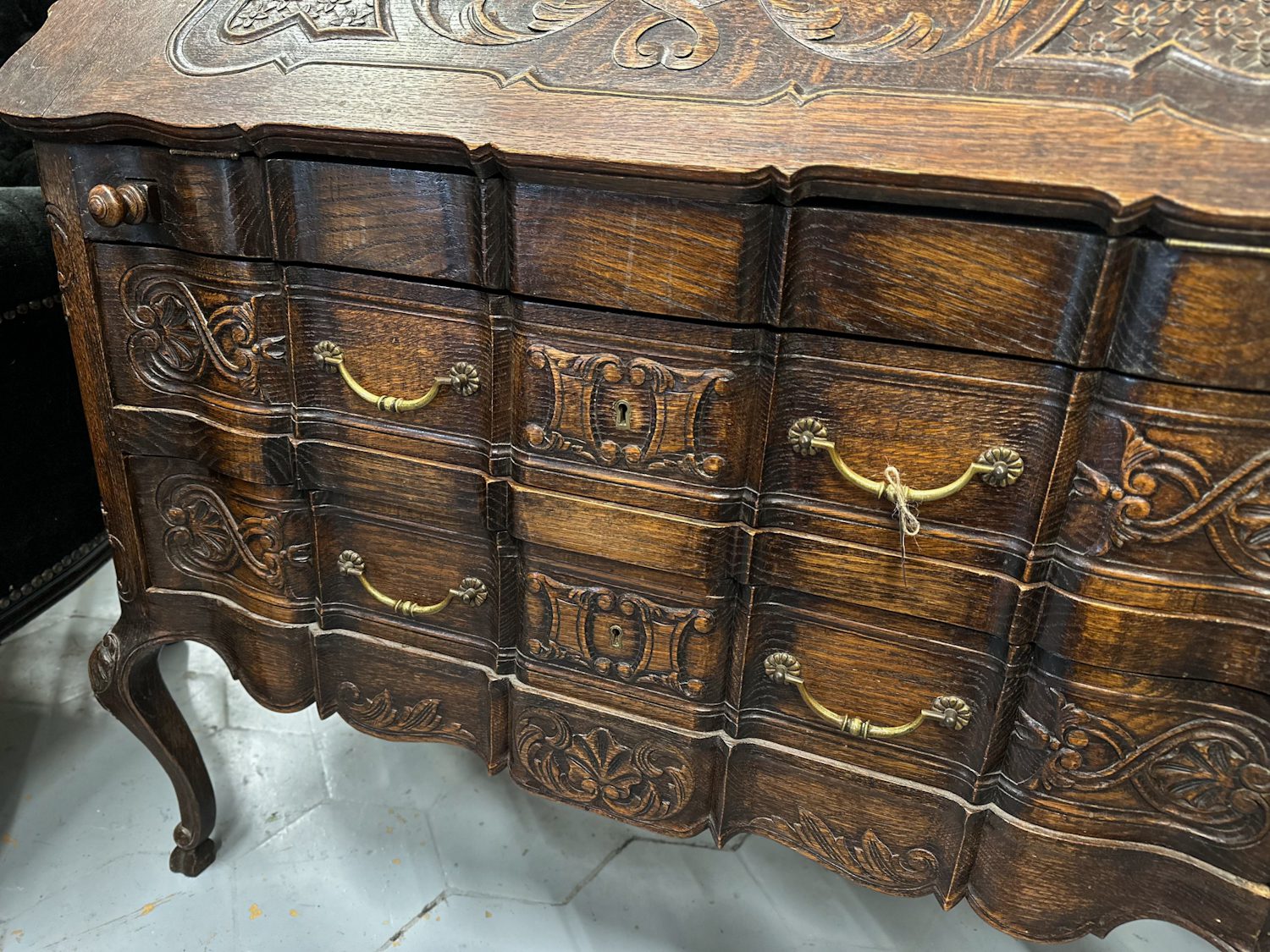
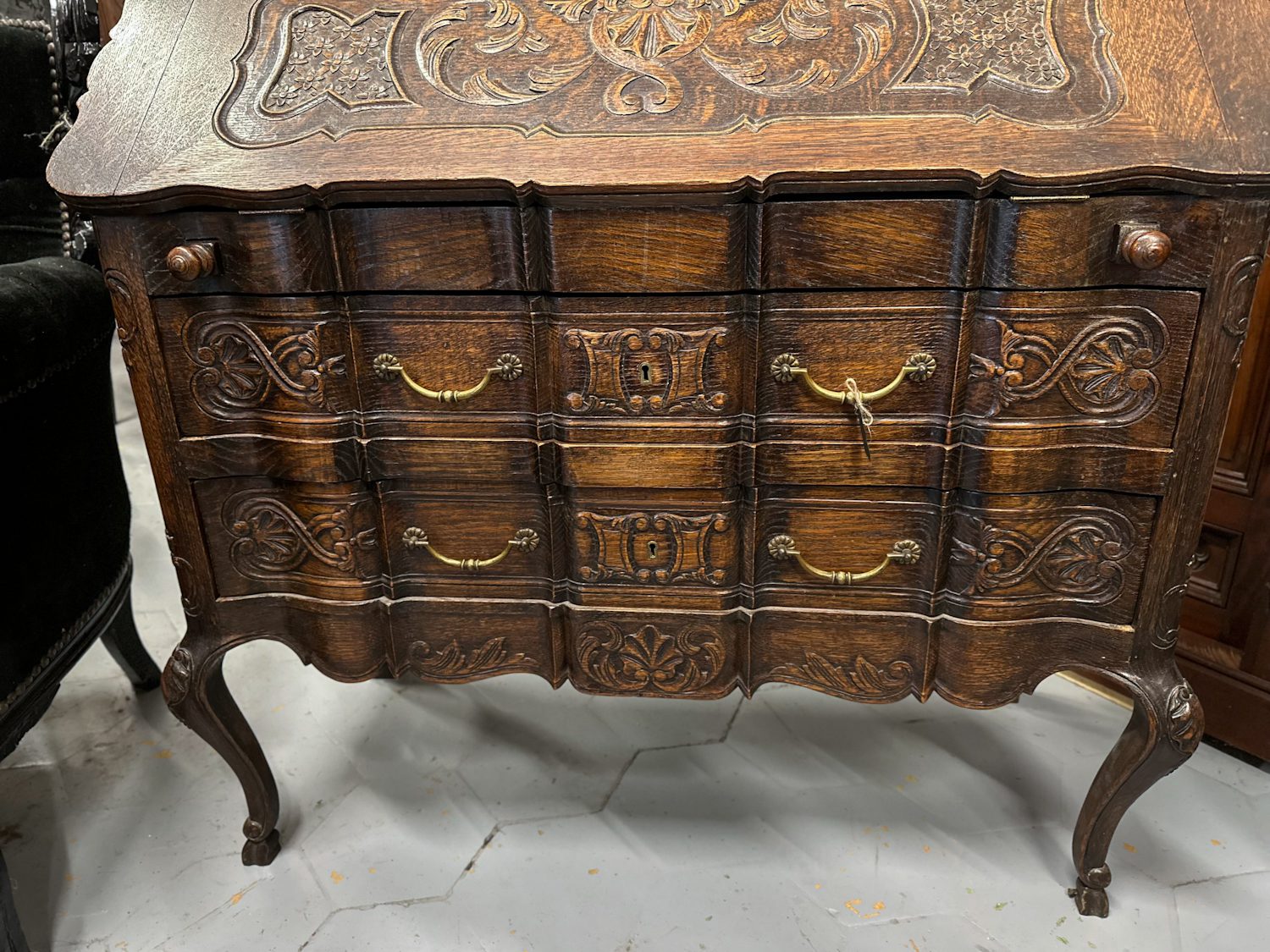
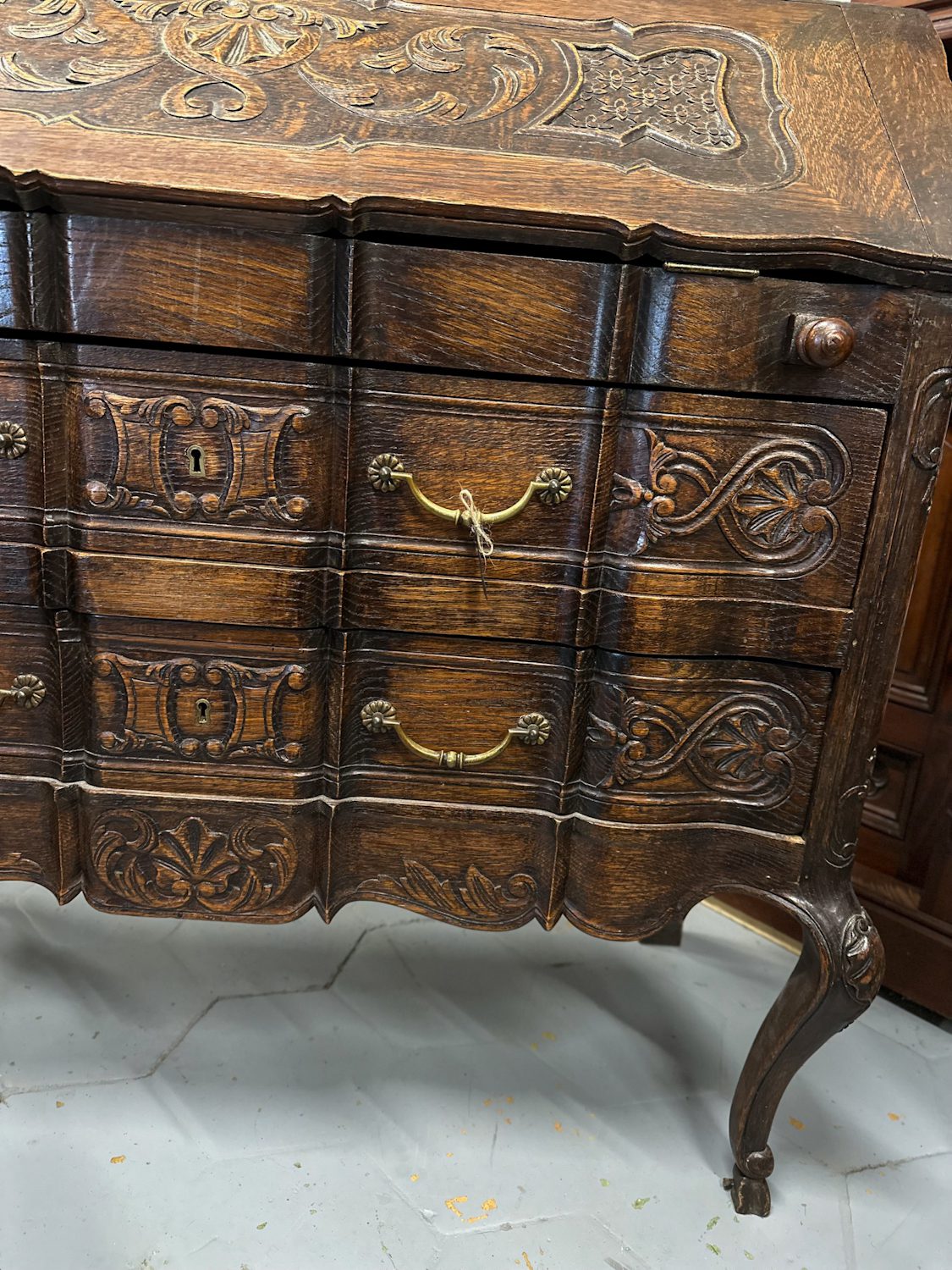
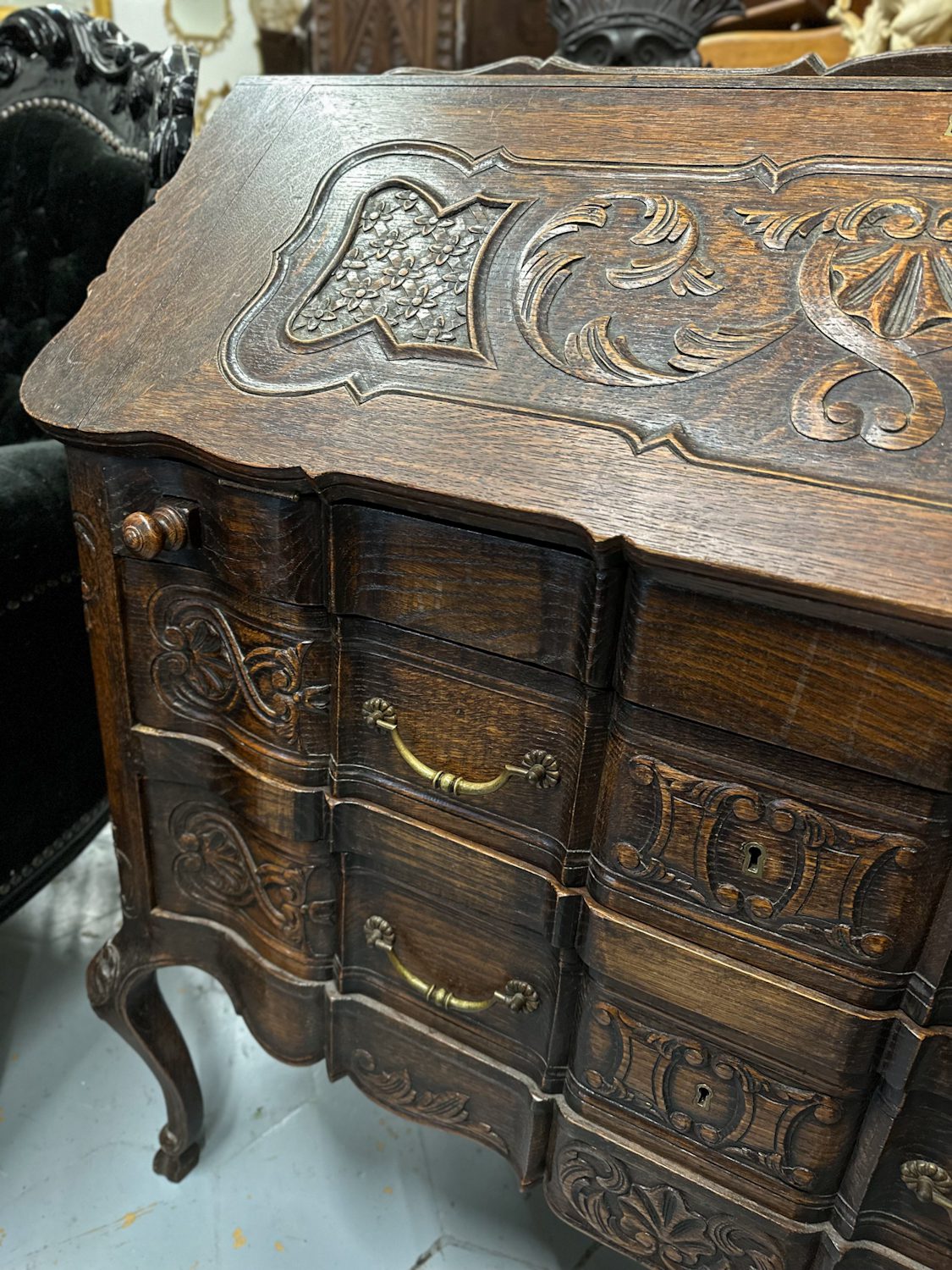
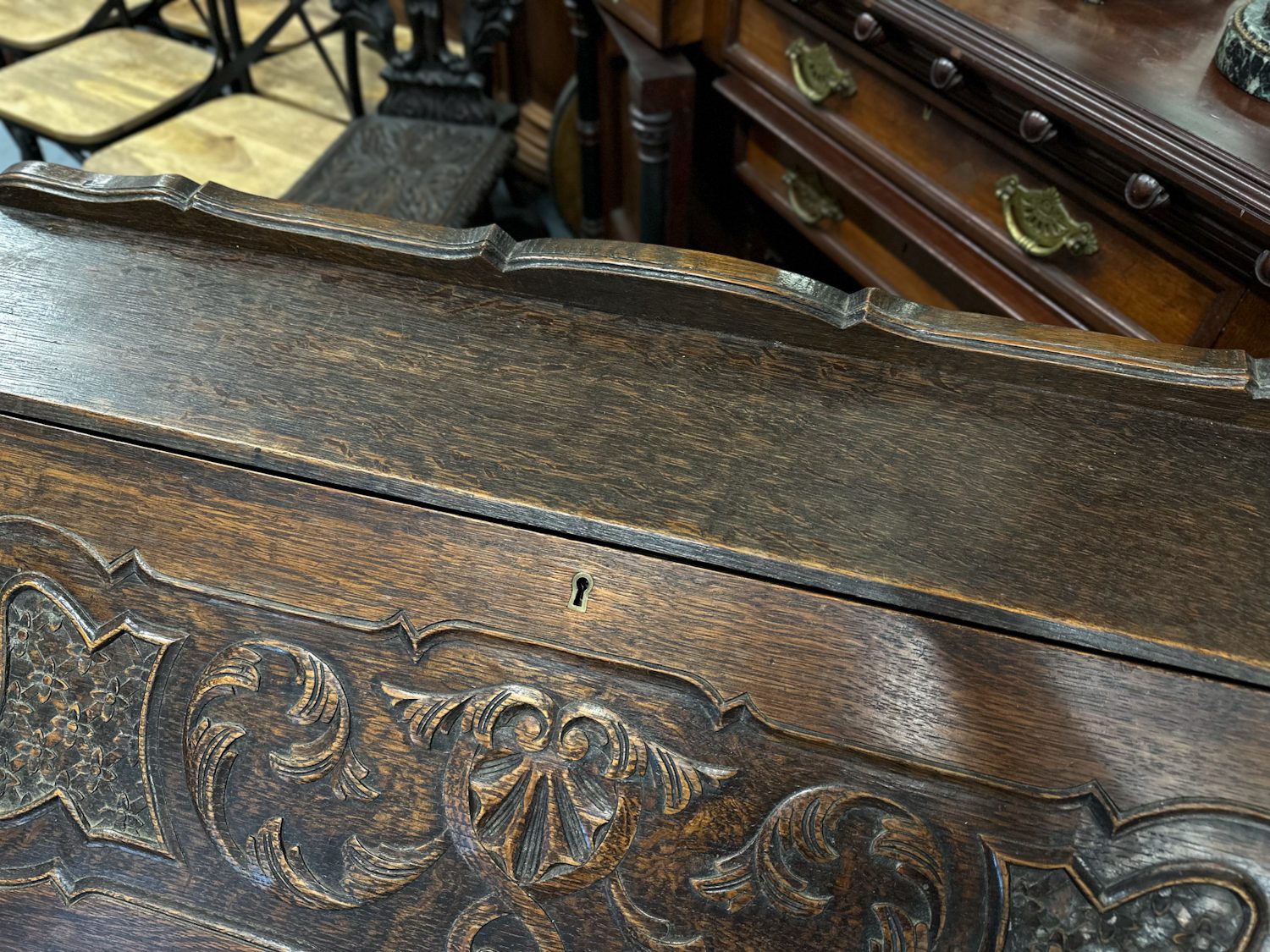
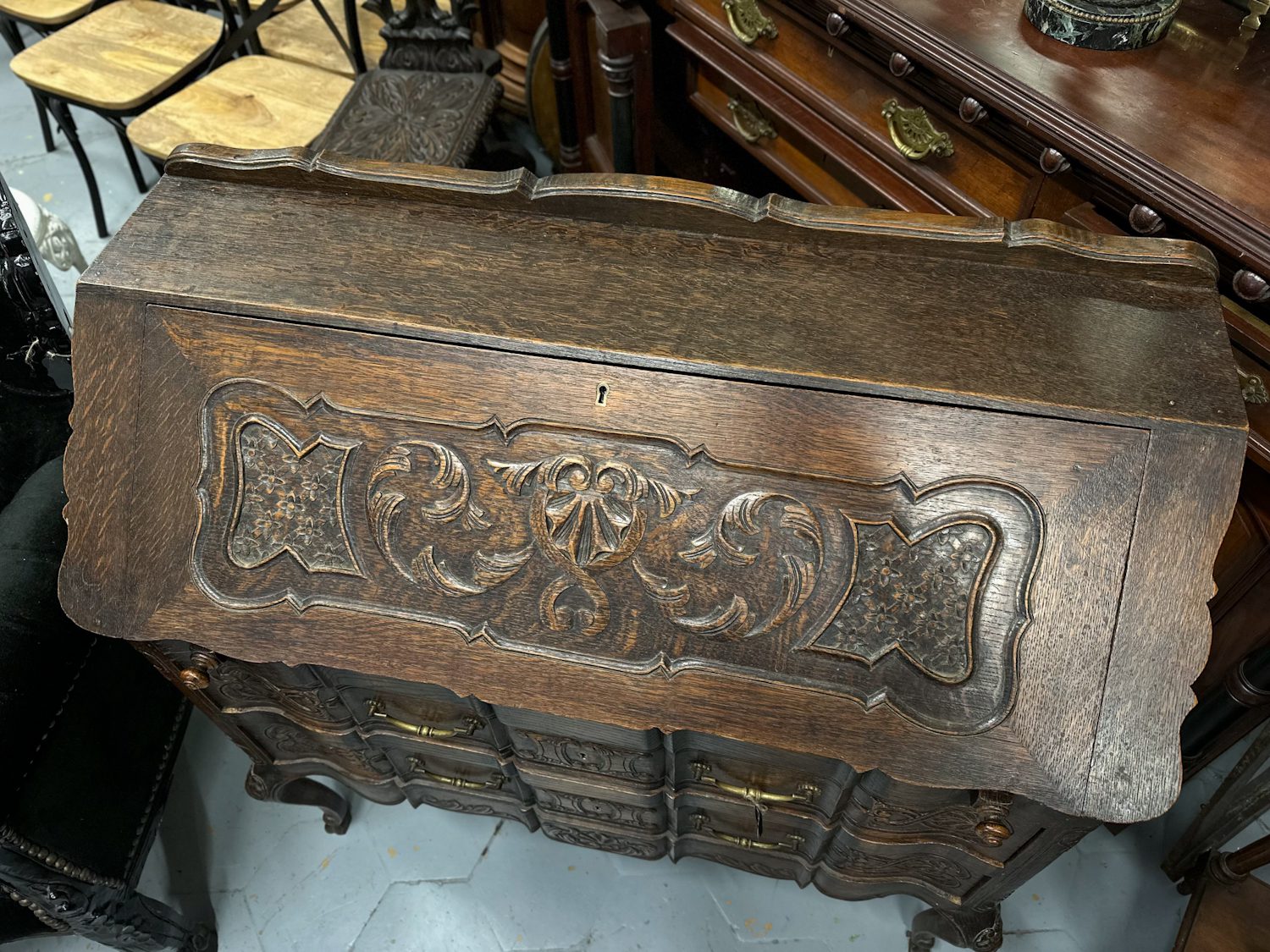
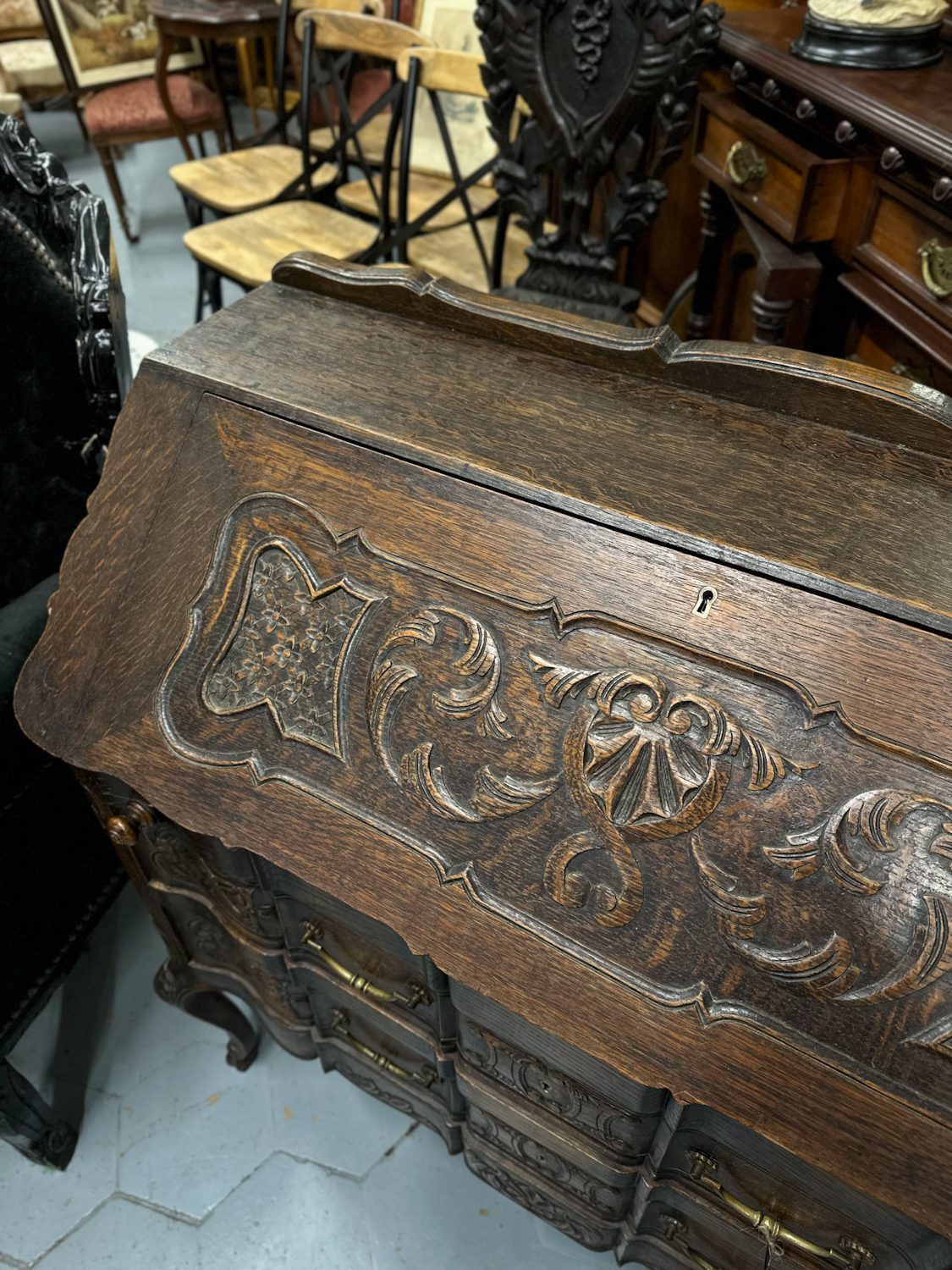
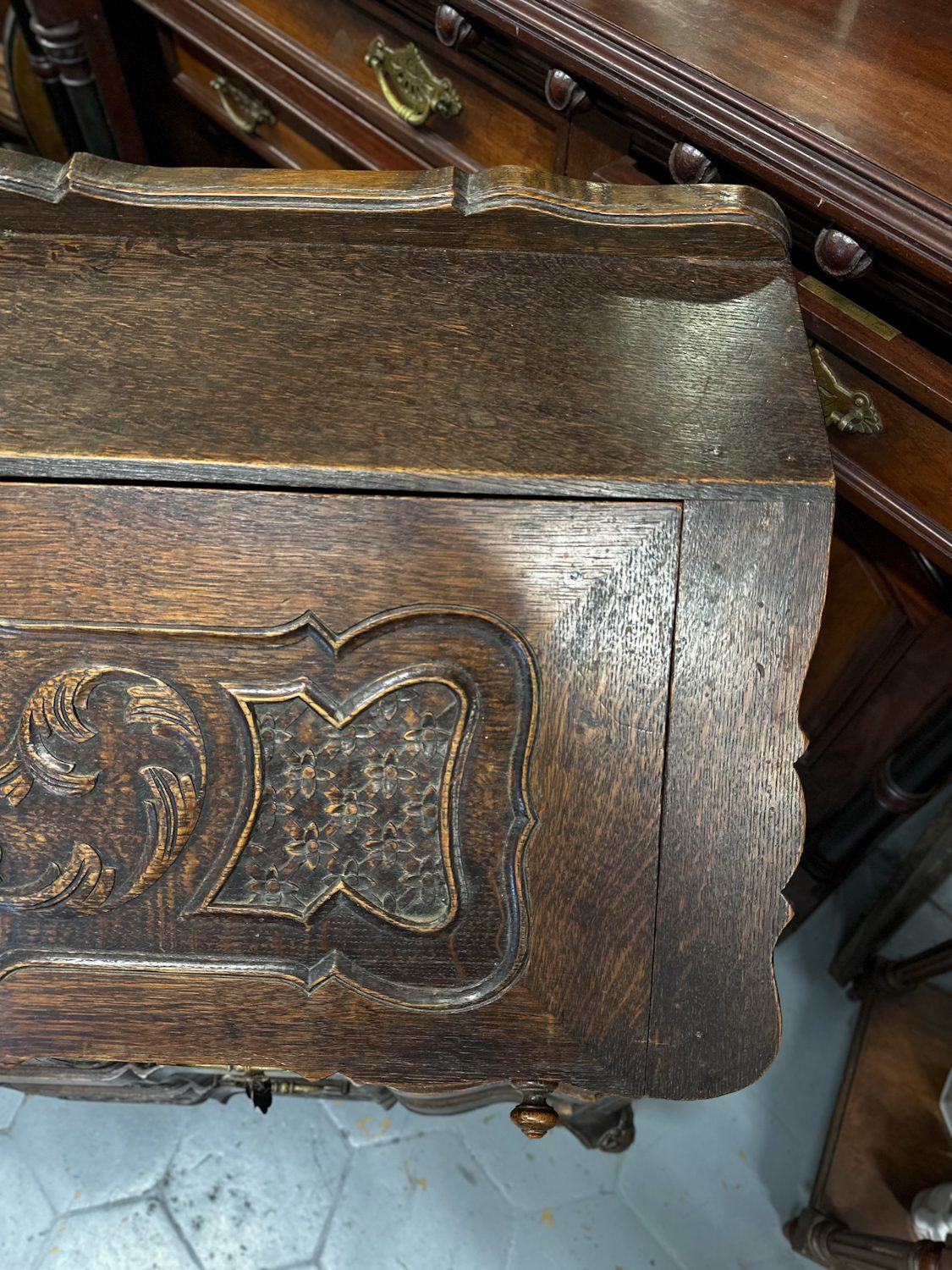
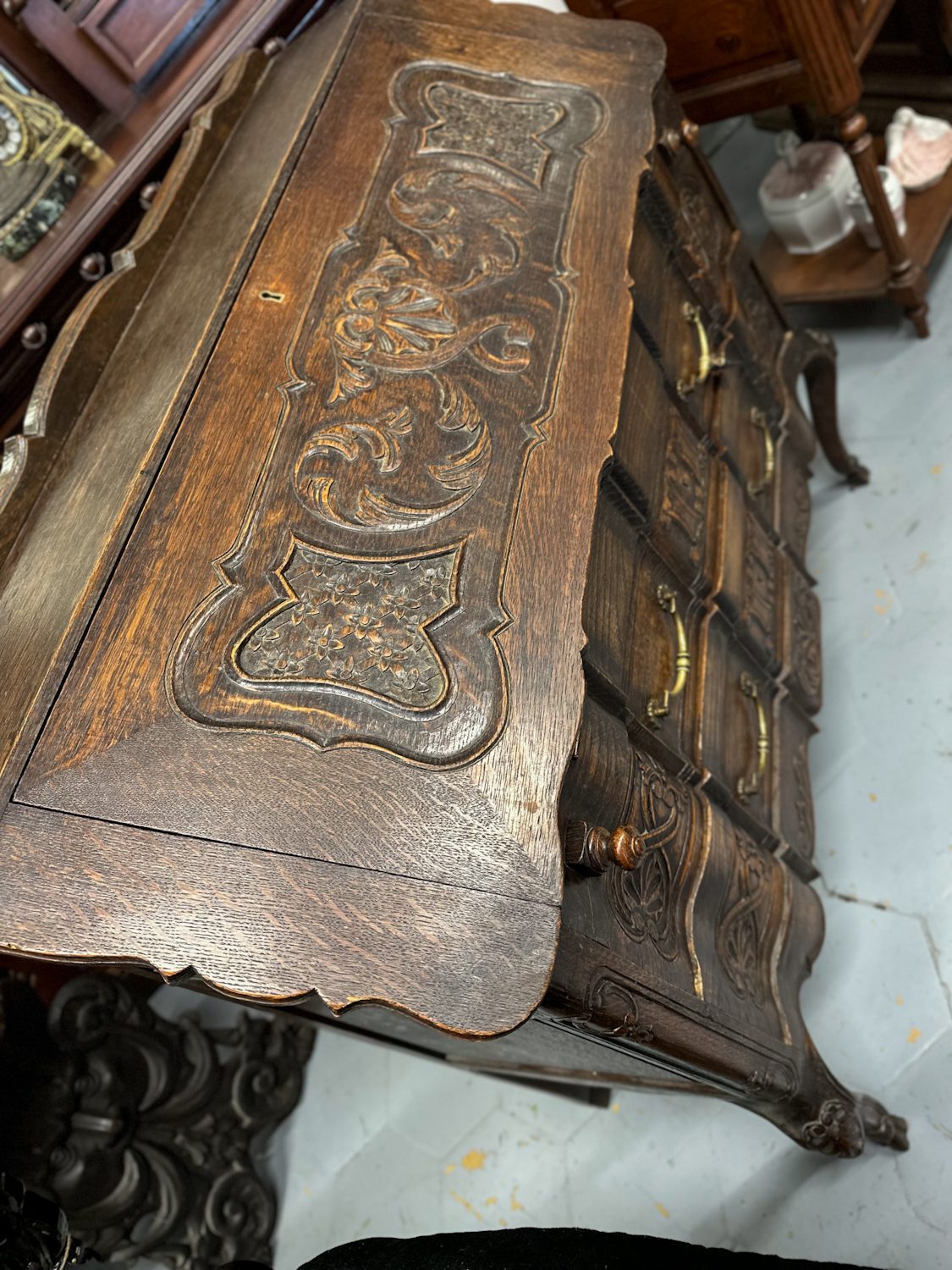
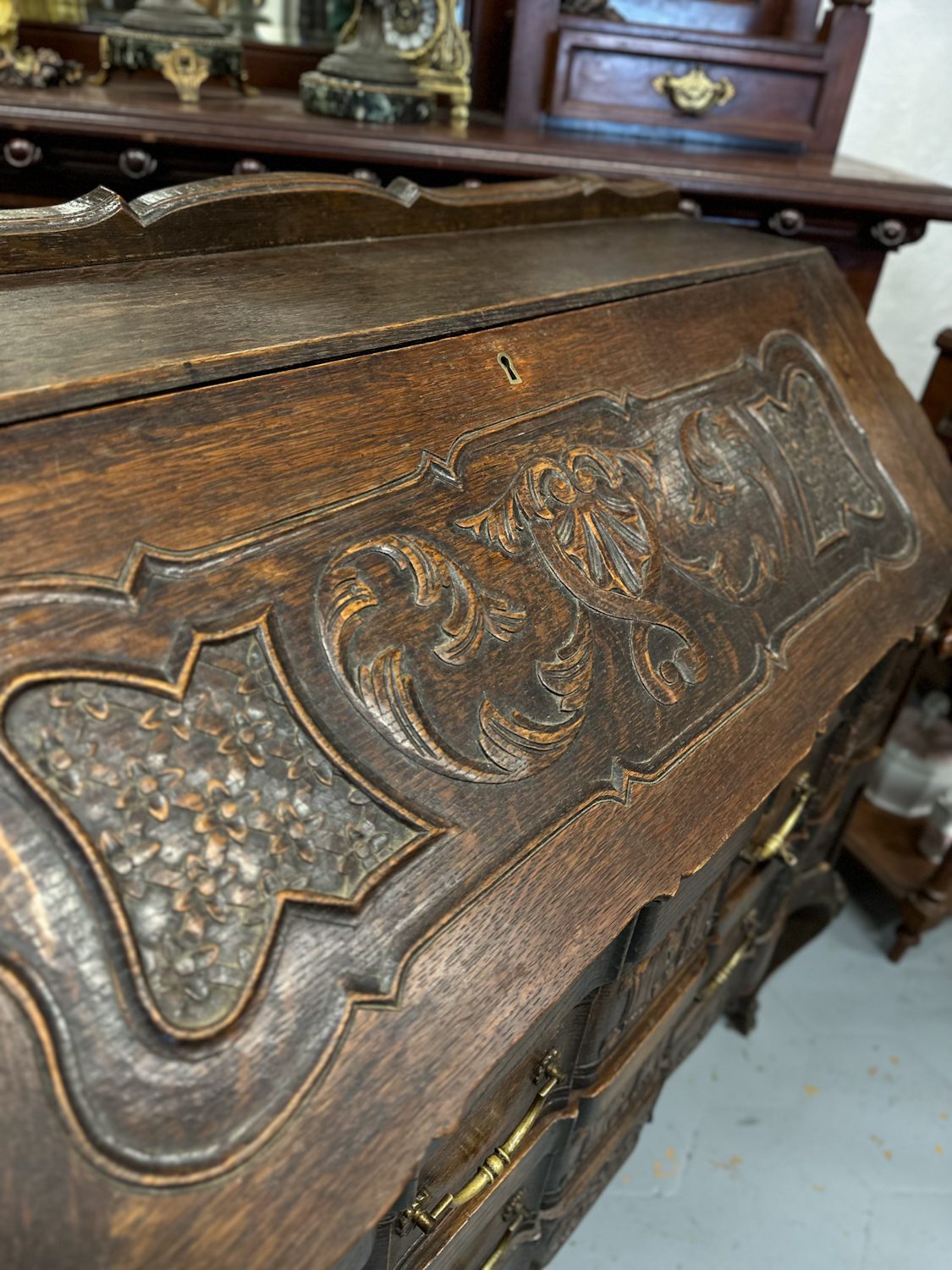
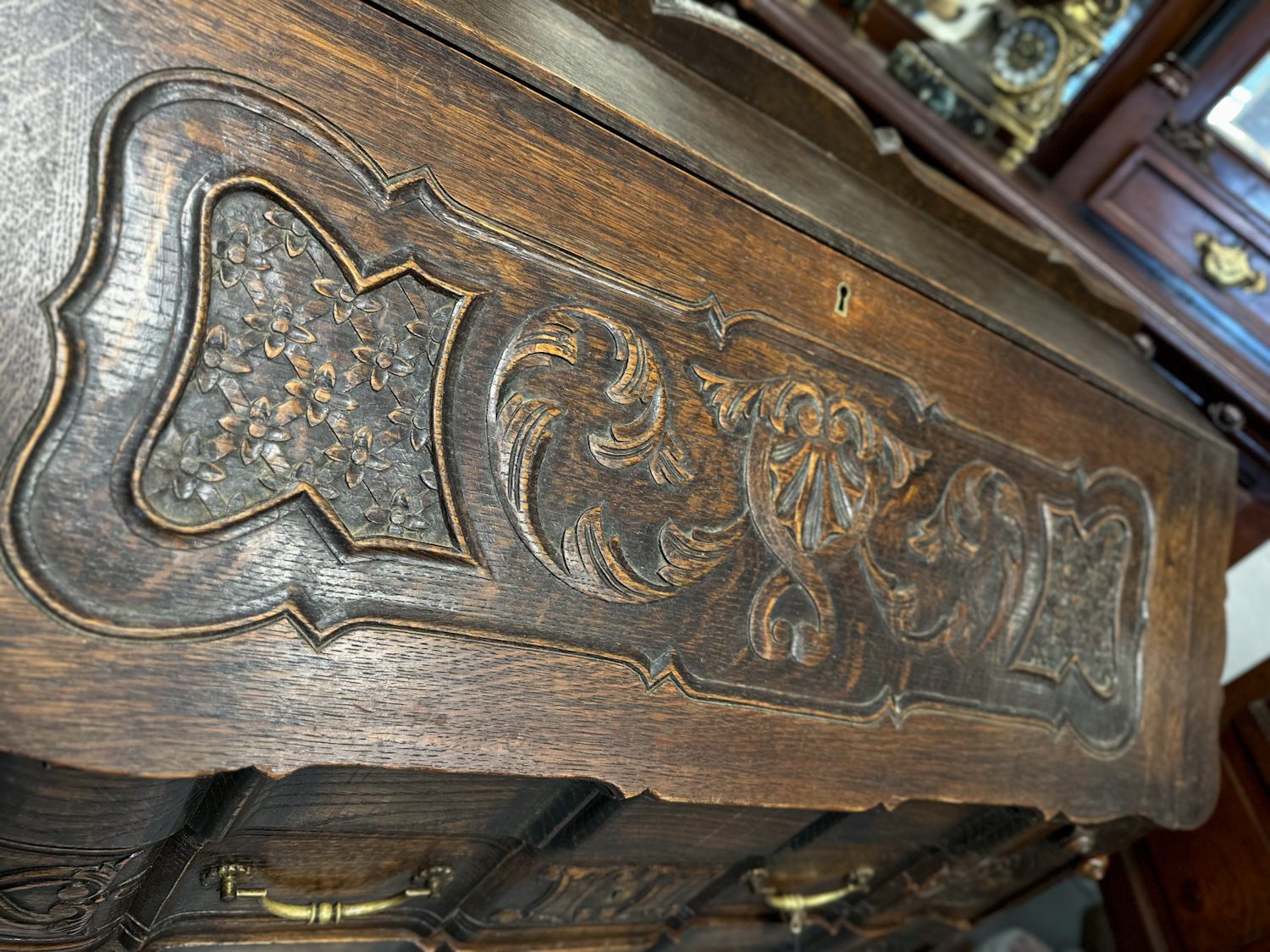
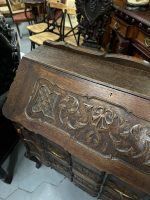
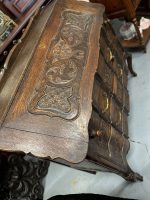
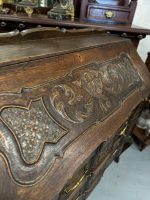
Louis XV Revival oak secretaire with drop-front — Belgium/France, c. 1890. This historicist piece features a bombe base with three drawers and cabriole legs, showcasing intricate rocaille carvings. A beautiful example of Belle Époque craftsmanship, perfect for a study or library. 700,00 €
You’re now subscribed to price tracking for this product. We’ll notify you if the price drops. 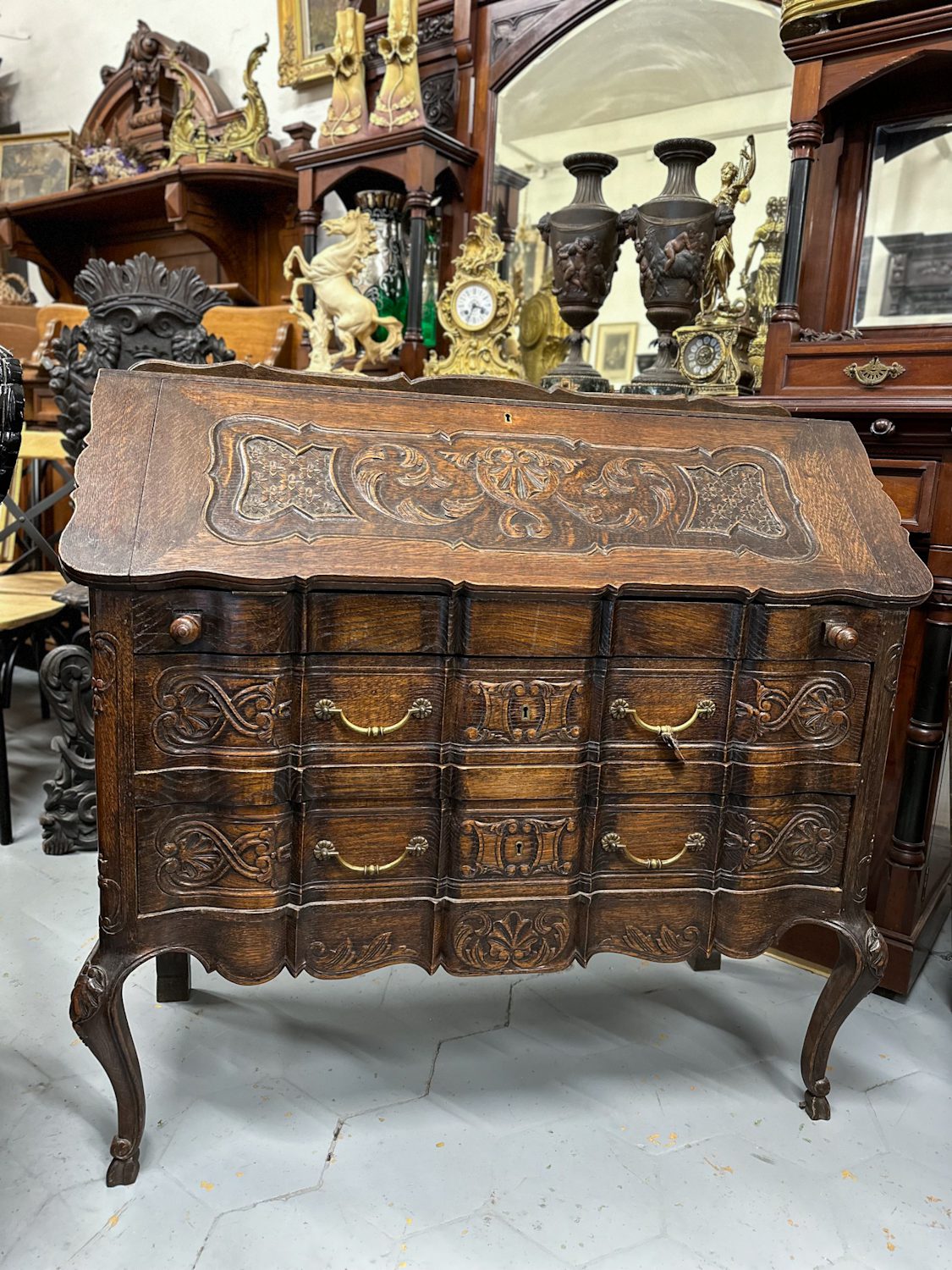
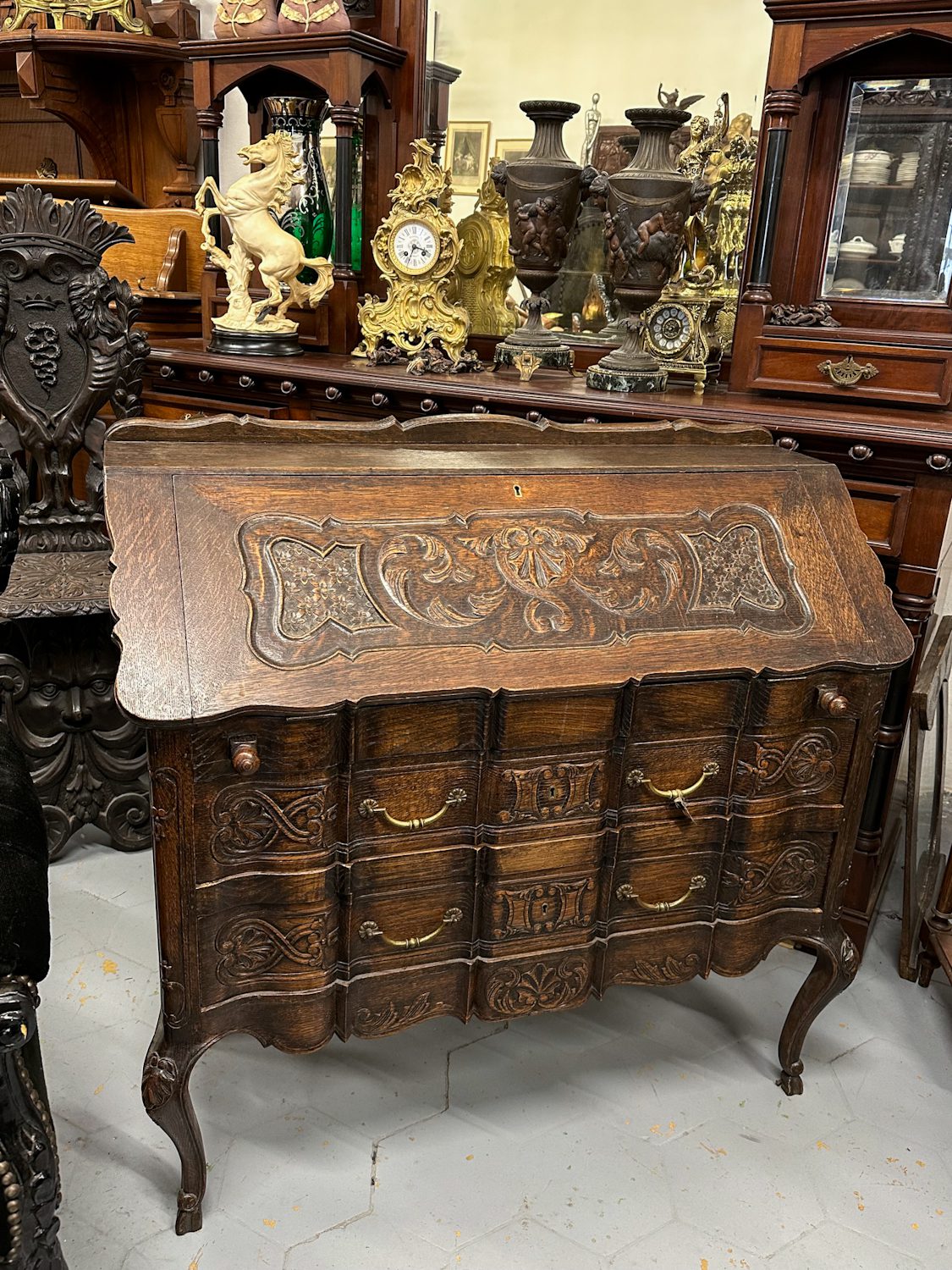
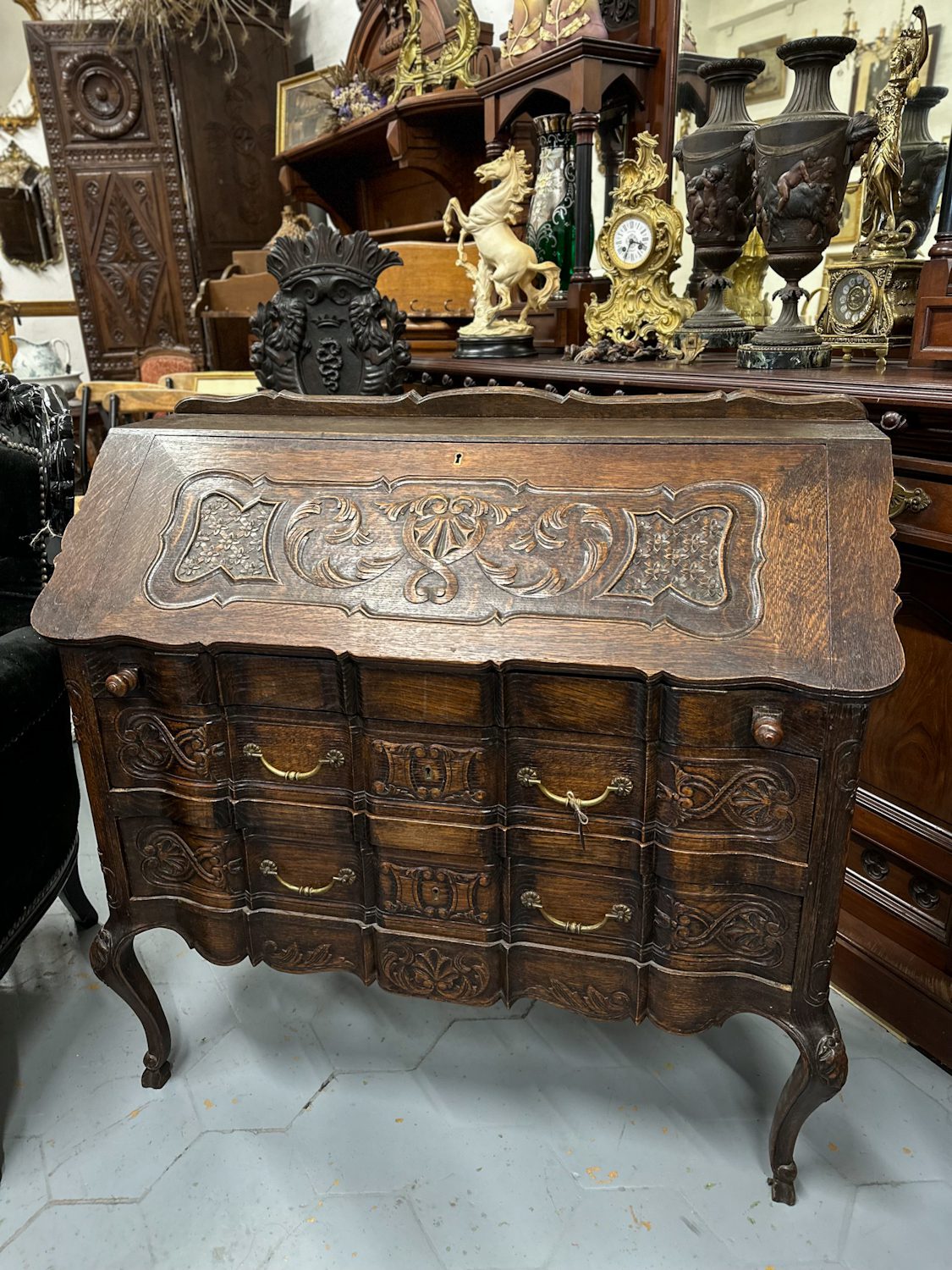
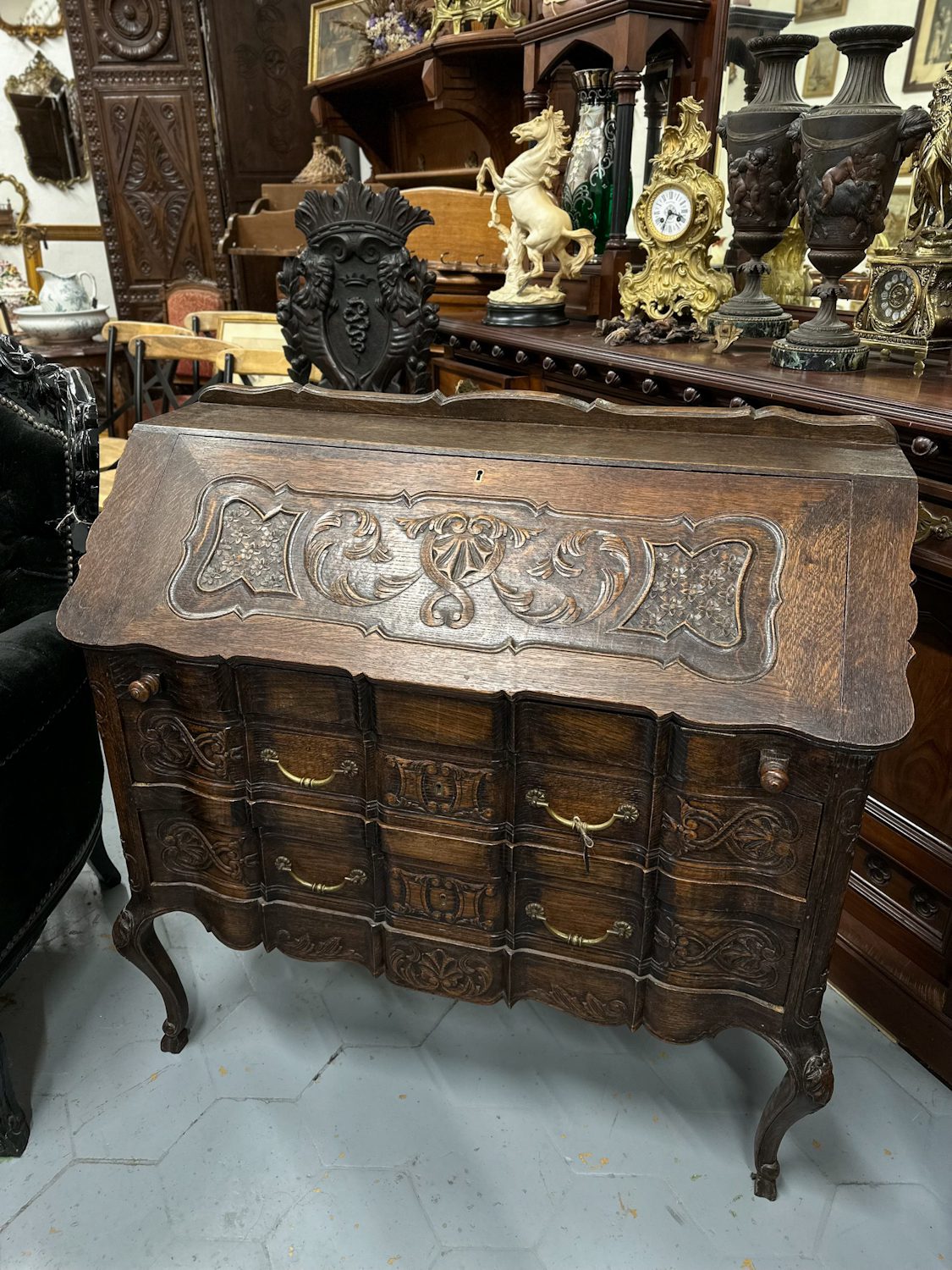
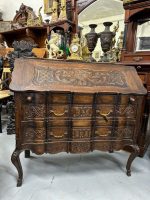
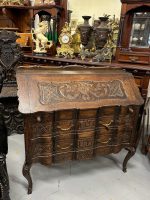
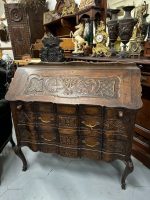
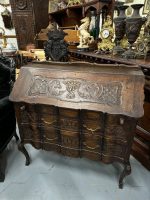
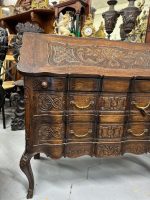
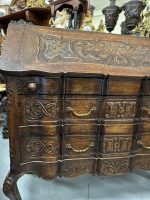
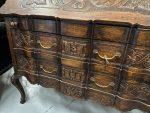
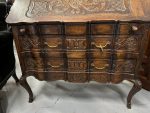
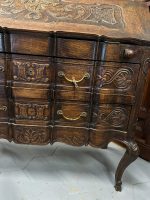
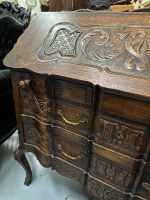
Louis XV Revival Oak Bureau Plat with Fall-Front – Belgium/France, c. 1890 (4123)
Height 98.5 cm Length 100 cm Color BrownWalnutBrass
Description
Louis XV Revival Secretary with Fall-Front — Belgium / Northern France, approximately 1880–1900
This substantial oak secrétaire abattant belongs to the Louis XV Revival — one of the most popular expressions of Historicism that swept the finest cabinetmaking workshops of Belgium and Northern France in the second half of the 19th century. Dating to approximately 1880–1900, it falls at the height of the Belle Époque, when the bourgeoisie of Brussels, Antwerp and Lille demanded furniture echoing 18th-century elegance, but crafted in heavier, more durable oak rather than the original walnut or fruitwood.
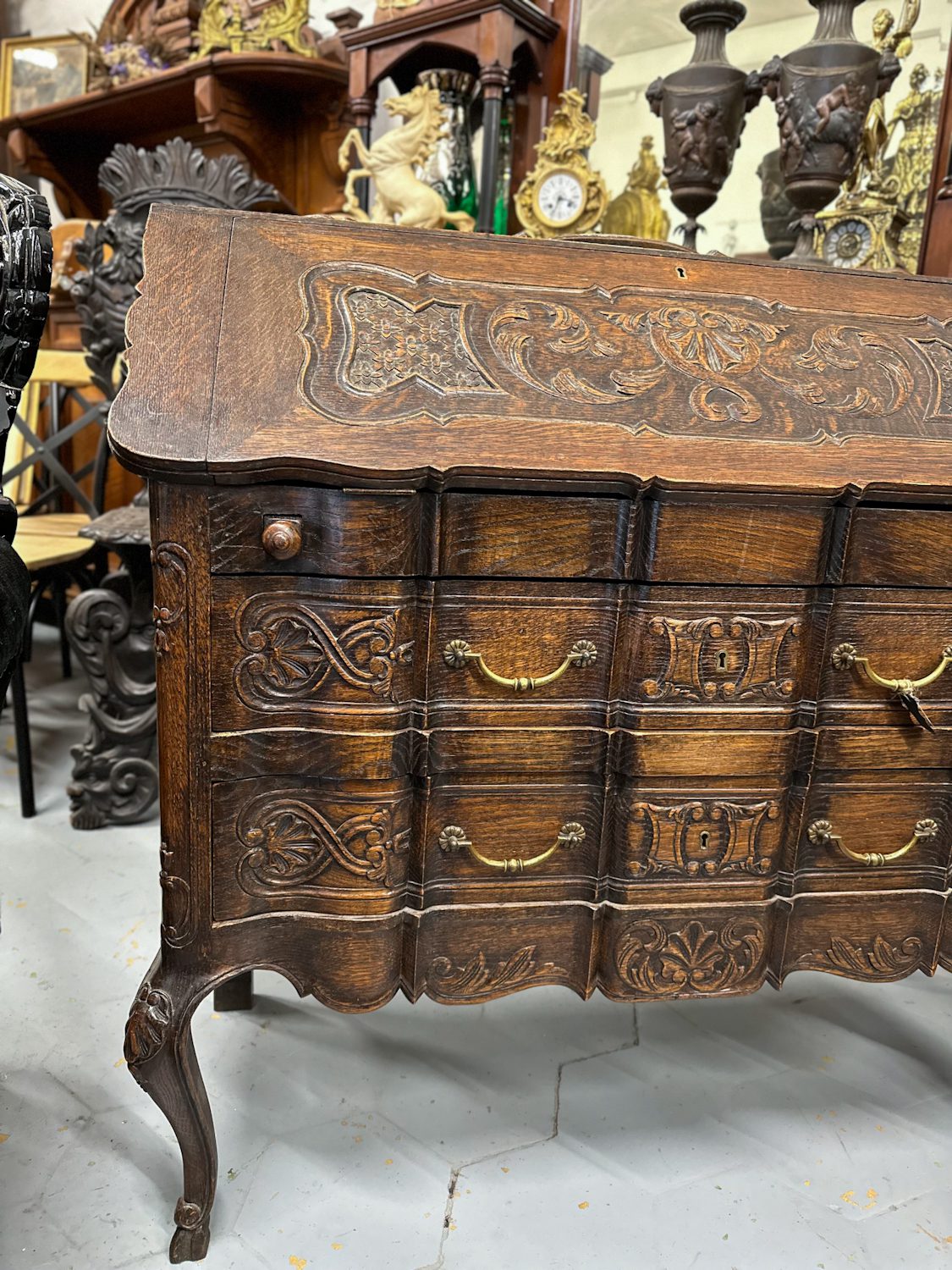
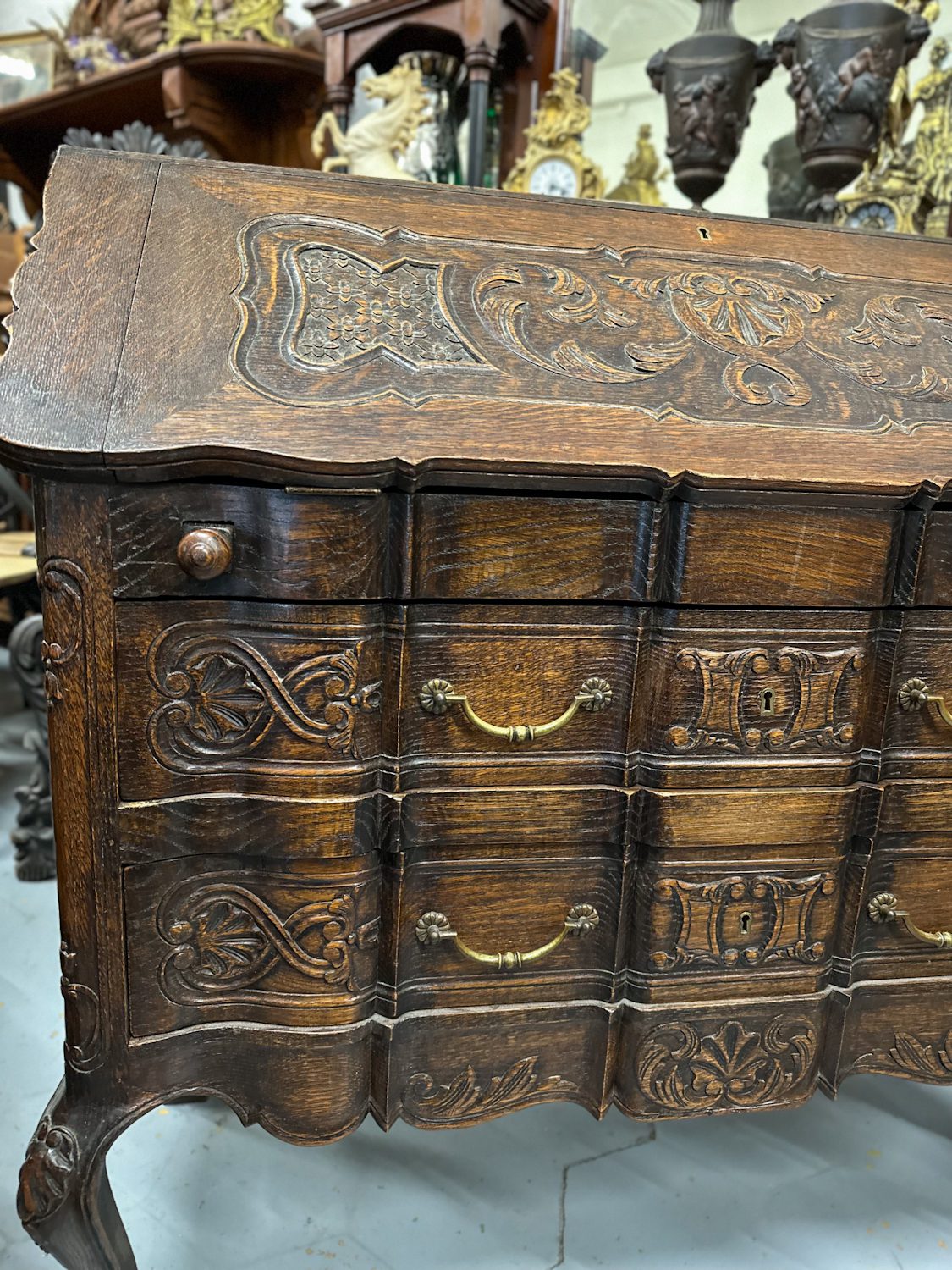
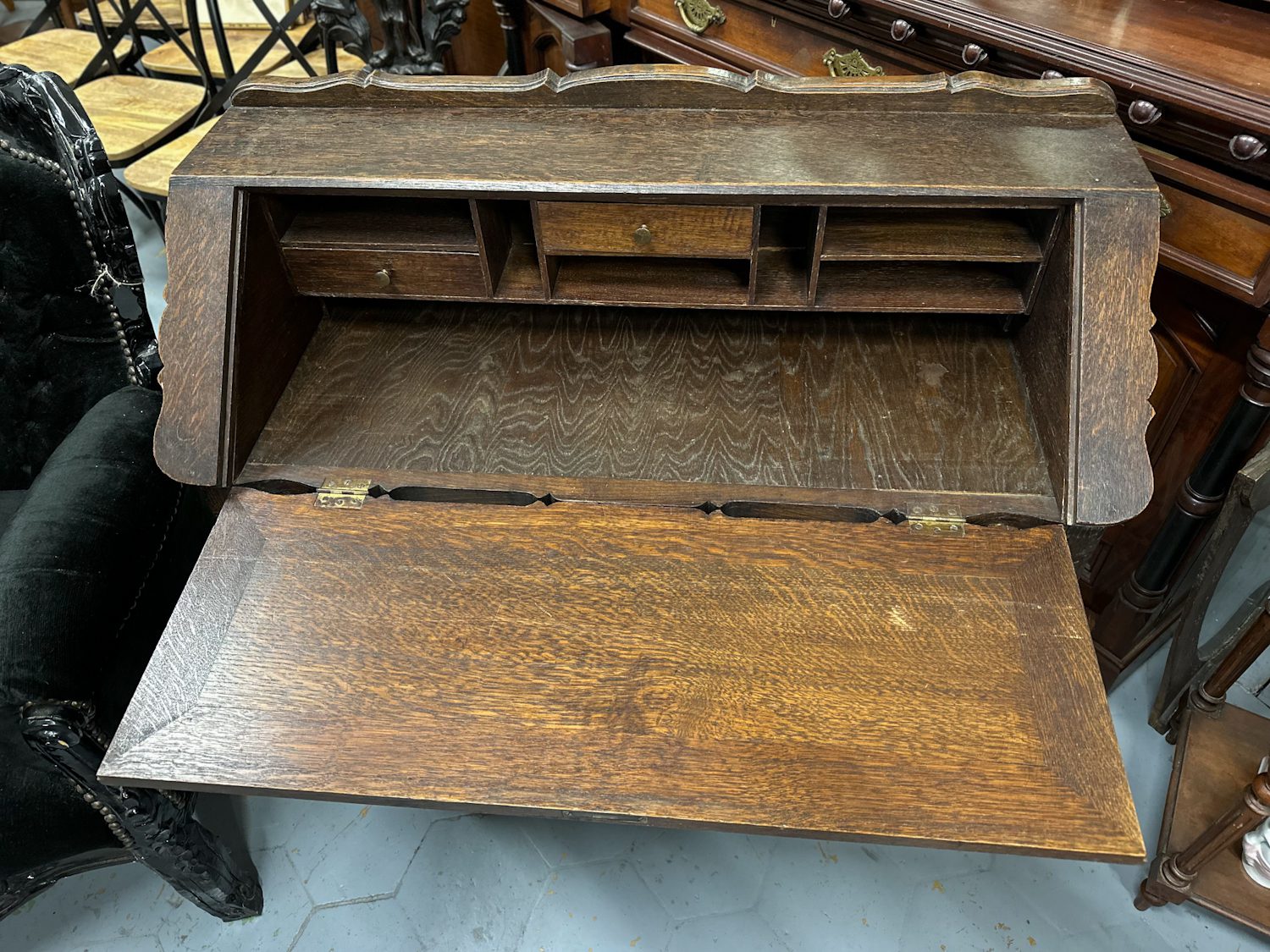
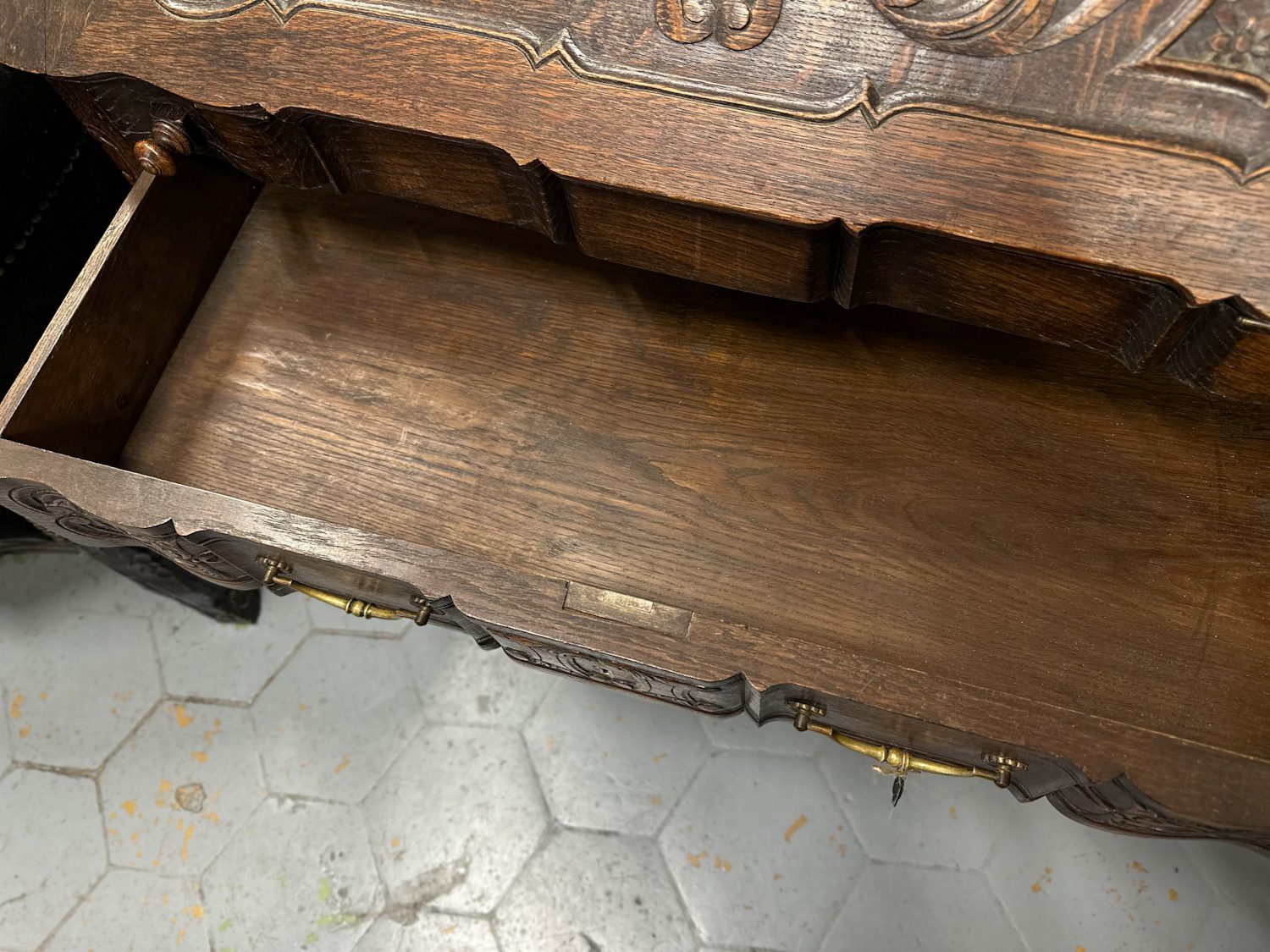
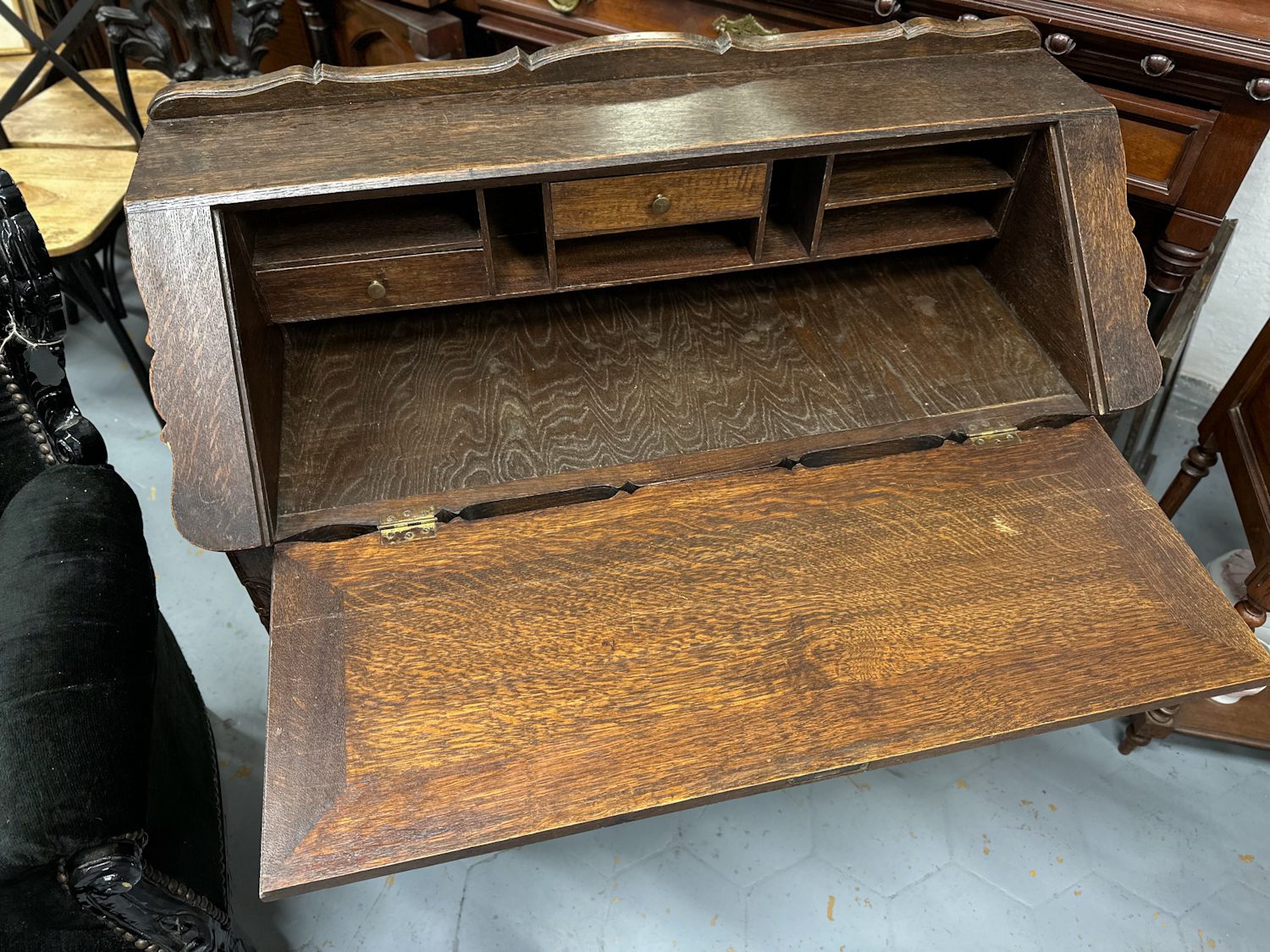
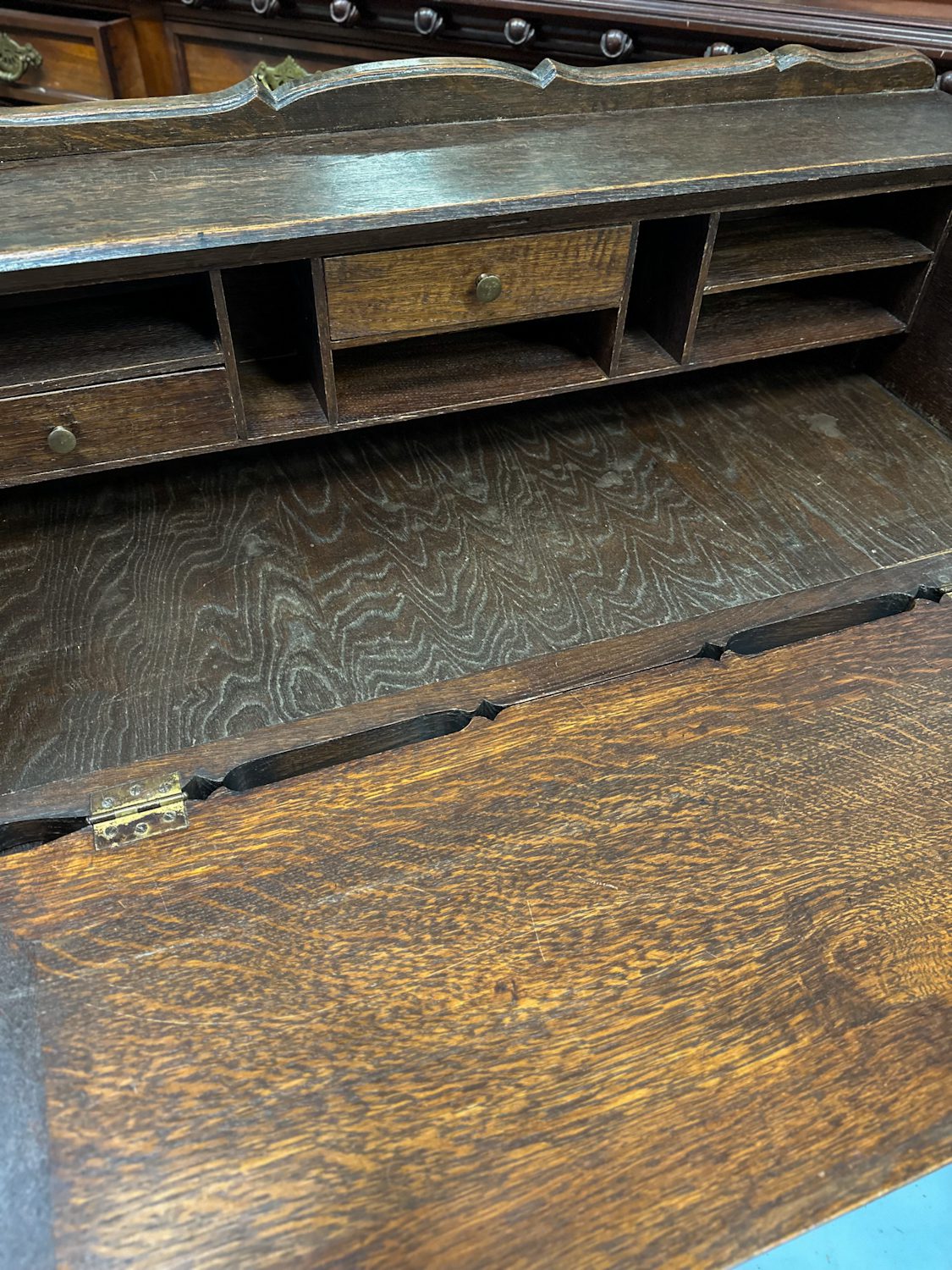
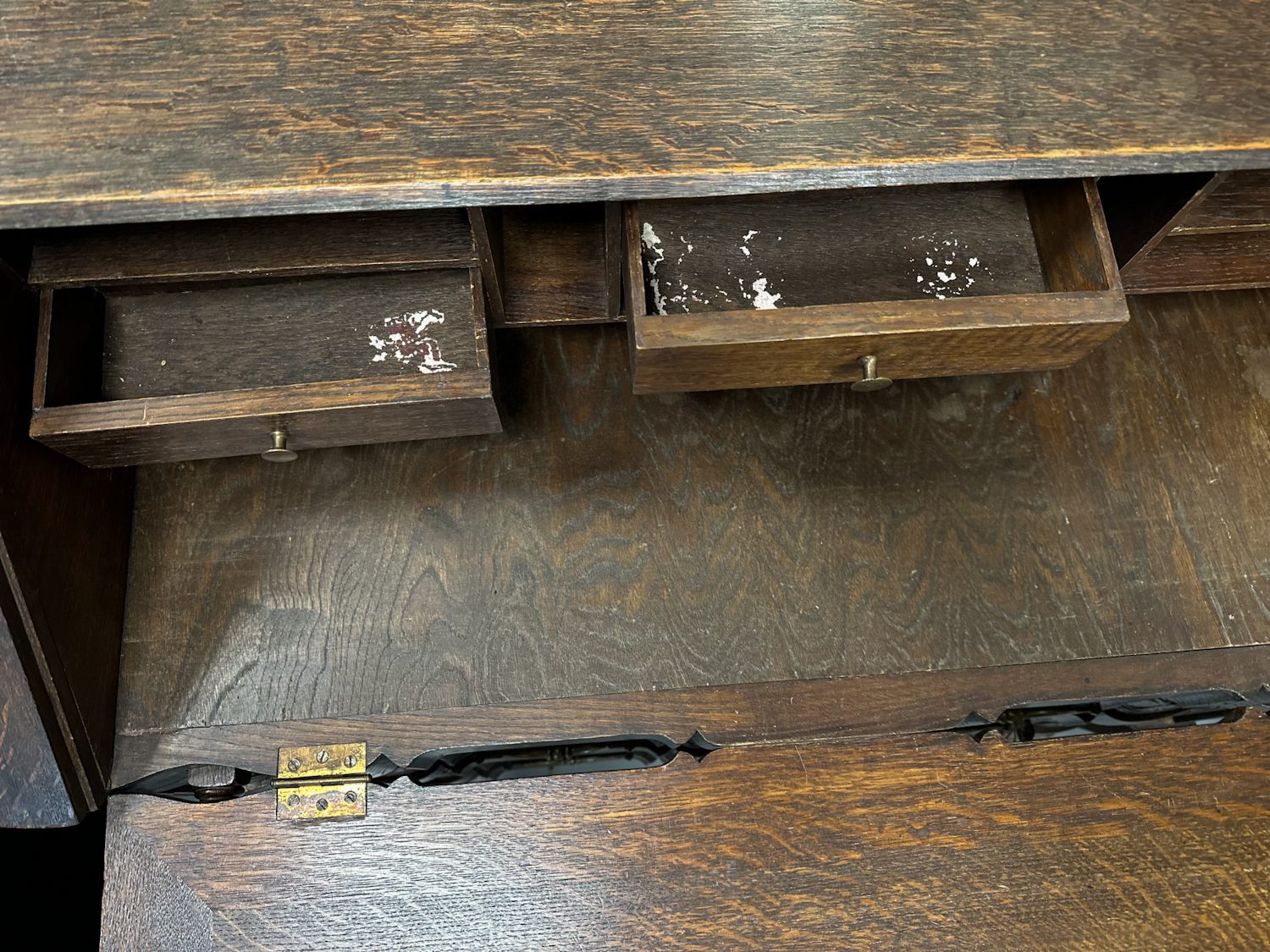
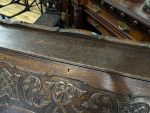
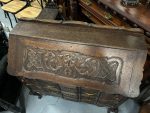
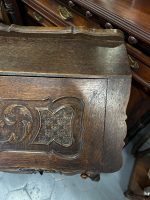
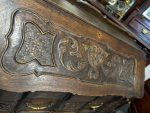
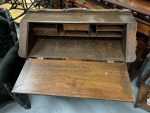
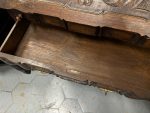
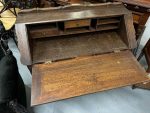
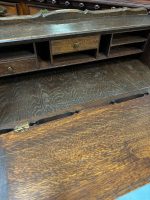
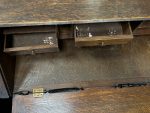
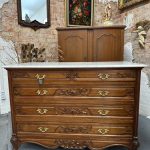
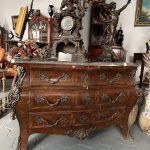
The piece is made in solid dark oak — the traditional material of Flemish and Belgian provincial cabinetmaking — which over more than a century has developed a deep, weighty brown tone impossible to replicate. The fall-front carries rich rocaille carving: a ribbon knot at centre, a cartouche frame, floral garlands and a finely punched ground. The lower section has three wide drawers with pronounced undulating bombé profiles, geometrically stylised corner carvings and original brass handles with escutcheons. Cabriole legs with volute ends. Interior: open compartments for documents and two small drawers with brass button handles.
A Belle Époque moment. In 1893, a Lille textile manufacturer named Vandenberghe acquired this secretary for his new office on the Rue de la Monnaie. His clerk — a young man with precise, even handwriting — opened the fall-front every morning, arranged the papers in three piles and waited for dictation. The manufacturer entered, looked at the desk, looked out the window, looked at the desk again. Then sat down and said: “We’ll begin with Antwerp.” The clerk wrote. The manufacturer signed. The Lille textile trade kept turning.
No maker’s mark is present. The density of the oak and the precision of the bombé drawers point to a Belgian or northern provincial workshop, possibly in the Lille, Ghent or Brussels area. A secrétaire abattant with fully functioning fall-front mechanism, interior compartment system and original hardware of this size is a practical and visually impressive piece. The condition of the item is fully reflected in the photographs.
BESCHREIBUNG AUF
Länge 100 cm × Höhe 98,5 cm × Tiefe 42,5 cm
Style Louis XV Revival en Chêne — Belgique / Nord de la France, vers 1880–1900
Ce massif en chêne appartient au Louis XV Revival — l’une des expressions les plus populaires de l’Historicisme qui s’empara des meilleures ébénisteries de Belgique et du Nord de la France dans la seconde moitié du XIXe siècle. Daté d’environ 1880–1900, il se situe au sommet de la Belle Époque, quand la bourgeoisie de Bruxelles, Anvers et Lille réclamait des meubles à l’écho de l’élégance du XVIIIe siècle, mais en chêne plus massif et durable.
Fabriqué en chêne sombre massif, le bois a développé en plus d’un siècle un ton brun profond et pesant impossible à reproduire. L’abattant porte une riche sculpture rocaille — un nœud de ruban au centre, un cadre cartouche, des guirlandes florales. Le bloc inférieur comporte trois larges tiroirs aux profils ondulés bombé prononcés et une quincaillerie en laiton originale. Pieds cabriole. Intérieur: compartiments ouverts et deux petits tiroirs.
Un instant Belle Époque. En 1893, un fabricant de textile lillois du nom de Vandenberghe acquit ce secrétaire pour son nouveau bureau de la Rue de la Monnaie. Son secrétaire — un jeune homme à l’écriture précise et régulière — ouvrait l’abattant chaque matin, disposait les papiers en trois piles et attendait la dictée. Le fabricant entrait, regardait le bureau, regardait par la fenêtre, regardait à nouveau le bureau. Puis s’asseyait et disait : « On commencera par Anvers. » Le secrétaire écrivait. Le fabricant signait. L’industrie textile lilloise continuait de tourner.
Un avec mécanisme d’abattant entièrement fonctionnel et quincaillerie d’origine de cette taille est un objet à la fois pratique et visuellement saisissant. L’état de la pièce est entièrement reflété dans les photographies.