A Renaissance moment, Martin Luther: It was a late October evening in 1518, and only a single dim candle flickered in the cold cell of the Augsburg monastery, casting long, restless shadows on the bare stone walls. The monk, his… 1 250,00 €
You’re now subscribed to price tracking for this product. We’ll notify you if the price drops. 
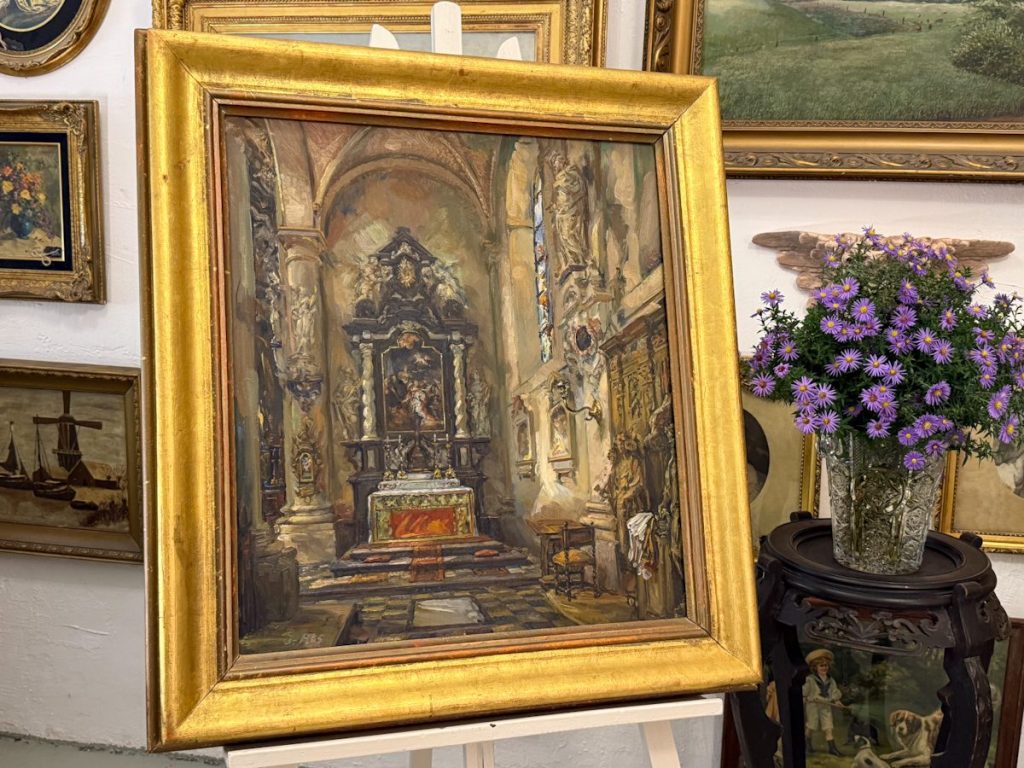
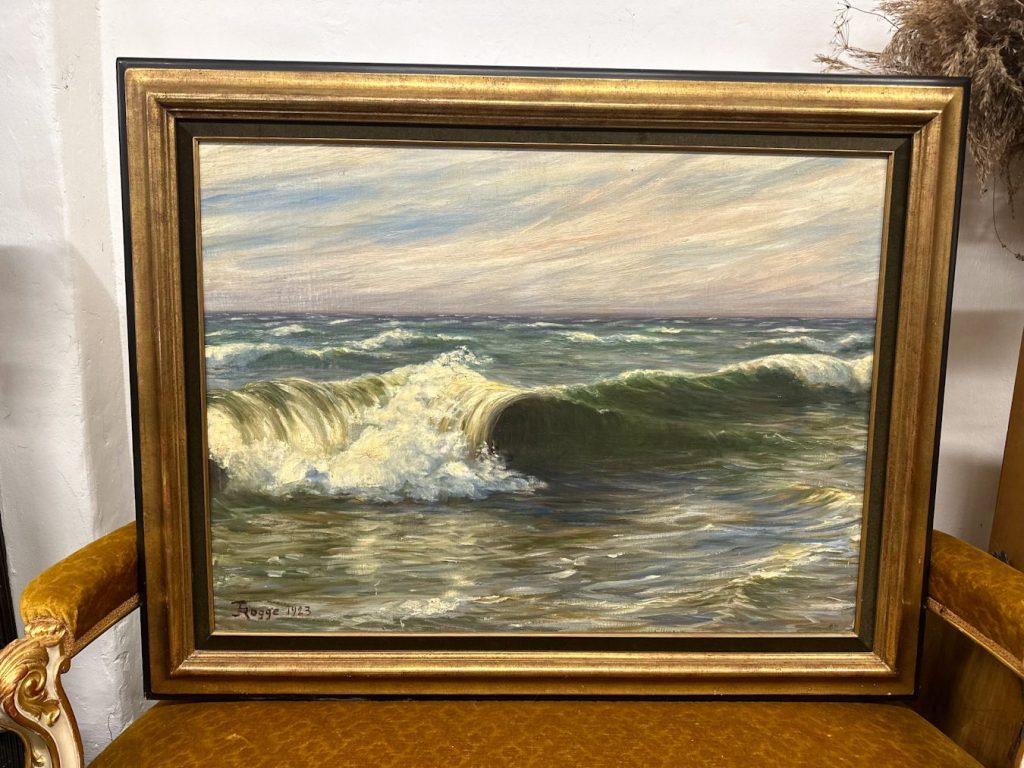
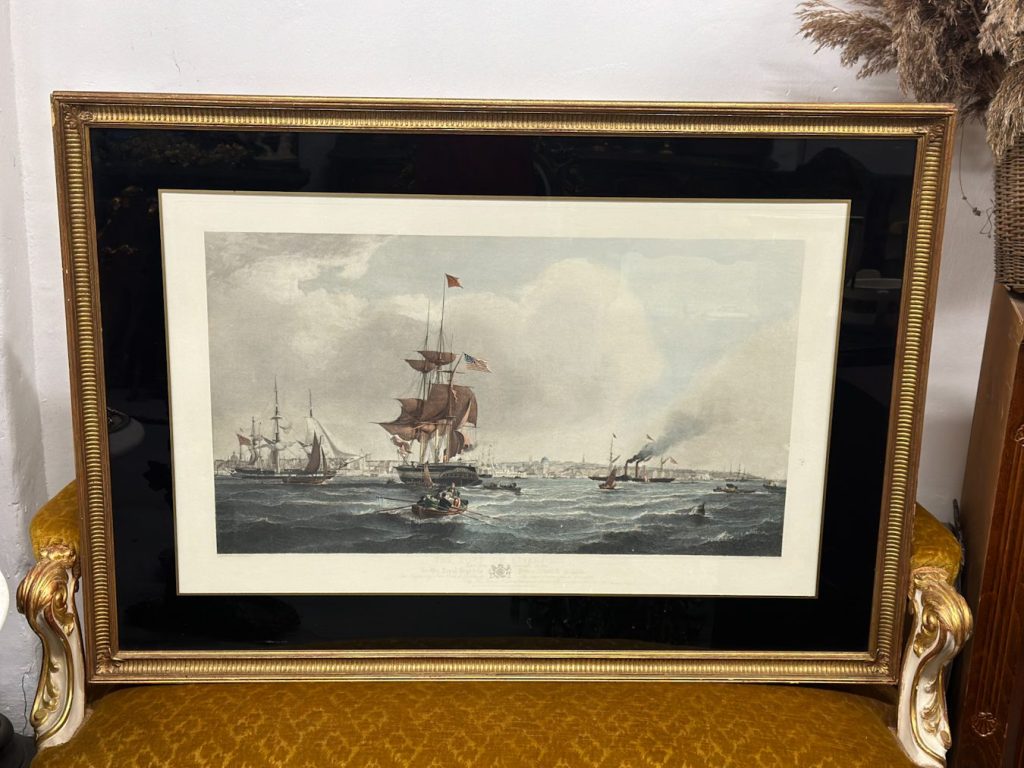
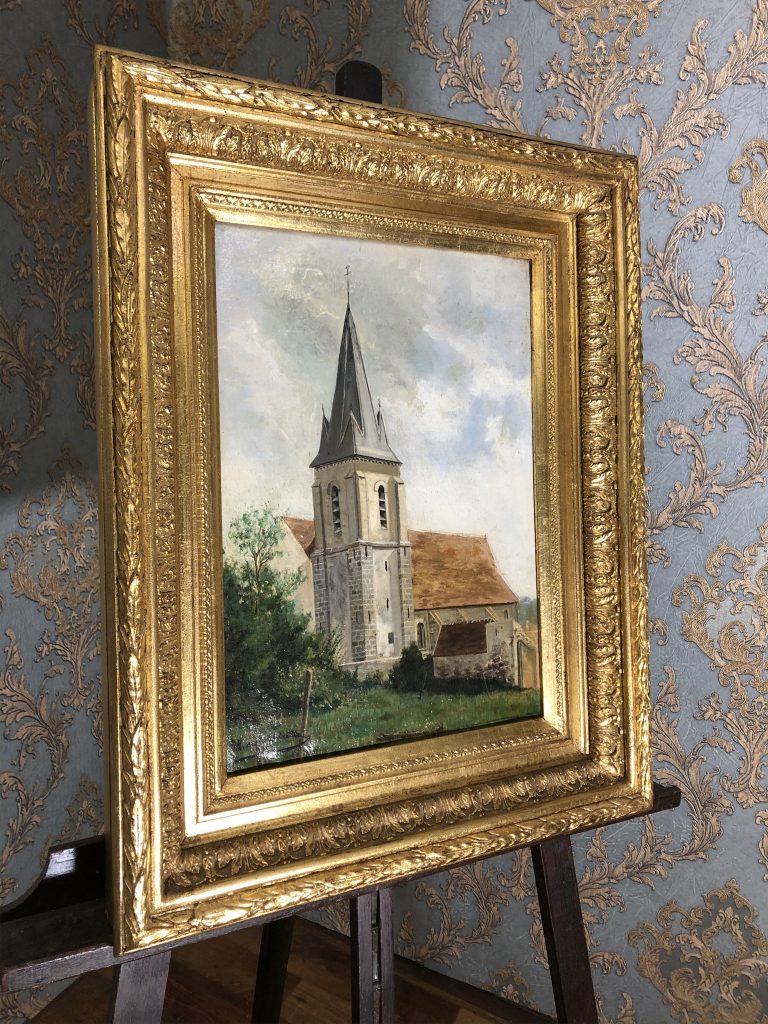
Historical oil painting in a gilded frame — “Martin Luther at Cardinal Cajetan” in the Academic style (6013)
Height 111 cm, 91.5 cm Length 111 cm Width 91.5 cm Color GoldBrownRed


Description
Height: 91.5 cm Length: 111 cm
A Renaissance moment, Martin Luther: It was a late October evening in 1518, and only a single dim candle flickered in the cold cell of the Augsburg monastery, casting long, restless shadows on the bare stone walls. The monk, his face etched with deep fatigue and inner struggle, paced restlessly in the narrow space, clutching the drafts of his theses tightly in his fingers. His gaze occasionally fell upon the massive, gilded frame that seemed to have appeared out of nowhere in the corner of the room — it reflected the tense moment of the recent hour, encapsulated in silent colours.
Within this frame, he saw himself — clad in the rough monk’s habit, standing opposite the cardinal’s scarlet majesty and the imperiously raised finger that threatened excommunication and the pyre. The canvas surface smelled of oil and linseed oil, but the atmosphere of the scene itself exuded dogmatism and the immeasurable weight of the Church. The gold relief around the painting seemed like a reflection of Roman imperial grandeur, attempting to trap the freedom of his conscience in a precious but impenetrable cage.
Luther paused, lowered his hand over the rough, ornamental edge of the frame, and took a deep breath, feeling the coolness of the gilding. This visual fixation was not just a memory; it was a monument to his turning point, where one man’s faith stood against a centuries-old system. He turned away from the dark, oil-soaked canvas to sit at his wooden desk and continue writing — now with the full conviction that his words would be more powerful than any gold or scarlet.
Historical oil painting in a gilded frame — Academic style This expressive artwork is a high-quality oil reproduction in the classic Academic style. The painting masterfully captures the scene “Martin Luther at Cardinal Cajetan in Augsburg” created by the iconic Belgian historical painter Ferdinand Pauwels, immortalizing one of the most decisive moments of the European Reformation.
Period of Creation The painting was most likely created in the late 19th or early 20th century, when academic copies of historical art were in high demand among intellectual and spiritual circles.
Artist / Signature The signature “F. Pauwels” is clearly visible in the lower left corner of the painting. This is a sign of professional and very conscientious work by a copyist who has retained the original artist’s name as a tribute to the original 19th-century masterpiece. The canvas painting demonstrates a high level of technical proficiency and precise use of light and shadow, emphasizing the dramatic contrast of the cardinal’s red attire with Luther’s simple cloak.
Rarity and Significance Large-format historical paintings with such strong theological and cultural significance are a rare and sought-after treasure. It is not only an exquisite decoration for a room but also a story of courage, freedom of conscience, and a turning point in European thought. The painting’s frame – a massive, gilded wooden frame with rich floral reliefs – lends this work a museum-worthy monumentality.
Application Due to its medium-large format (111 x 91.5 cm including the frame), this painting is ideally suited for a library, a spacious study, the rooms of theological institutions, or a luxurious classical-style living room. It will become a powerful intellectual and visual focal point in any interior.
Condition The painting is well-preserved. The canvas and oil paint layer have developed a natural patina over time, which only enhances the antiquity and historical aura of the item. The massive gilded frame has remained stable with minor, natural signs of age. The condition of the item is fully reflected in the photographs.