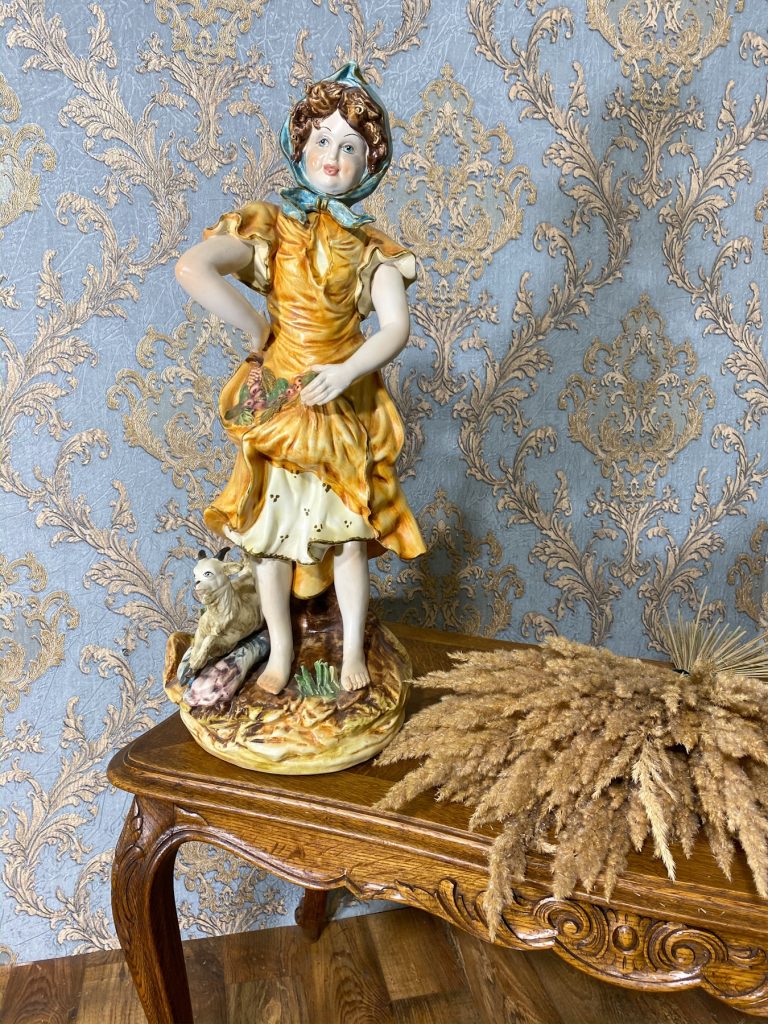
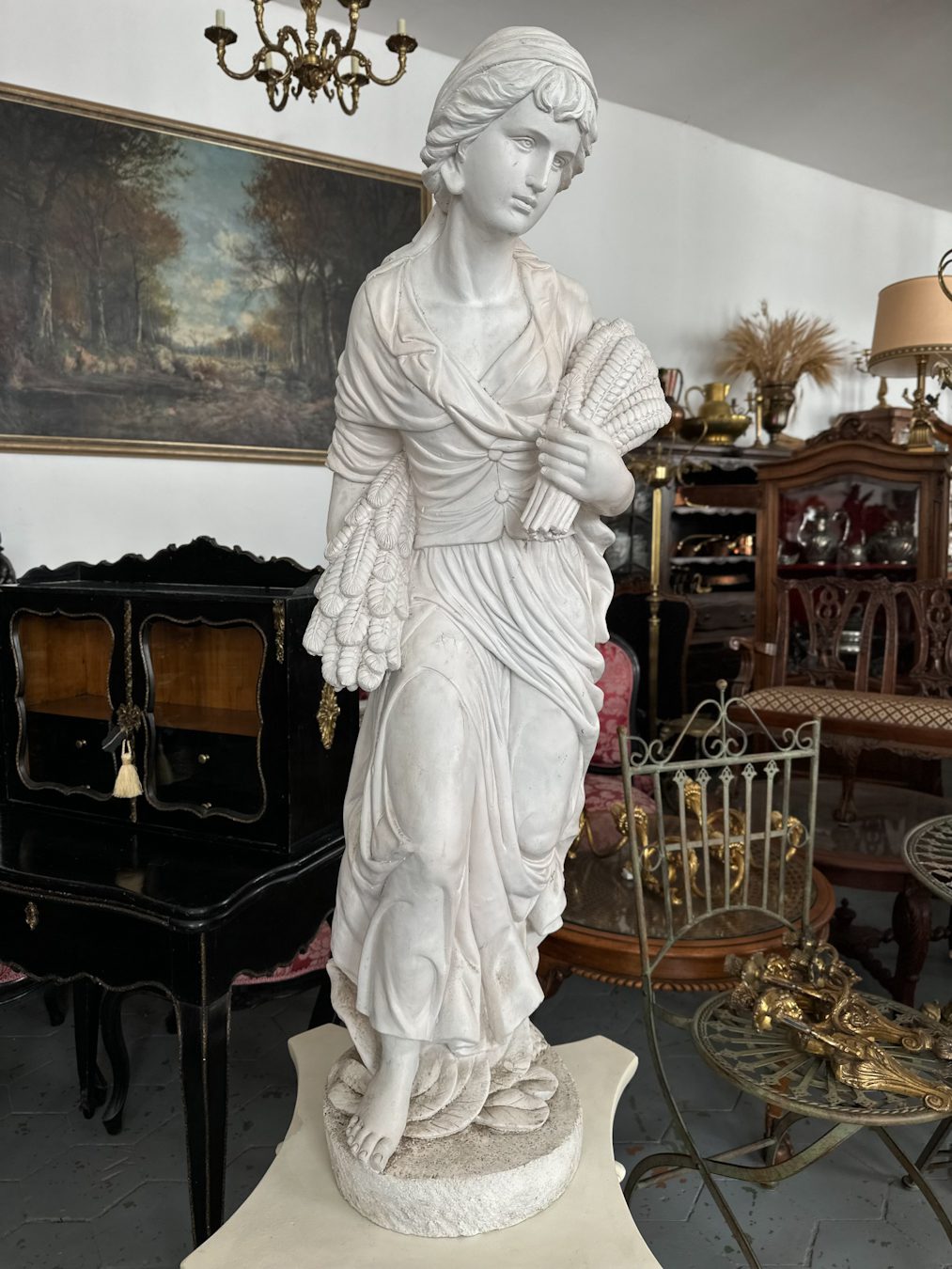
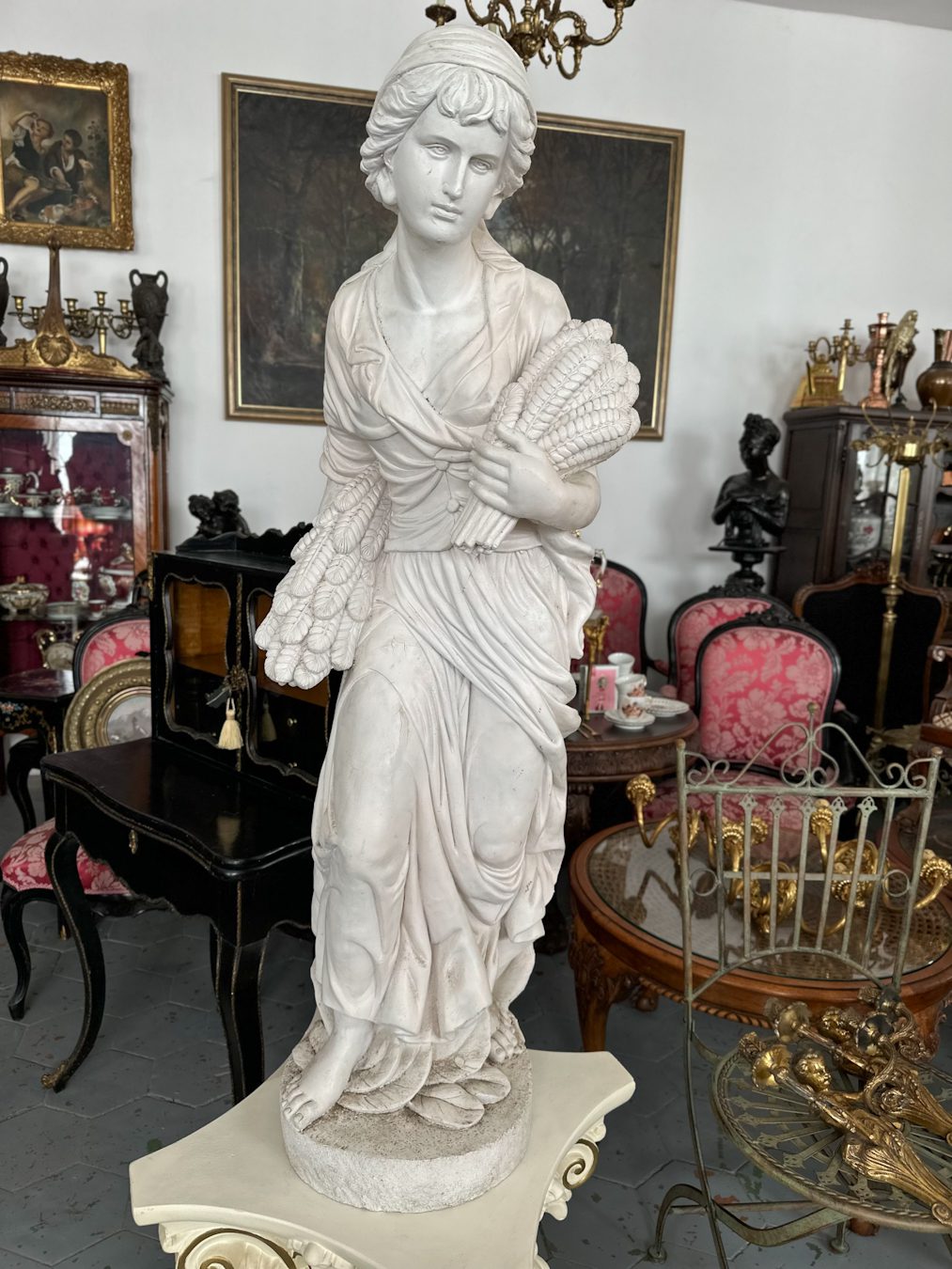
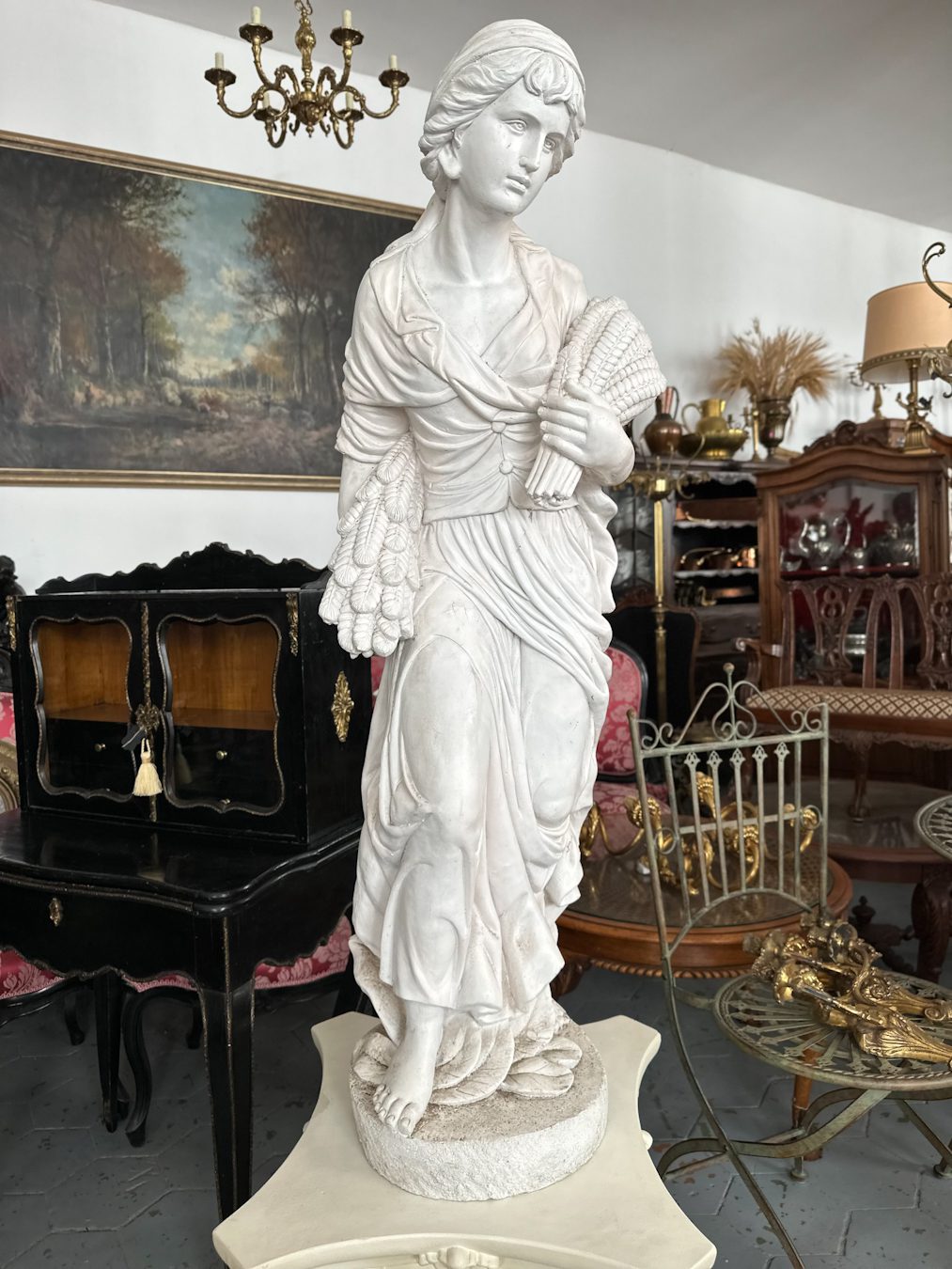
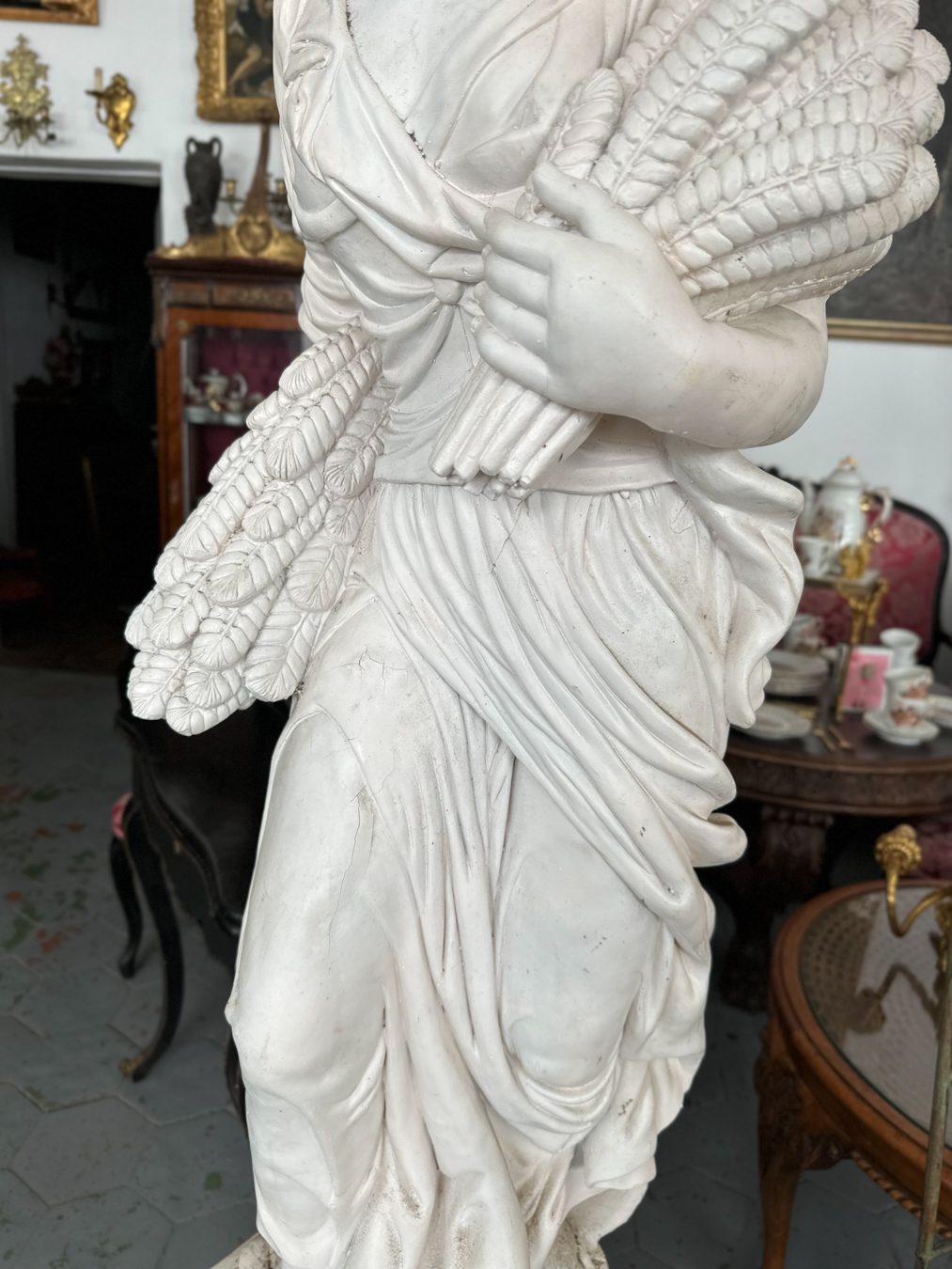
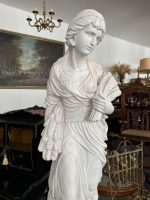
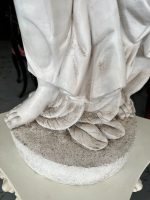
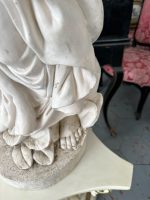
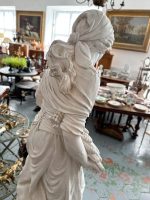
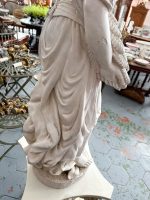
This large-scale garden figure of Demeter or Ceres, the Goddess of Harvest, embodies the Neoclassical style. Originating from France or Italy, it dates back to the late 19th or early 20th century. A magnificent piece for any garden or estate. 550,00 €
You’re now subscribed to price tracking for this product. We’ll notify you if the price drops. 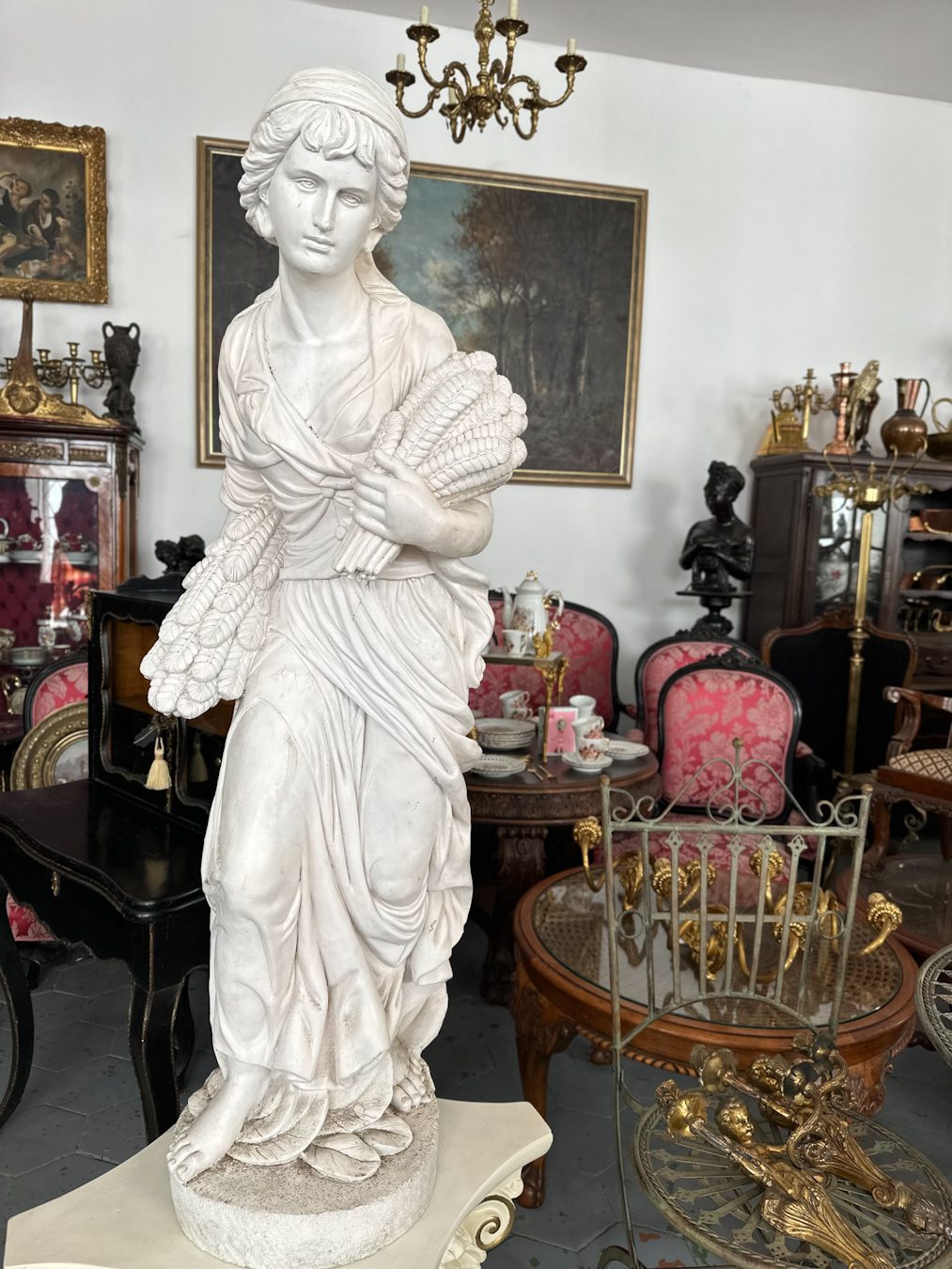
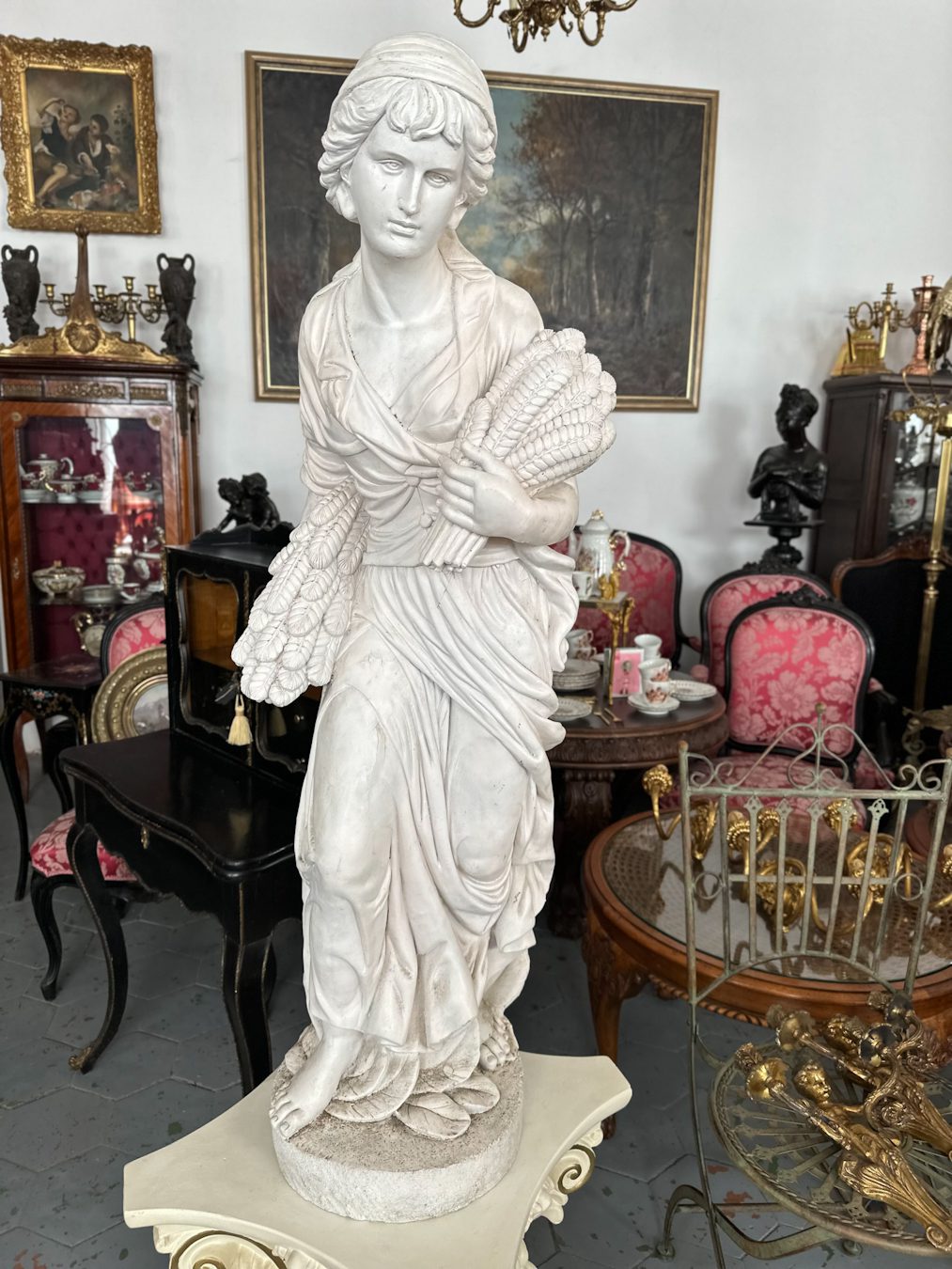
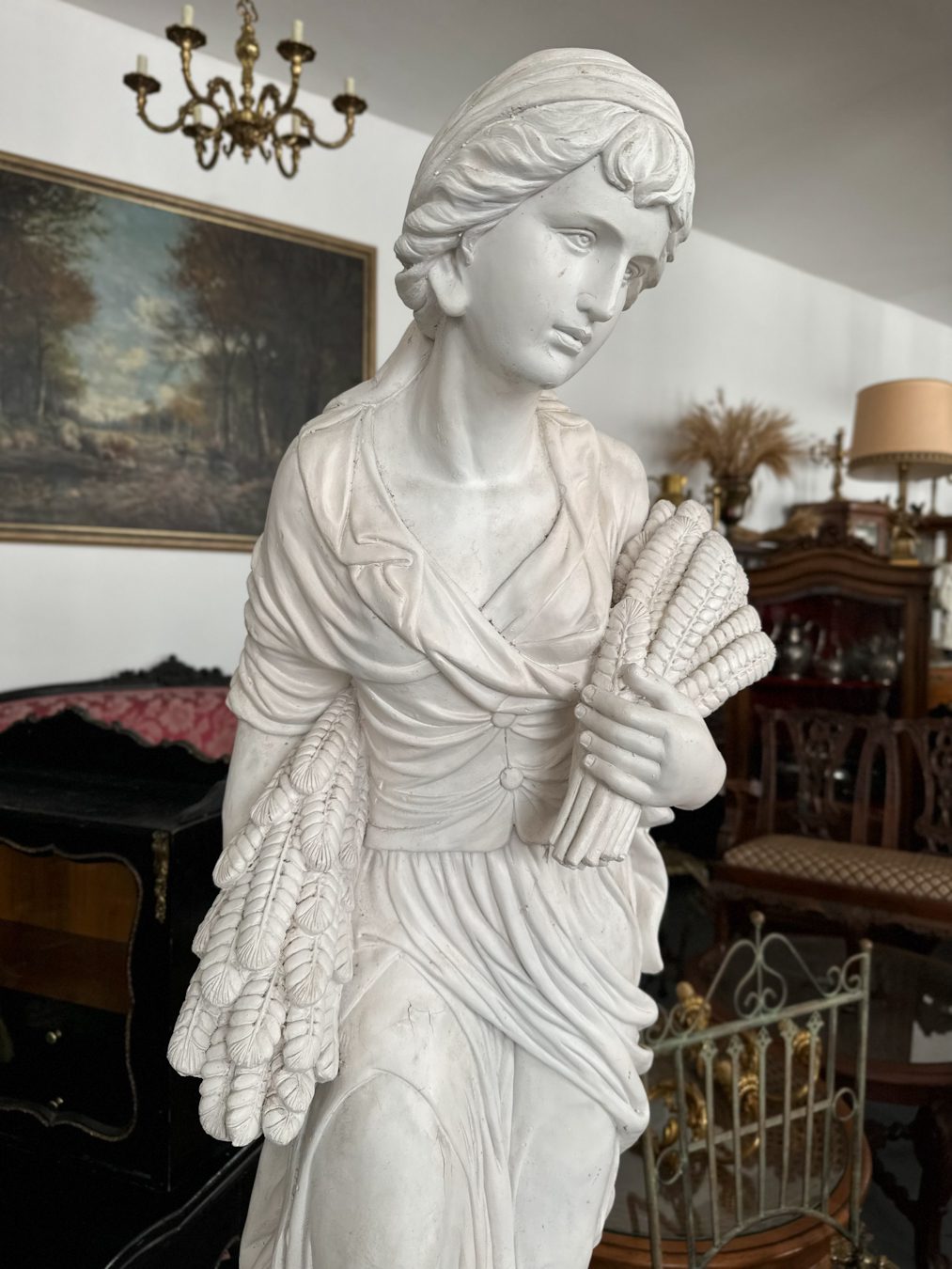
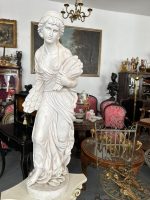
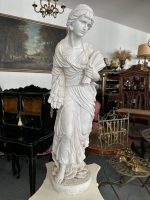
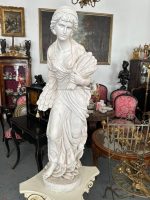
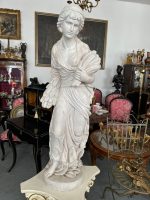
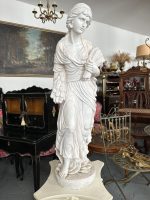
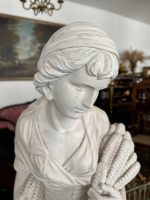
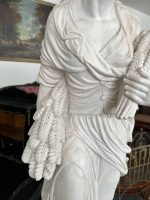
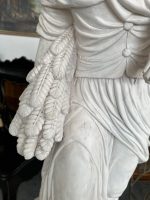
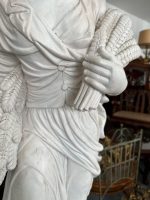
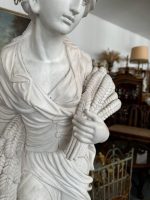
Liela Izmēra Sievietes Figūra Dārzam (4839)
Height 119 cm Width 37 cm
Description
DESCRIPTION IN
Demetra or Ceres — Goddess of the Harvest, Large-Format Garden Figure — Neoclassicism, France or Italy, circa 1880–1920
―――――――――――――――――――――
📐 DIMENSIONS
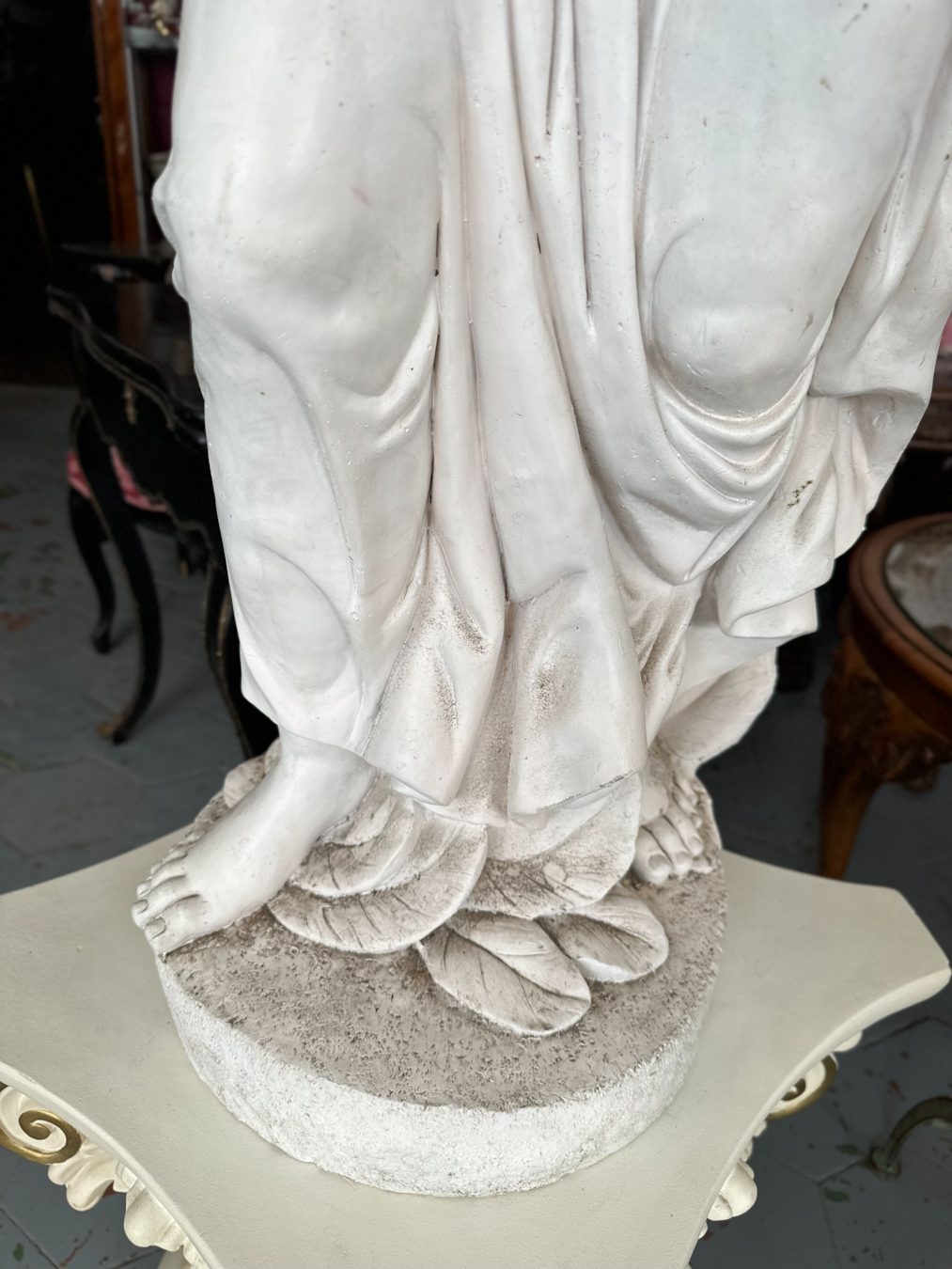
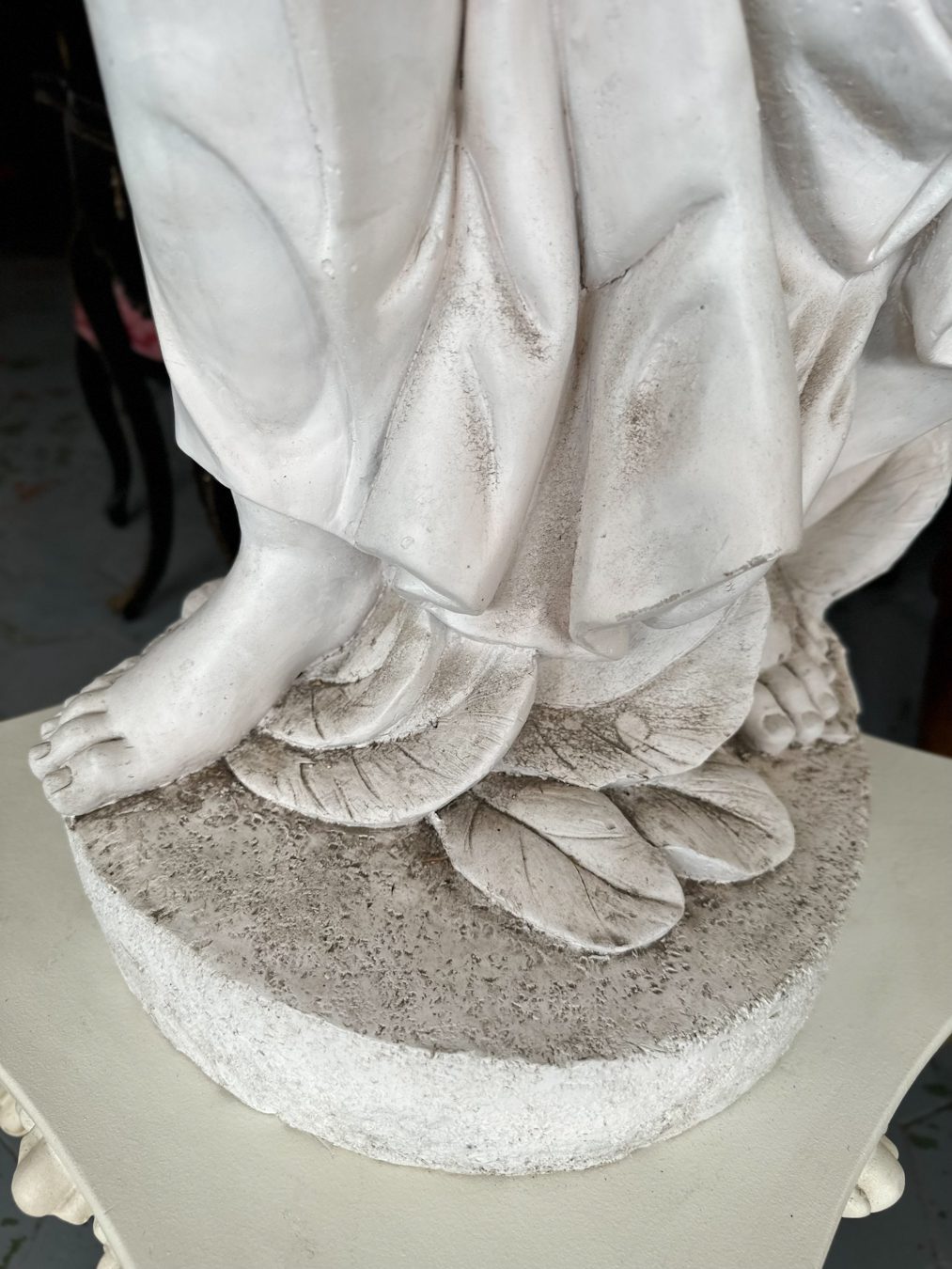
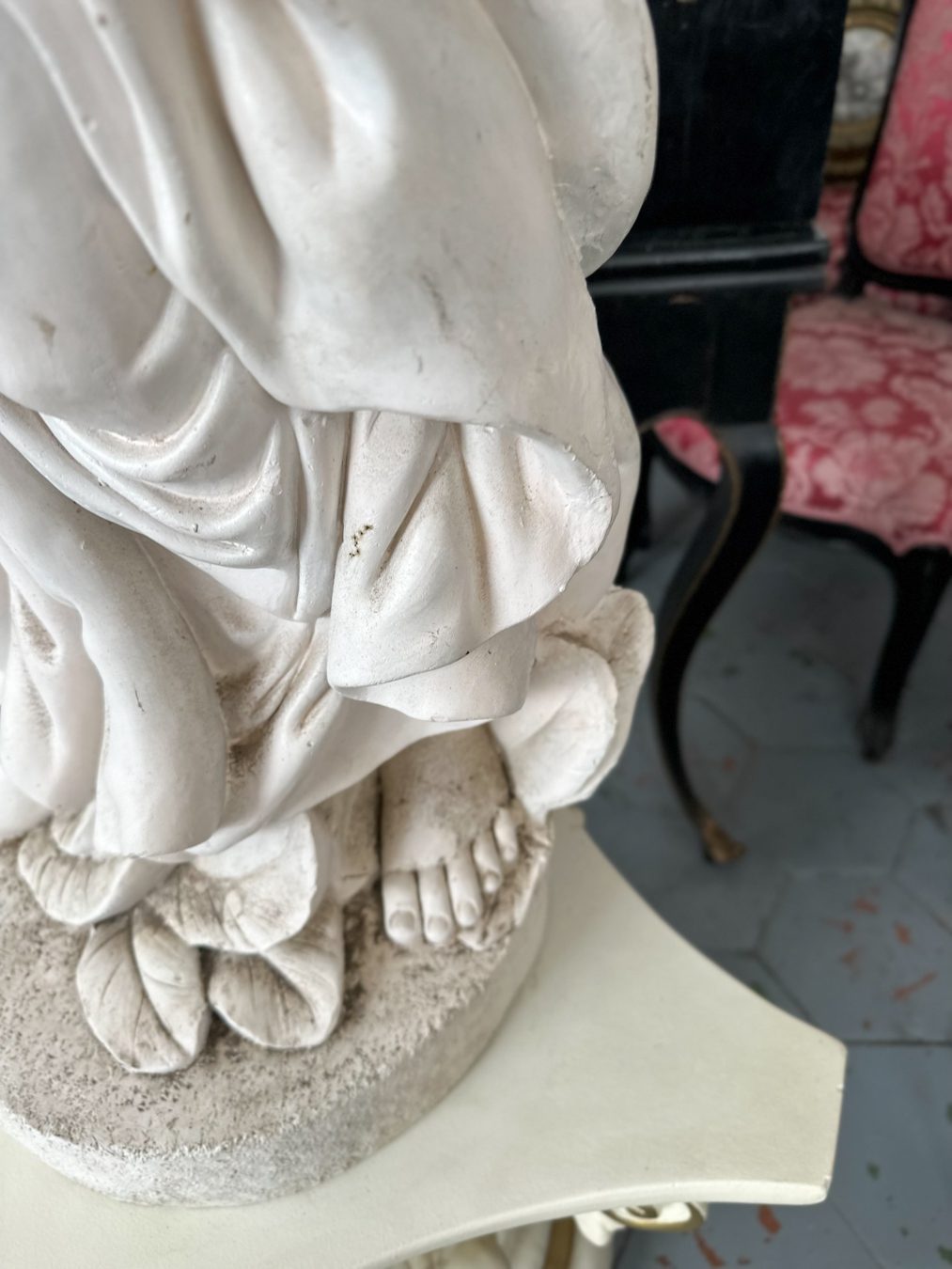
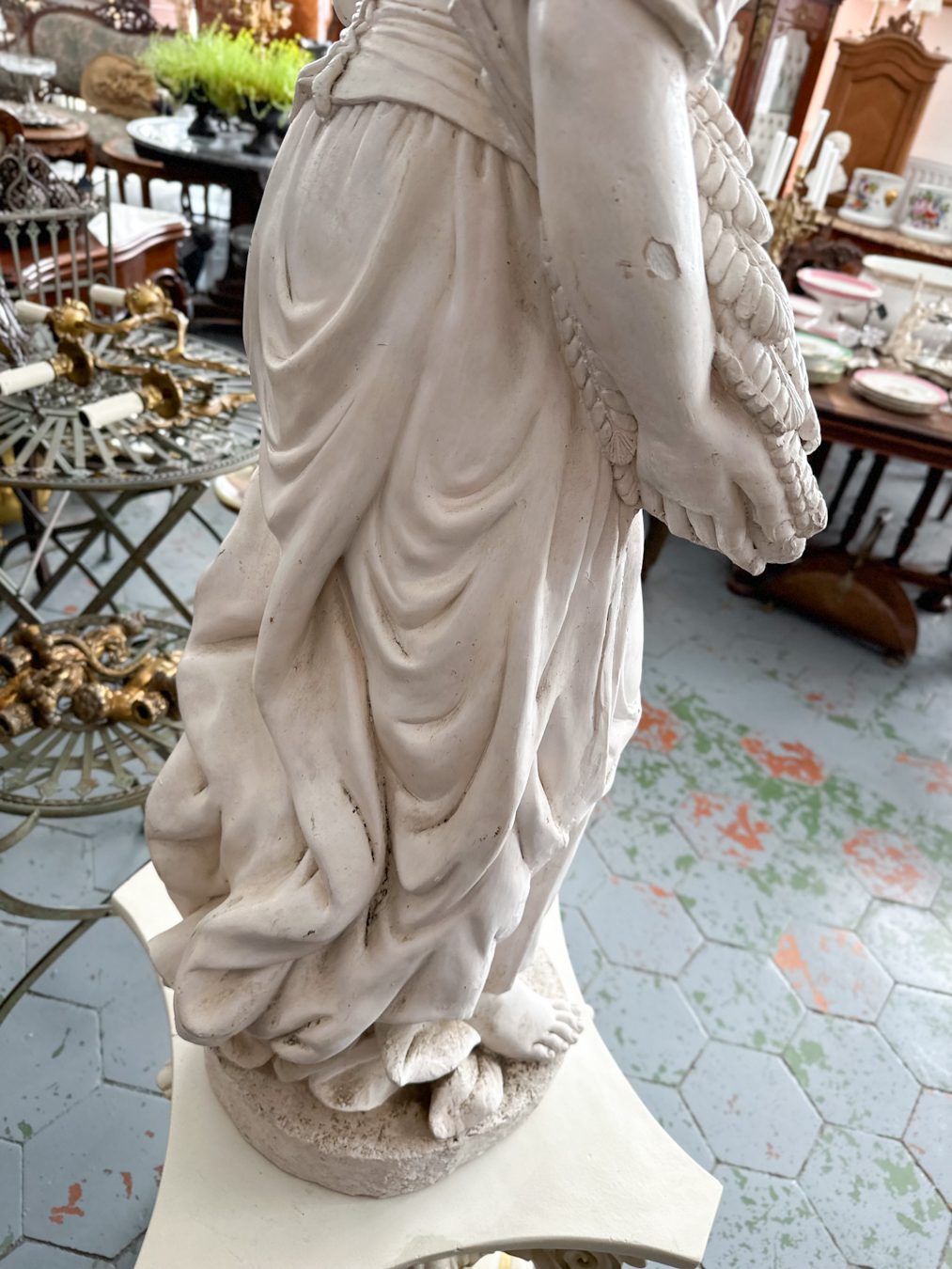
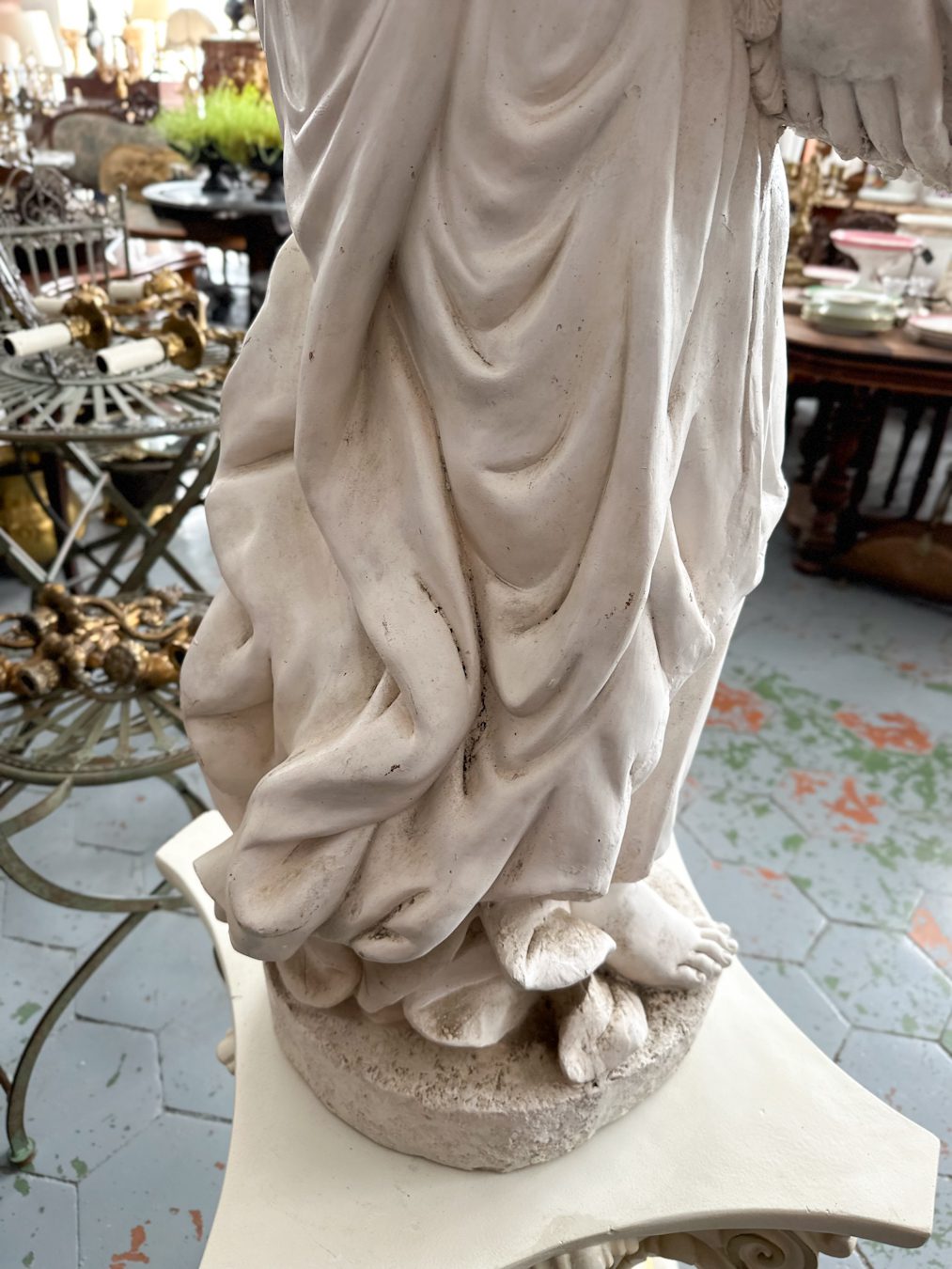
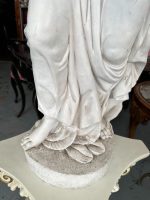
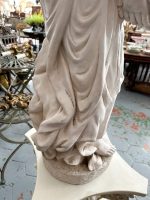
Height: 119 cm. Width: 37 cm. Weight: very substantial — a massive plaster or composite cement cast, intended for outdoor or monumental indoor use. Circular, roughly textured base with leaf motifs.
―――――――――――――――――――――
🏛️ PERIOD, ARTISTIC STYLE, ERA
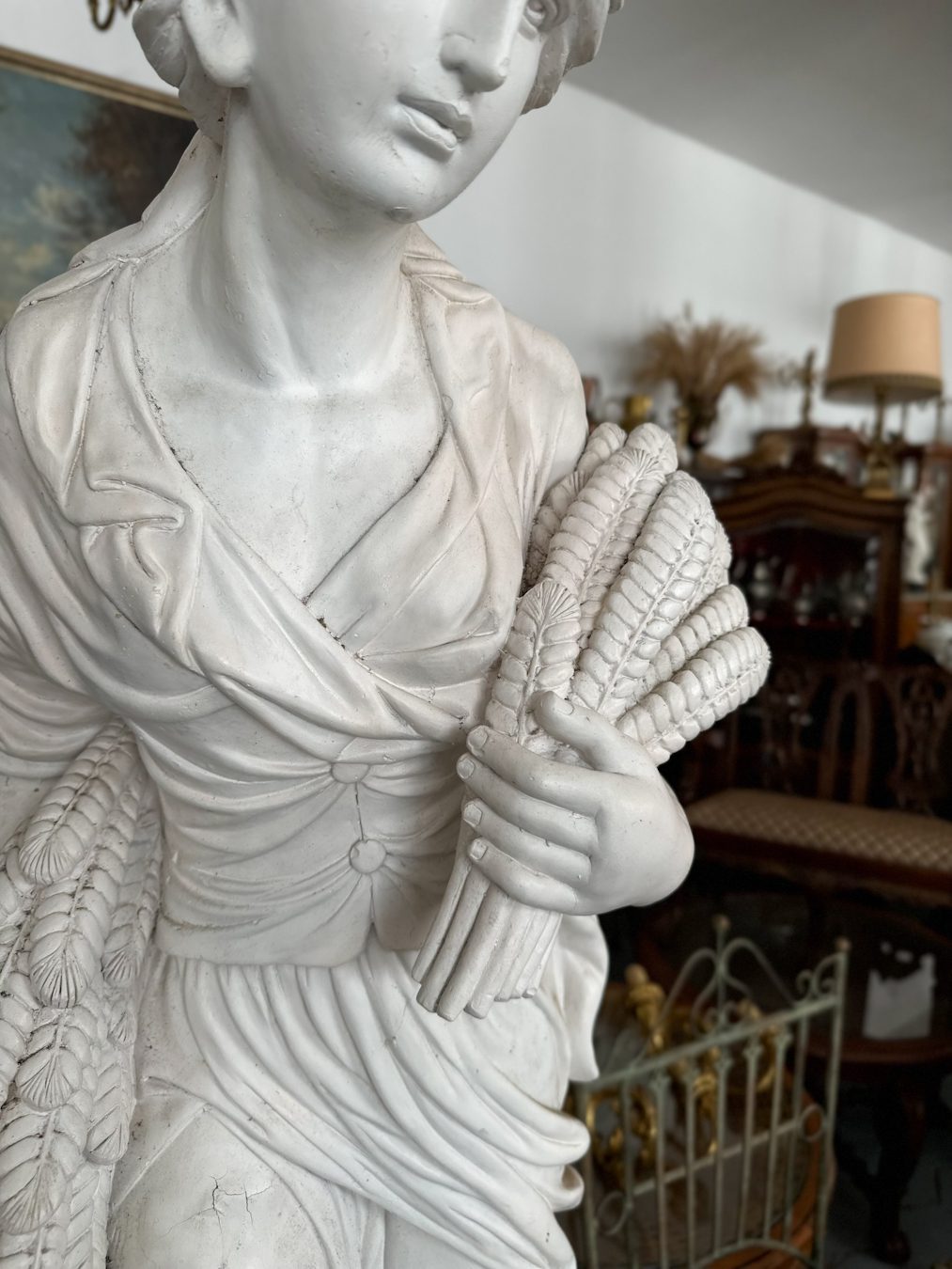
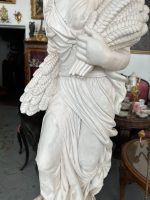
This figure belongs to the Neoclassical tradition, which dominated European art from the late 18th century and continued to exert a powerful influence on decorative sculpture well into the second half of the 19th century and the early 20th. Neoclassical sculpture revived Greek and Roman mythological subjects, rendering them with academically precise anatomy, freely flowing drapery and idealised facial beauty — all of which are fully exemplified in this figure.
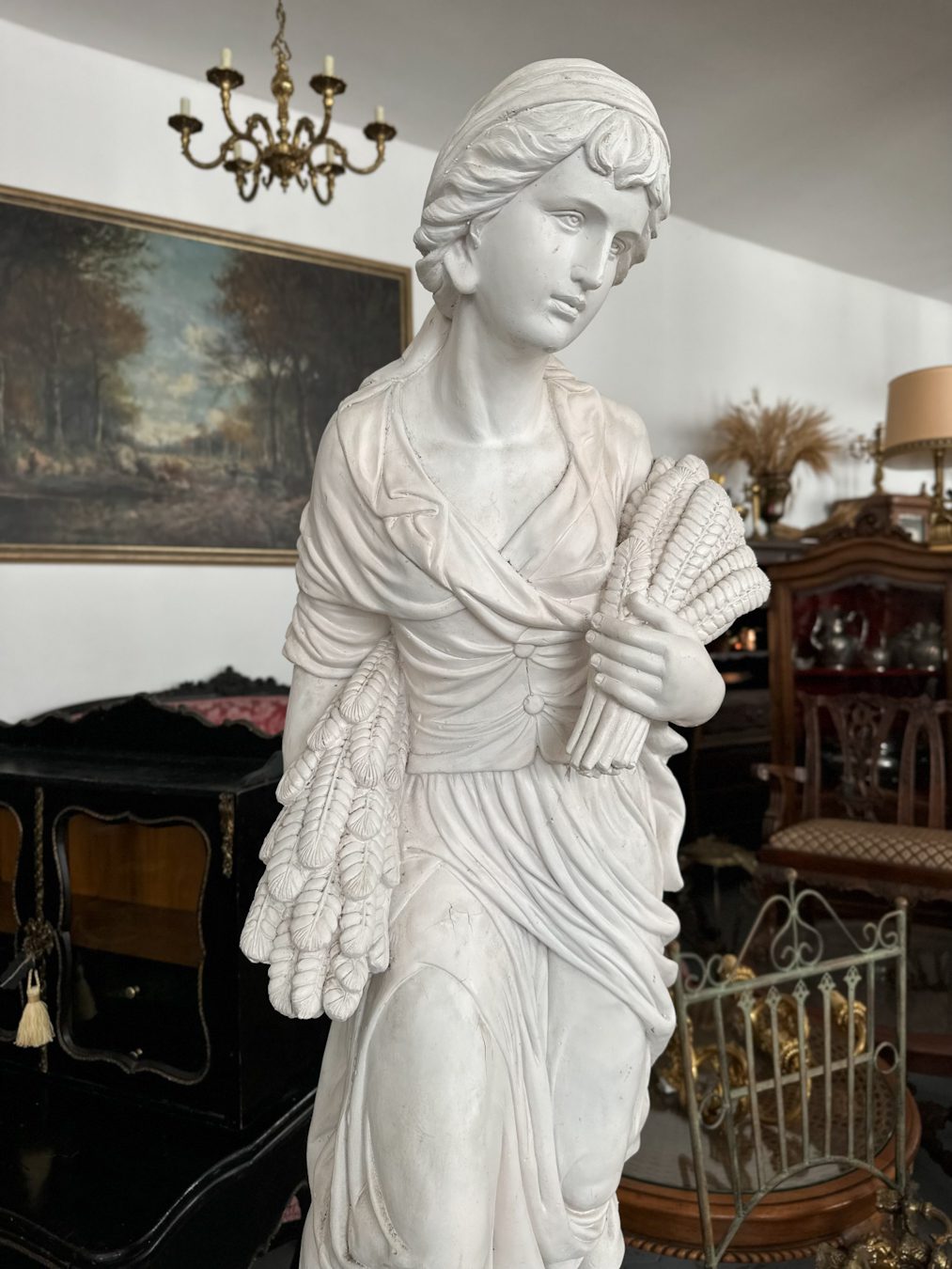
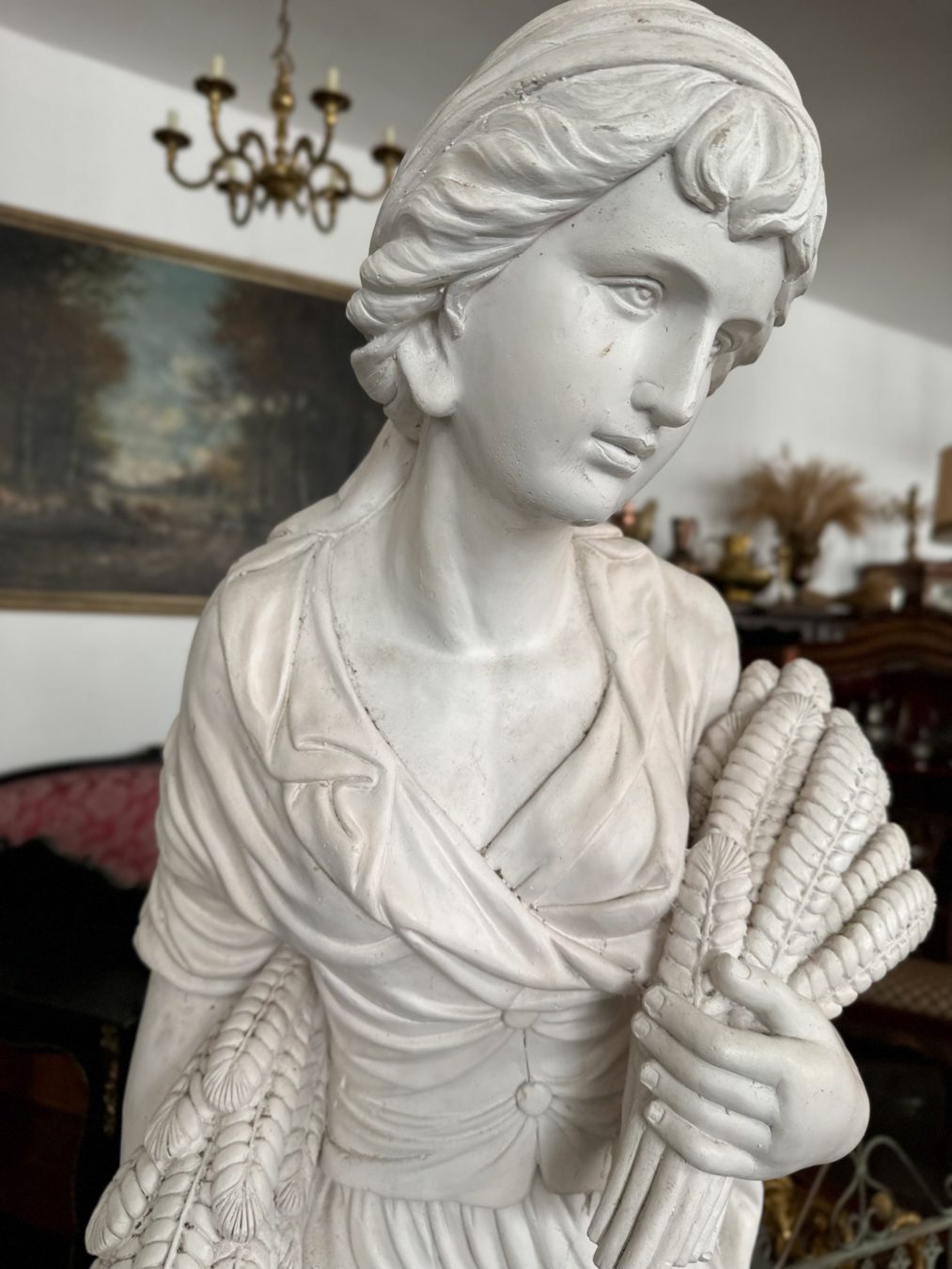
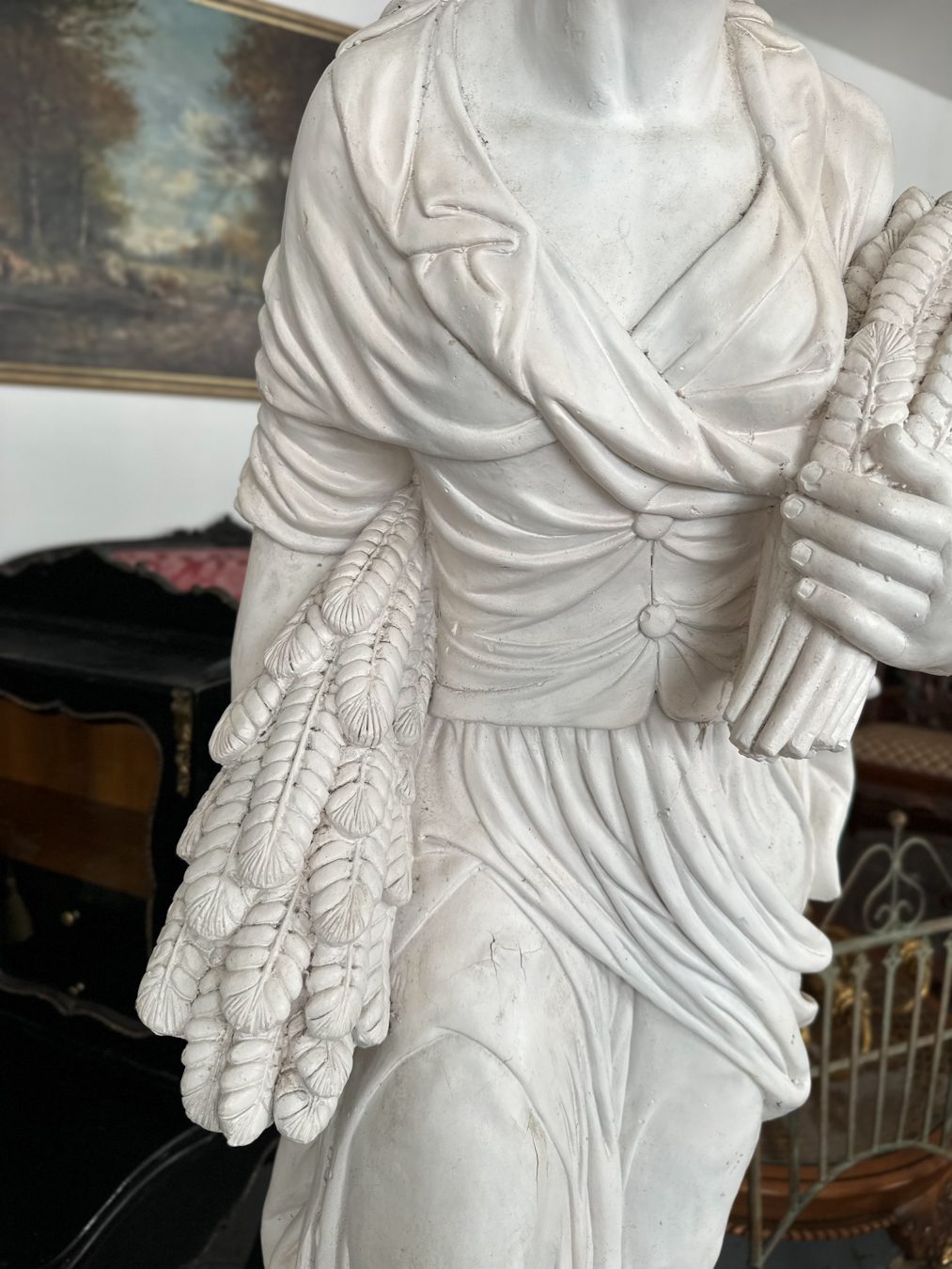
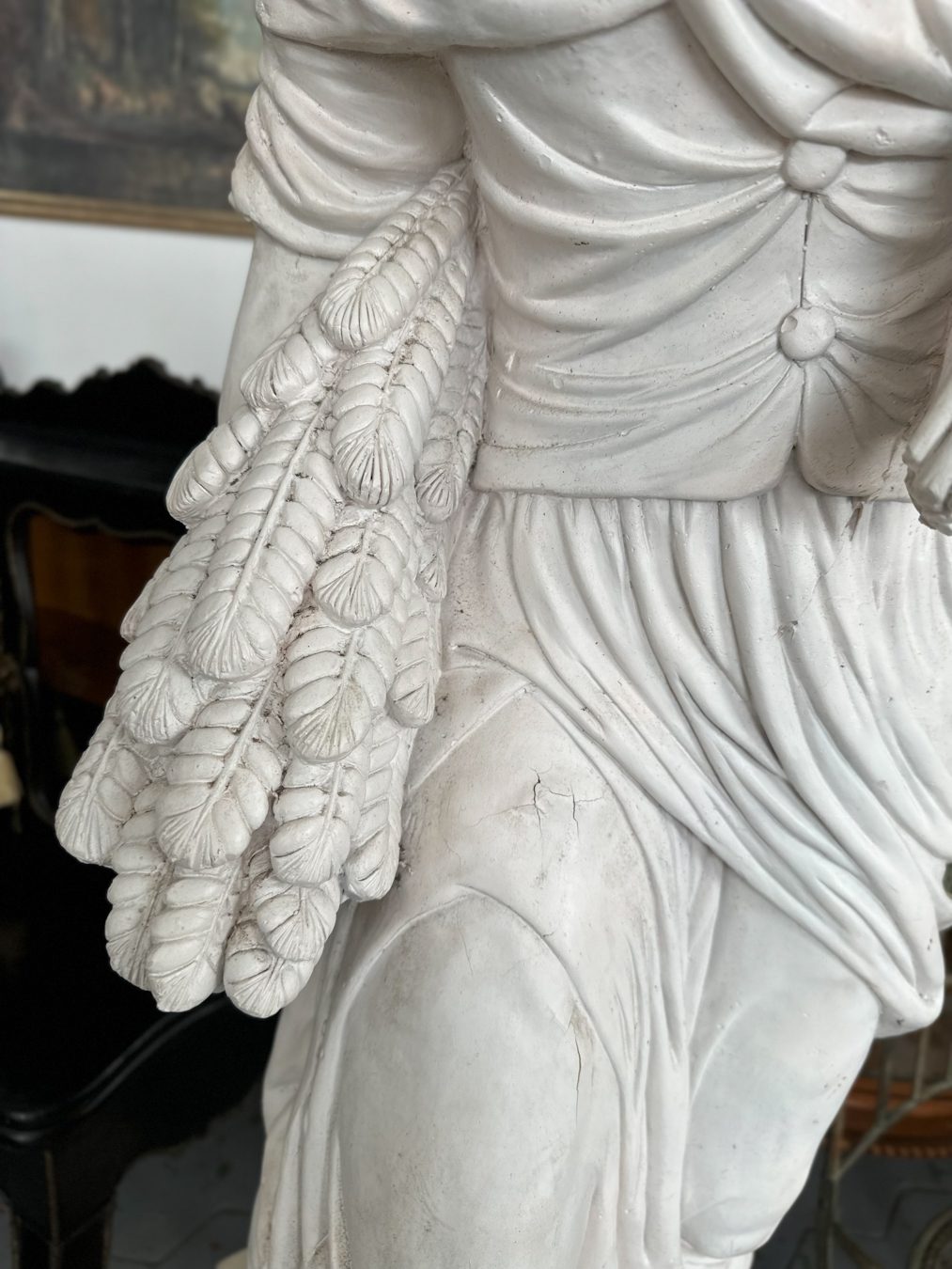
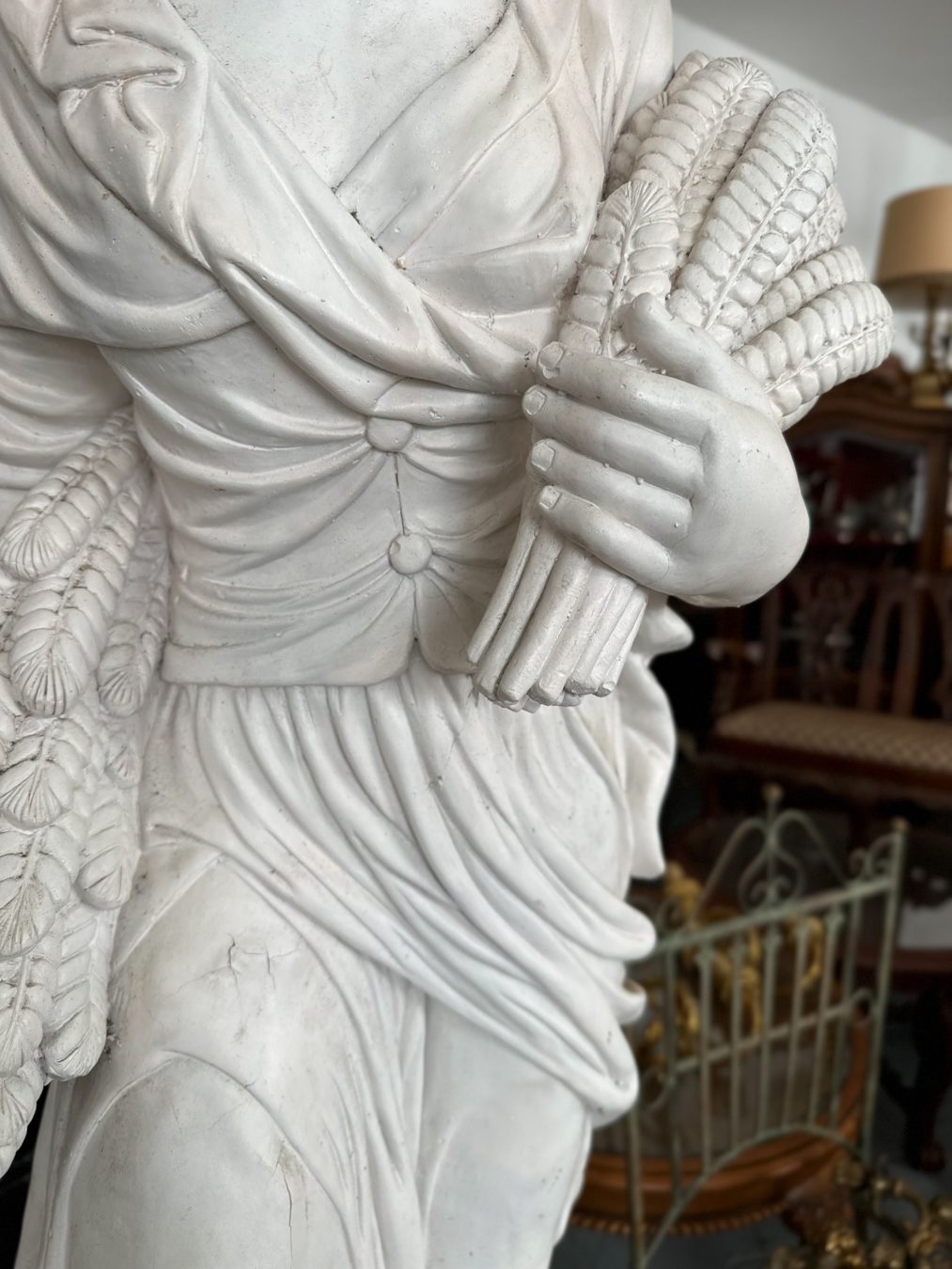
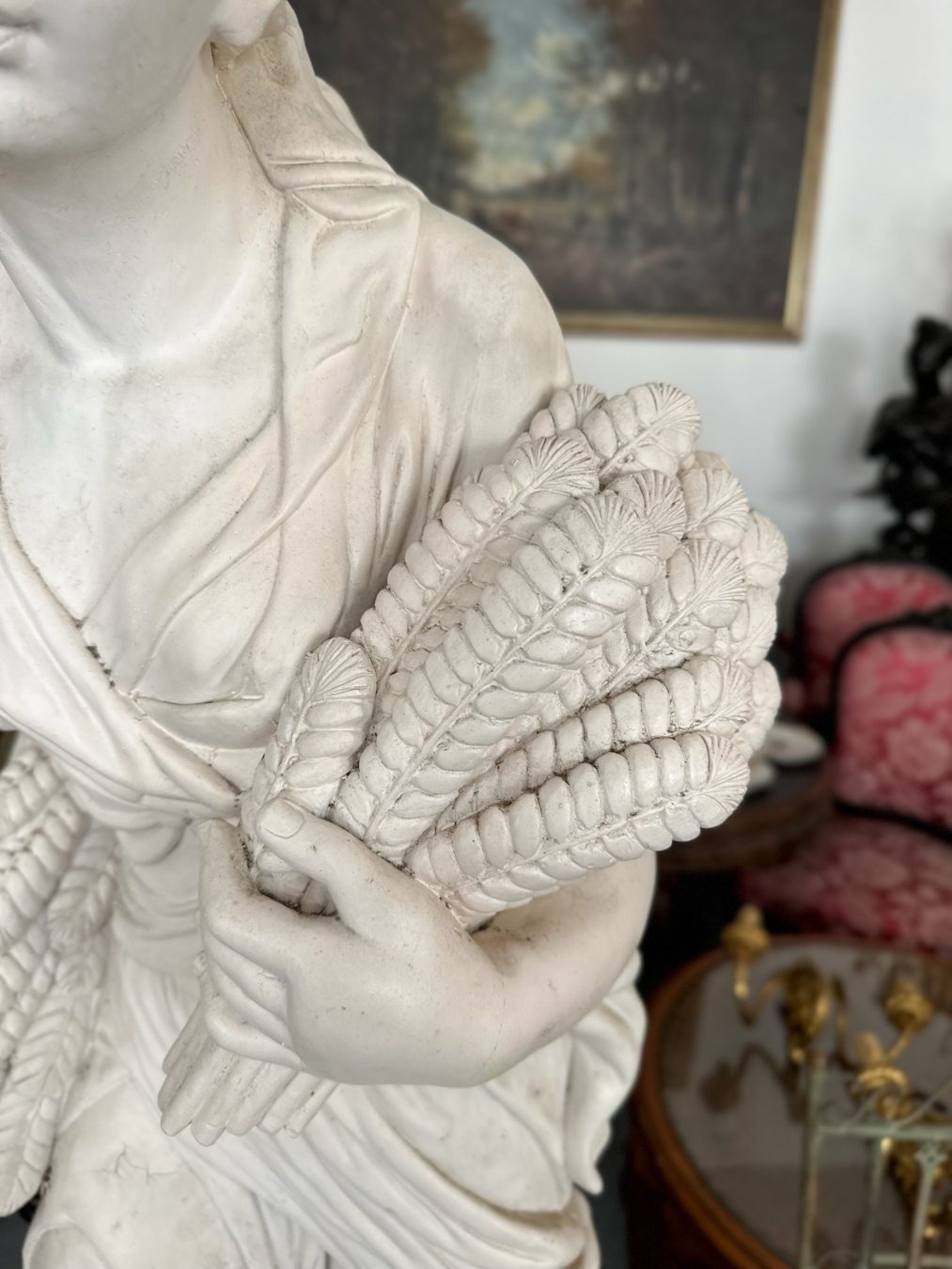
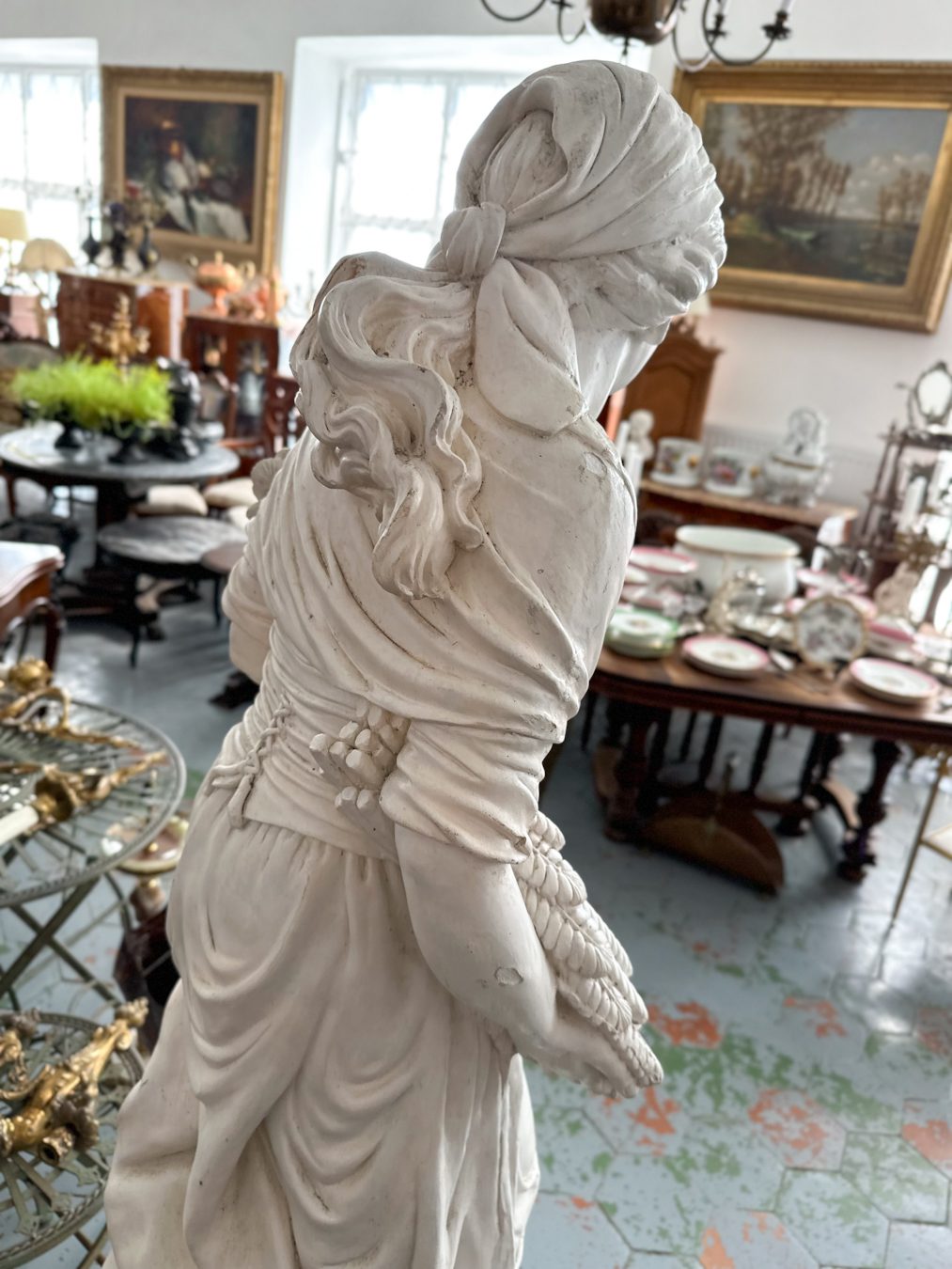
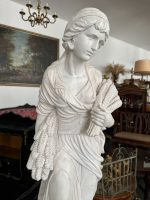
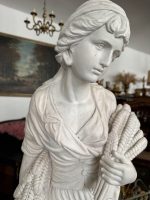
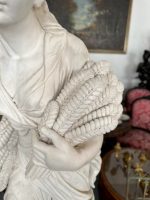
The woman holds a sheaf of wheat ears and corn cobs — the universal attributes of Ceres (Greek: Demeter), the Roman goddess of the harvest, fertility and agriculture, whose cult was one of the oldest and most significant in the entire ancient world. The image of Ceres enjoyed renewed popularity in 19th-century European park and garden culture — her figures adorned fountains, the symmetrical axes of parterres and terrace niches in aristocratic residences, symbolising prosperity, the generosity of nature and civilisation’s harmonious bond with the earth.
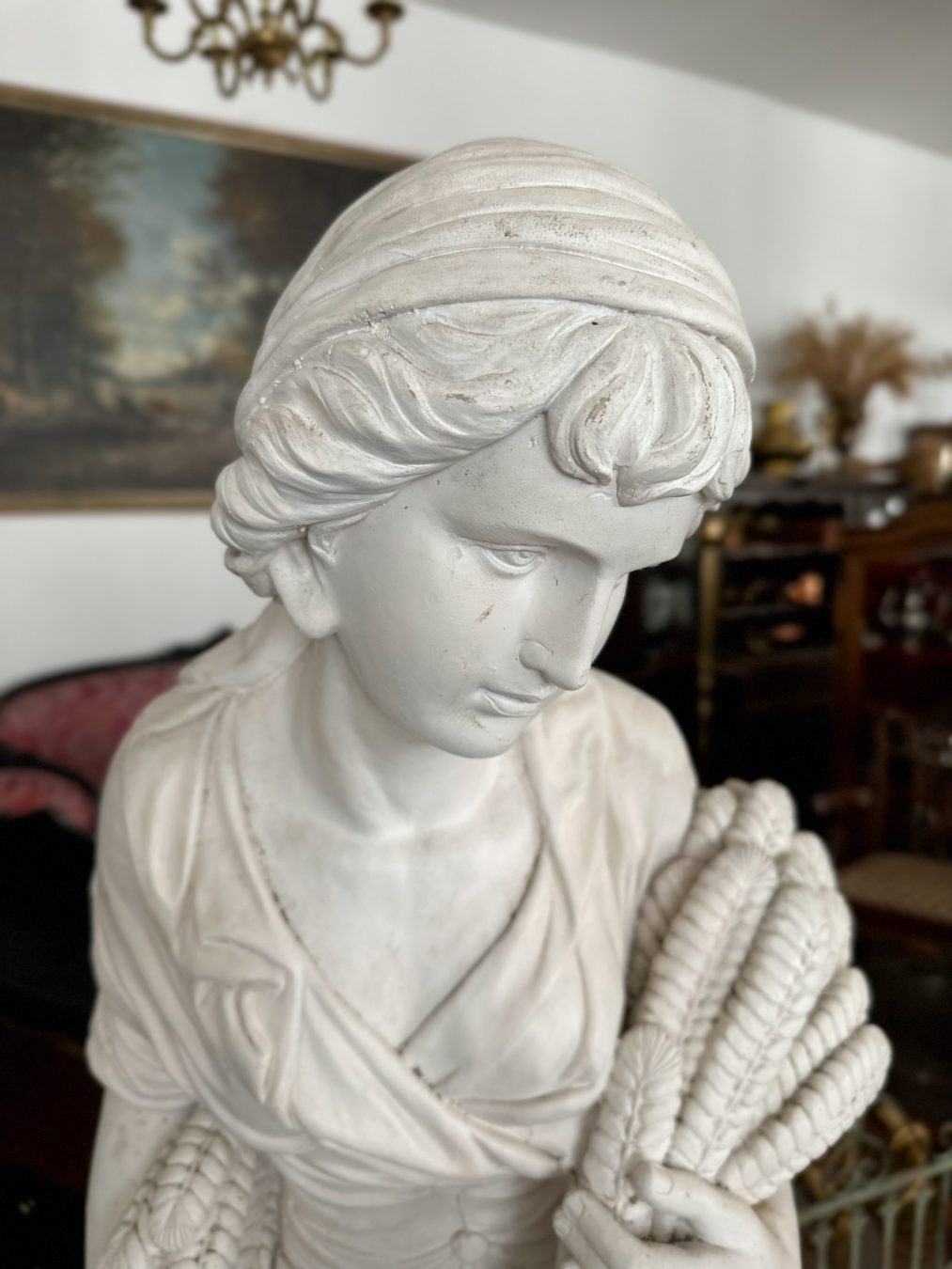
The woven headband, lowered gaze and harmonious contrapposto stance all closely follow the Neoclassical academic tradition, whose greatest exemplars are found in Italian and stone sculpture.
―――――――――――――――――――――
⚜️ MAKER AND STYLISTIC ATTRIBUTION
No maker’s stamp or signature is visible in the photographs; however, the figure’s construction — white plaster composite with a rough stone-textured base — is characteristic of and Italian decorative sculpture workshops that specialised in park and garden ornament during the second half of the 19th century and the early 20th. In Italy, figures of this type were produced by workshops in the Carrara and Henraux tradition, supplying sculpture for the villas and parks of European aristocrats and the upper bourgeoisie. In France, similar decorative figure production was centred on the major Parisian exhibition and garden design firms.
Ceres figures of this type were a required element in any seriously appointed 19th-century European garden — they are found in the collections at Versailles, in Italian Renaissance villas and in the country house tradition.
―――――――――――――――――――――
💎 RARITY AND SIGNIFICANCE
Large-format classical figures — at 119 cm in height, with a complete iconographic programme and a well-preserved original white patina surface — are in demand among collectors, villa owners and interior designers. The figure’s scale and subject matter make it an independent work of art capable of organising the space around it. Neoclassical garden sculptures of this size appear comparatively rarely on the antiques market in complete condition.
―――――――――――――――――――――
🕯️ USE IN INTERIOR, DESIGN AND PHOTOGRAPHY
This figure was conceived for a monumental space or outdoor environment. In a garden — against a wall, in a niche, at the corner of a terrace or at the intersection of a park path — it creates the impression of the classical European residential tradition, distinguished by age and refinement. Indoors — at the centre of a grand entrance hall, ballroom, gallery corridor or large library on a period pedestal — Ceres becomes a culminating focal point rather than mere decoration. In contemporary interiors with high ceilings, expansive glazing and an industrial aesthetic, it functions as a powerful cultural and historical counterpoint. In fashion, fine art and interior photography, such a figure is an invaluable compositional element — it speaks of era and values more eloquently than any supplementary decoration.
―――――――――――――――――――――
🎁 AS A GIFT AND PERSONALISATION
Ceres — goddess of the harvest, fertility and the generosity of nature — is a deeply symbolic figure for farmers, landowners, wineries, gastronomic enterprises and all those who have bound their lives to the fruits of the earth and the cycles of nature. The figure is well suited as a representative gift for the furnishing of a villa or residence, as well as a monumental interior statement for a business or institutional space in which the presence of European cultural heritage is desired.
―――――――――――――――――――――
🔍 CONDITION
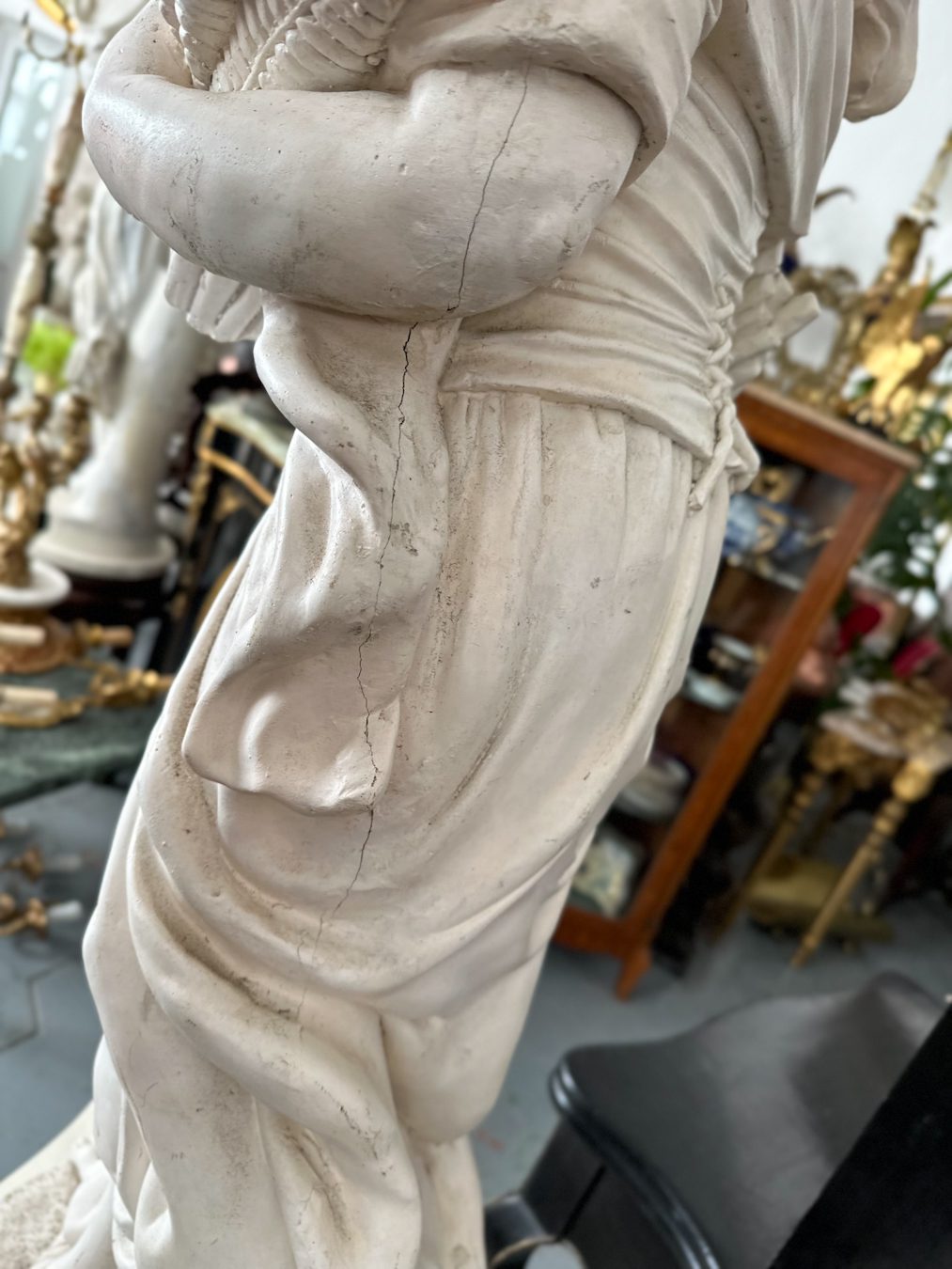
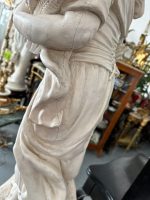
The figure survives in generally good condition for its considerable scale and presumed history of outdoor or semi-public use. The white plaster composite surface displays natural ageing — grey dust deposits in the textural recesses, which only enhance the impression of aged stone. On the abdominal area, to the left of the drapery, several cracks are clearly visible — these are structural cracks resulting from material shrinkage or the effects of transportation; the cracks are surface-level and the load-bearing mass remains intact. The details — wheat ears, corn cobs, fingers, toenails, feet and the leaf base element — are preserved in excellent condition. The base texture is rough and authentic. The condition of the piece is fully reflected in the photographs.