Hunting Dog with Prey — Silver-Plated Metal Figurine, European Animalism, France or Germany, c. 1880–1930. This heavy, medium-small piece embodies the European Animalism tradition, popular in the late 19th and early 20th centuries. 220,00 €
You’re now subscribed to price tracking for this product. We’ll notify you if the price drops. 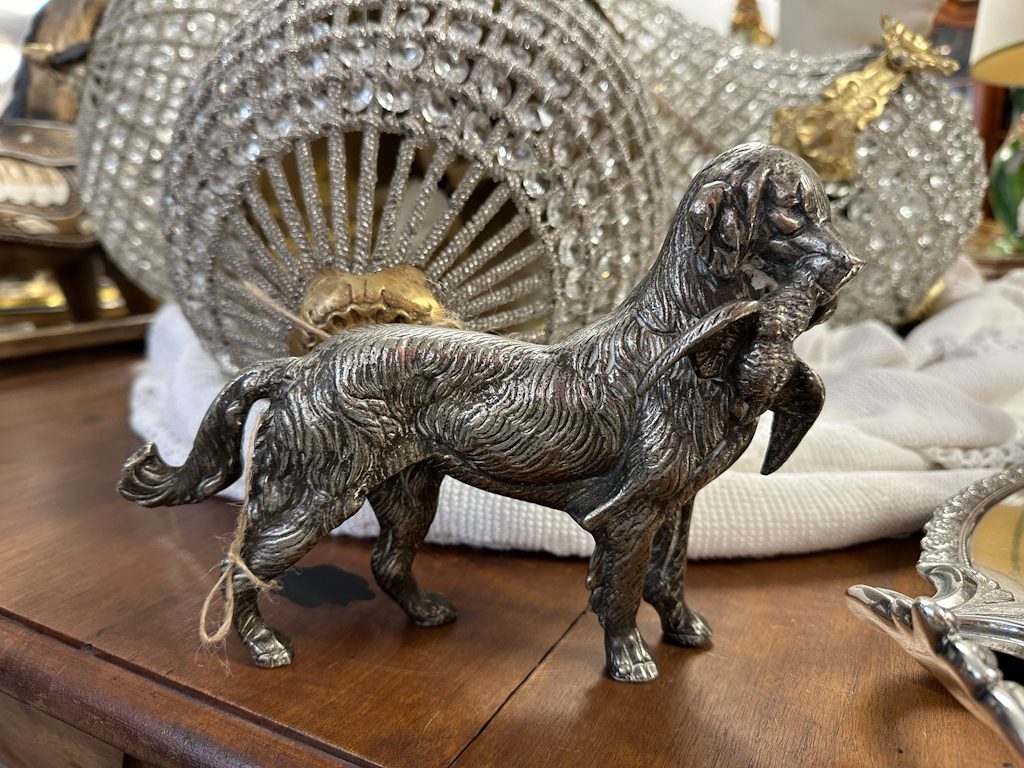
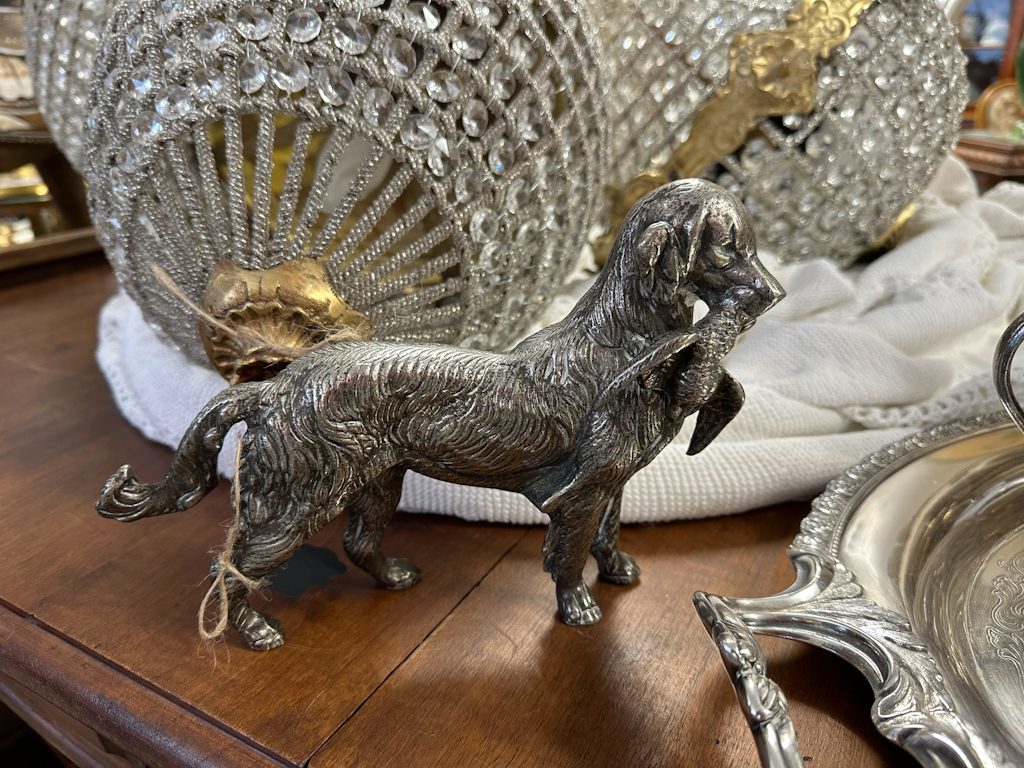
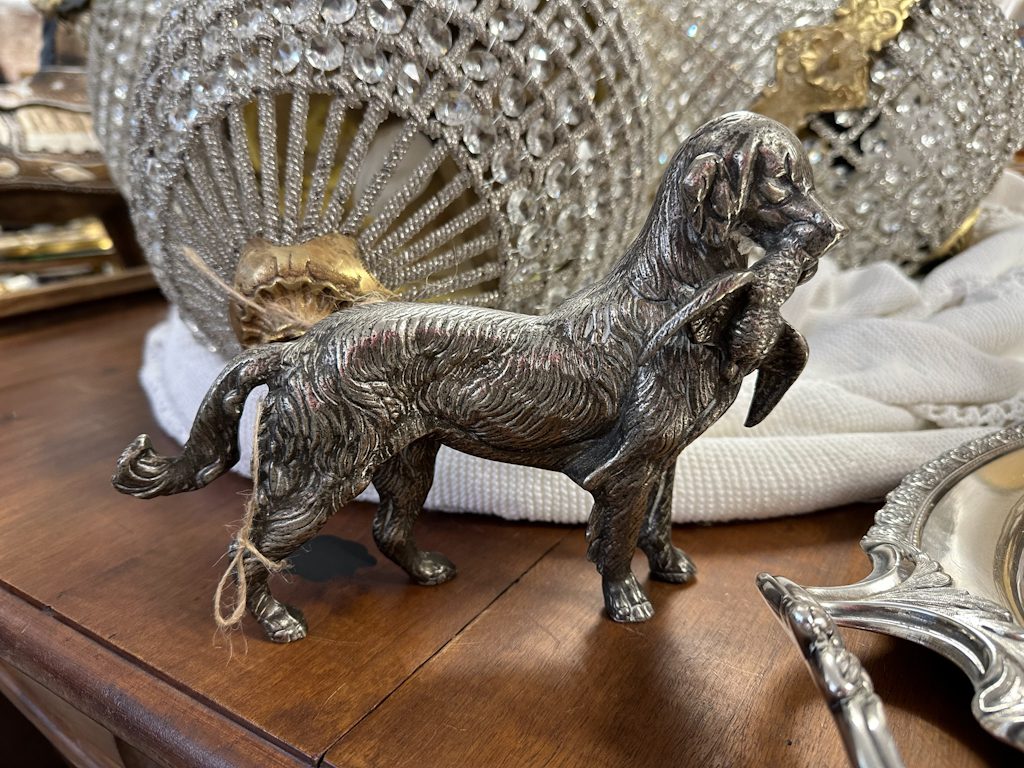
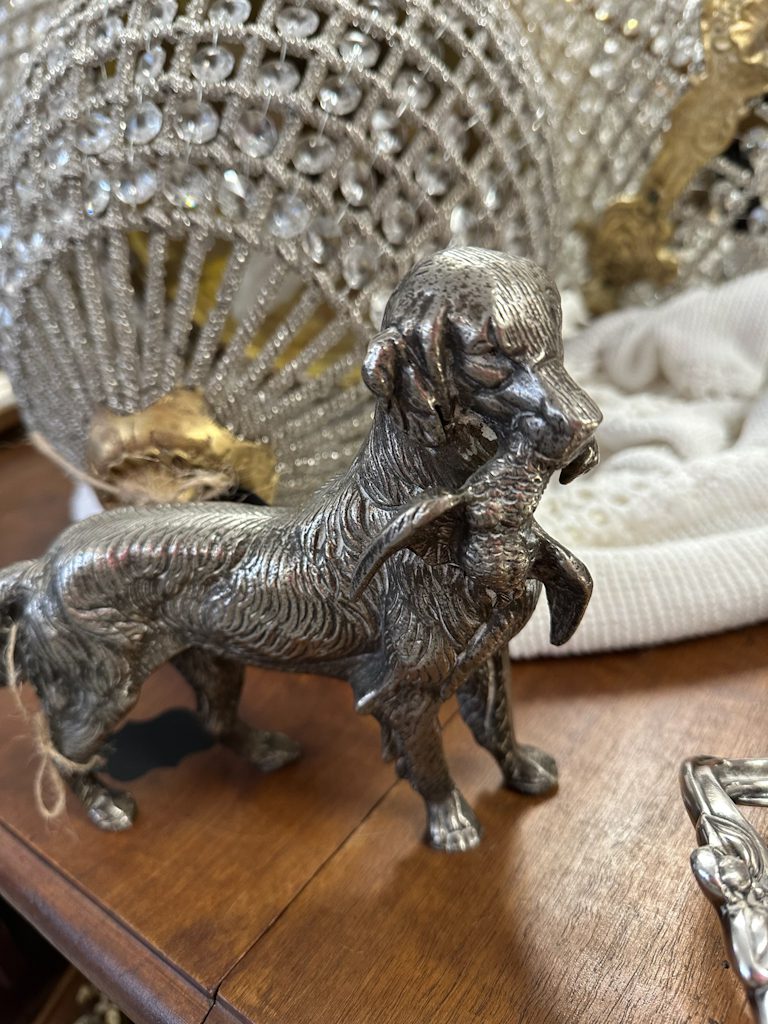
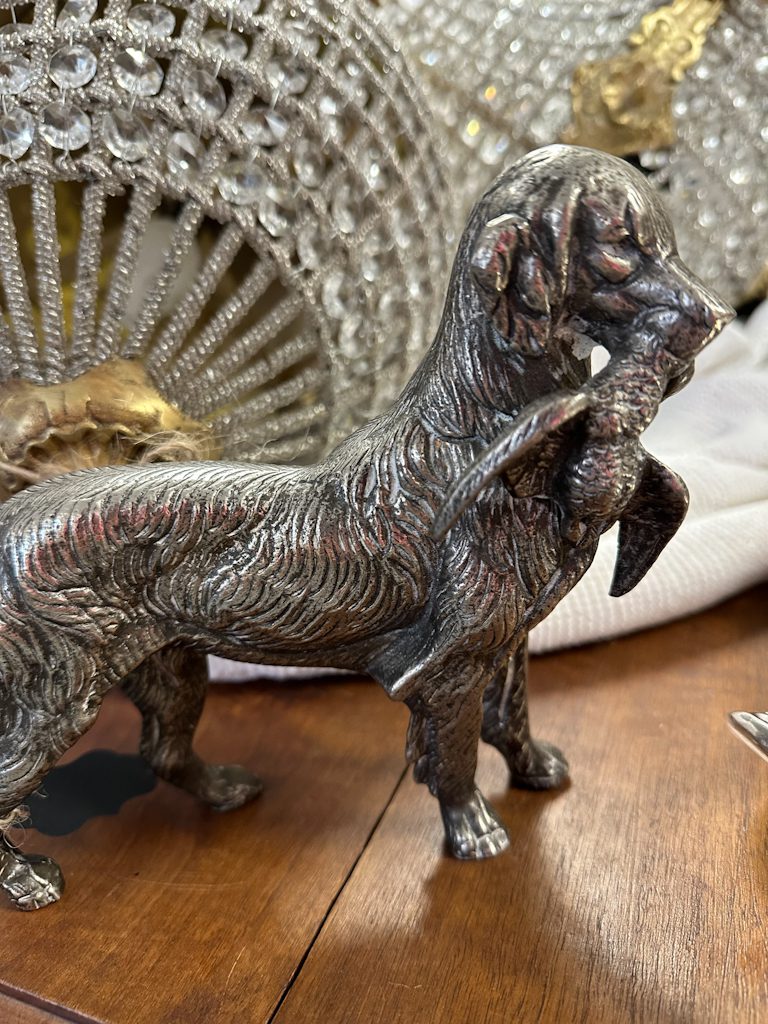
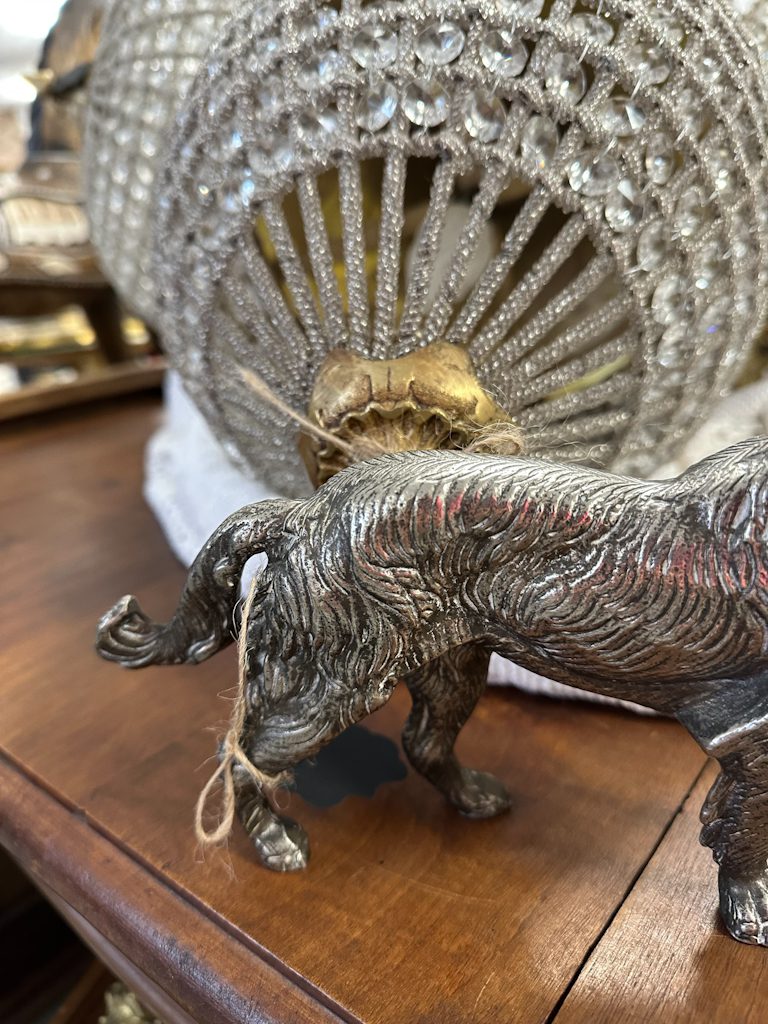
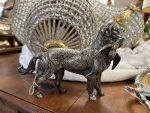
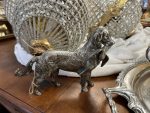
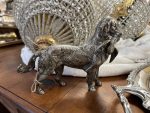
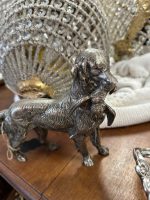
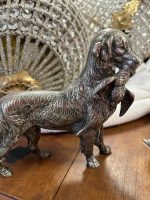
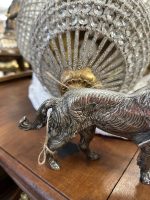
Hunting Dog with Prey — Silver-Colored Metal Figurine, European Animalism, France or Germany, c. 1880–1930, Medium Small Size, Heavy (4420)
Height 16 cm Length 23 cm Color BronzeNaturalSilver


Description
DESCRIPTION IN
Hunting Dog with Game — Silver-Coloured Metal Figure, European Animalism, France or y, circa 1880–1930
―――――――――――――――――――――
📐 DIMENSIONS
Height: 16 cm. Length: 23 cm. Weight: substantial for its size — a solid metal cast with silver plating or silver-toned patina. No separate base — the figure stands directly on its four paws.
―――――――――――――――――――――
🏛️ PERIOD, ARTISTIC STYLE, ERA
This figure belongs to the European Animalist tradition — the same that produced such masters as Antoine-Louis Barye, Pierre-Jules Mêne and Christophe Fratin in the second half of the 19th century and the early 20th. Animalism as an artistic movement demanded not only technical mastery from the sculptor but also deep zoological knowledge — every muscle, every strand of fur and every trace of movement had to be known from direct observation of nature.
A hunting dog with a bird in its mouth is one of the classic subjects of European animalist sculpture — it encapsulates the entire world of hunting culture in a single pose: discipline, instinct, loyalty and the partnership between human and animal. Figures of this type were in great demand in the libraries and hunting rooms of 19th-century European upper-bourgeois and aristocratic households — adorning writing desks, mantelpiece shelves and silver collections.
The breed depicted corresponds by its forms to the Setter or Irish Setter type — long, wavy coat, well-proportioned body, elegant legs — a breed that was the symbol of aristocratic hunting culture in England and continental Europe throughout the 19th century.
―――――――――――――――――――――
⚜️ MAKER AND STYLISTIC ATTRIBUTION
No maker’s stamp is visible in the photographs. The quality of the metal casting, the precision of the fur detailing and the nature of the silver plating point to a professional European metalworking workshop — most likely of or origin. In France, silver and silver-plated metal figurines of this type were produced by workshops specialising in objets d’art and table decoration, supplying jewellery and fine goods shops in Paris and the provinces. In y, particularly in Pforzheim and Berlin, analogous metal figures were produced by high-quality metalworking firms whose output was exported throughout Europe. The gradual wear of the silver plating, revealing the reddish base metal beneath, indicates an alpaca or silver base (an alloy of copper, nickel and zinc) or bronze with silver plating — a standard technology of the late 19th and early 20th centuries.
―――――――――――――――――――――
💎 RARITY AND SIGNIFICANCE
Metal animalist figures with hunting dog subjects and this level of detailing are consistently in demand on the antiques market — particularly in collections associated with hunting culture, dog breeds or European Animalism. Setter-type dog figures are sought both in general antiques markets and among specialist collectors of hunting and canine culture in England, y and France. The figure’s size — 23 cm in length — is presentable and visually impressive as a desk or shelf decoration.
―――――――――――――――――――――
🕯️ USE IN INTERIOR, DESIGN AND PHOTOGRAPHY
This figure is an ideal decorative element for a study, library or writing desk — small enough not to compete with surrounding objects, yet sufficiently detailed to reward close attention. In hunting rooms, club-style interiors or spaces dominated by leather and wood, it functions as a cultural-historical accent. In contemporary interiors it creates a playful contrast — a small, aged, silver-toned dog in a modern space speaks of time and tradition without words. In interior and product photography, such pieces are prized props — their texture and lustre enrich a frame with life.
―――――――――――――――――――――
🎁 AS A GIFT AND PERSONALISATION
The dog is a universal symbol of loyalty, faithfulness and family values across all cultures. This figure is an outstanding gift for dog lovers, hunters, Setter or Spaniel breed owners and all those for whom a dog holds personal significance. In the Chinese zodiac, the Dog (1934, 1946, 1958, 1970, 1982, 1994, 2006, 2018) symbolises honesty, loyalty and justice — making this figure a personalised gift for those born in Dog years. As an interior gift for a new home or office, it expresses a wish for stability and trusted relationships.
―――――――――――――――――――――
🔍 CONDITION
The figure survives in good overall condition. The silver plating shows natural wear — in places, particularly across the back and sides, the reddish base metal is visible through the worn silver layer, attesting to the figure’s authentic age and use history. The fur detailing across the entire body is preserved with exceptional precision. The game bird element held in the mouth is intact. The legs and paws are undamaged. A thin piece of jute string is tied around one front leg — evidently the remnant of a price or inventory tag. The condition of the piece is fully reflected in the photographs.