Elegant black wooden music stand in the Classical style This exceptionally elegant and aristocratic wooden music stand (antique black music stand with lion paws) is a refined piece of applied art from the second half of the 19th century, created… 420,00 €
You’re now subscribed to price tracking for this product. We’ll notify you if the price drops. 











Elegant black wooden music stand — Louis XVI (Classical) style, (6435)

Description
Elegant black wooden music stand in classical style
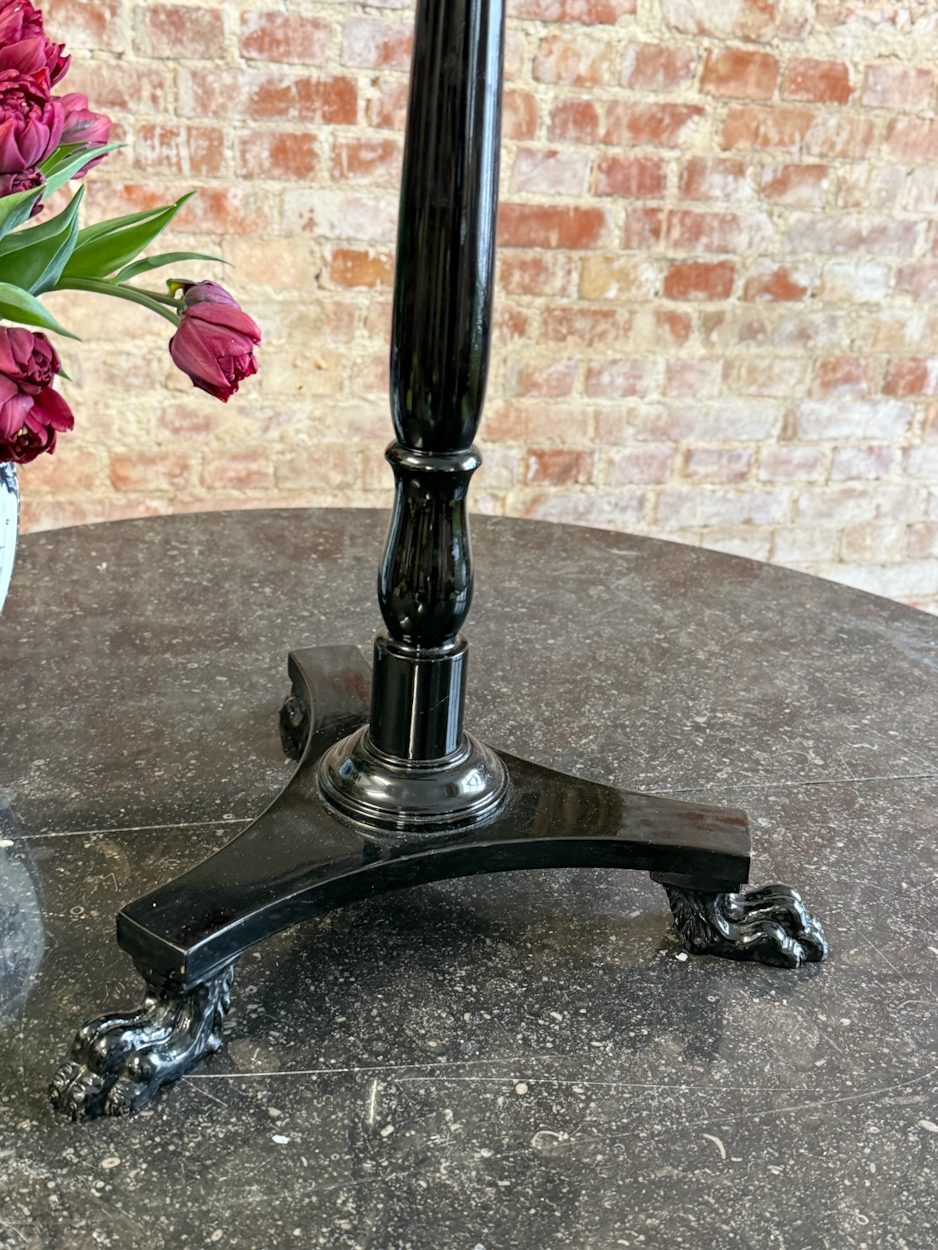
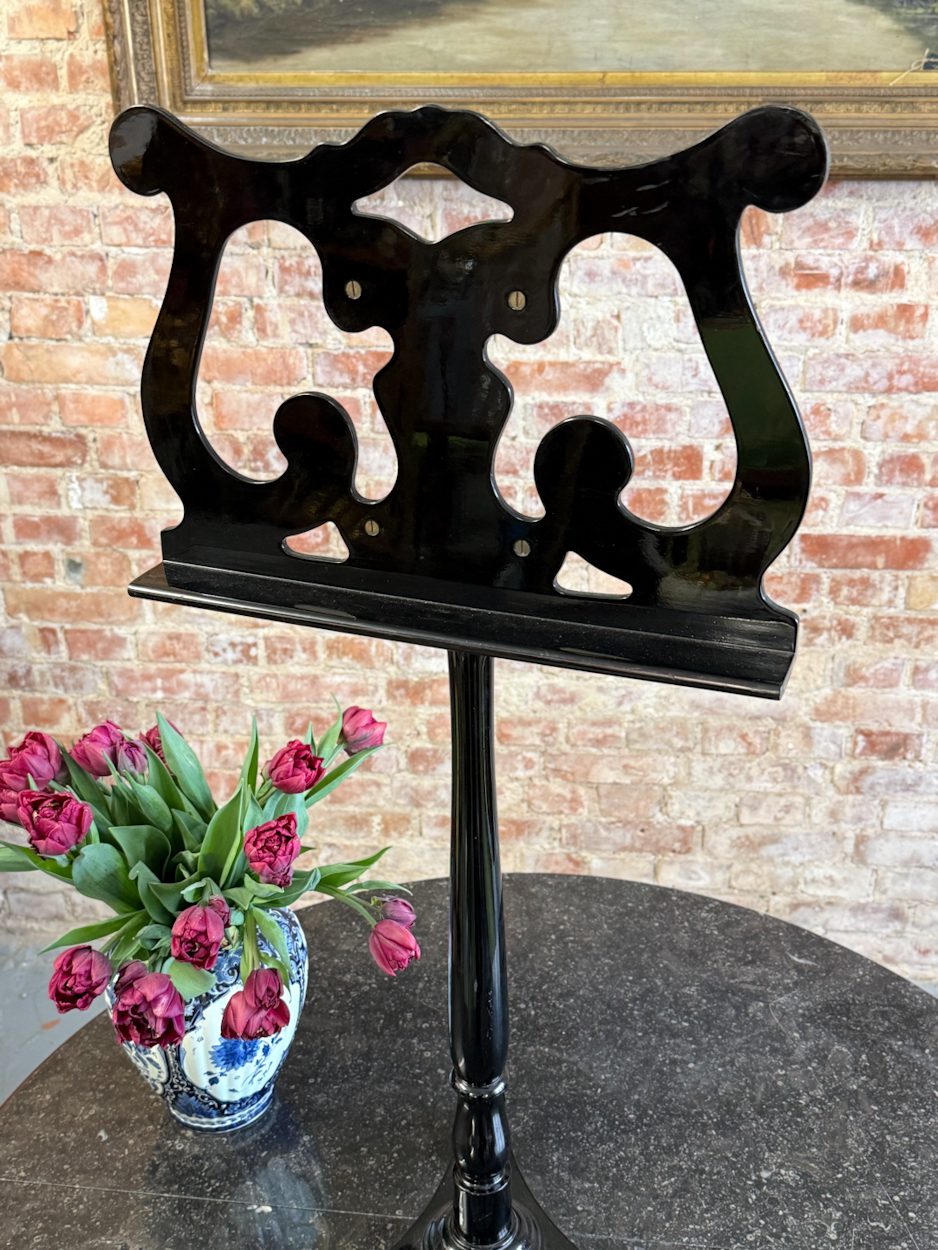
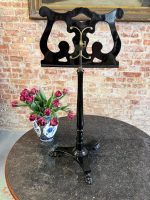
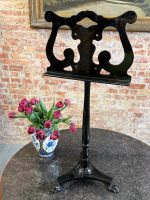
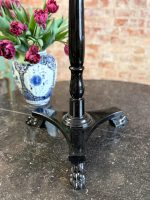
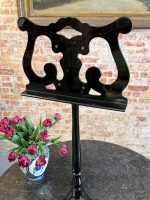
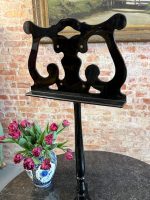
This extremely elegant and aristocratic wooden music stand (antique black music stand with lion’s paws) is a refined work of applied art from the second half of the 19th century, created in the traditions of classical style. The stand is of medium size, pleasantly light, and covered with a smooth, glossy black finish, which gives it a concise yet luxurious visual appearance. The construction consists of a music holder, a turned stem, and a three-star base, embodying the classical Biedermeier and late Classicism form schools. The central element of its visual identity is the music holder, engraved in an elegant lyre silhouette with symmetrical open motifs. The slender, turned support stem seamlessly transitions into a stable base, the ends of which are finished with three expressive lion’s paw castings, lending the piece a special monumentality and a firm stance.
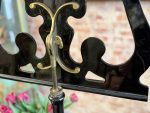
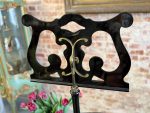
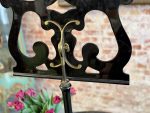
The original, historical brass mechanism integrated in the back allows for seamless adjustment of the music holder’s tilt and secure locking in the desired position. Such functional and aesthetically pleasing interior items in the mid-to-late 19th century were an essential part of European and imperial elite salons, where private chamber music evenings and home concerts served as the center of intellectual life and elite lifestyle. The deep, glossy black surface, combined with the warm brass sheen and the lion motif, makes this stand an outstanding aesthetic testament to its era.
Period of Manufacture Dated to the second half of the 19th century, a time when classical, restrained forms combined with theatrical Biedermeier elements were highly sought after in the private salons and music societies of European and imperial cities.
Manufacturer / Signature / Stamp The item is a skillful and high-quality handicraft from a specialized furniture or musical instrument workshop. There are no industrial manufacturer’s stamps on the wooden structures, which only confirms the individual, niche character of this item, ensuring a unique aesthetic for the discerning patrons of that time.
Rarity and Significance Music stands made entirely of wood and preserved in functional condition with all original brass parts and undamaged lion’s paw base details are relatively rare on today’s antique market. Most often, such light, portable stands are irreversibly damaged over time or have lost their movable parts.
Application The stand is ideal not only for its historical purpose—holding sheet music or art books at the piano—but also serves as a standalone, expressive decorative accent in libraries, living rooms, or creative studios, lending the space an intelligent and historically rich atmosphere.
Condition Excellent antique condition. The wooden structure and stem are stable, and the black finish has retained its clear, smooth sheen. The rear brass angle adjustment mechanism works flawlessly and firmly locks the position. The condition of the item is fully reflected in the photographs.
A glimpse from the Classicism era: The acclaimed composer Pyotr Tchaikovsky sits at the piano late in the evening in the dim light of a Riga salon, the room filled with the gentle glow of candles and the aroma of freshly brewed tea. On a small table placed by the instrument, this elegant black music stand stands out, its lyre-shaped silhouette and expressive lion’s paw base forming a truly academic and poetic backdrop for the pages of a new score. His slender, thoughtful fingers pause for a moment over the keys, his gaze briefly drawn to the brass screw that firmly holds the black wooden structure. This light and delicate creation by European masters brings unexpected visual harmony to the room, deeply resonating with the gentle flow of the nascent melody. Outside, the city lights gradually fade, but here, amidst the rows of music and the reflections of gilded details, a new, immortal masterpiece is being born.