Elegant Wooden Wall Clock with Exquisite Carvings — Biedermeier Style This monumental and artistically magnificent antique wall clock is an outstanding masterpiece of mid-19th century European applied art. The case is entirely made of precious wood and covered with a… 650,00 €
You’re now subscribed to price tracking for this product. We’ll notify you if the price drops. 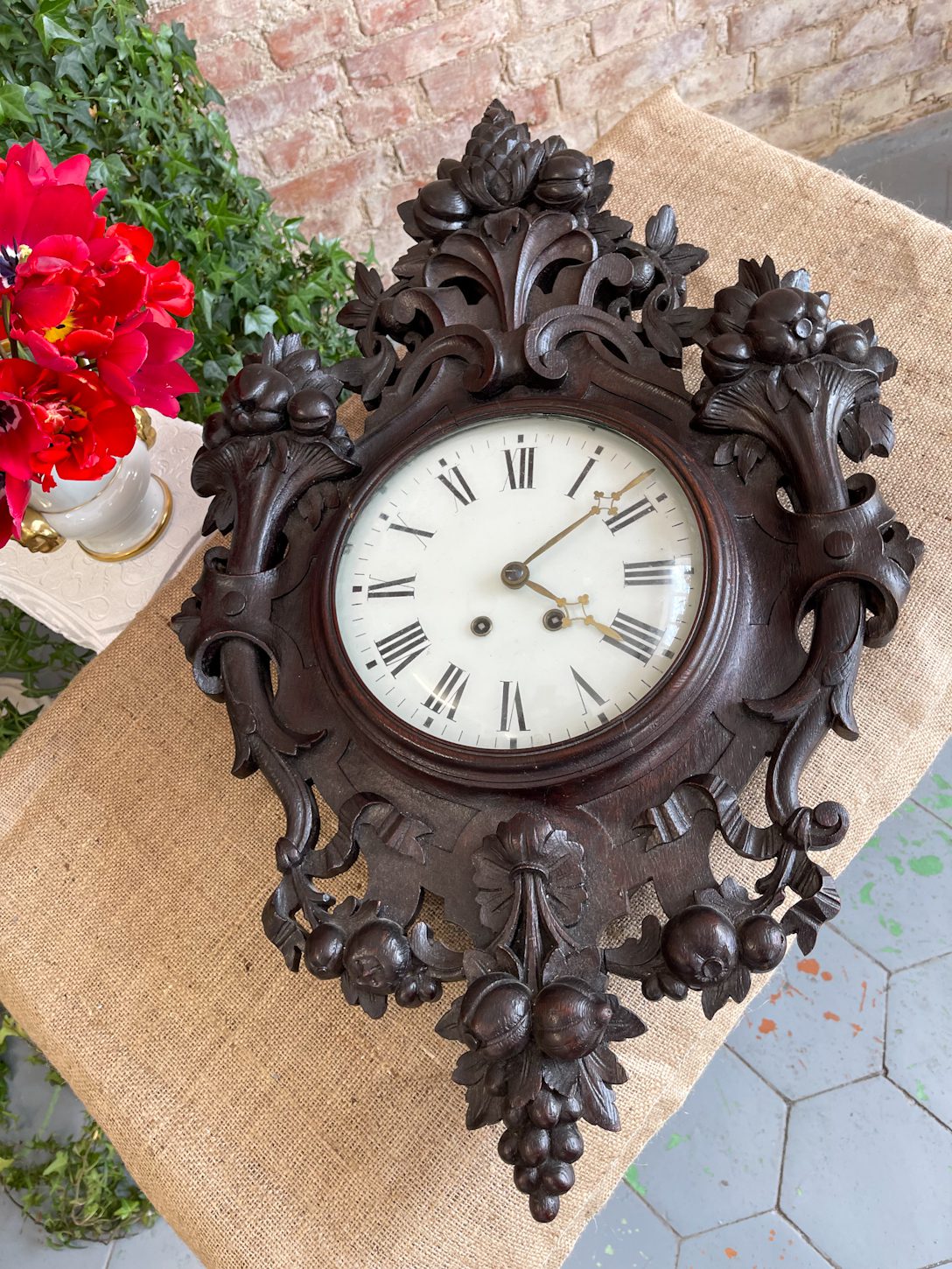


Elegant Wooden Wall Clock with Exquisite Carvings — Biedermeier Style (3197)
Height 75 cm Width 50 cm


Description
Dimensions approx: Height — 75 cm Width — 50 cm Depth — 10.5 cm
Luxurious wooden wall clock with very fine wood carvings – Biedermeier style
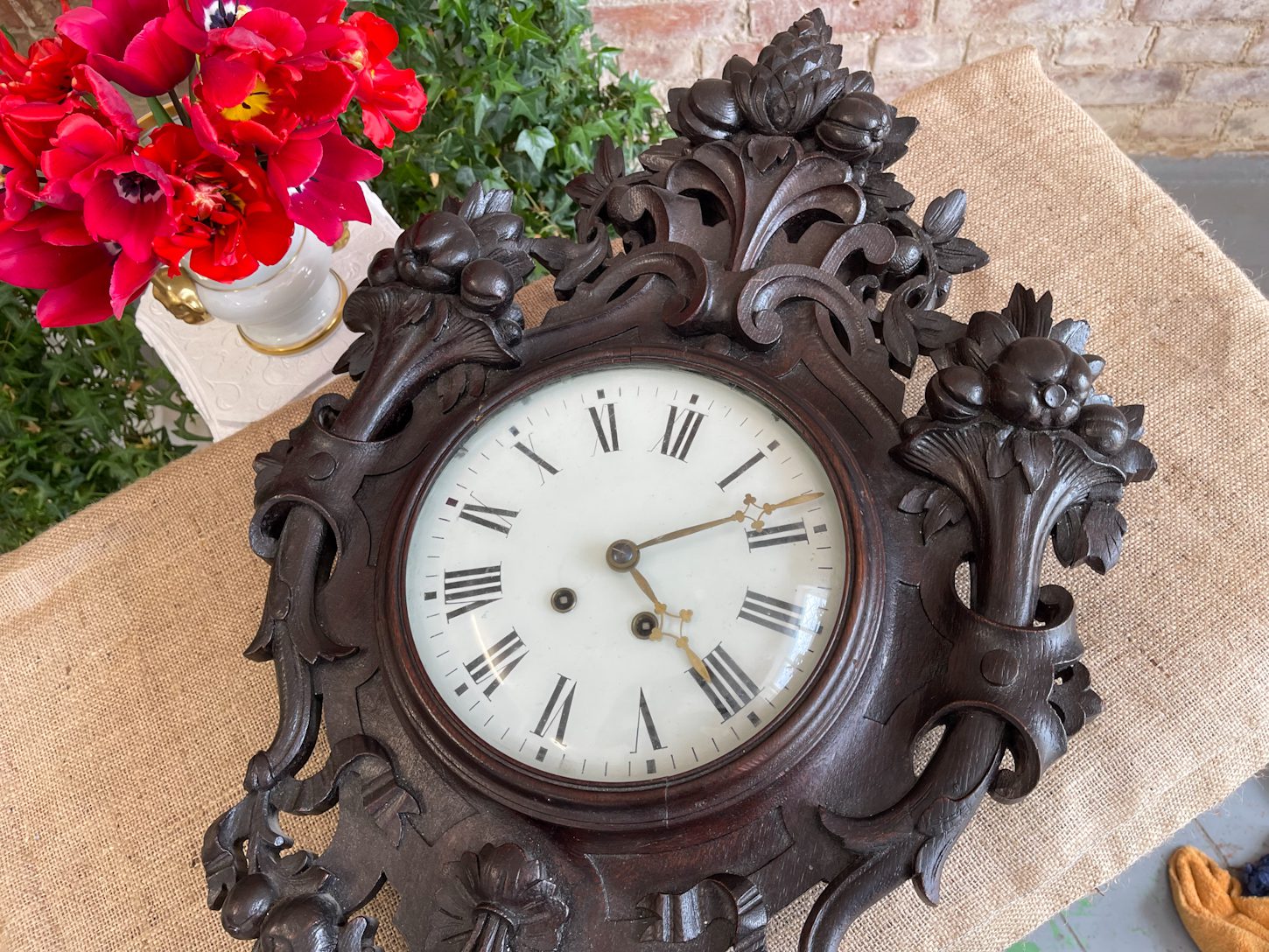
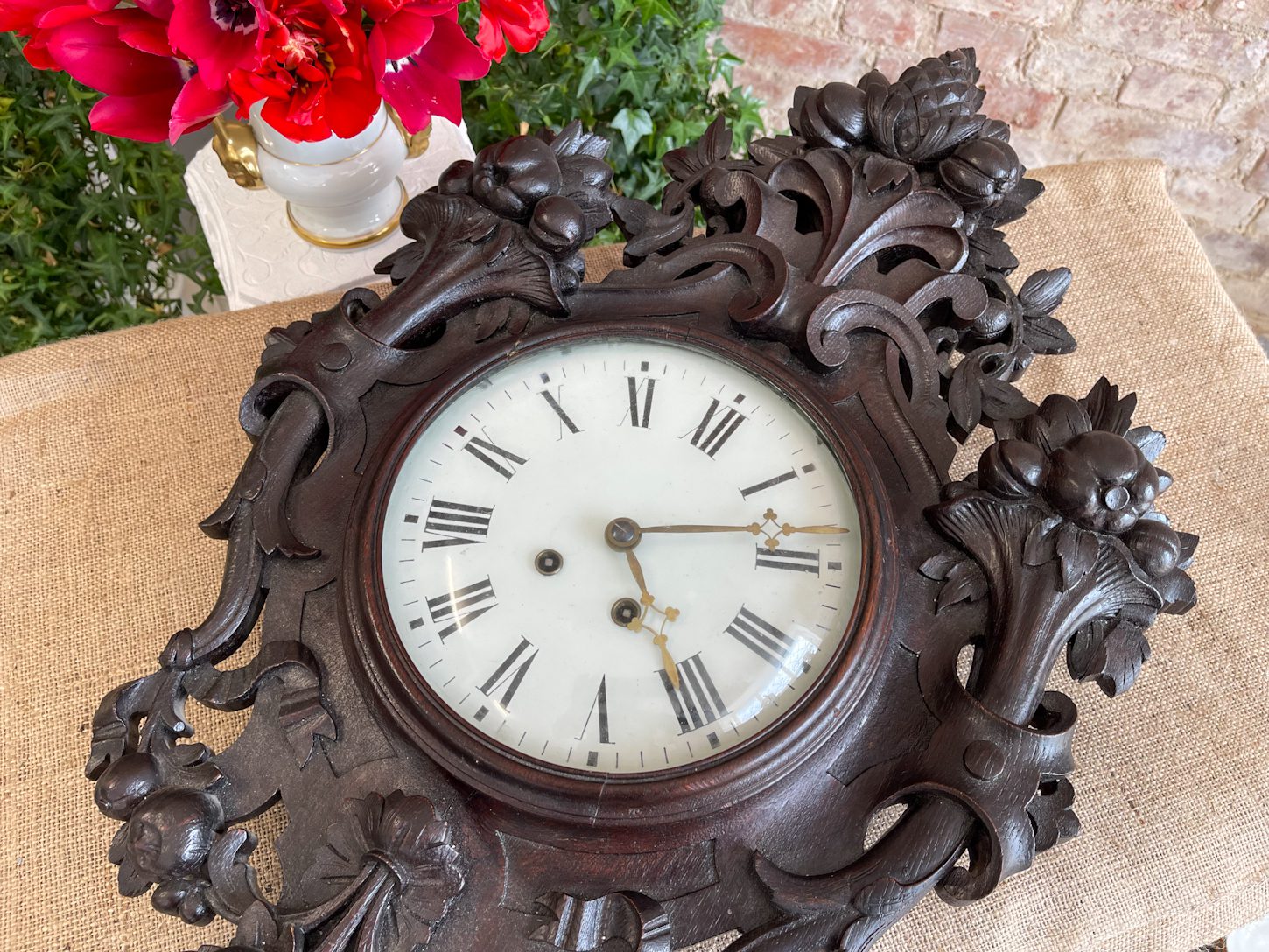
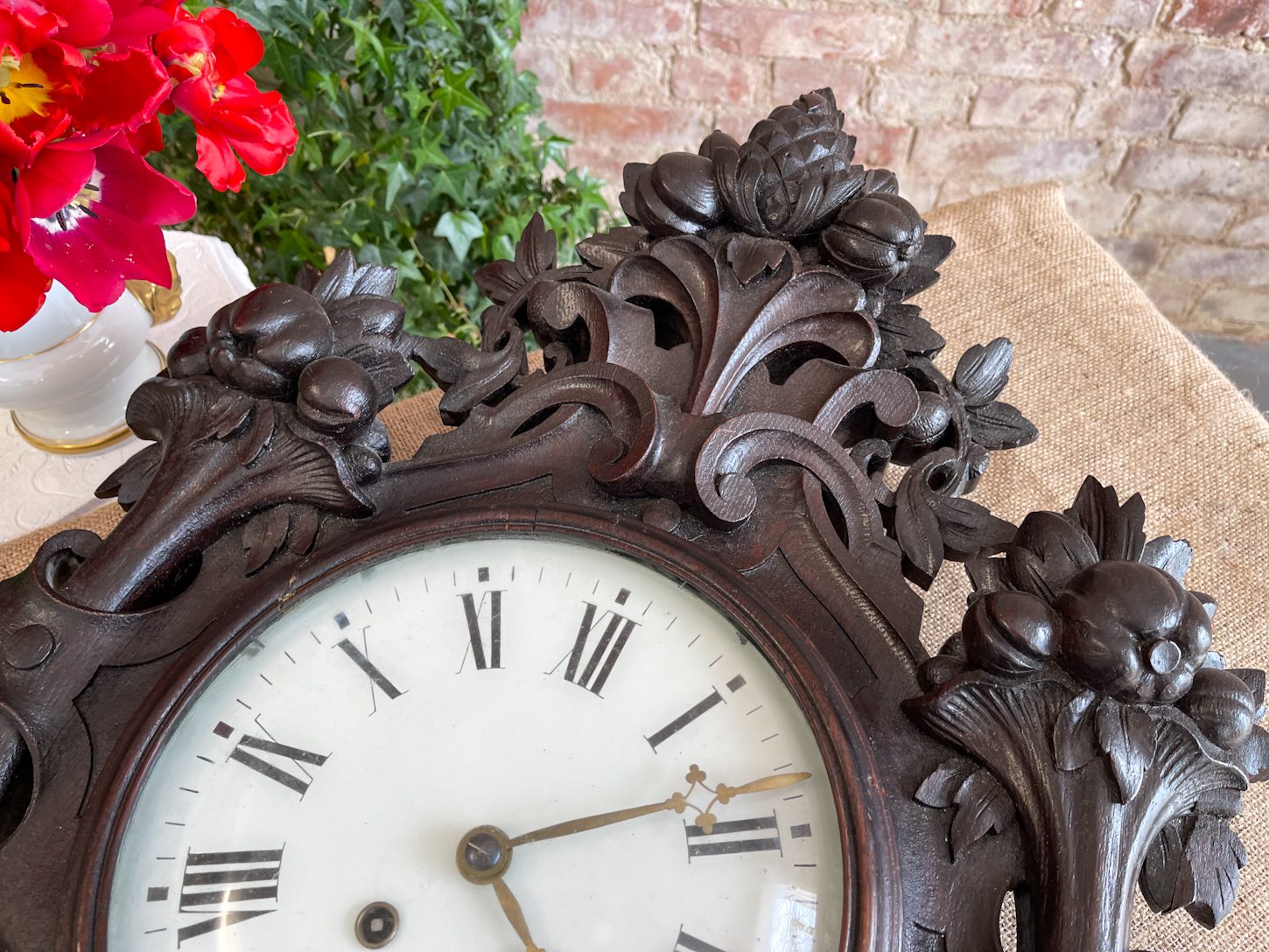
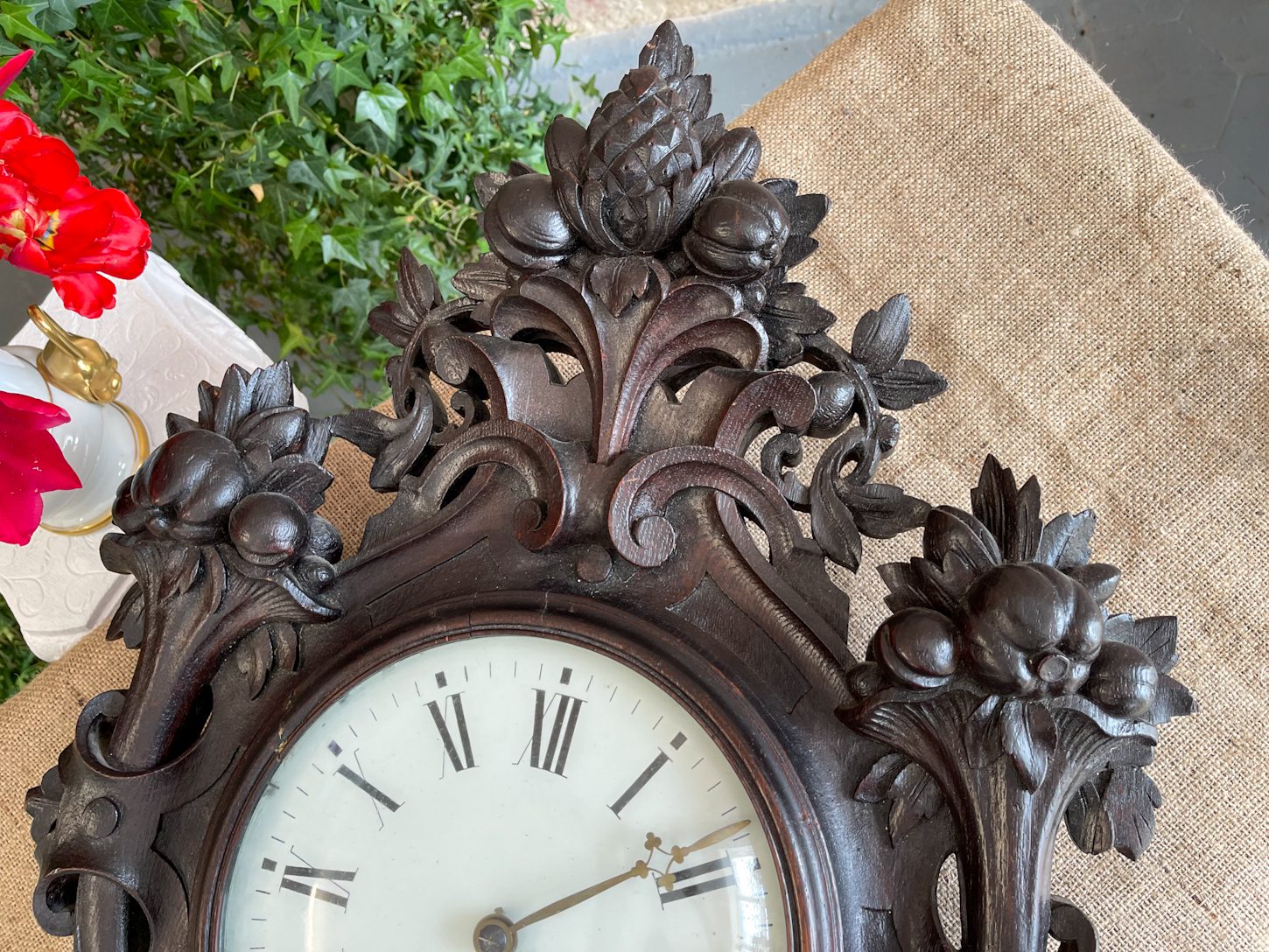
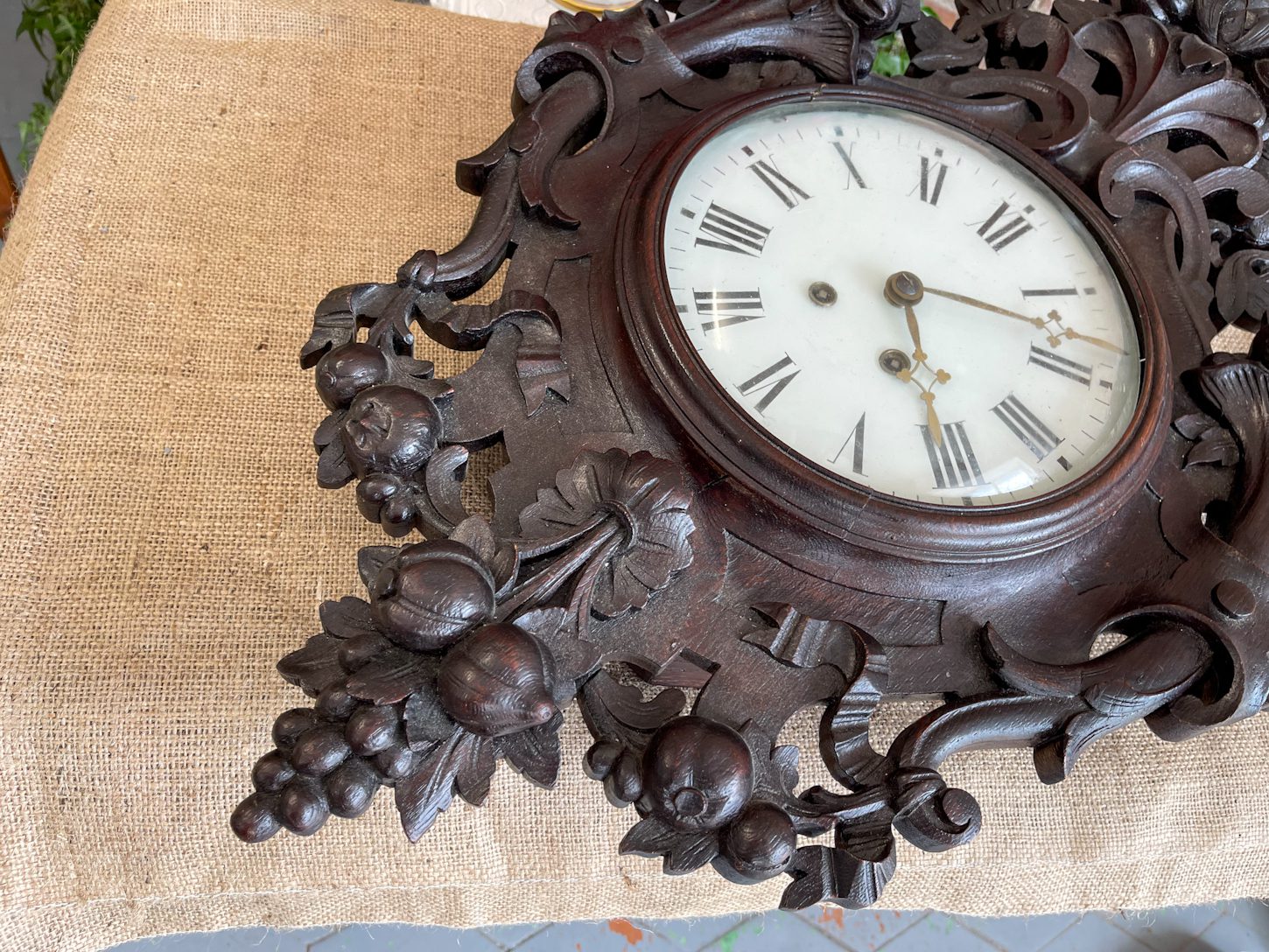
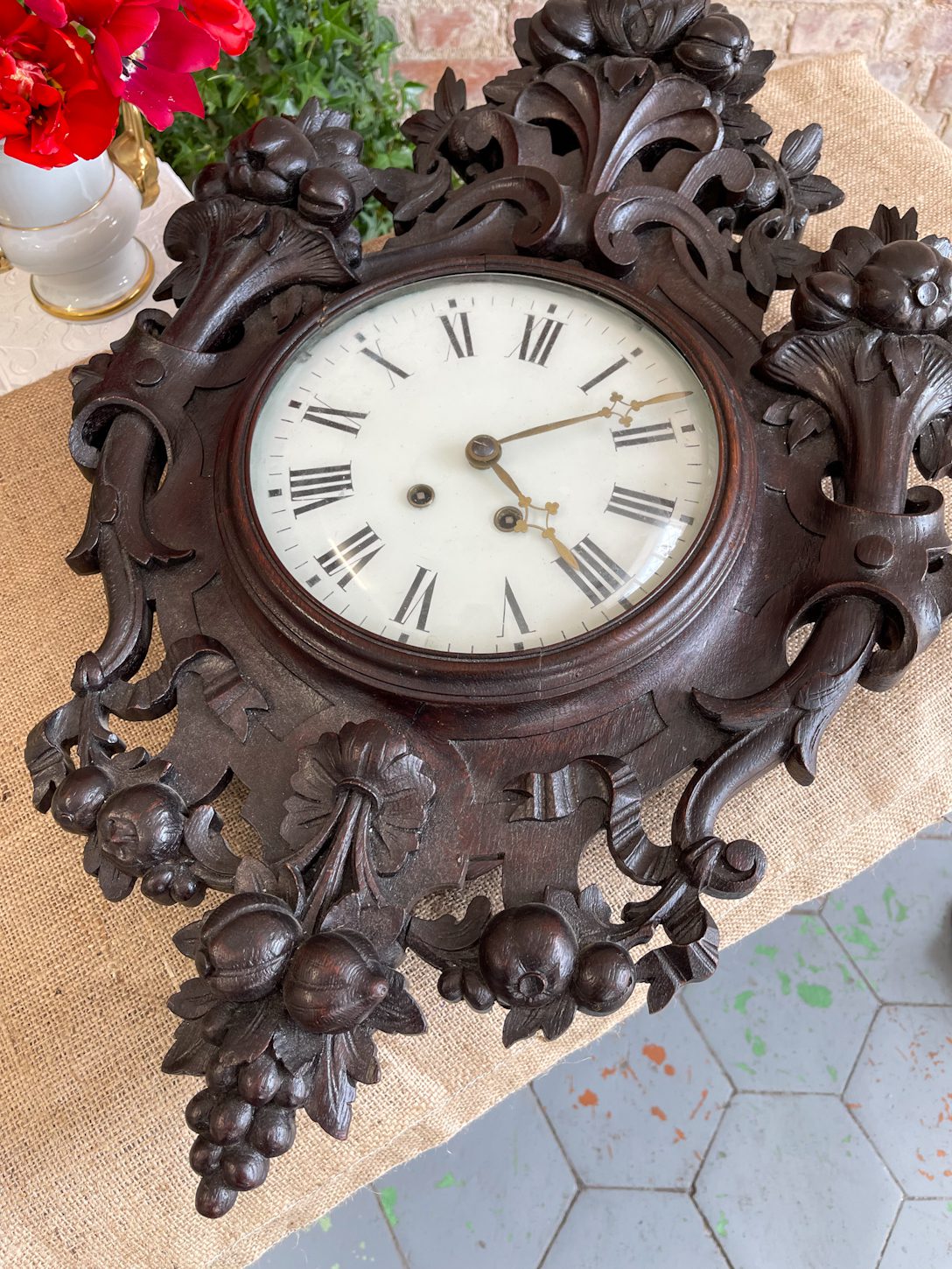
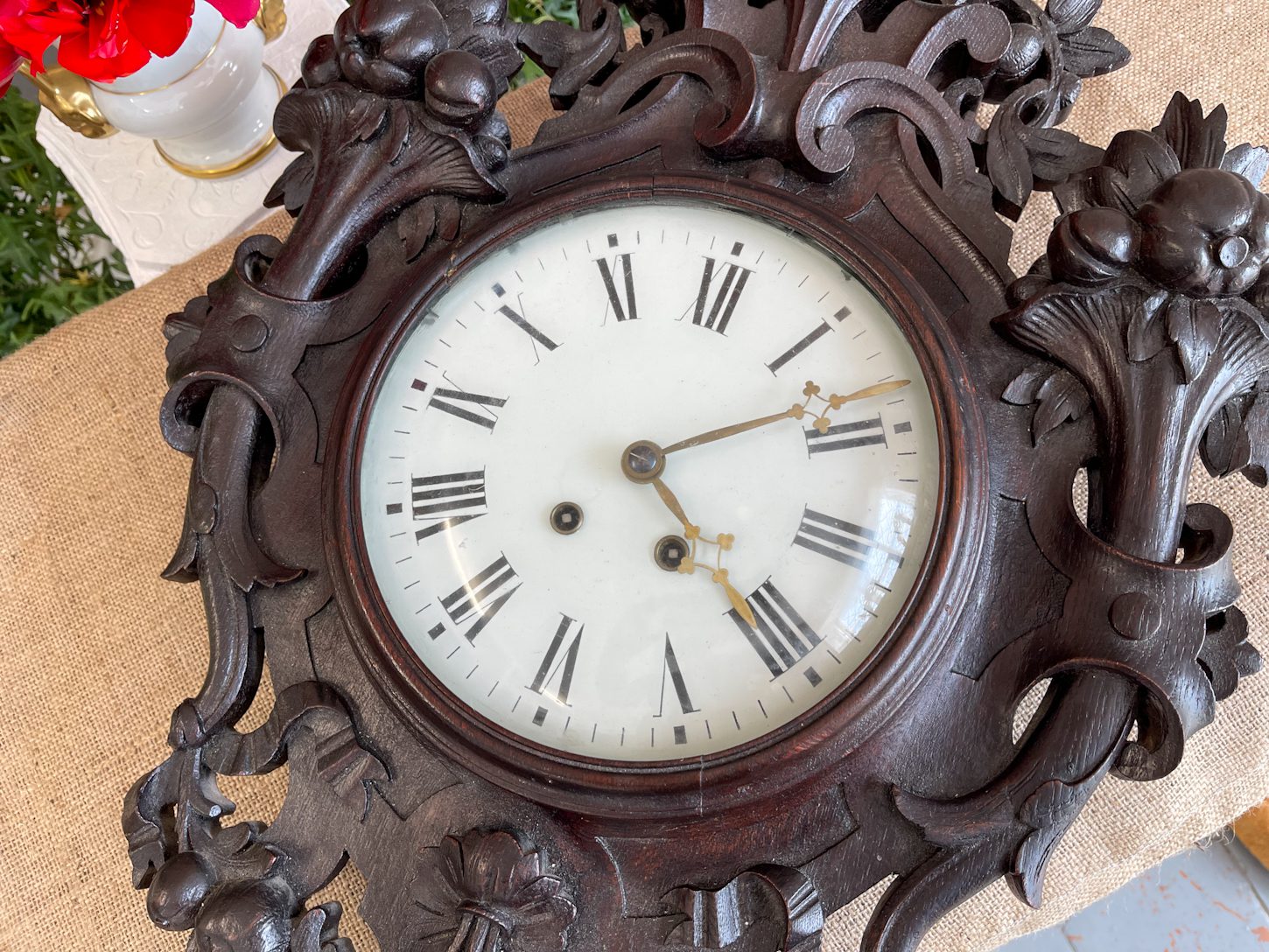
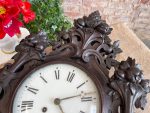
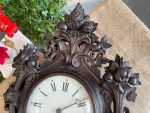
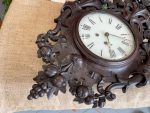
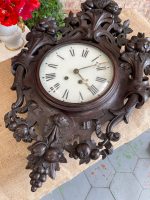
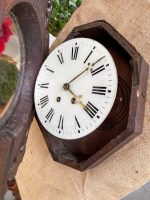
This monumental and artistically magnificent wall clock (antique wall clock) is an outstanding masterpiece of applied art from mid-19th century Europe. The case is entirely made of fine wood and coated with a dark, deep tint that perfectly highlights the nuances of the exceptional woodcarver‘s handiwork. The clock frame is saturated with filigree, deep, and plastic wood carvings — the upper part is adorned with symmetrical wood leaf scrolls, while the sides and lower part are covered with magnificent polychrome nature motifs, shaped as lush garden flower bouquets, leaf garlands, and relief volume details. This exquisite, plastic relief and the restrained yet luxurious silhouette are characteristic of the transition period between Biedermeier and late Classicism, where the main emphasis was placed on the substance of the material and the academic elegance of natural motifs.
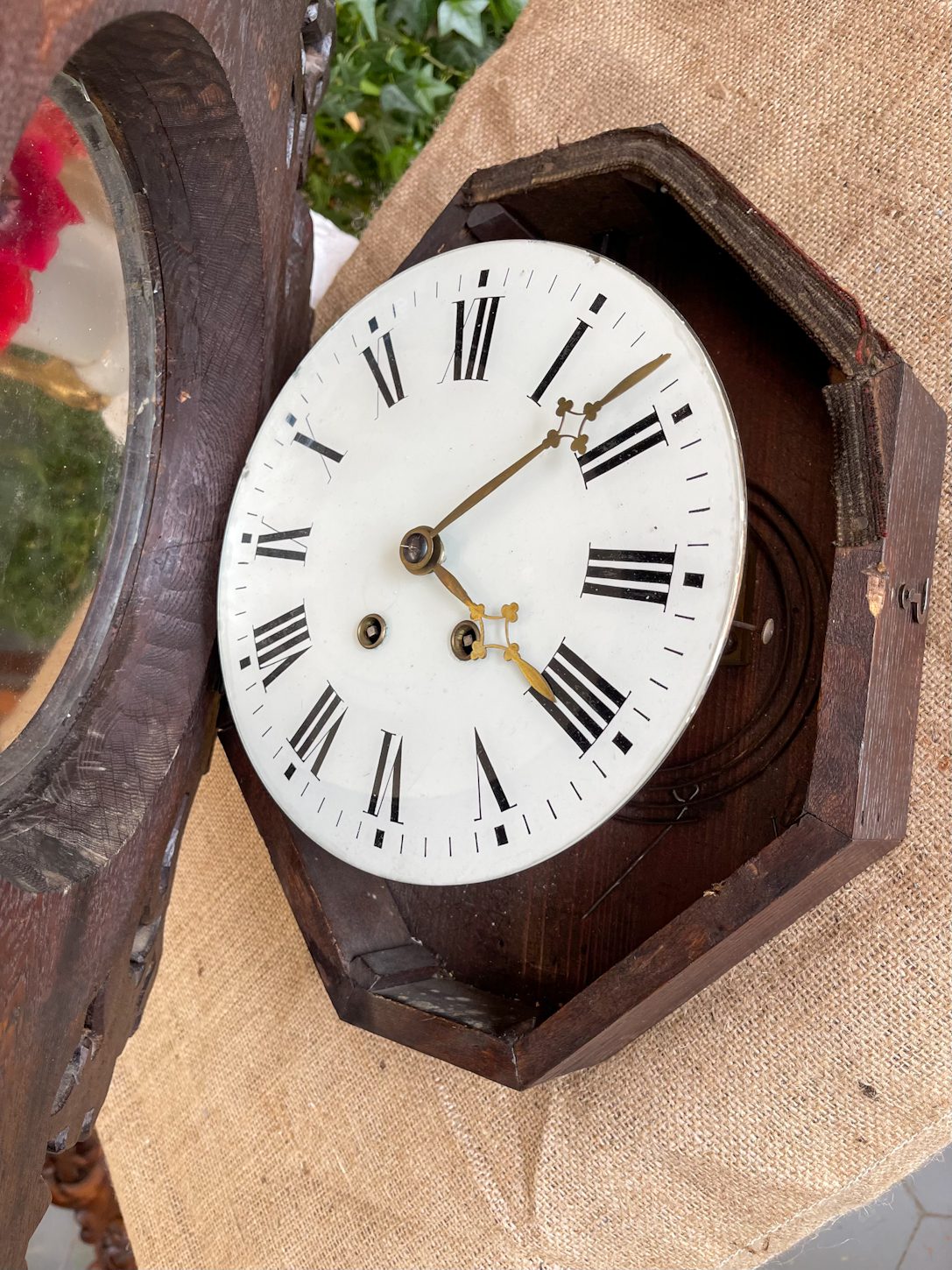
The central part is occupied by a large, white enamel dial with classic Roman numeral hour markers, elegant Arabic numeral minute indicators, and finely crafted, openwork gilded metal hands. Two symmetrical winding holes for the mechanism and the hinge system of the dial frame provide easy access to the clock’s heart. Wall clocks of this caliber were found only in the homes of affluent citizens, intellectuals, and aristocrats during the golden age of Imperial Russia and Europe, where they served as the main visual and status accent in representative salons or library studies.
Period of Manufacture Dated to the mid-19th century, approximately 1850–1870s, when the Biedermeier style aesthetic flourished in Europe’s leading woodcarving and furniture workshops, combining home coziness with top-class craftsmanship.
Manufacturer / Signature / Stamp The clock is an exclusive and individual collaborative work of a professional woodcarver and clockmaker, created by individual order. There are no industrial stamps on the wooden structures, which attests to the unique and unrepeatable nature of the work.
Rarity and Significance The main value of this item lies in the exceptional preservation of its wood carvings. Thin, deeply carved wooden elements and the tips of floral leaves are often chipped or lost over time, making such a full-volume, intact case with the original enamel dial a rare and highly collectible find.
Application The clock serves as a noticeable and luxurious central object of the interior. It fits perfectly into classic interiors, above fireplaces, consoles, or between paintings, bringing a warm, historical substance and an intelligent salon atmosphere to the room.
Condition Excellent antique condition. The filigree wood carvings are fully preserved, without significant losses. The tone and patina of the wooden surface are calm and clear, while the enamel of the dial shows minimal, natural signs of age, which only enhance the authenticity of the item. The condition of the item is fully reflected in the photographs.
Snapshot of the Biedermeier Era: The outstanding poet and nature romantic Afanasy Fet sits in the late evening hours in a cozy corner of a Riga house salon, where in the dim light, a magnificent wooden clock gleams on the wall. A calm silence prevails in the room, occasionally interrupted only by the scratching of a quill pen against paper and the deep, rhythmic ticking of the mechanism. His thoughtful fingers pause for a moment, his gaze lingering on the motifs of squirrels and wildflowers, so skillfully carved into the dark, smooth wood, creating a lively interplay of nature’s imagery with the passage of time. The candlelight gently illuminates the white enamel dial and the gilded hands, which quietly move forward, while a hazy morning sunbeam streams through the window. This masterpiece of European woodcarving brings unexpected visual harmony to the poet’s workspace, allowing him to feel the immortal soul of nature in the very heart of the imperial city.
Dimensions approx:
Related Products