📐 DIMENSIONS ――――――――――――――――――――― Crane with Raised Neck — Brass Figure, Asian Animalism, Japan or China, circa 1950–1980. ――――――――――――――――――――― 🏛️ PERIOD OF MANUFACTURE, ARTISTIC STYLE, ERA The crane is the most important bird in Asian art and cultural philosophy — it stands above all others… 620,00 €
You’re now subscribed to price tracking for this product. We’ll notify you if the price drops. 








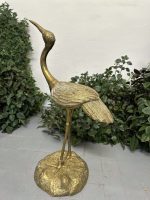
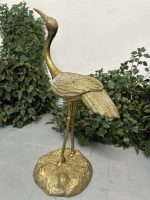
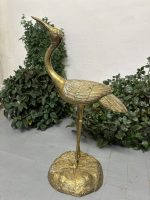
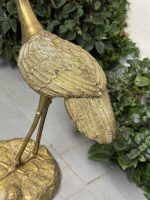
Crane with Raised Neck — Brass or Bronze Figurine, Asian Animalism, Japan or China, c (4418)
Height 77 cm Length 47 cm Color BronzeGoldNatural
Description
📐 DIMENSIONS
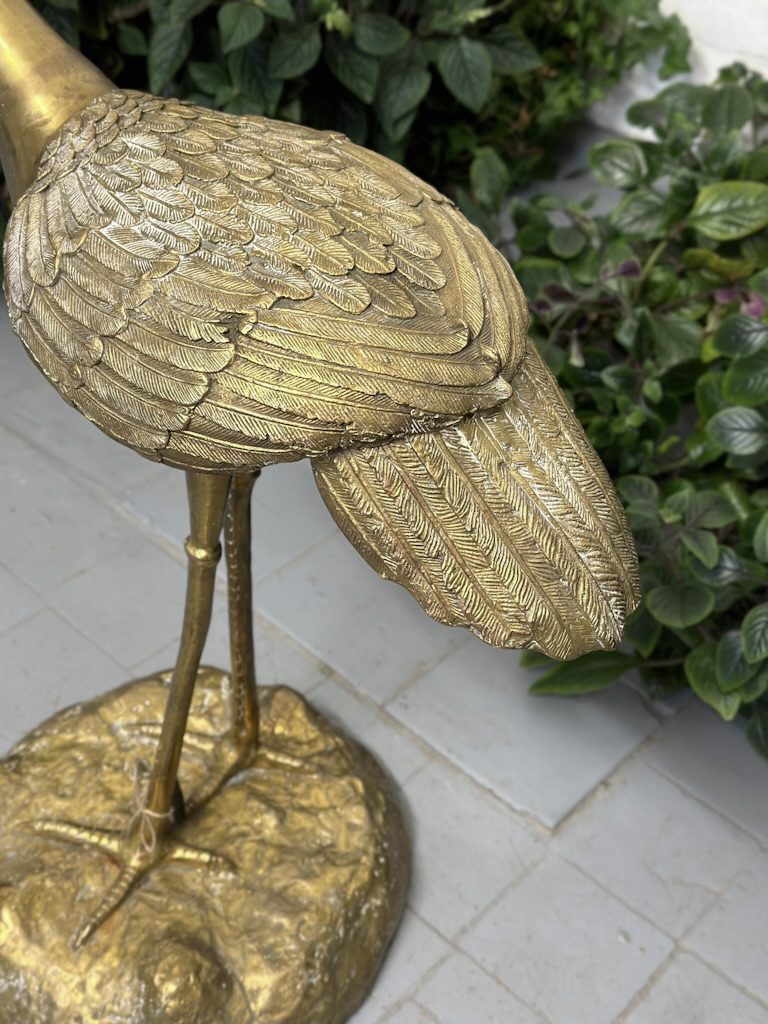
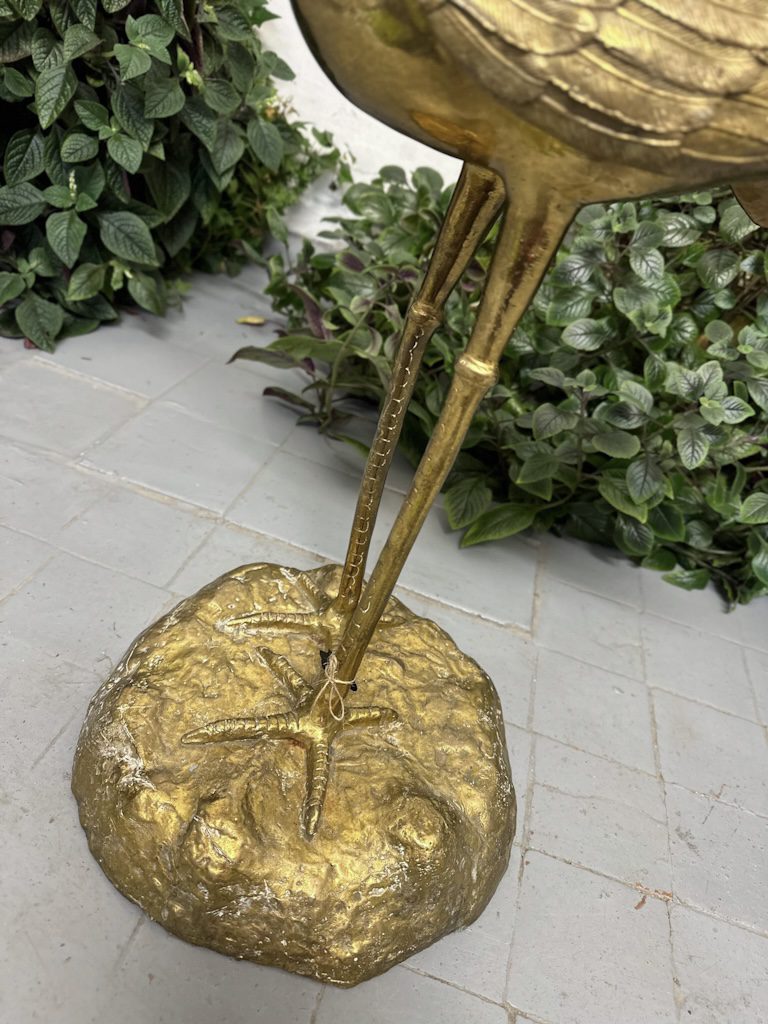
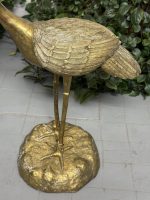
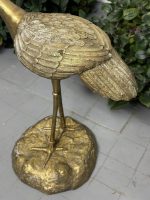
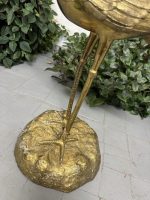
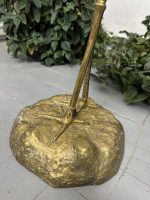
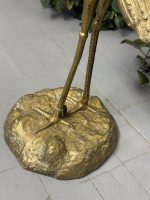
Height: 77 cm. Length: 47 cm. Width at base: 28 cm. Weight: medium-heavy — brass casting with partially hollow elements. Oval, organic rock base with crane footprint impressions.
―――――――――――――――――――――
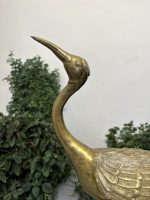
Crane with Raised Neck — Brass Figure, Asian Animalism, Japan or China, circa 1950–1980.
―――――――――――――――――――――
🏛️ PERIOD OF MANUFACTURE, ARTISTIC STYLE, ERA
The crane is the most important bird in Asian art and cultural philosophy — it stands above all other animals in the symbolic world of Japan and China. In Japan, the crane (tsuru, 鶴) is a symbol of longevity, happiness, fidelity, and proximity to the heavens — legend says that the crane lives for a thousand years. In Chinese culture, the crane (hè, 鹤) is a symbol of wisdom, spiritual perfection, and immortality, and it is depicted with Daoist immortals as their companion on celestial journeys.
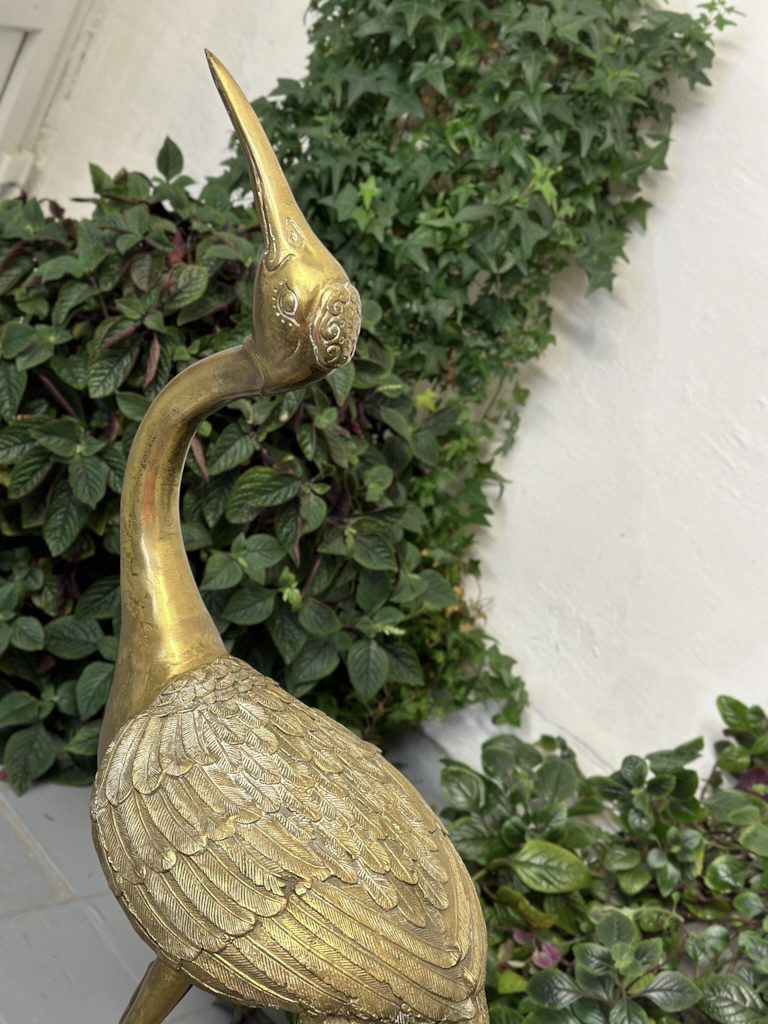
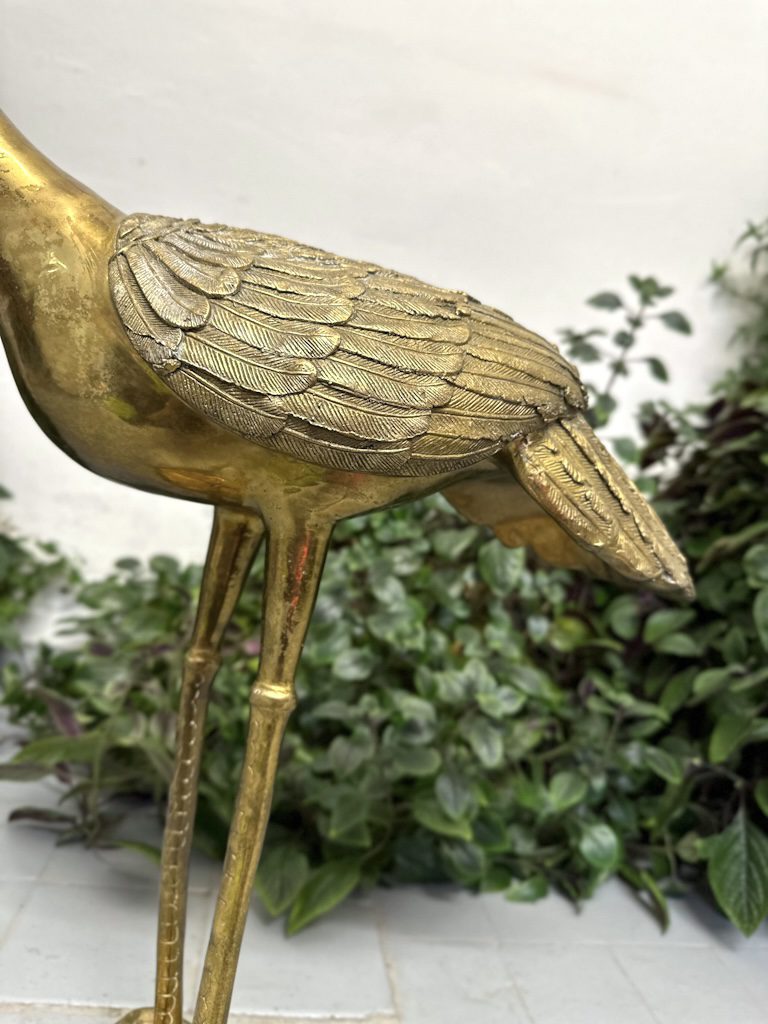
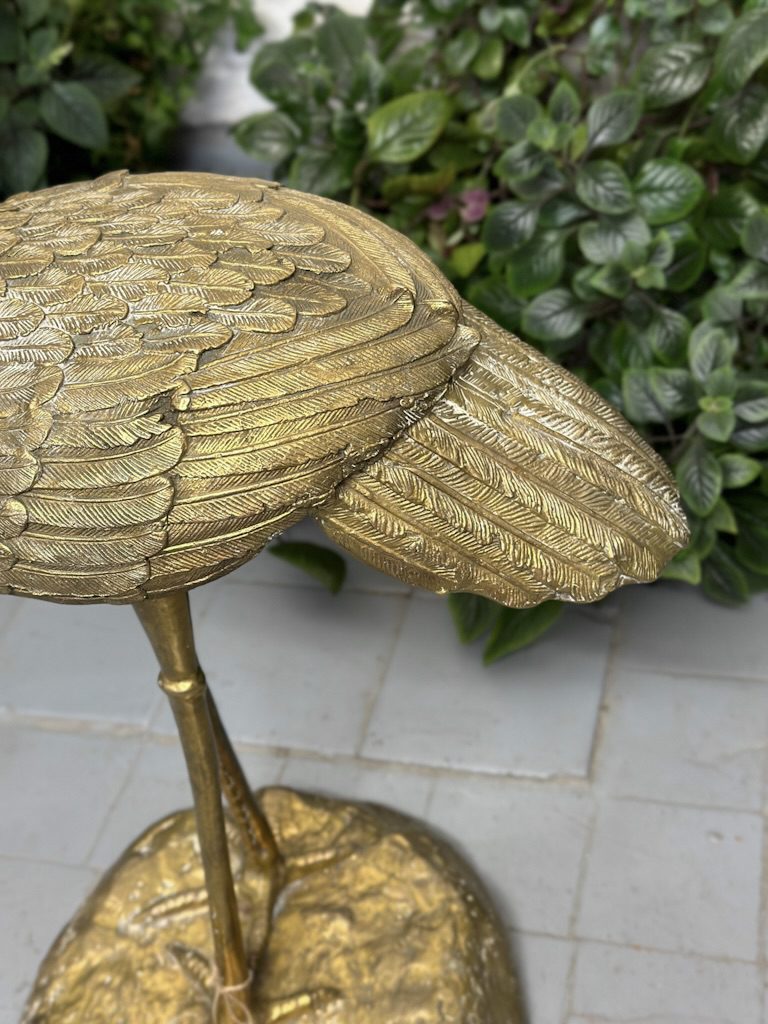
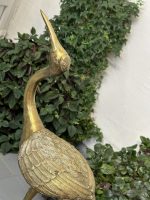
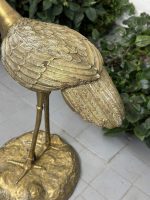
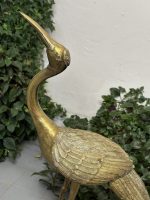
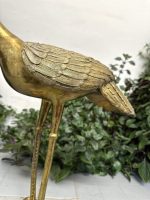
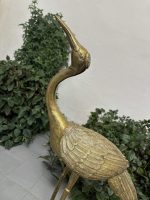
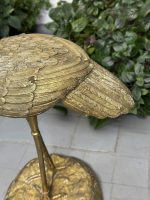
This figure reproduces the image of the crane developed in the great brass and bronze plastic art tradition of Japan’s Edo and Meiji periods — neck raised upwards with an open beak in a roaring or singing pose, wings and tail finely modeled with each feather individually, an ornamental spiral motif on the head reminiscent of a sun or cosmic energy sign. The rock base with crane footprint impressions is a classic compositional solution in Asian animalistic plastic art — it places the bird in a specific natural environment, not in an abstract space.
The brass tone and casting technology of the figure indicate mid-to-late 20th century Asian export production, when Japanese and Chinese brass figures became very popular in the European and American markets — they were acquired both for collections and in the context of interior design.
―――――――――――――――――――――
⚜️ MANUFACTURER AND STYLISTIC AFFILIATION
No manufacturer’s mark is visible in the photographs. The ornamental spiral motifs on the head, the precision of the feather detailing, and the proportions of the casting indicate a professional Asian metalworking workshop — most likely Japanese or Chinese. In Japan, this type of brass and bronze figures were produced by workshops that inherited the metalworking tradition of the Meiji period (1868–1912) — a period when Japanese metal art reached its highest perfection and became one of the most exported art forms. In China, analogous crane figures were produced by Beijing and Shanghai bronze workshops specializing in the reproduction of traditional symbolic images for the export market. In both cases, figures of this type adorned the residences of Asian rulers and aristocrats, and also entered European and American collections as prestigious gifts or trade goods.
―――――――――――――――――――――
💎 RARITY AND SIGNIFICANCE
Large-format brass crane figures — 77 cm in height, with fully preserved feather detailing, ornamental head decoration, and an organic rock base — are consistently in demand in the Asian art and decorative plastic art market. The image of the crane is universally recognized in all cultures — both Asian collectors and European interior designers value this object equally highly. The scale of the figure — 77 cm — makes it an independent interior centerpiece, not just a table decoration.
―――――――――――――――――――――
🕯️ USE IN INTERIOR, DESIGN AND PHOTOGRAPHY
The 77 cm high crane is an independent interior element that creates the mood of the space itself. In a corner on the floor, on a low pedestal, in the center of a garden terrace, or in the middle of a lobby — in any of these contexts, it creates the impression of the presence of Asian high culture. The golden tone of the brass harmoniously fits into both classical and contemporary interiors — it resonates with brass, gold, and bronze accents, but works equally well against a white, gray, or dark background. In Asian, eclectic, and minimalist interiors, the crane is the first choice as a visual focal point. In interior and art photography, such a figure is a beloved image — its elegant proportions and golden sheen enrich the frame with light and depth.
―――――――――――――――――――――
🎁 GIFT AND PERSONALIZATION
In Japan, the crane is a traditional wedding and anniversary gift — it symbolizes fidelity, long life together, and happiness. In Japanese tradition, folding 1000 origami cranes (senbazuru) is a ritual of love and wishes. A brass crane as a gift is an excellent choice for weddings, anniversaries, welcoming a newborn, as well as any important life transition. In Chinese culture, the crane as a symbol of wisdom and longevity is a suitable gift for the elderly, philosophers, doctors, and those on a spiritual path. In a corporate context — as a representative gift for Japanese or Chinese business partners — it demonstrates the giver’s deep understanding of Asian cultural values.
―――――――――――――――――――――
🔍 CONDITION
The figure has been preserved in very good overall condition. The brass surface shows a natural patina of time — darker tones in places in the texture recesses of the base and in the body joint areas, which only enhances the visual depth of the figure. The feather detailing throughout the body is excellently preserved — each feather contour is separate, the spiral ornament on the head is clearly legible. A natural casting seam is visible in the neck and body joint area — technologically intended and visually harmless. The crane footprint impressions on the base are intact and precise. The condition of the item is fully reflected in the photographs.