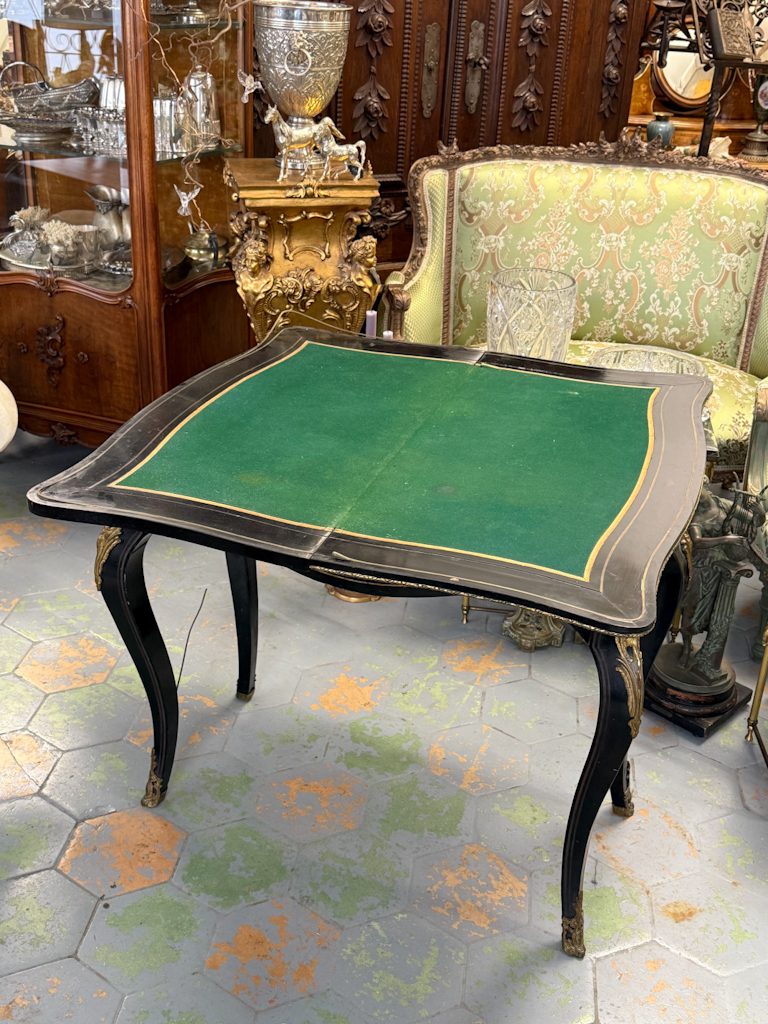
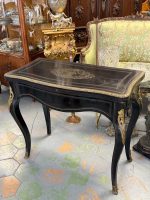
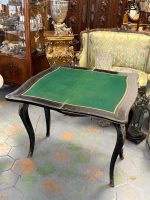
Ebonized wood game console — Napoleon III, France, 19th century. This exquisite piece features Boulle marquetry and bronze mounts, transforming into a gaming table with a green felt top when opened. A rare and visually striking example of Second Empire craftsmanship. 750,00 €
You’re now subscribed to price tracking for this product. We’ll notify you if the price drops. 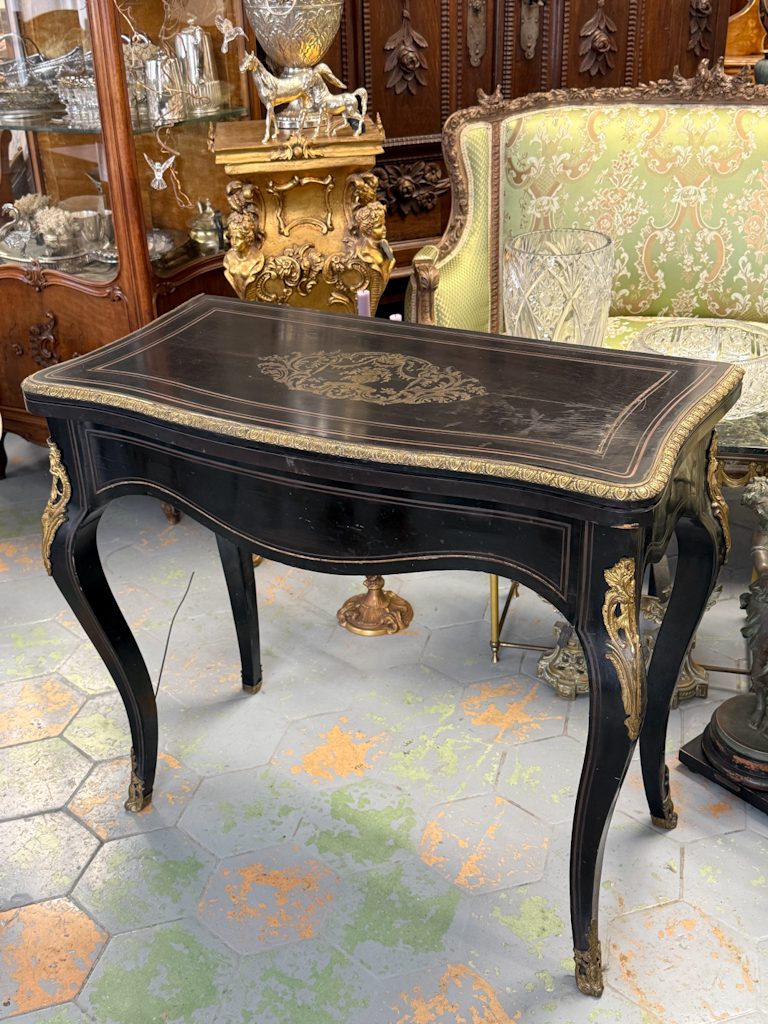
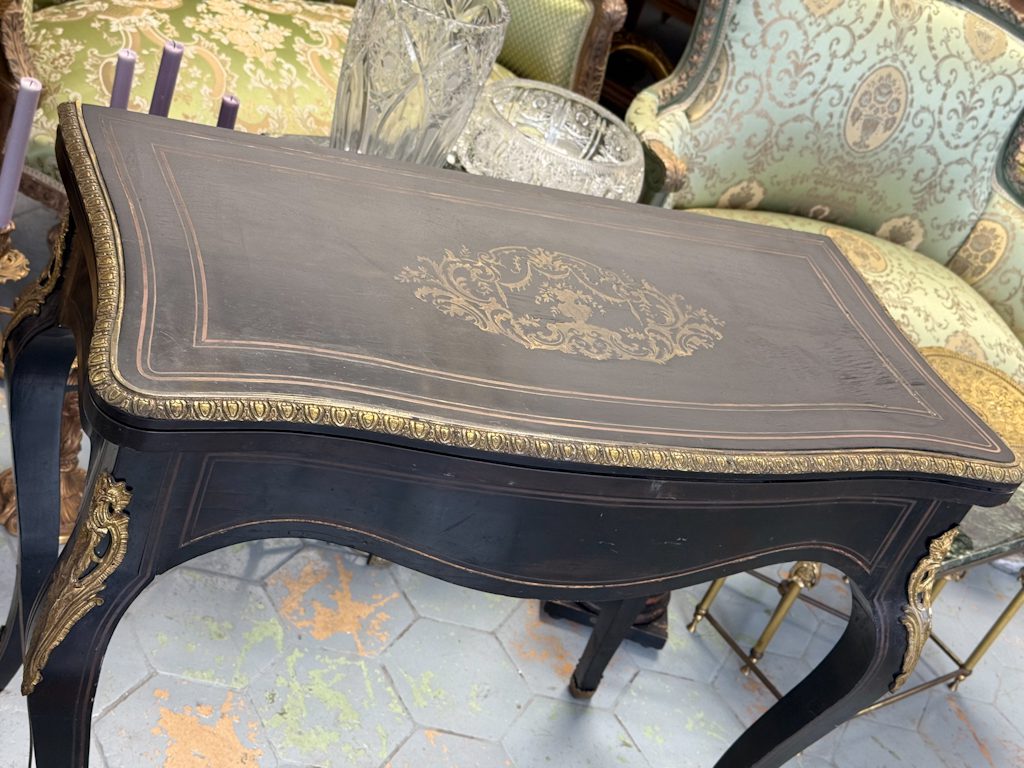
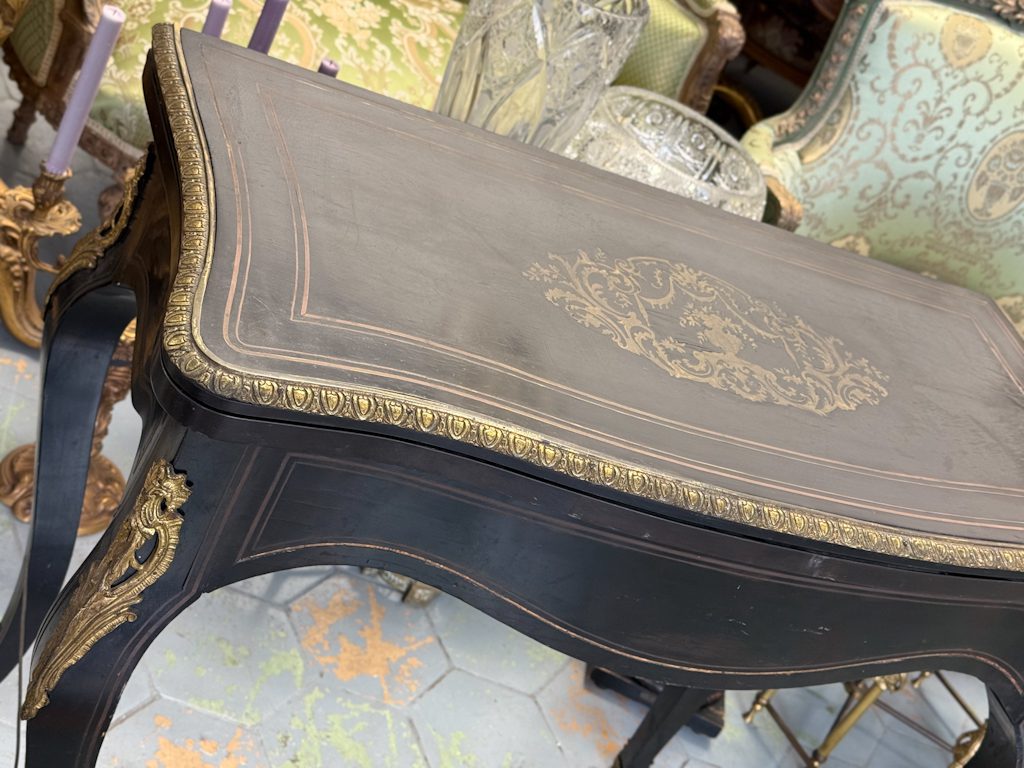
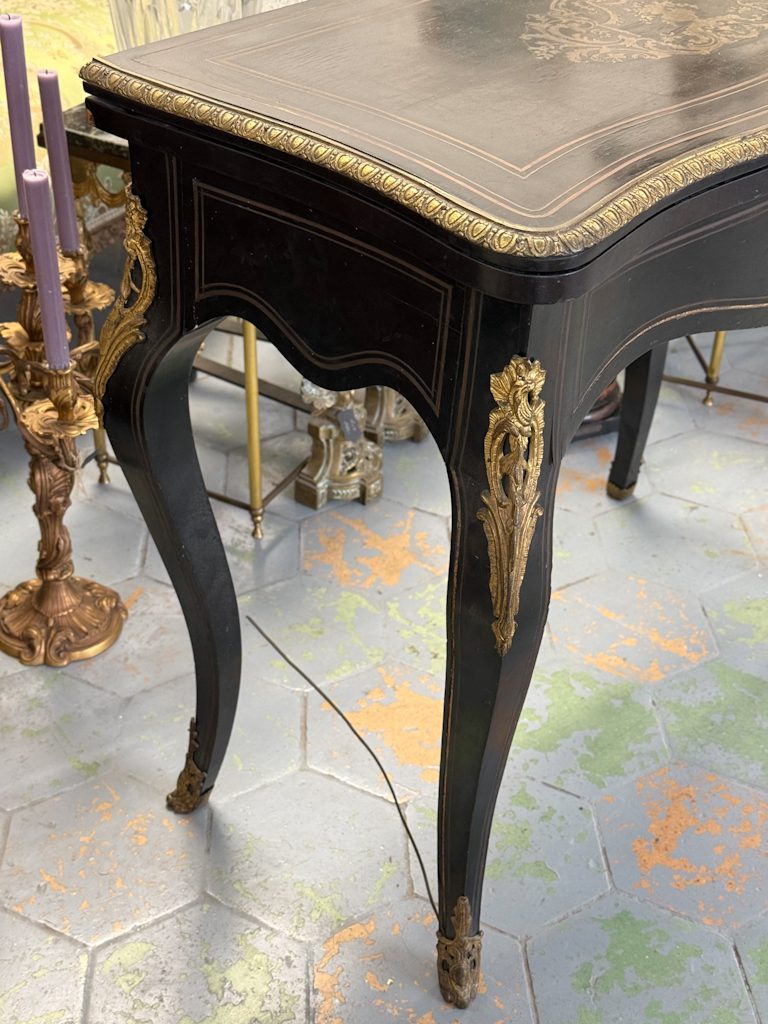
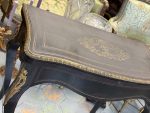
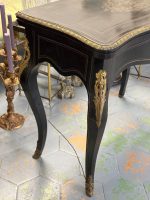
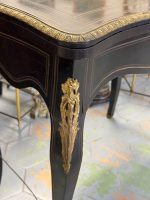
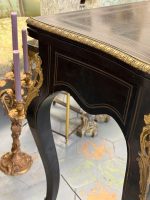
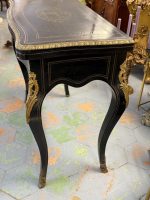
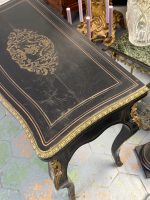
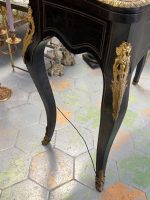
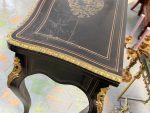
Ebonized Wood Game Console with Boulle Inlay — Napoleon III, France, 19th Century (5460)
Height 79 cm Length 91 cm Color BronzeNaturalMahogany
Description
DESCRIPTION IN
📐 Dimensions: Height 79 cm × Length 91 cm × Depth 44 cm. Open surface: 91 cm × 86 cm.
―――――――――――――――――――――
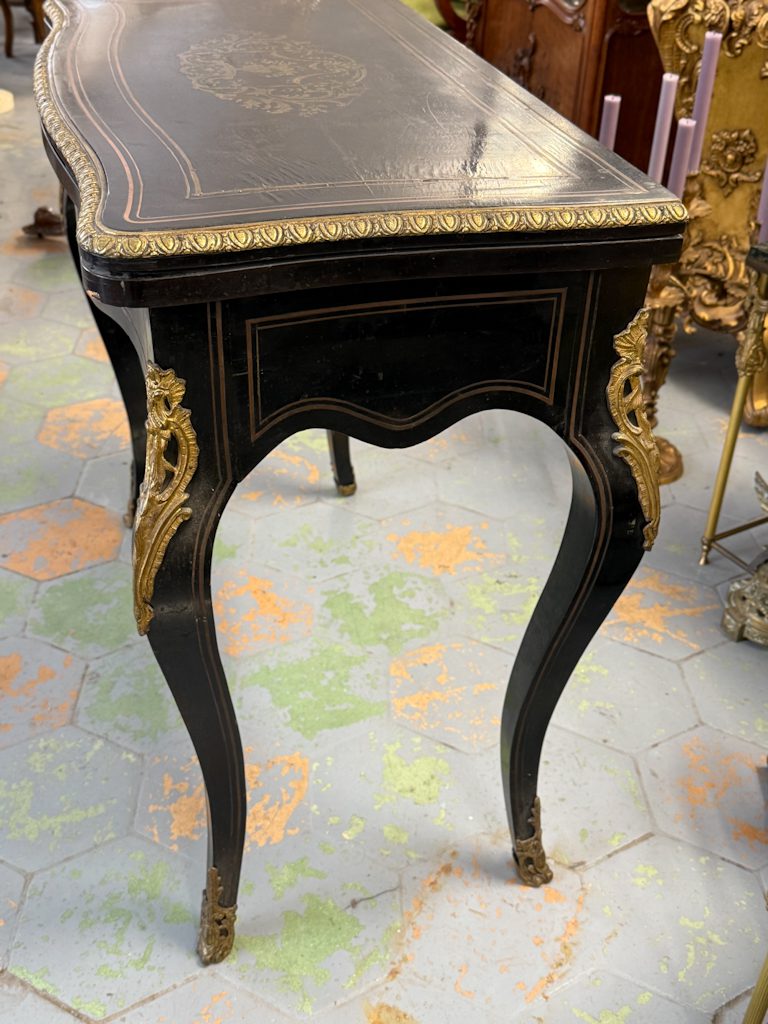
Ebonised Wood Games Console Table with Boulle-Style Gold Inlay and Bronze Mounts — Napoleon III / Louis XV Style, France, c. 1860–1880.
―――――――――――――――――――――
🏛️ PERIOD, ARTISTIC STYLE, ERA
This refined ebonised games table with Boulle-type gold inlay and bronze montures belongs to the highest category of Napoleon III decorative arts — that period from 1852 to 1870 which directly inspired the opulence and aesthetic of the Belle Époque that followed. The style was the first European artistic movement in which the haute bourgeoisie deliberately emulated the splendour of the imperial court — and ebonised wood with gold ornament was the purest expression of that ambition.
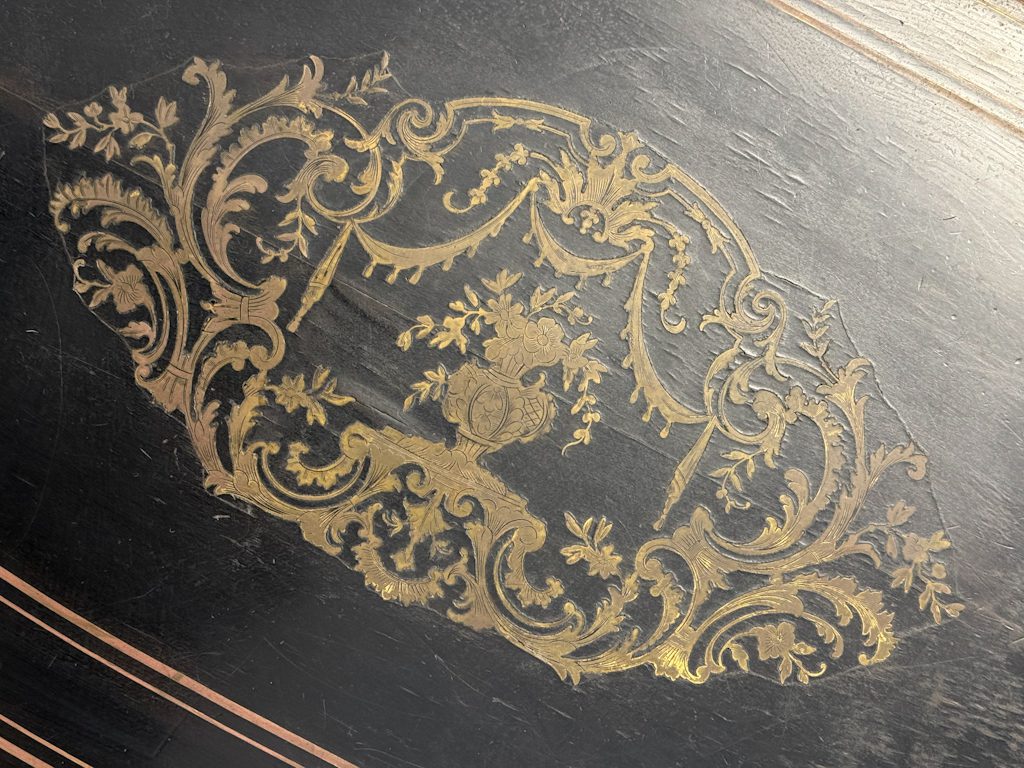
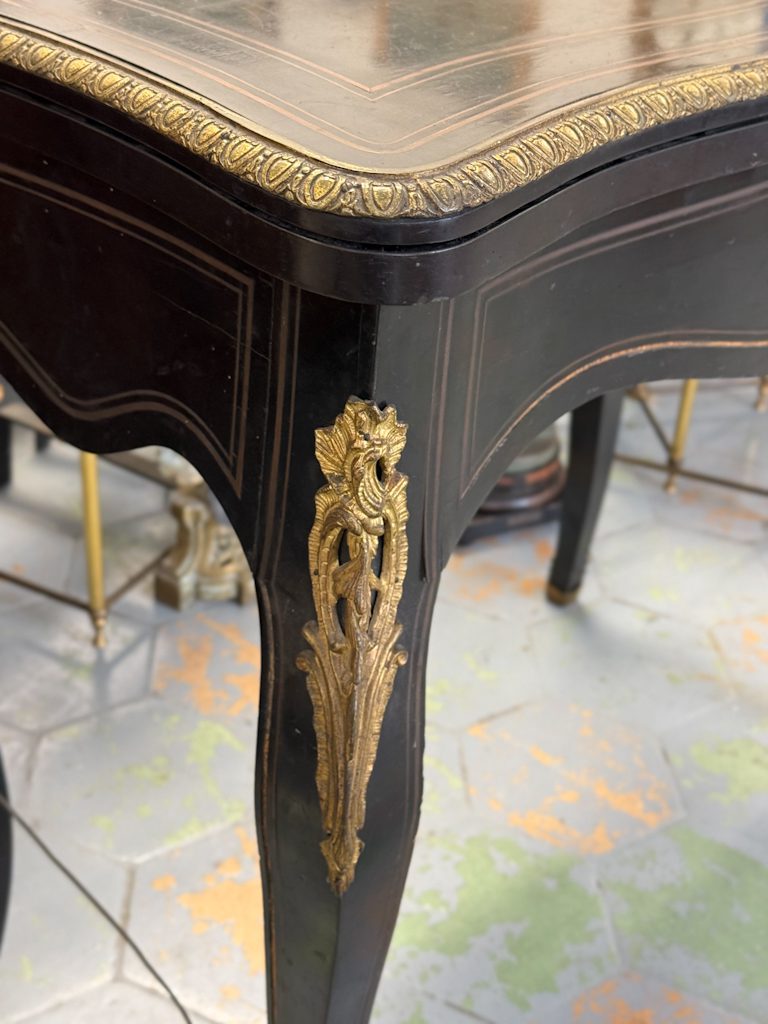
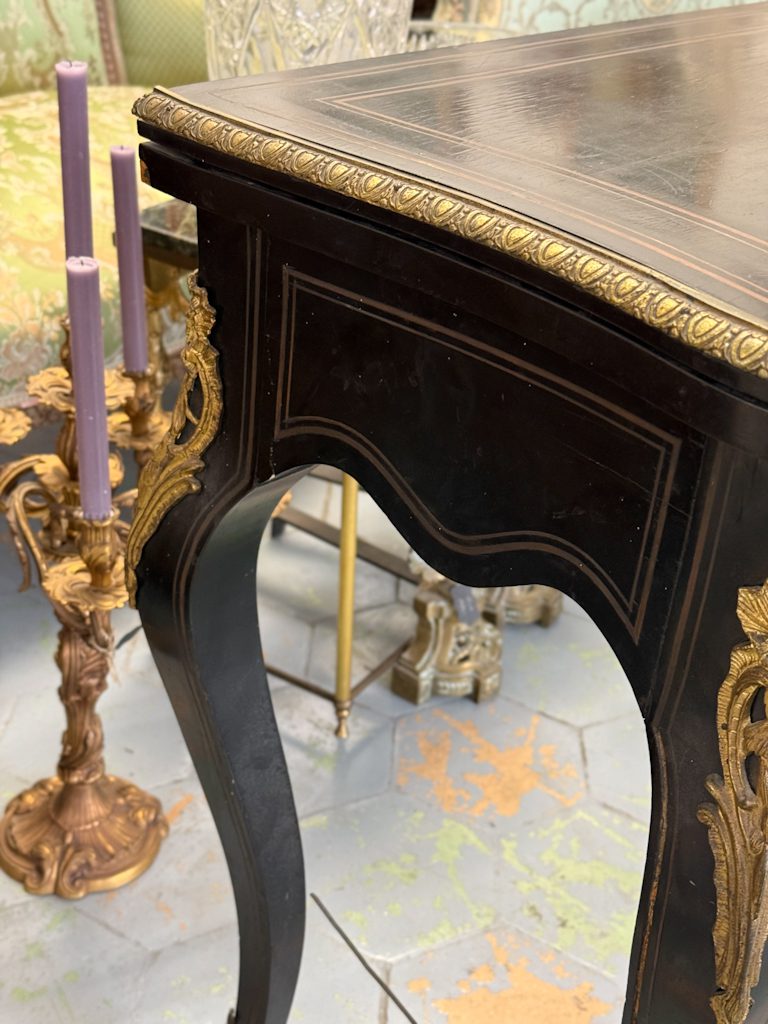
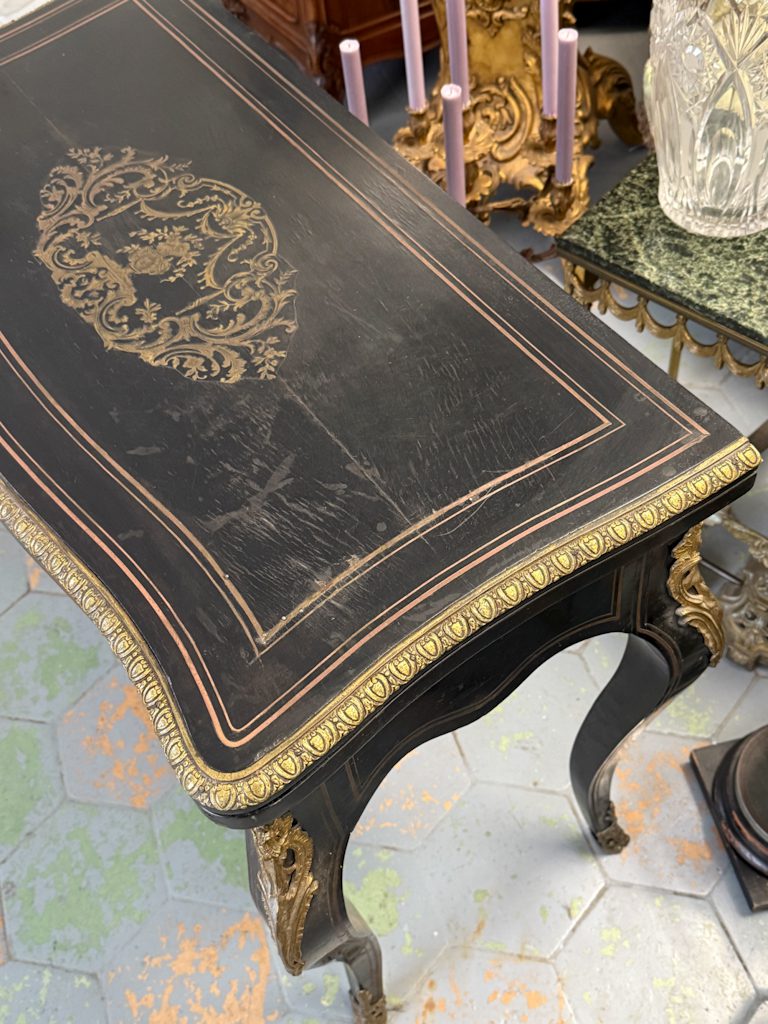
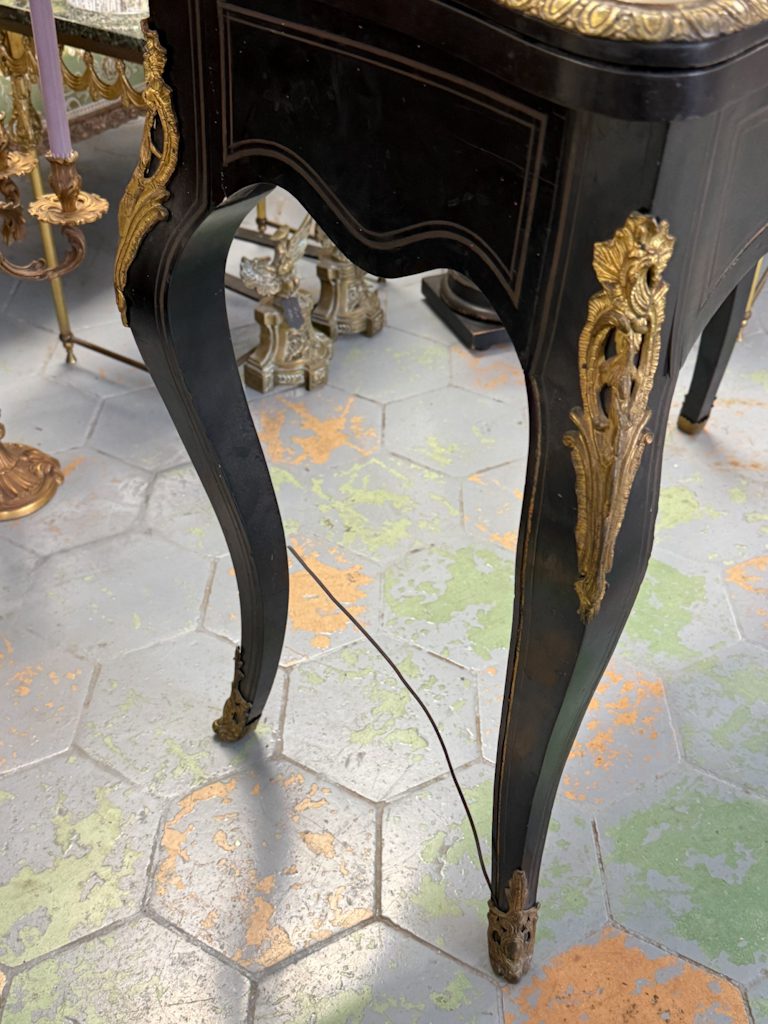
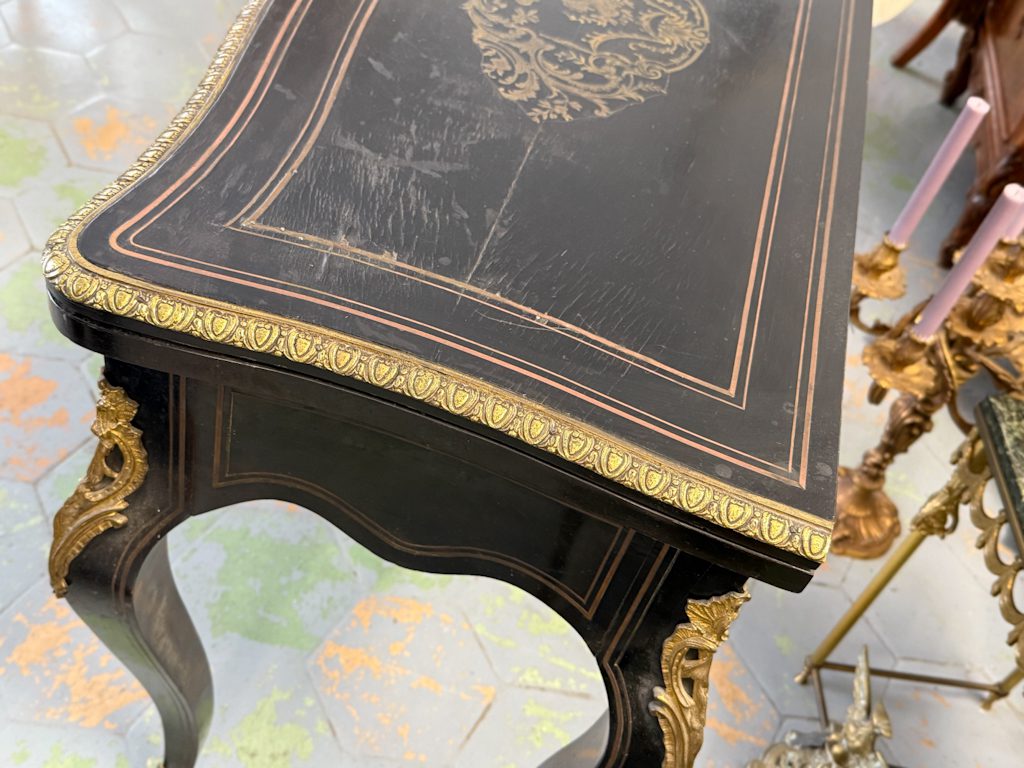
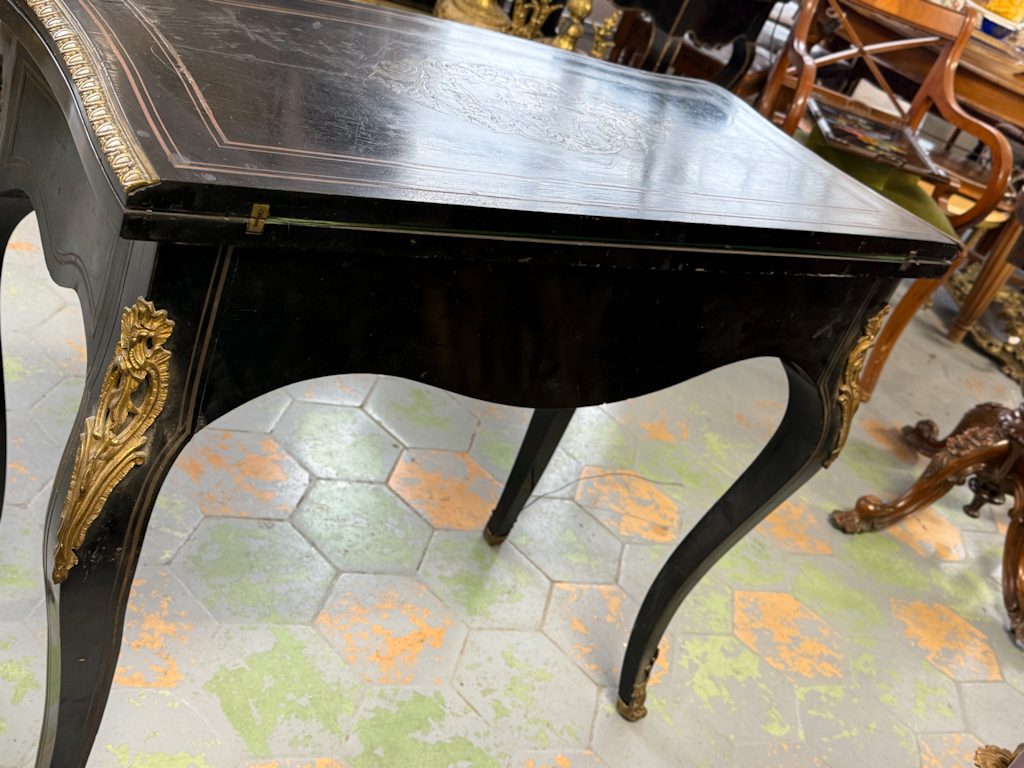
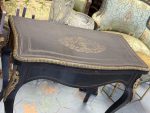
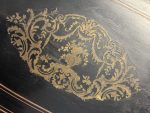
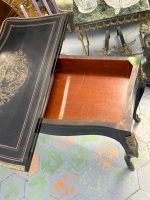
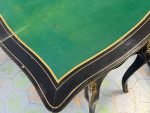
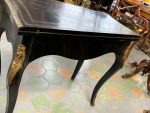
The piece unites two stylistic dialogues in a single object: the Boulle technique — the marqueterie de cuivre et d’écaille tradition developed by André-Charles Boulle in the 17th century, here interpreted as gold vernis ornament on a black ébène ground — and the Louis XV Revival formal vocabulary, expressed through cabriole legs with bronze sabots and a tablier with a curved serpentine profile. The central gold ornament on the top — a cartouche with acanthus, flowers and rocaille spirals — is drawn with exceptional precision and graphic confidence. The bronze egg-and-dart border around the full perimeter of the top, the bronze leg appliques with griffin-head motifs, and the rocaille sabots together create a piece that is simultaneously dramatic and elegant.
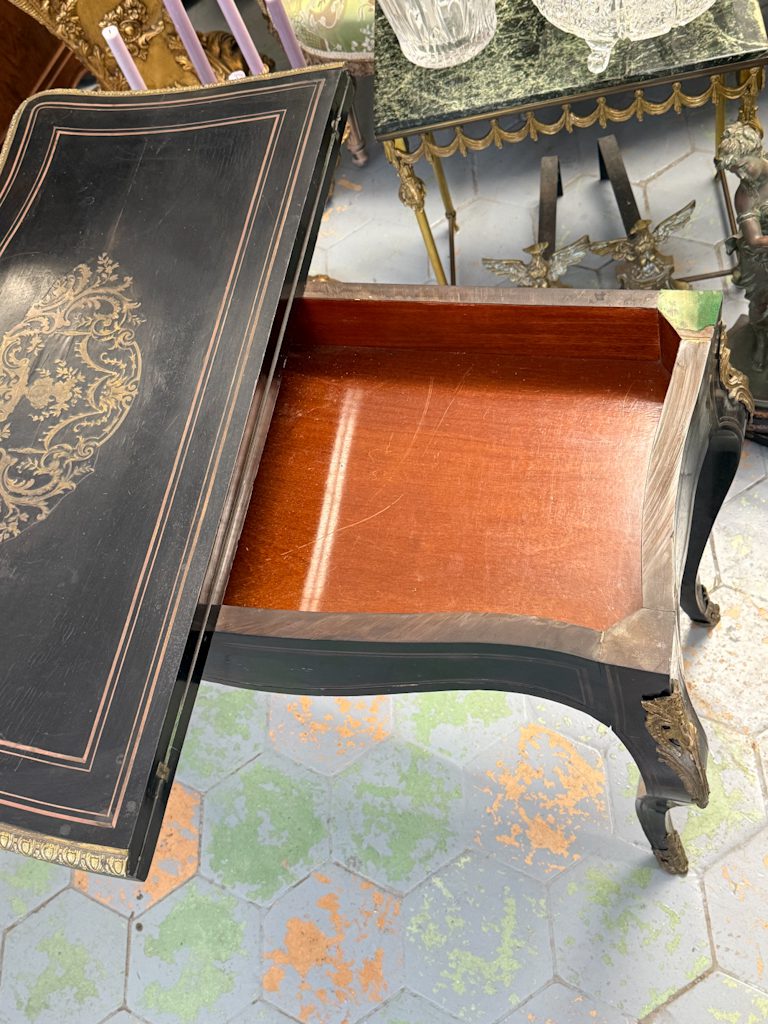
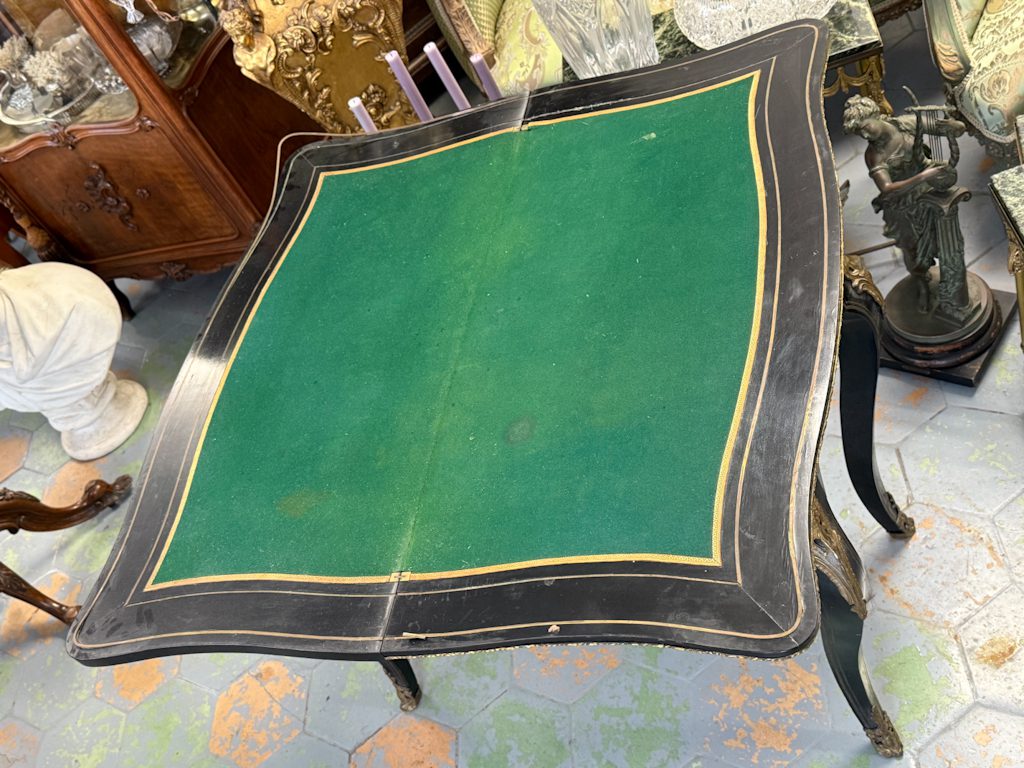
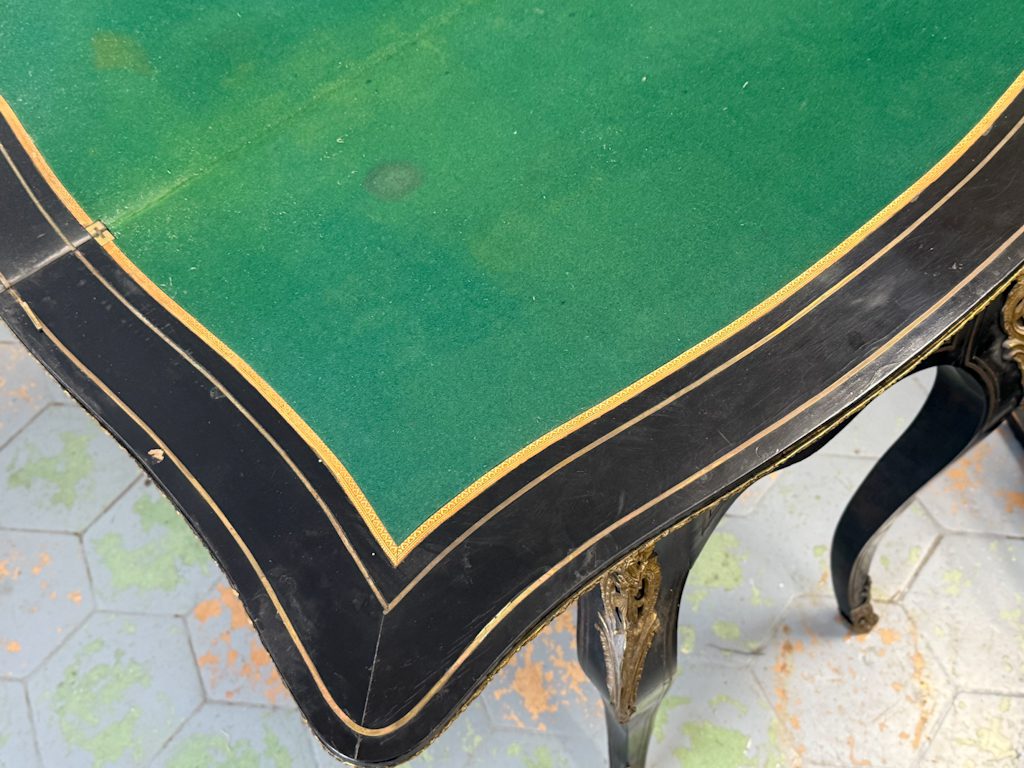
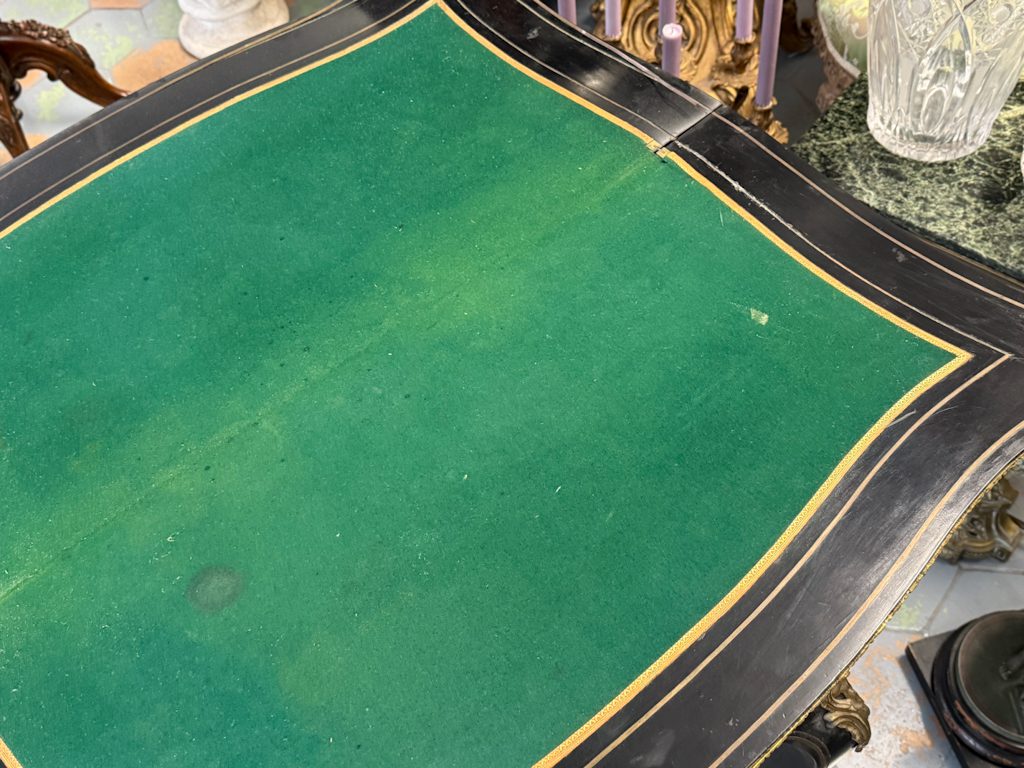
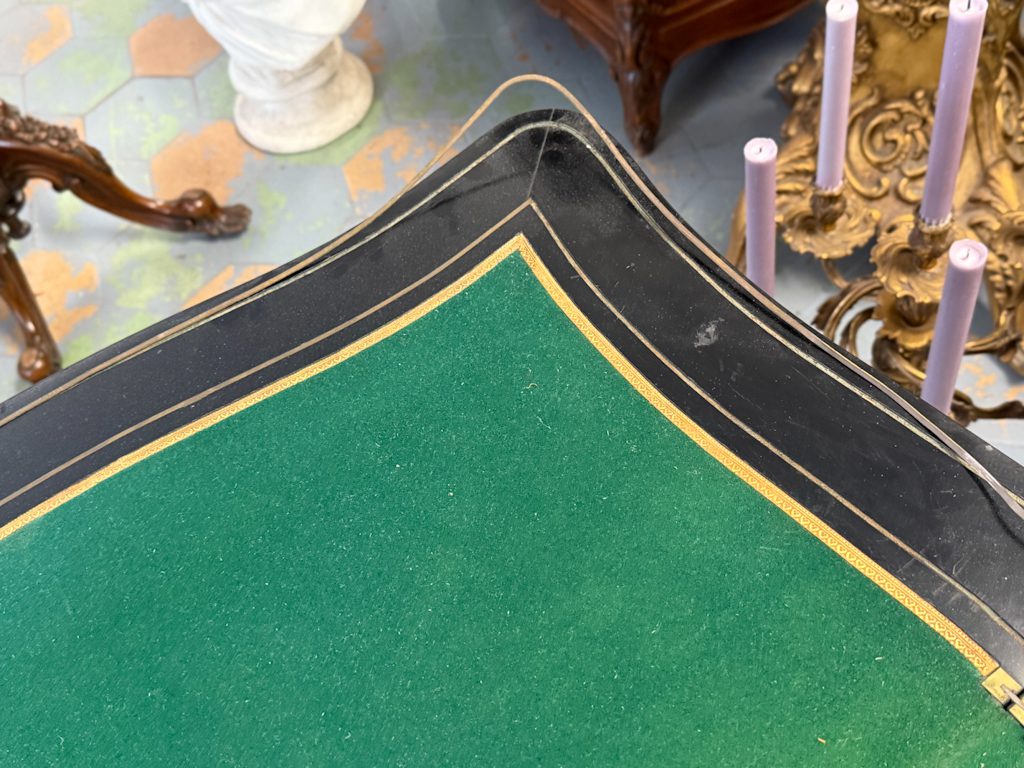
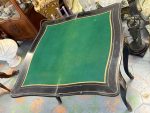
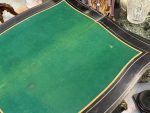
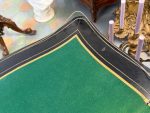
Opened, the table reveals the green tapis vert — the classic gaming baize — and a mahogany interior of equal refinement. This is an object with two lives.
✨ Belle Époque snapshot: It was in precisely these years of the 1860s that and the Empress Eugénie were transforming the Louvre and the Tuileries Palace, filling them with ebonised furniture and bronze ornament — in precisely the style of this table. Charles Garnier was simultaneously drawing his plans for the Paris Opéra. The city was rebuilding itself from the ground up, and games tables such as this stood at the centre of its salon life — cards were played at them, politics were discussed at them, and love affairs were begun across them.
―――――――――――――――――――――
⚜️ MAKER AND MARK
No specific maker’s mark or label has been identified on this piece. However, the quality of the ebonising, the precision of the gold vernis ornament, and the standard of the bronze montures point clearly to a high-calibre Parisian ébénisterie workshop. During the period, games tables of this type were produced by makers including Maison Grohé, Henri Fourdinois, and several other Parisian workshops specialising in meubles de salon of the highest order. Boulle-type ornament on an ebonised ground was particularly sought after in Second Empire aristocratic and haute bourgeoisie salons. By stylistic affiliation, the piece may be classified as manière e of the and Louis XV Revival highest tier.
―――――――――――――――――――――
💎 RARITY AND SIGNIFICANCE
Ebonised games tables with Boulle-type gold inlay, green tapis vert, mahogany interior, and complete bronze montures are exceptionally rare on the antique market. The great majority of games tables have survived without their original baize or with damaged bronze mounts. This piece stands out for the graphic clarity of the gold ornament, the preservation of the bronze egg-and-dart border, and the working condition of its opening mechanism. The black and gold colouring, cabriole legs, and mahogany interior make it one of the most visually powerful examples of this type. Objects of this character regularly appear at Drouot and Christie’s in the decorative arts category.
―――――――――――――――――――――
🕯️ USE IN INTERIORS, DESIGN AND PHOTOGRAPHY
Closed, the table functions as a dramatically striking side table — the black ébène tone with gold ornament produces an effect comparable to a work of art. Open, it becomes a fully operational games table for four players with green baize surface. Ideally suited to , Second Empire, Historicist or contemporary dark maximalism interiors. The category of black furniture with gold ornament is currently experiencing exceptional demand in the design world — this table is the precise embodiment of that tendency with authentic 19th-century provenance. For photographers and stylists: the gold ornament on the black ground photographs with a quality that reads as almost artificially perfect — yet it is genuine 19th century.
―――――――――――――――――――――
🎁 AS A GIFT
An ebonised games table with gold inlay is a gift that surprises — it is a work of art that is simultaneously functional. Suitable as a distinguished corporate or diplomatic offering, and equally compelling as a personal gift for an interior collector, a chess or card enthusiast, or anyone who appreciates the aesthetic of the era. The black and gold palette is universal — it works equally in classical, contemporary monochrome, and industrial interiors.
―――――――――――――――――――――
🔍 CONDITION
The table is in good overall condition for its age. The ebonised surface shows natural scratches from use — characteristic of authentic pieces and only confirming their provenance. The gold vernis ornament is well preserved with natural wear at the edges. The bronze egg-and-dart border, the leg appliques with griffin motifs, and the sabots are all intact. The green tapis vert is worn and shows signs of use — this is the only element that may benefit from replacement. The mahogany interior is well preserved. The opening mechanism functions correctly.
Condition is fully reflected in the photographs.
―――――――――――――――――――――