📐 MÅTT Brons papegojskulptur i naturlig storlek på grenbas — Animalier-tradition, Frankrike / Europa, mitten-andra hälften av 1900-talet efter 1800-talets modeller. ――――――――――――――――――――― 🏛️ TILLVERKNINGSPERIOD, KONSTSTIL, EPOK Denna skulptur tillhör en av Europas mest stolta dekorativa brons… 3 300,00 €
You’re now subscribed to price tracking for this product. We’ll notify you if the price drops. 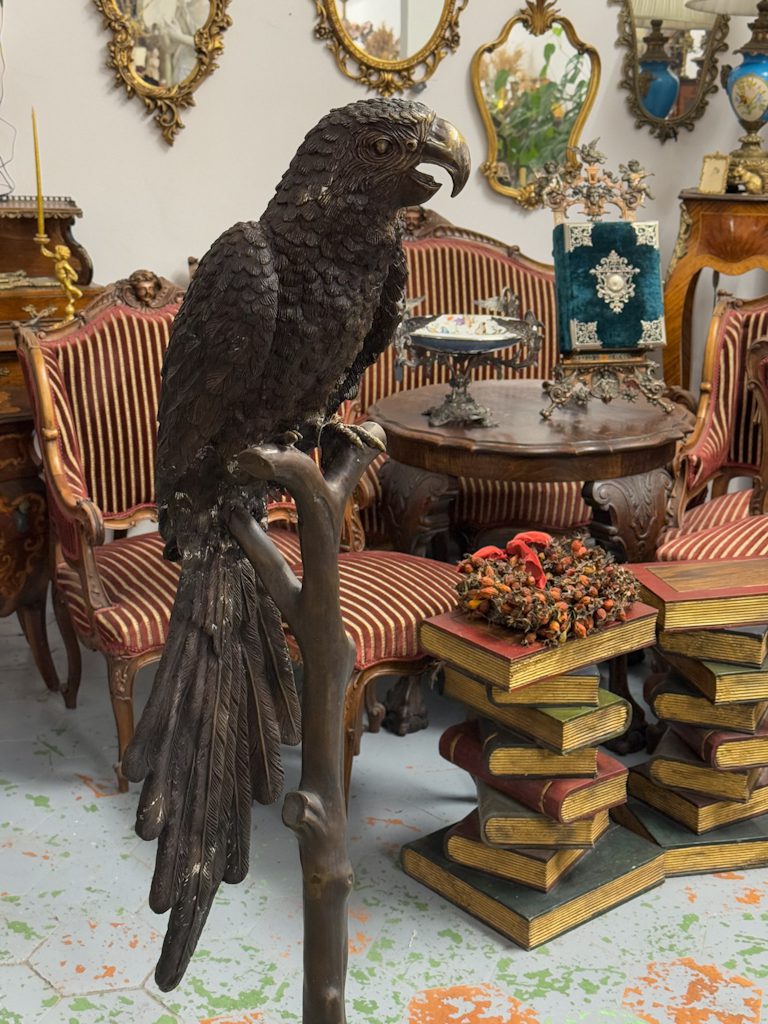
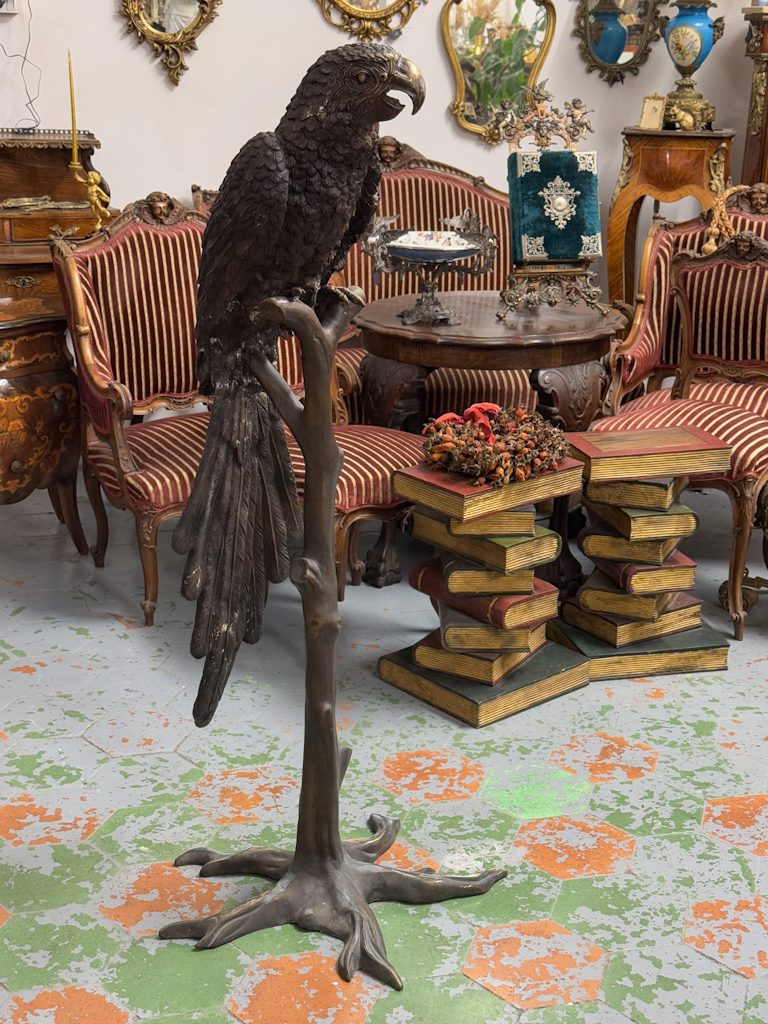
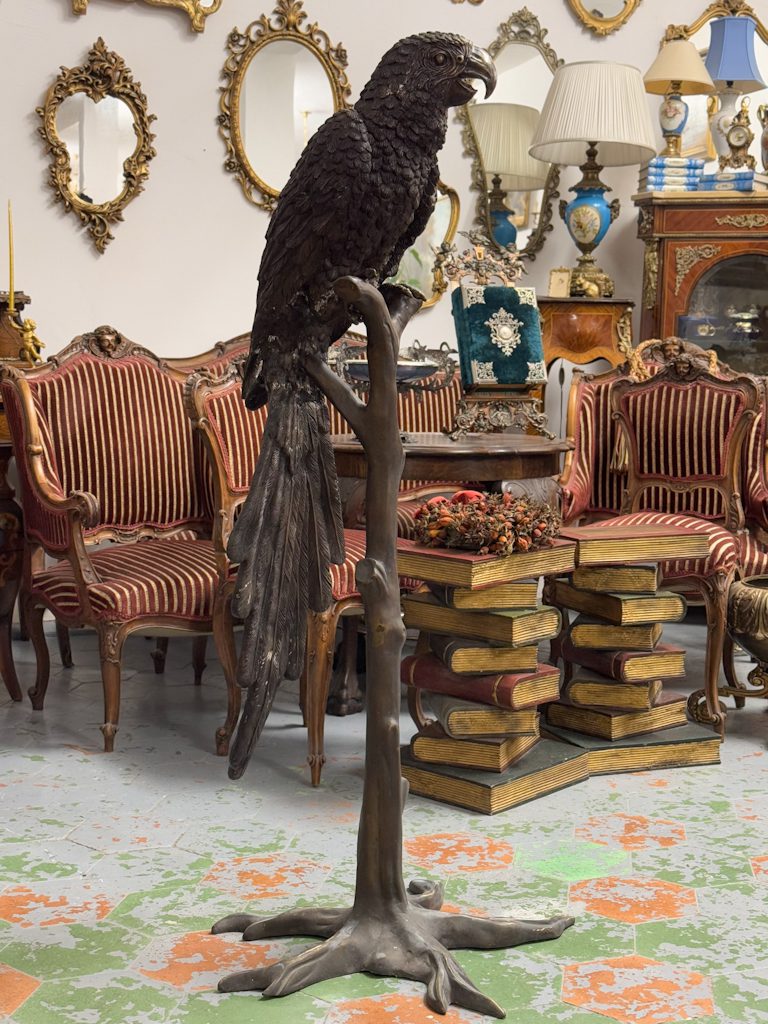
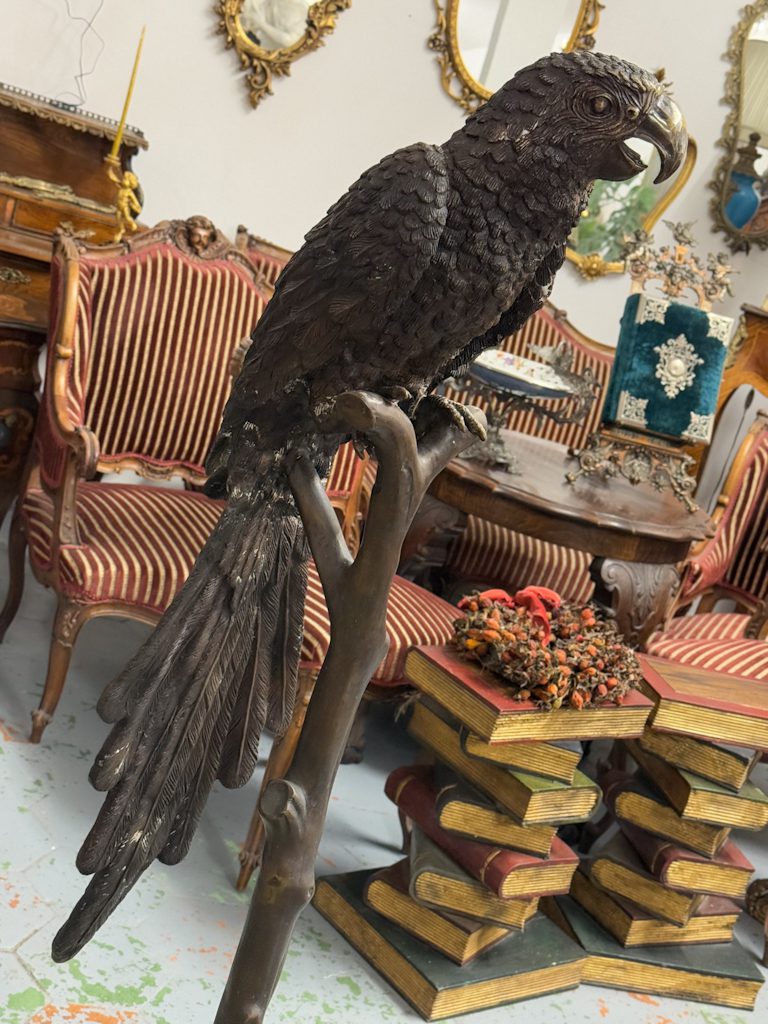




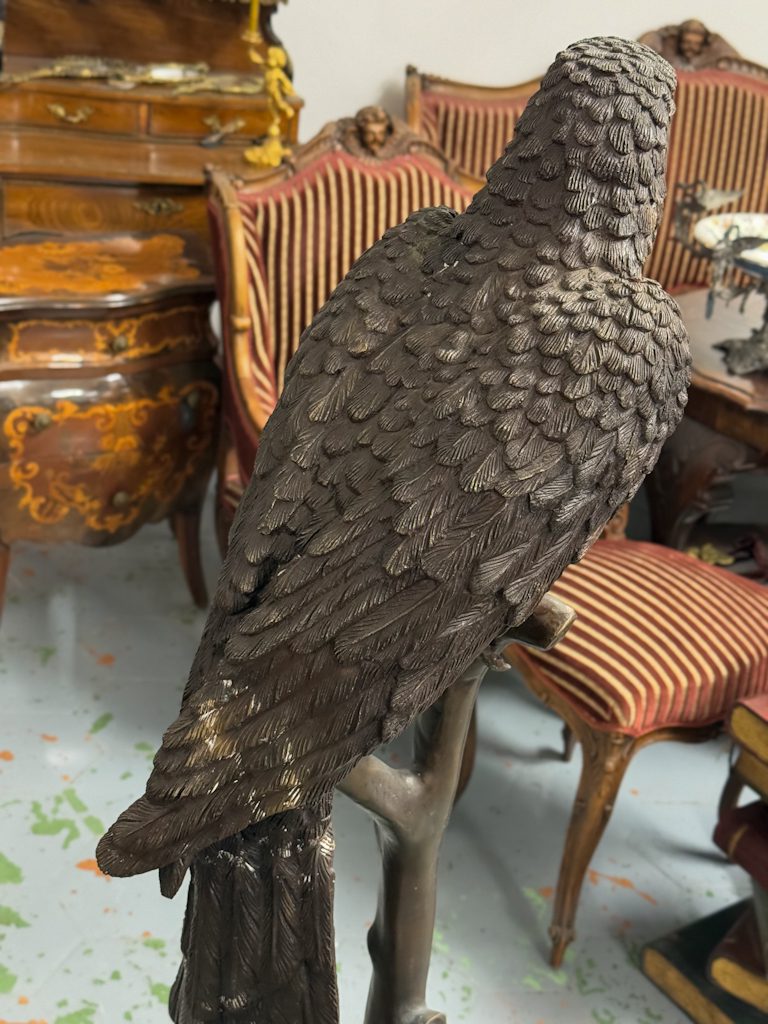

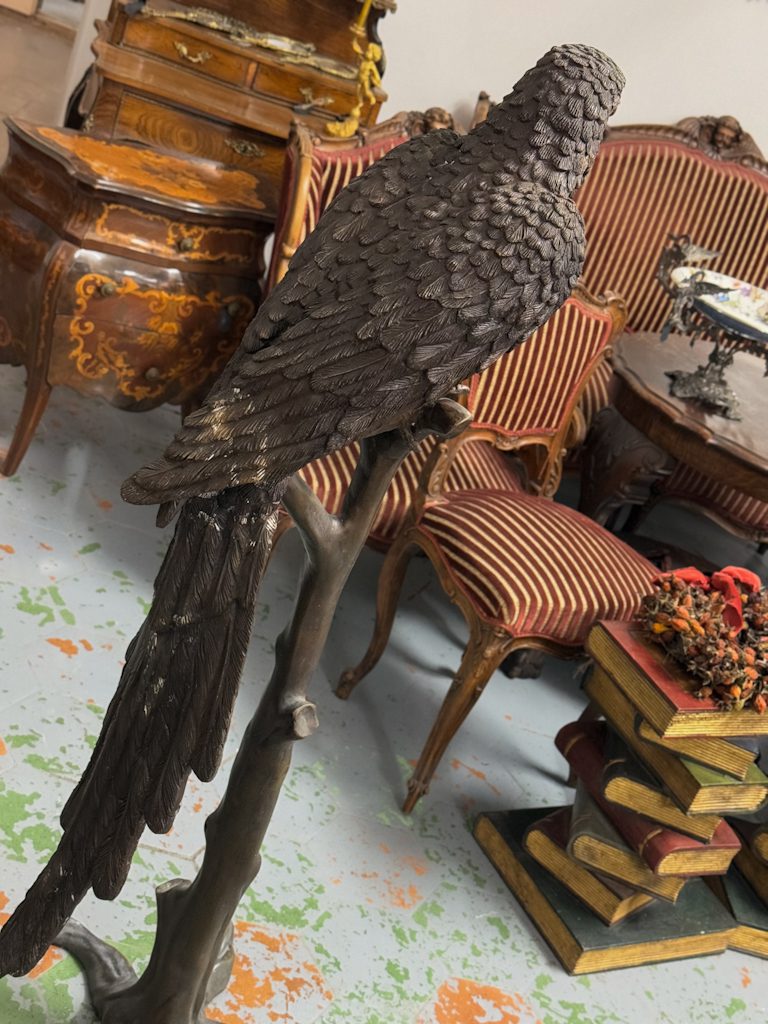

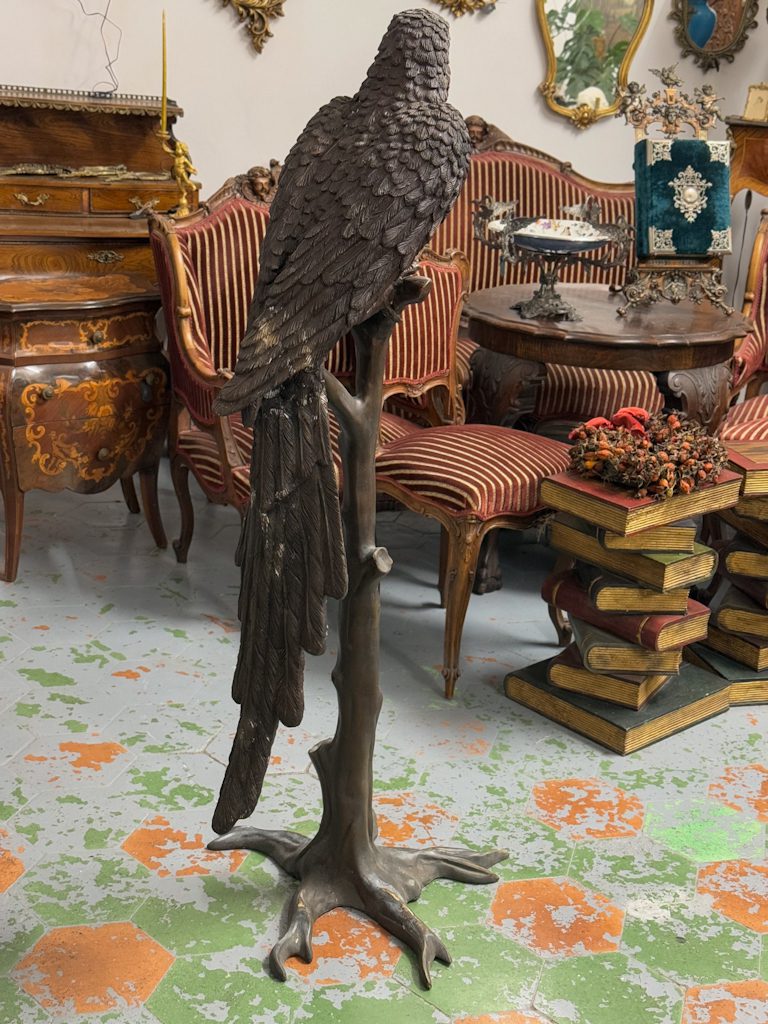
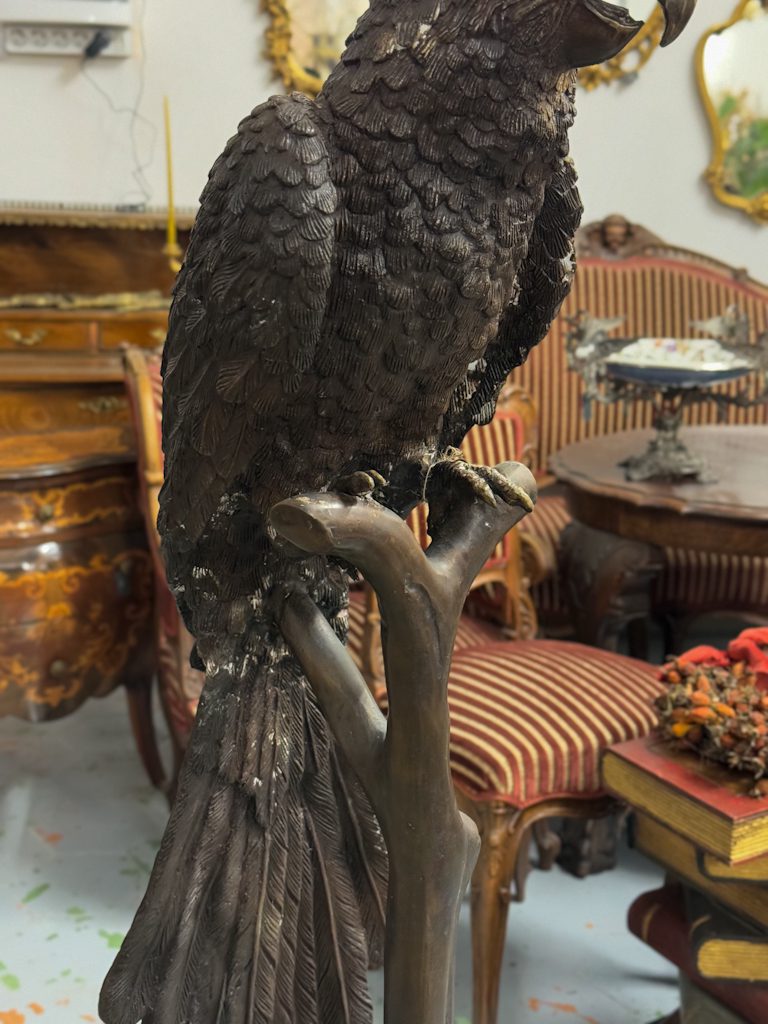

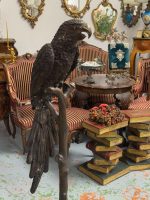
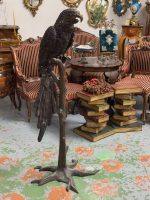
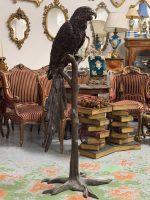
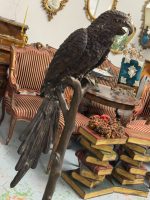
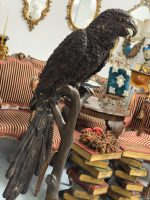
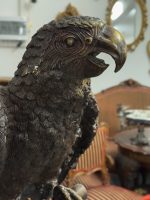
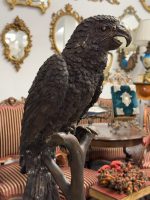
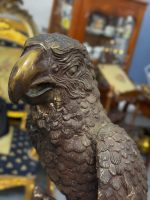
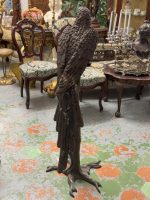
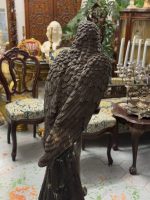
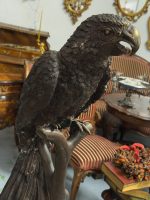
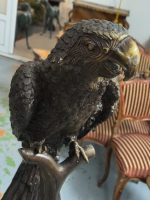
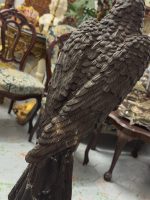
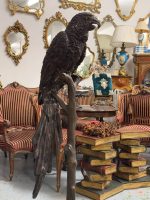
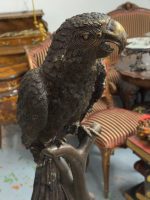
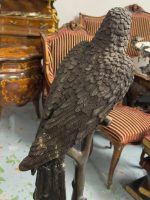

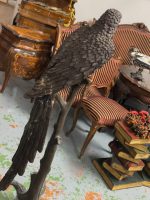
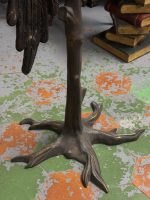
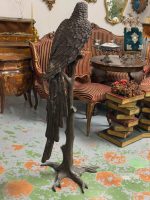
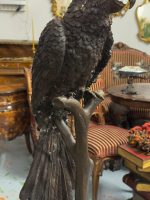
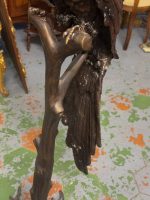
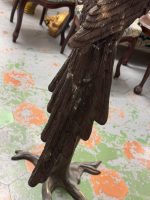
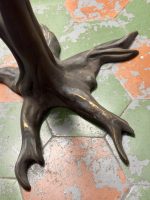
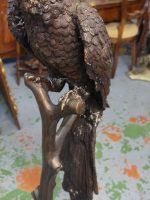
Bronsstaty av papegoja i naturlig storlek på grenfot – Animalier, Frankrike/Europa, mitten/slutet av 1900-talet.
Höjd 131 cm Bredd 26 cm, 59 cm Färg GuldNaturMörkbrun
Beskrivning
Mått:
UPPSÄTTNING:
Höjd: 131 cm
Bredd: 26 cm
Bredd: 59 cm
📐 MÅTT
Brons papegojskulptur i naturlig storlek på grenbas — Animalier-tradition, Frankrike / Europa, mitten-andra hälften av 1900-talet efter 1800-talets modeller.
―――――――――――――――――――――
🏛️ TILLVERKNINGSPERIOD, KONSTSTIL, EPOK
Denna skulptur tillhör en av Europas mest stolta traditioner inom dekorativ brons — Animalier skolan, som blomstrade i Frankrike från mitten av 1800-talet och fortsatte genom hela Belle Époque och in på 1900-talet. Ordet animalier betecknade skulptörer som specialiserade sig på att avbilda djur med extraordinär naturalistisk precision — varje fjäder, varje muskelkurva, varje blickens impuls skulle förevigas i brons så att betraktaren skulle känna närvaron av en levande varelse.
- På 1800-talets Paris Salon-utställningar upplevde animalier-skulptörerna — varav den mest berömde var Antoine-Louis Barye, som höll levande djur i Louvrens förråd för att teckna dem från livet — en enorm popularitet. Exotiska fåglar, särskilt papegojor och aror (ara), var ett särskilt omtyckt motiv, eftersom de symboliserade både upptäcktsresornas exotism och lyxen i aristokratiska och borgerliga hushåll — levande papegojor hade varit en statussymbol i Europas högsta samhällsskikt sedan 1600-talet.
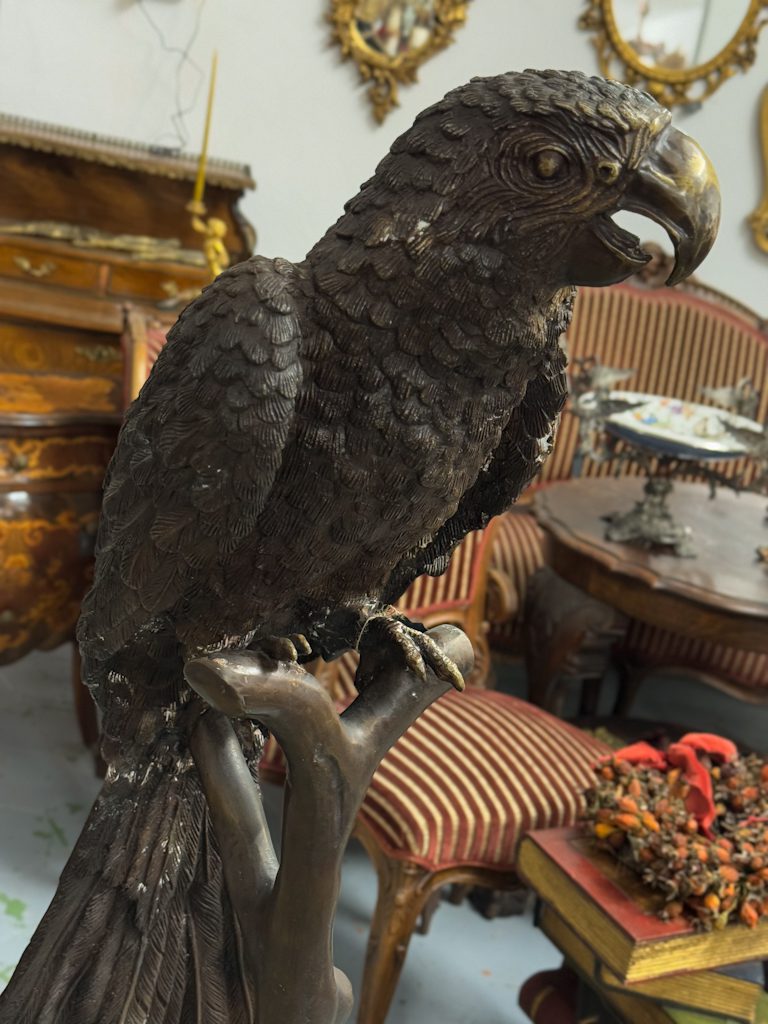
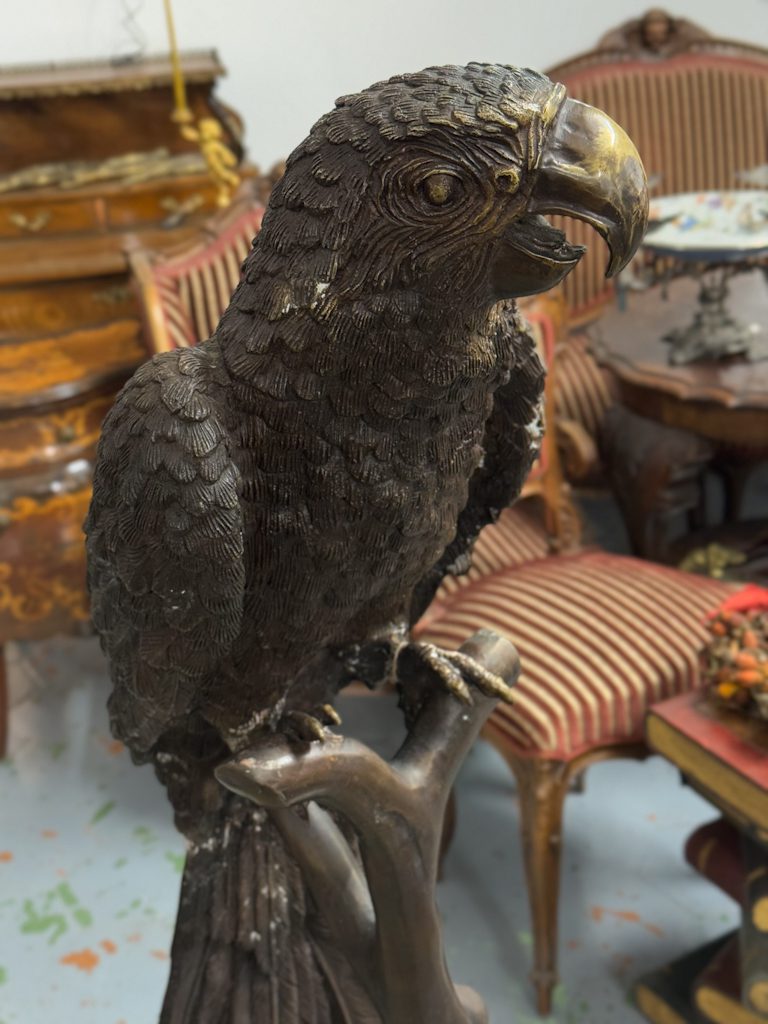
Denna skulpturs höga naturalistiska kvalitet — den individuella modelleringen av varje fjäder, den vassa näbbens släthet i kontrast till den sträva fjäderstrukturen, känslan av kroppsmassa och vikt — vittnar om en konstnärligt seriös gjutning som följde de bästa animalier-traditionerna.
―――――――――――――――――――――
⚜️ TILLVERKARE OCH TRADITION
Ingen specifik tillverkarstämpel eller gjutares signatur syns på skulpturen. Detta är typiskt för stora representativa bronsgjutningar som gjordes på beställning eller i högklassiga gjuterier, där arbetets kvalitet i sig var en tillräcklig garanti.
Produktionen av storskaliga, naturalistiskt precisa bronsfågelskulpturer av exotiska fåglar i Europa koncentrerades främst till parisiska gjuterier, samt till bronsverkstäder i Italien — särskilt Florens och Milano — som från andra hälften av 1800-talet fram till mitten av 1900-talet regelbundet producerade sådana representativa verk för aristokratiska och borgerliga interiörer. Grenbaslösningen — där stammen organiskt växer fram ur rotade grenar och bildar ett stabilt men visuellt lätt stöd — är karakteristisk just för denna högklassiga bronsgjutningstradition, där statiska lösningar kombinerades med konstnärlig komposition.
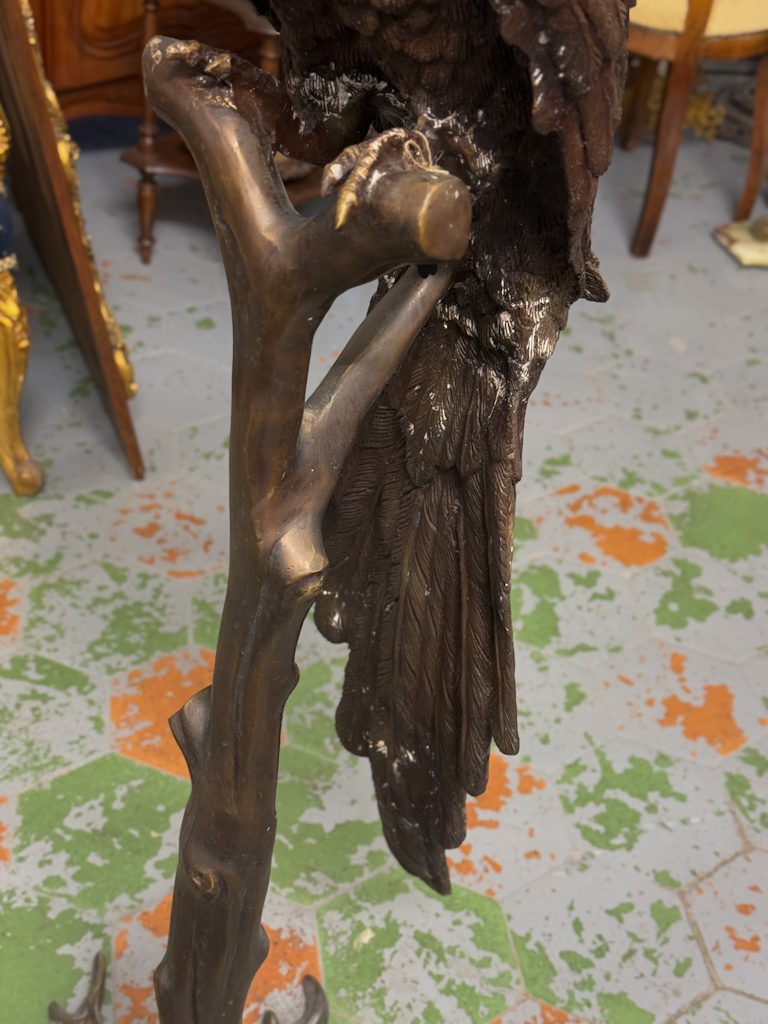
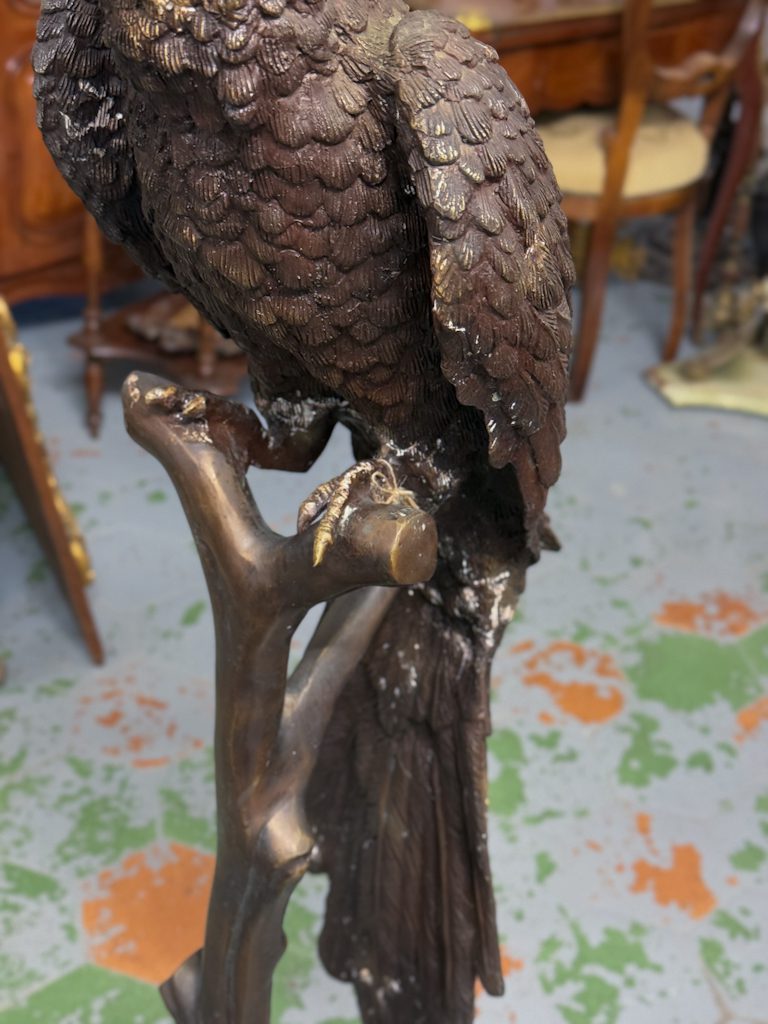
Två patinatoner — djupt mörkbrun på fjädrarna och en varmare, nästan gyllene på näbben och enskilda fjäderspetsar — vittnar om en medveten tvåtonspatineringsprocess, som var karakteristisk för högkvalitativa europeiska bronsgjuterier och gav skulpturerna ytterligare visuell vitalitet.
―――――――――――――――――――――
💎 SÄLLSYNTHET OCH BETYDELSE
Brons papegojskulpturer i naturlig storlek med denna detaljrikedom i fjädrarna och en höjd över 120 cm är en utpräglat sällsynt företeelse på antikmarknaden. Majoriteten av bronsfågelskulpturer är i kabinettformat — 20 till 50 cm — och verk av denna skala förekommer främst på prestigefyllda internationella auktionshus eller i de finaste gallerierna.
Efterfrågan på storformats animalier-bronskulpturer är stabil och växande på både den europeiska och internationella marknaden — särskilt från samlare och inredningsarkitekter som arbetar med prestigefyllda projekt.
―――――――――――――――――――――
🕯️ ANVÄNDNING I INREDNING, DESIGN OCH FOTOGRAFI
Denna skulptur är skapad för att dominera rummet. I entréer, stora salonger, bibliotek och hallutrymmen fungerar den som ett självständigt konstverk som omedelbart sätter rummets karaktär och kulturhistoriska atmosfär. I klassiska och eklektiska interiörer passar den på golvet eller på en låg piedestal; i en modern loft- eller industriell interiör — på ett betonggolv eller mot en vit vägg — skapar den en stark, teatralisk kontrast.
För utomhus- och trädgårdsbruk är brons ett hållbart material som med tiden utvecklar en naturlig grön patina — sådana storformatsfåglar pryder ofta eleganta trädgårdar och terrasser, vilket påminner om den stora traditionen av europeisk parkskulptur. För fotografer och stylister erbjuder papegojans silhuett, den flytande fjäderytan och den monumentala höjden ett utomordentligt uttrycksfullt och fotogeniskt objekt.
―――――――――――――――――――――
🔍 SKICK
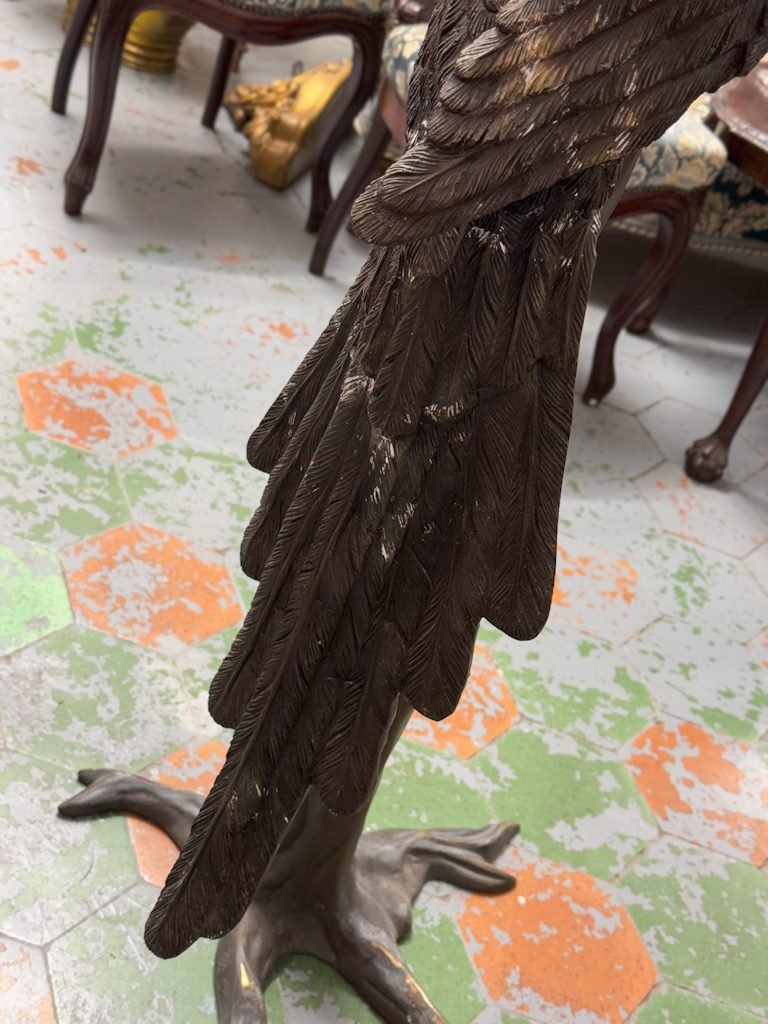
Skulpturen är i allmänt gott och dekorativt representativt skick. Bronspatinan är jämn och djup, med gyllene reflexer på näbben och fjäderspetsarna. På bröstet och flera andra ställen syns små vita avlagringar — troligen kalk- eller vattenmärken från förvaring — som lätt kan rengöras med ett professionellt bronsrengöringsmedel. Fjädermodelleringen är helt intakt över hela skulpturen. Grenkonstruktionen i basen är stabil, utan brott. Helhetsintrycket är ett massivt, voluminöst, respektabelt verk med enastående detaljer.
Föremålets skick återspeglas fullt ut i fotografierna.
―――――――――――――――――――――
DESCRIPTION IN
Life-Size Bronze Parrot Sculpture on Branch Base — Animalier Tradition, France / Europe, mid-to-late 20th century after 19th century models.
―――――――――――――――――――――
📐 DIMENSIONS
―――――――――――――――――――――
🏛️ PERIOD, ARTISTIC STYLE, AND HISTORICAL CONTEXT
This sculpture belongs to one of the proudest traditions in European decorative bronze — the Animalier school, which flourished in France from the mid-19th century and continued throughout the Belle Époque and into the 20th century. The term animalier designated sculptors who specialised in the portrayal of animals with extraordinary naturalistic precision — every feather, every curve of muscle, every impulse of a glance was to be captured in bronze so that the viewer could sense the presence of a living creature.
At the Paris Salon exhibitions of the 19th century, animalier sculptors — of whom the most celebrated was Antoine-Louis Barye, who kept living animals in the storerooms of the Louvre in order to draw them from life — enjoyed enormous popularity. Exotic birds, and parrots in particular, were a favourite motif, symbolizing both the exoticism of the age of exploration and the luxury of aristocratic and bourgeois households — live parrots had been a status symbol in the highest European society since the 17th century.
The high naturalistic quality of this sculpture — the individual modelling of each feather, the smooth polish of the sharp beak in contrast with the rougher texture of the plumage, the sense of mass and weight in the body — attests to a seriously artistic casting that faithfully followed the finest animalier traditions.
―――――――――――――――――――――
⚜️ MAKER’S MARK AND TRADITION
No specific maker’s mark or foundry signature is visible on the sculpture. This is characteristic of large representational bronze castings produced to commission or by high-quality foundries, where the quality of the work was itself a sufficient guarantee.
The production of large-scale, naturalistically precise exotic bird sculptures in bronze was concentrated primarily in Parisian foundries, as well as in the bronze workshops of Italy — particularly Florence and Milan — which from the second half of the 19th century through the mid-20th century regularly produced representative pieces of this kind for aristocratic and bourgeois interiors. The branch-base solution — in which the trunk grows organically from rooted branches, forming a stable yet visually light support — is characteristic of precisely this high-quality bronze casting tradition, in which structural engineering and artistic composition were united.
The two-tone patina — deep dark brown on the plumage and a warmer, almost golden tone on the beak and select feather tips — indicates a deliberate two-tone patination process characteristic of high-quality European bronze foundries, lending the sculpture additional visual vitality.
―――――――――――――――――――――
💎 RARITY AND SIGNIFICANCE
Life-size bronze parrot sculptures with this depth of feather detail and a height exceeding 120 cm are exceptionally rare on the antiques market. The majority of bronze bird sculptures are in cabinet format — 20 to 50 cm — and pieces of this scale appear principally at prestigious international auction houses or in the finest galleries.
Demand for large-format animalier bronze sculptures is stable and growing in both European and international markets — particularly from collectors and interior architects working on prestigious commissions.
―――――――――――――――――――――
🕯️ USE IN INTERIOR DESIGN AND PHOTOGRAPHY
This sculpture was made to dominate a room. In entrance halls, large salons, libraries, and reception spaces it functions as a self-sufficient work of art that immediately establishes the character and cultural-historical atmosphere of the space. In classical and eclectic interiors it is presented on the floor or on a low plinth; in a modern loft or industrial setting — against a white wall or on a concrete floor — it creates a powerful, theatrical contrast.
In an outdoor or garden context, bronze is a durable material that develops a natural green patina over time — large-format birds of this kind frequently adorn elegant gardens and terraces, recalling the great tradition of European park sculpture. For photographers and stylists, the silhouette of the parrot, the flowing surface of the plumage, and the monumental height offer an extraordinarily expressive and photogenic subject.
―――――――――――――――――――――
🔍 CONDITION
The sculpture is in overall good and decoratively representative condition. The bronze patina is uniform and deep, with golden highlights on the beak and feather tips. Small white deposits are visible on the chest and several other areas — likely lime or water residue from storage — which are easily removable with a professional bronze cleaning product. The feather modelling is fully intact throughout the sculpture. The branch base construction is stable, with no breaks. The overall impression is of a massive, substantial, commanding piece with outstanding detail.
The condition of the piece is fully represented in the photographs.