Впечатляющая тяжелая бронзовая фигура — мальчик на санках — Историзм / Прекрасная эпоха, Европа, конец XIX – начало XX века. Цена указана за 1 шт. Эта скульптура, выполненная в стиле жанровой скульптуры, украшала сады и интерьеры буржуазии, передавая сентиментальный взгляд на детство. 2 950,00 €
You’re now subscribed to price tracking for this product. We’ll notify you if the price drops. 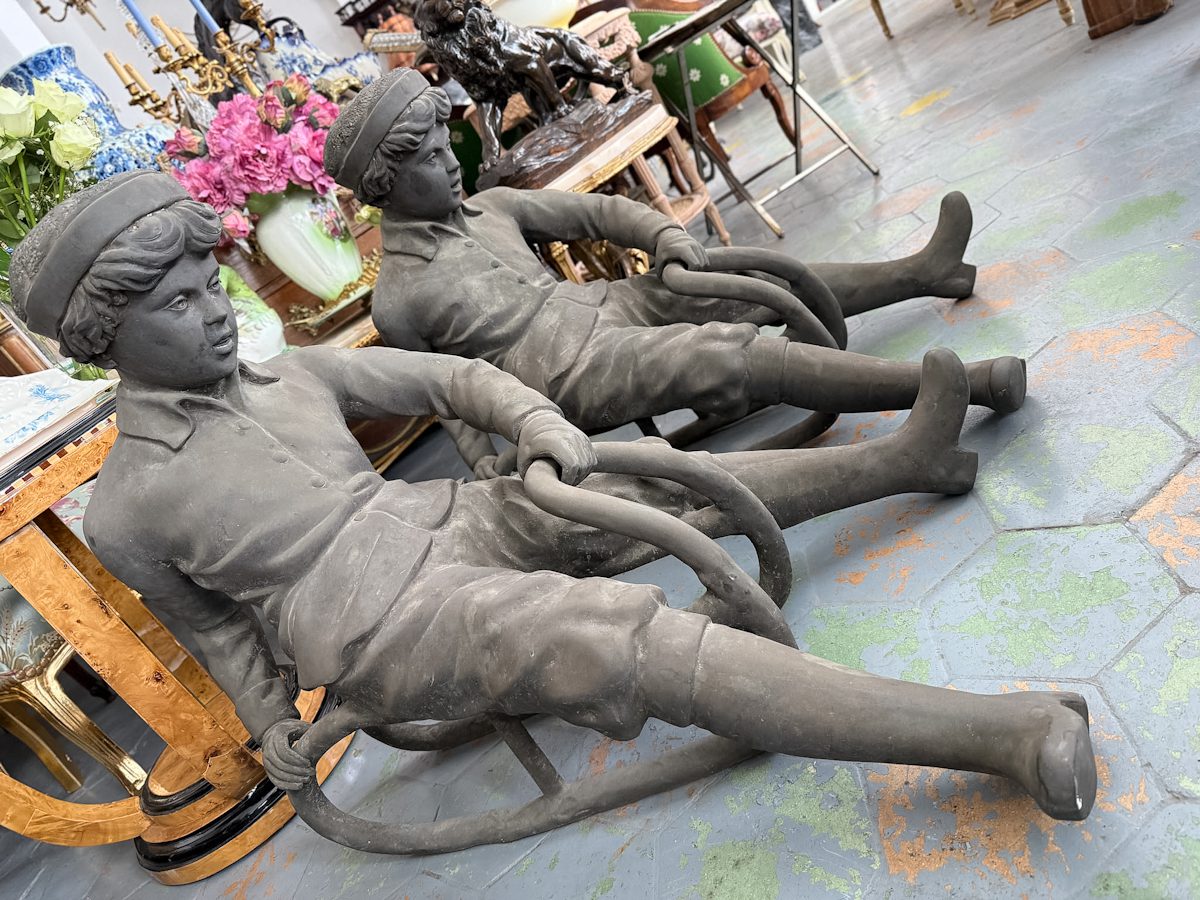
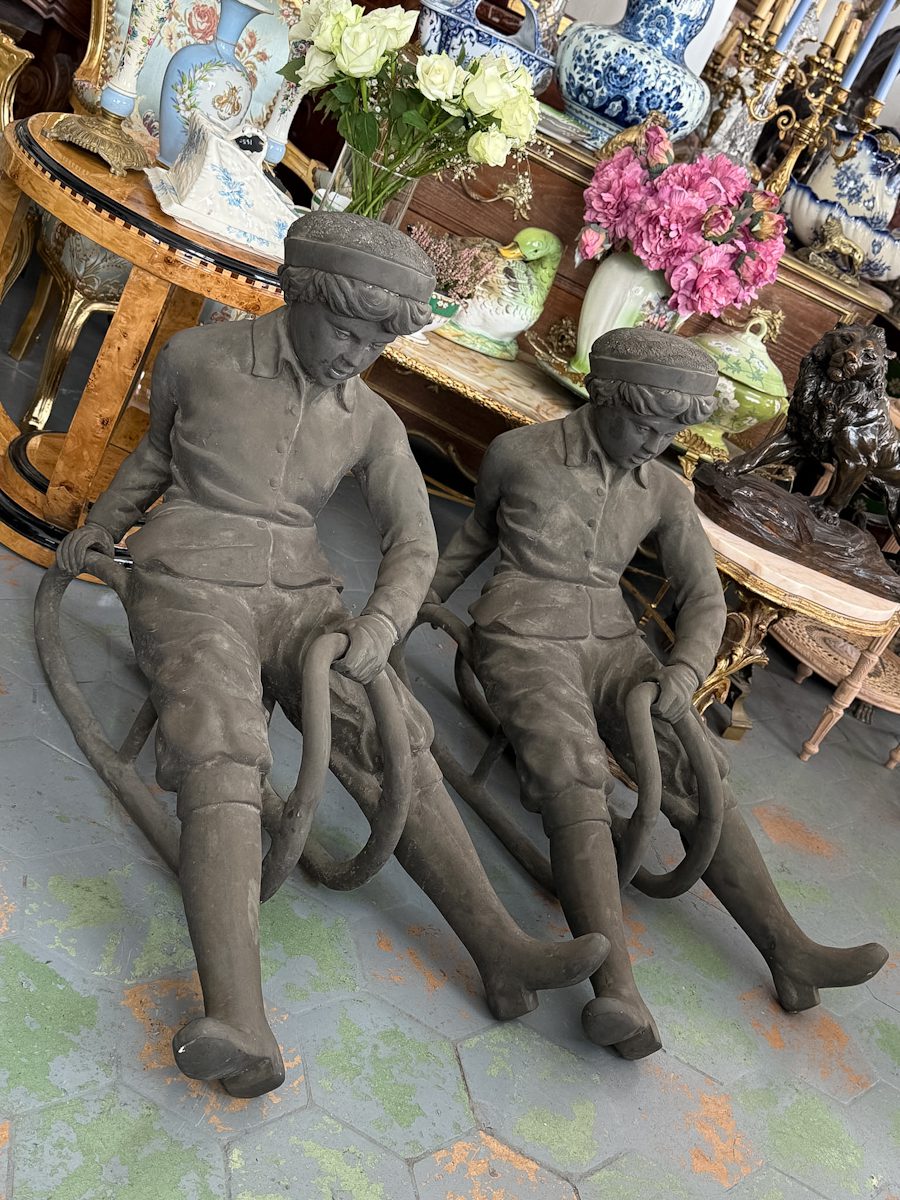
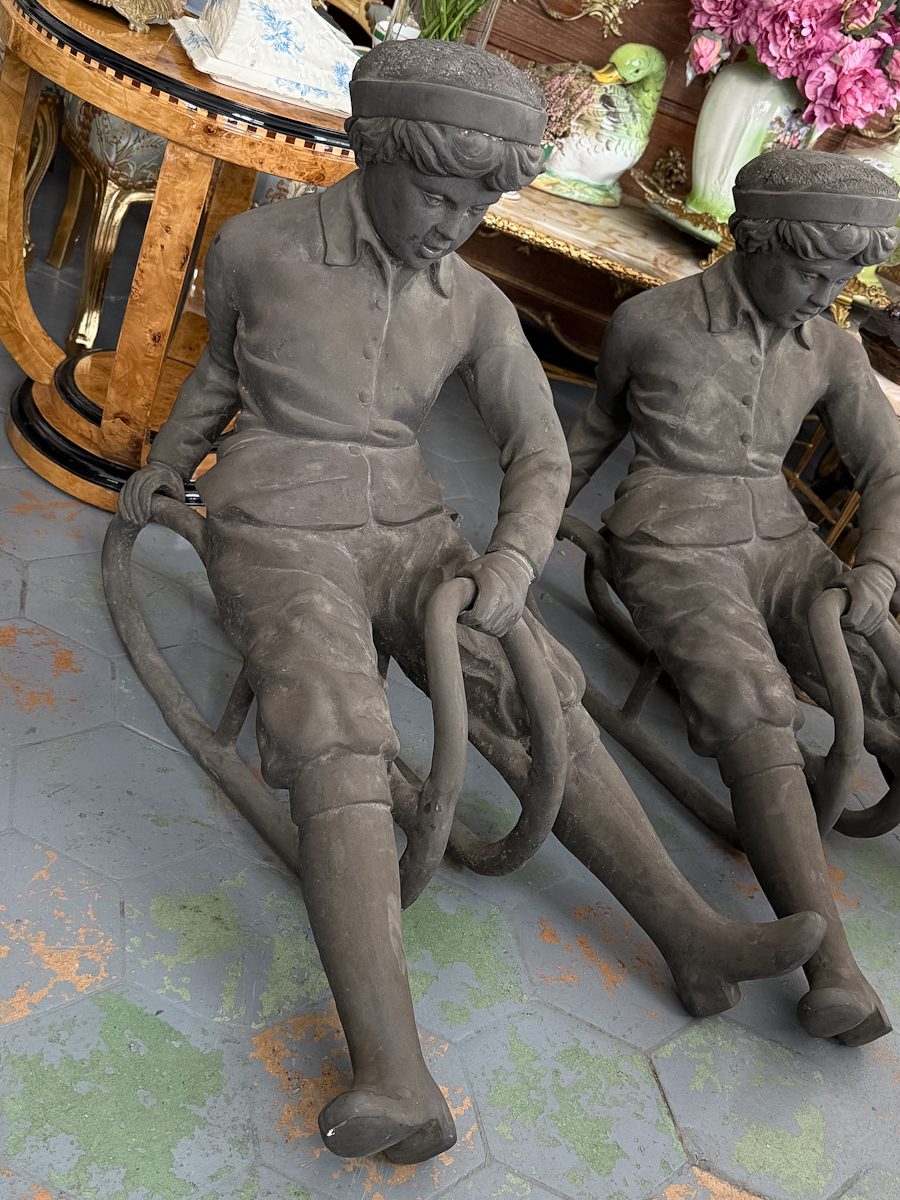
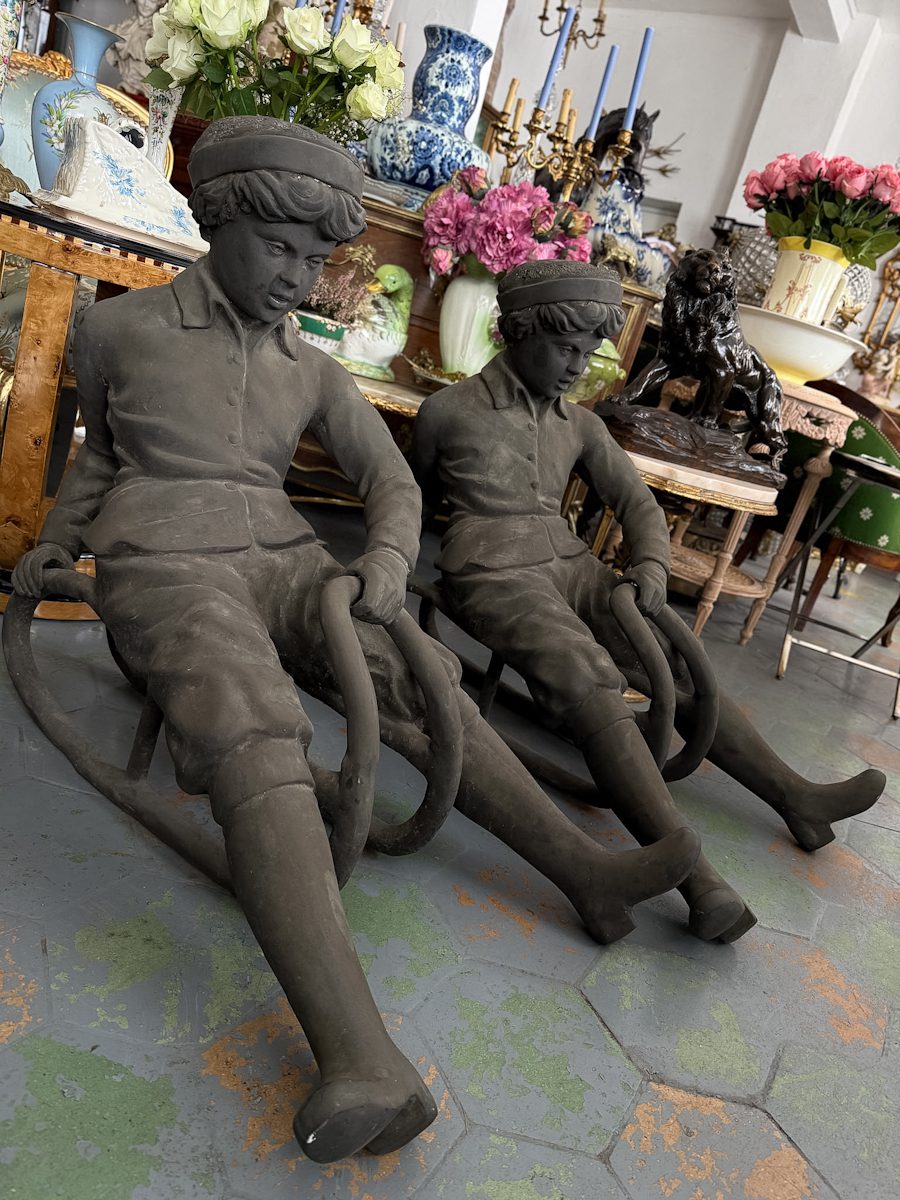
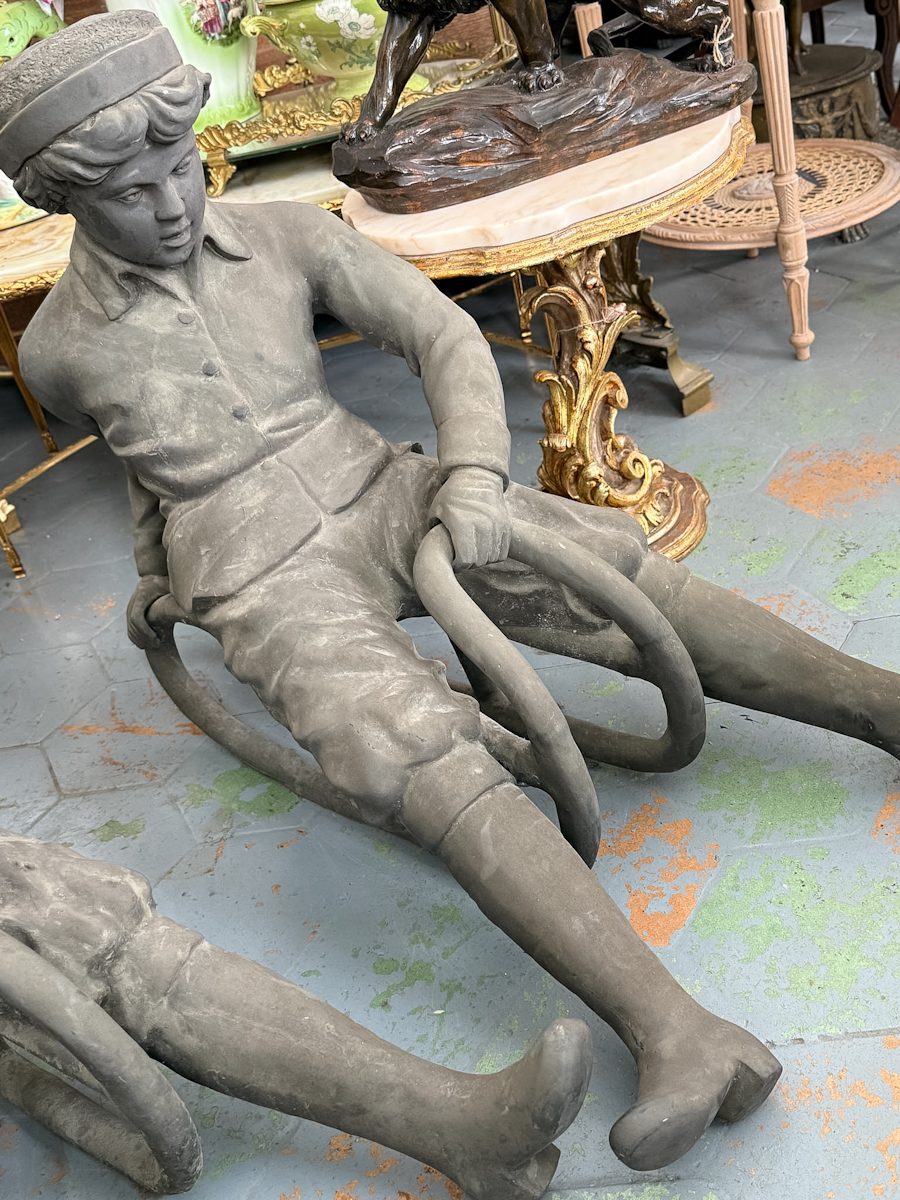
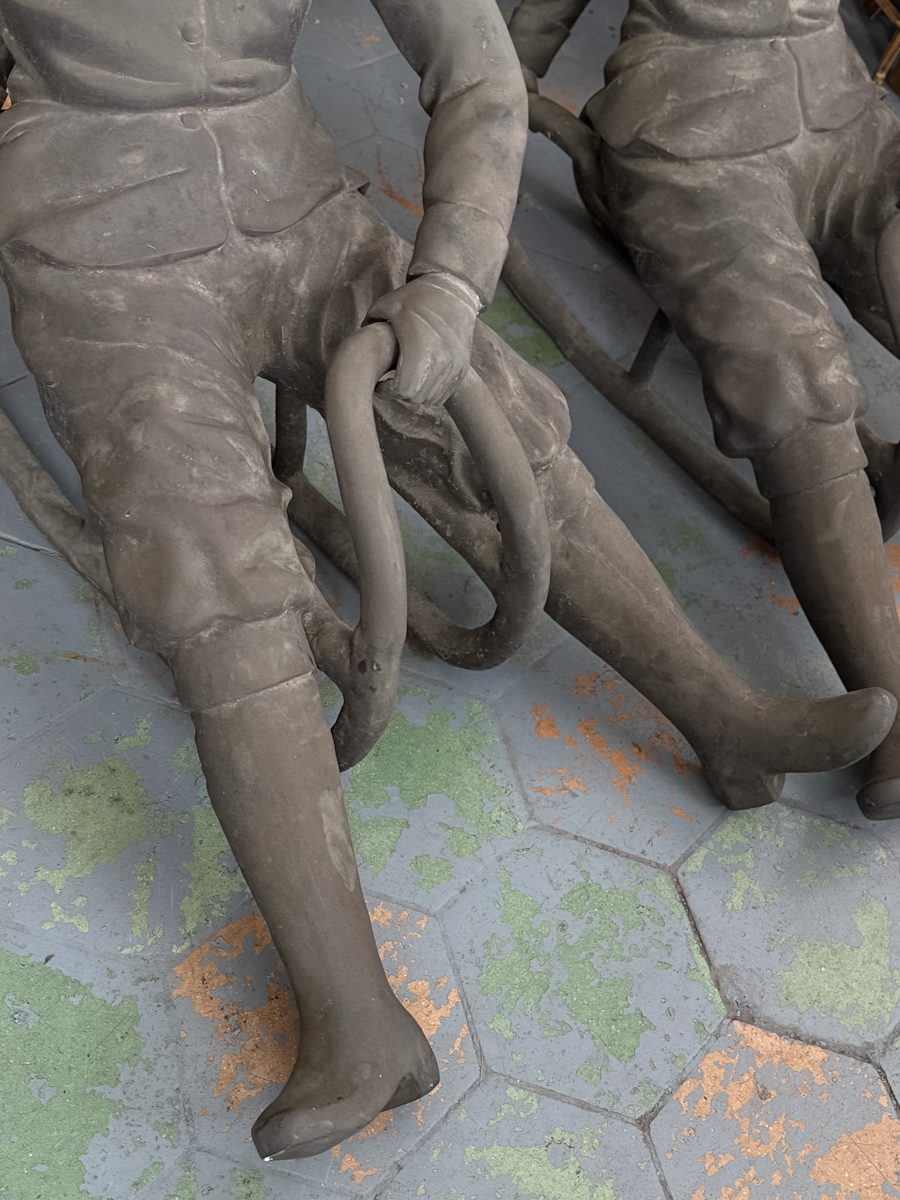
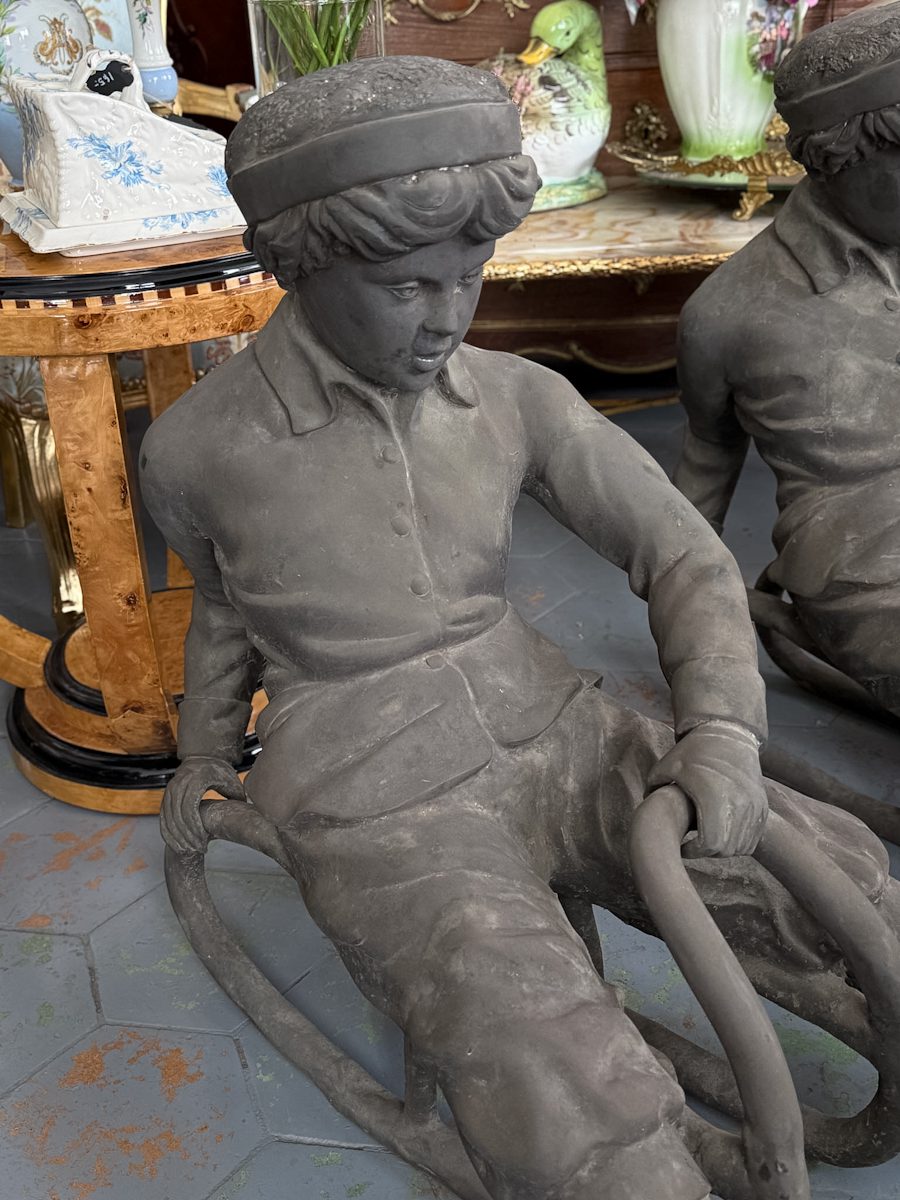
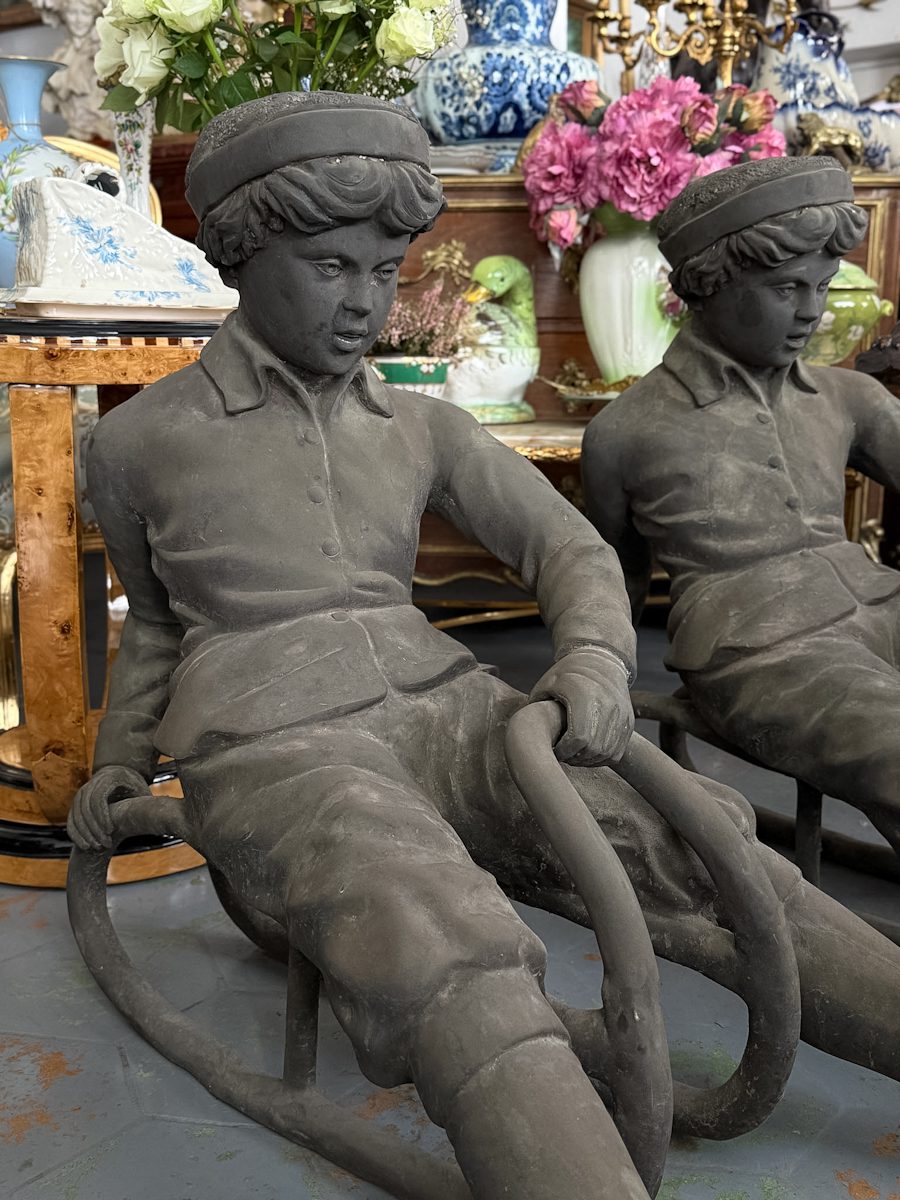
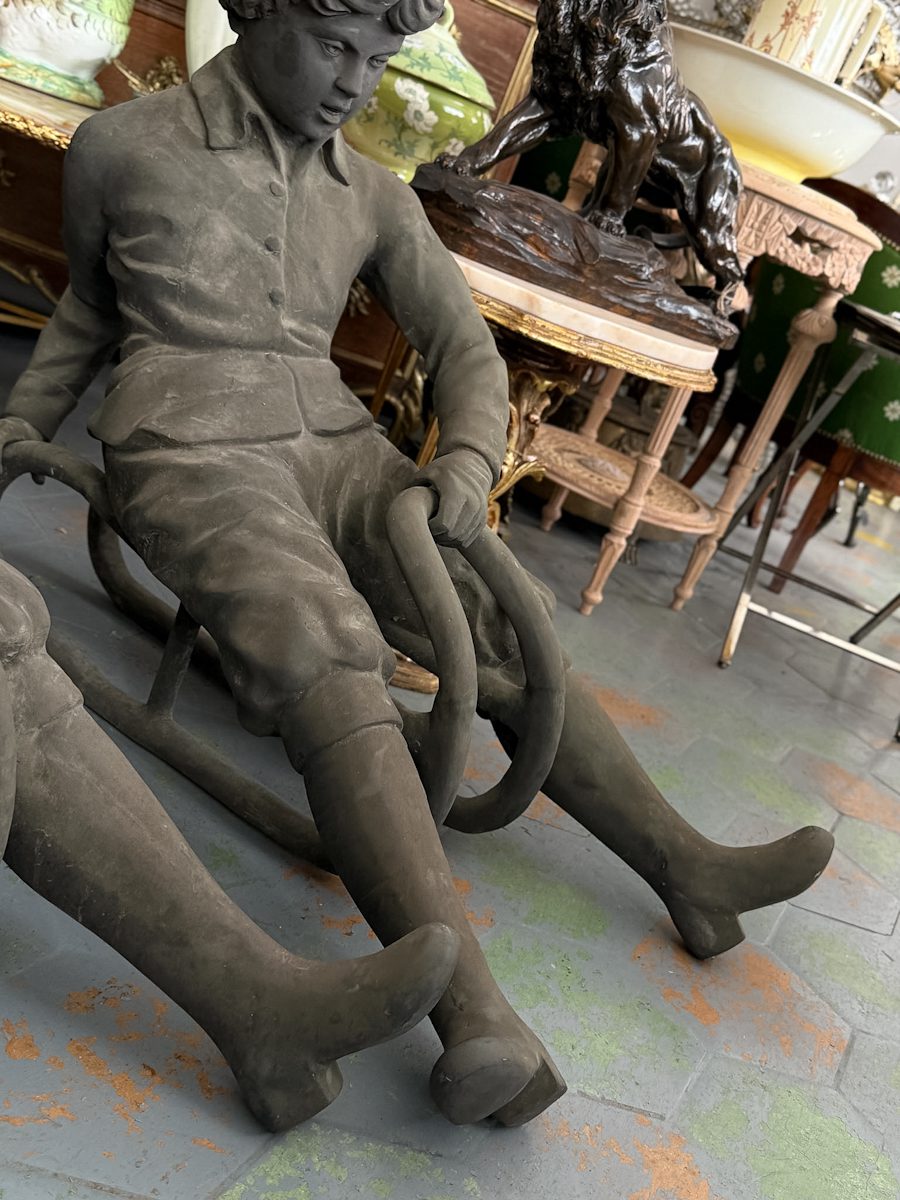
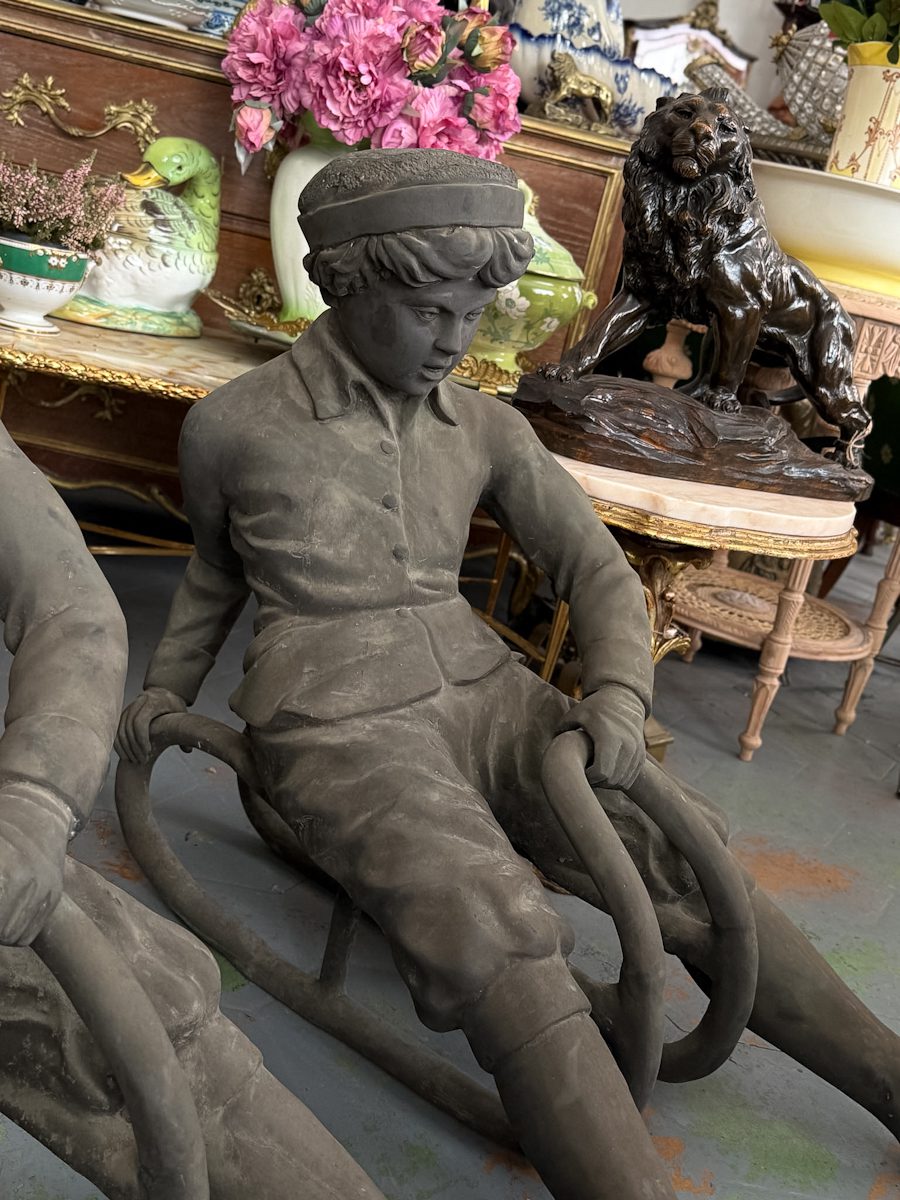
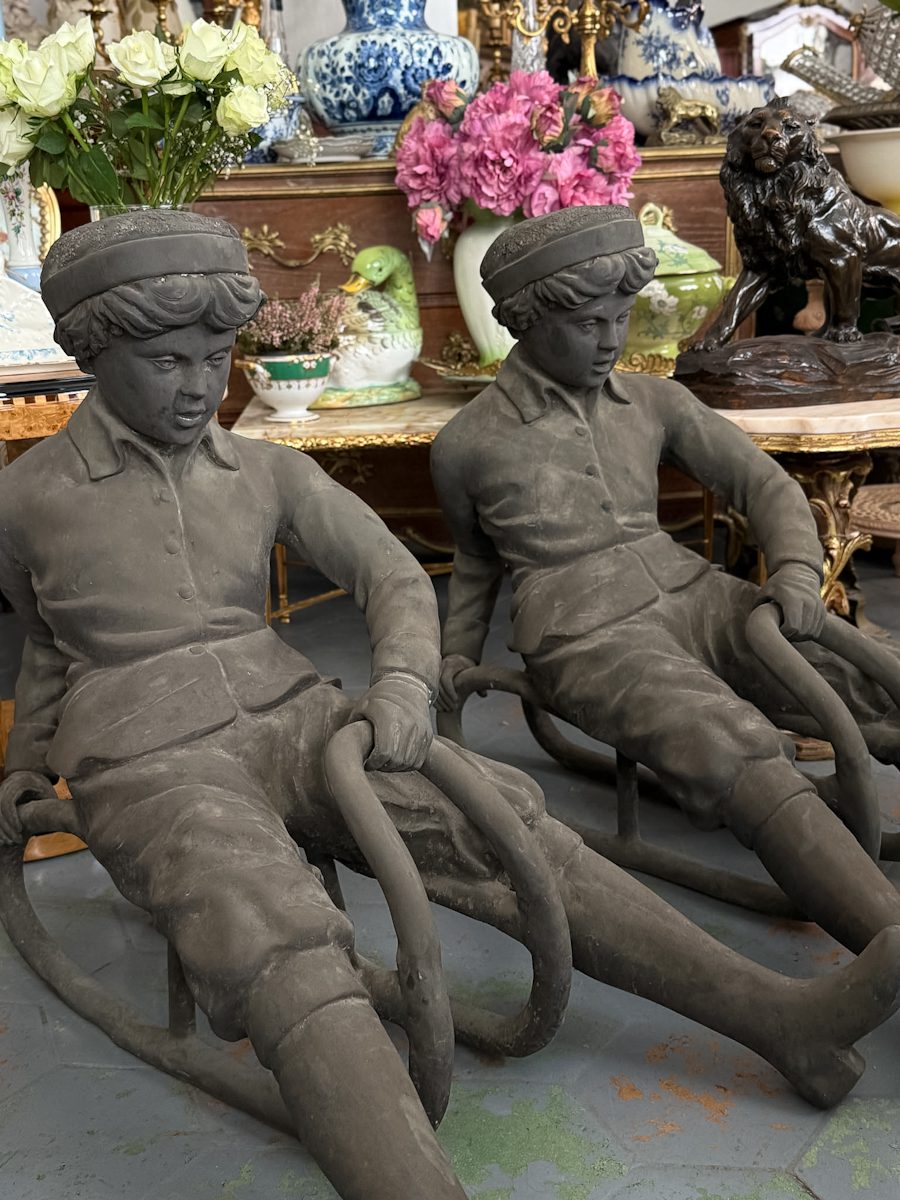
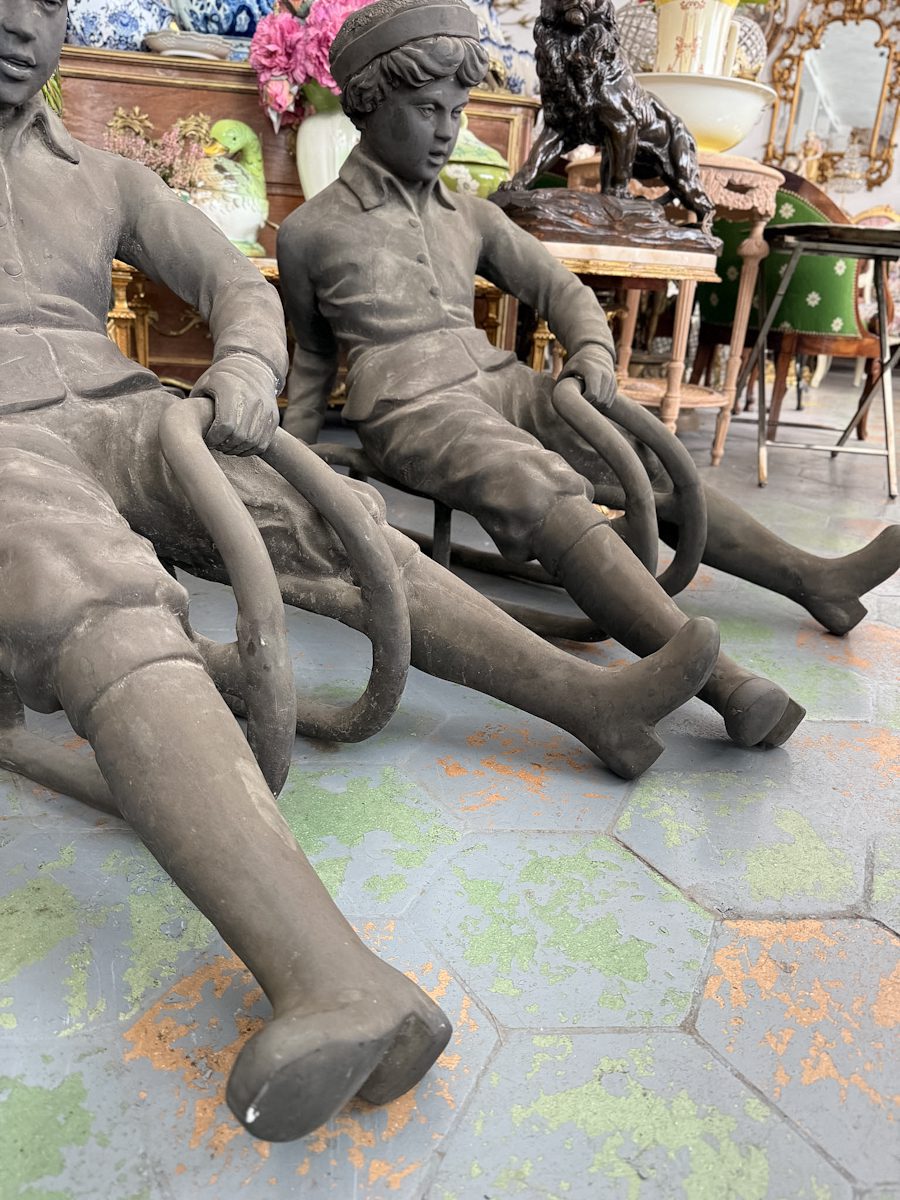
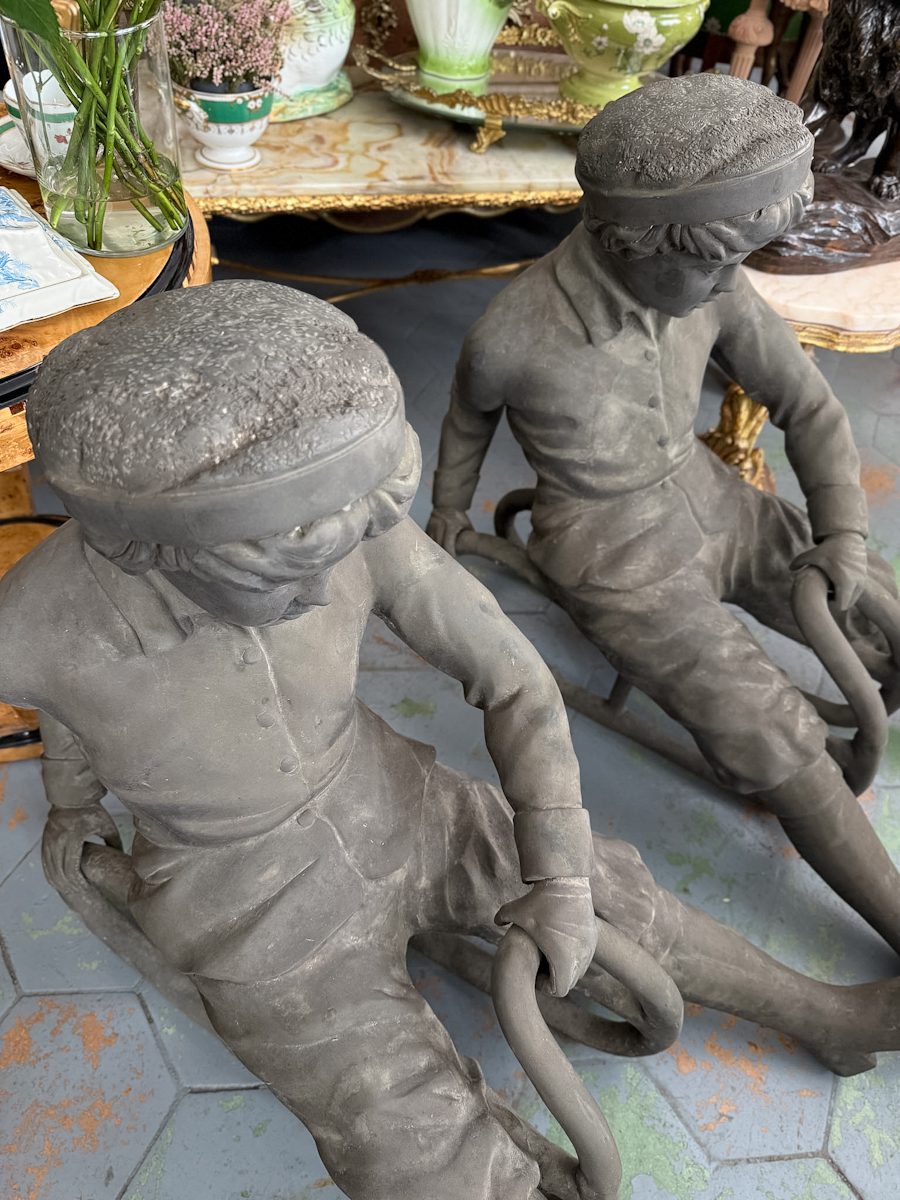
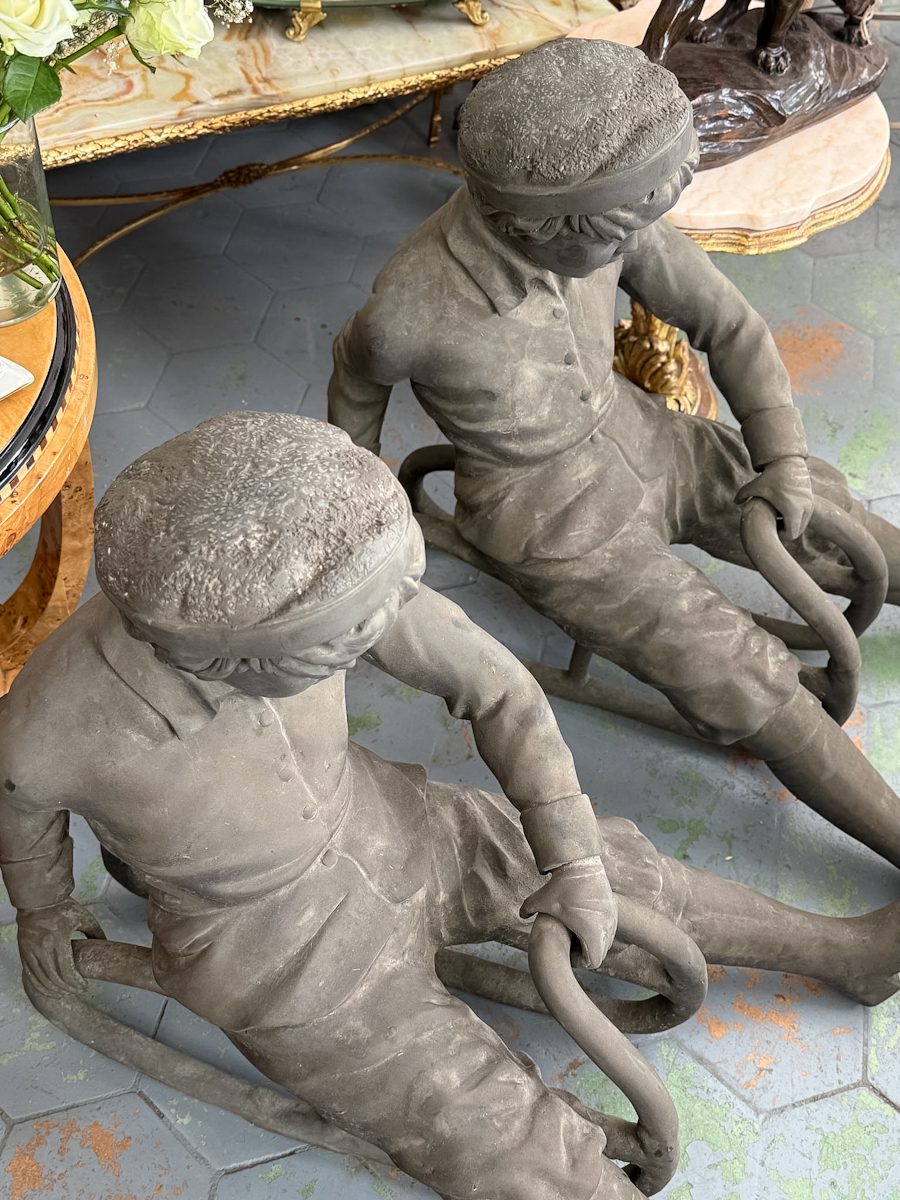
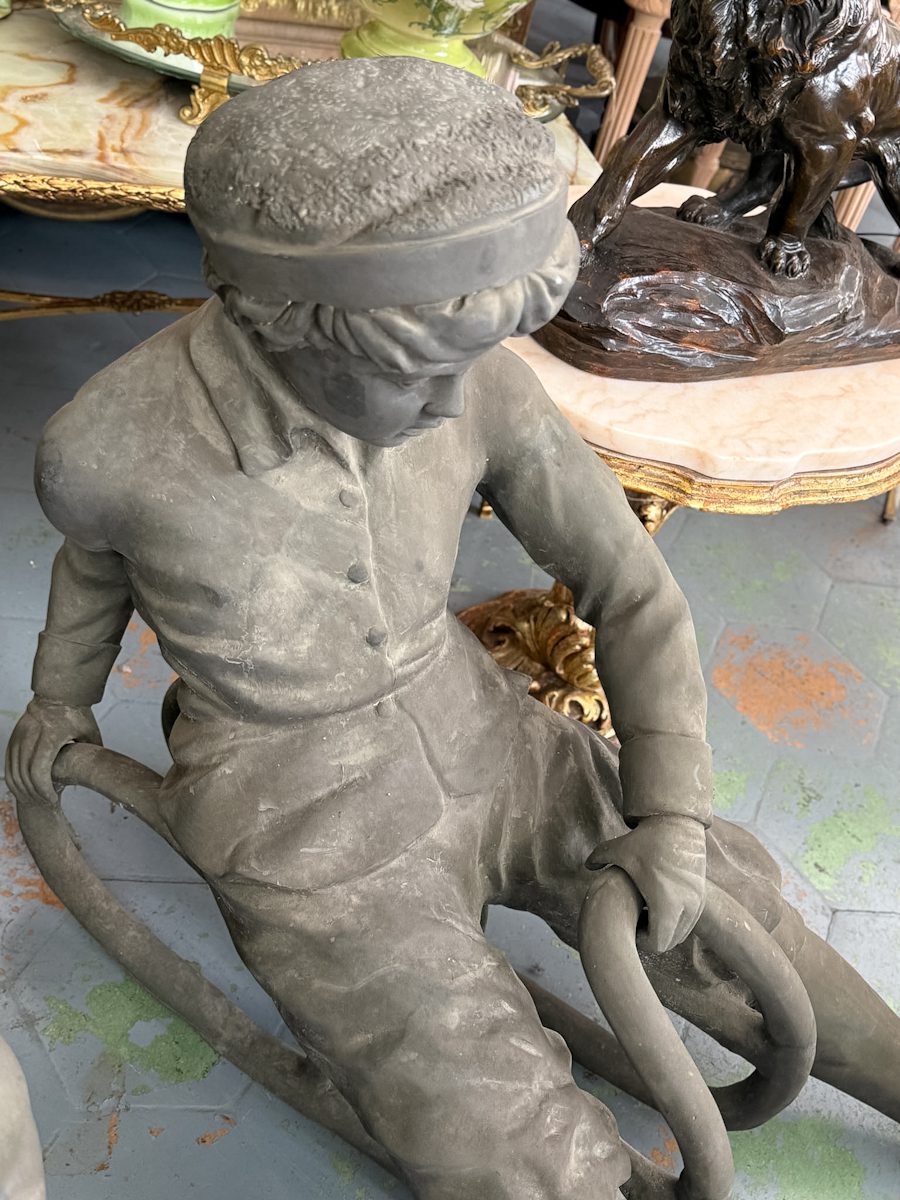
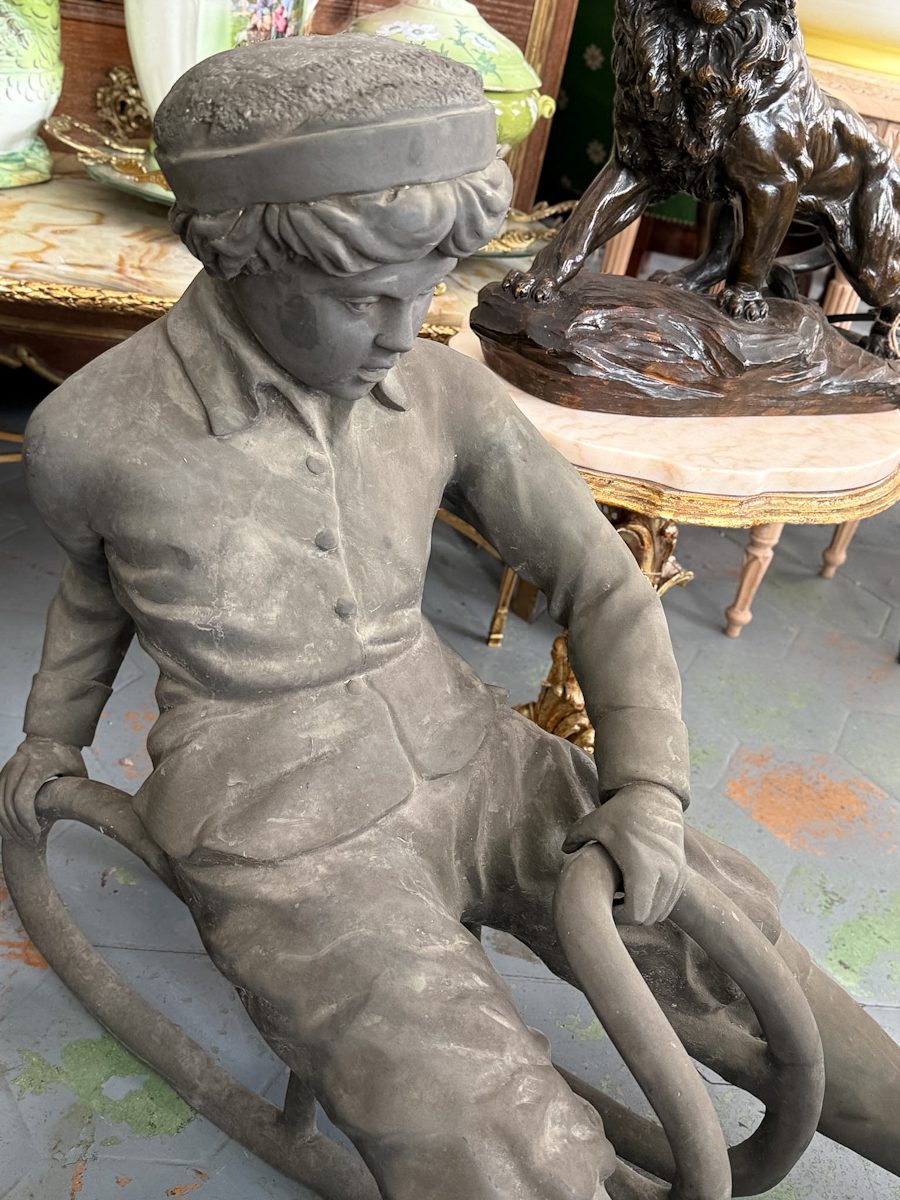
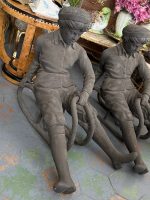
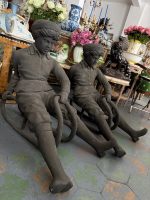
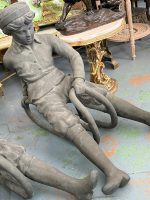
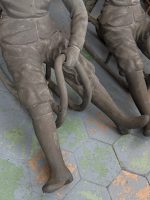
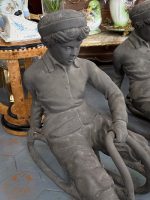
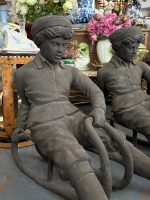
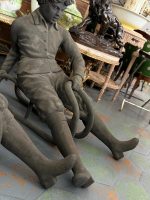
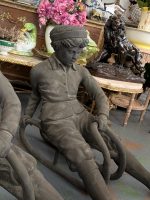
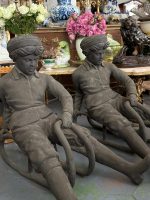
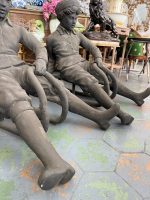
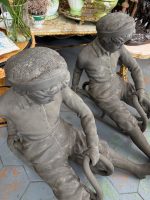

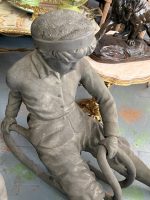
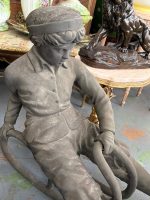
Впечатляющая тяжелая бронзовая фигура — мальчик на санках. Историзм / Прекрасная эпоха, Европа, конец XIX — начало XX вв.
Высота 74.5 cm Длина 95 cm Ширина 59 cm Цвет БронзовыйЗолотойБелый
Описание
Бронзовая фигура мальчика на санках — историзм / Бель Эпок, Европа, конец XIX – начало XX века Эта внушительная, очень тяжёлая бронзовая фигура изображает юного мальчика в игривом движении на санках — в шапке, рубашке, коротких брюках и сапогах, откинувшегося назад и держащего в руках полоз санок. Форма принадлежит декоративной скульптуре историзма и эпохи Бель Эпок (Belle Époque, 1871–1914), когда жанровая скульптура — сцены повседневной жизни и детства — была чрезвычайно популярна во Франции, Германии и Австрии. Такие фигуры украшали сады, зимние сады и парадные лестницы буржуазии, неся в себе сентиментальный, идиллический взгляд эпохи на детство. Снимок эпохи Бель Эпок: Ги де Мопассан (Guy de Maupassant) остановился на краю нормандского холма. Внизу что-то тёмное и быстрое скользнуло по заснеженному склону — два силуэта, согнувшиеся как дуга, и смех, донесённый ветром лишь отчасти. Он смотрел, как они исчезают среди белых деревьев. В кармане лежало недописанное письмо, но сейчас оно могло подождать. Клеймо мануфактуры на фигурах не идентифицировано. По стилю и исполнению они соответствуют европейской — вероятнее всего французской или немецкой — традиции садового и интерьерного литья рубежа веков. Это бронзовая отливка периода без подтверждённой авторской подписи. Фигуры образуют пару — два мальчика в симметричных, дополняющих друг друга позах, что является редким и декоративно ценным сочетанием. Каждая фигура доступна отдельно; цена указана за одну штуку. Прекрасные фигуры для сада, зимнего сада, вестибюля отеля или просторного интерьера. Очень фотогеничны — акцент на тему детства и зимы. Внушительный подарок энтузиасту сада и интерьера или коллекционеру. Возрастная патина, поверхностные потёртости и следы атмосферного воздействия соответствуют возрасту предмета и использованию в саду. Состояние предмета полностью отражено на фотографиях. Bronze Sculpture of a Boy on a Sled — Historicism / Belle Époque, Europe, Late 19th – Early 20th Century This impressive, very heavy bronze sculpture depicts a young boy in playful motion on a sled — wearing a cap, shirt, short trousers and boots, leaning back and gripping the sled's runner. The form belongs to the decorative of Historicism and the Belle Époque (Belle Époque, 1871–1914), when genre sculpture depicting scenes of everyday life and childhood was extremely popular across France, y and Austria. Such a once adorned the gardens, winter gardens and grand staircases of the bourgeoisie, carrying the era's sentimental, idyllic view of childhood. Belle Époque snapshot: Guy de Maupassant (Guy de Maupassant) paused at the edge of a Normandy hill. Below, something dark and swift shot across the snowy slope — two silhouettes bent like a bow, and laughter the wind carried only in part. He watched them vanish among the white trees. In his pocket lay an unfinished letter, but for now it could wait. The figures bear no identified manufacturer's mark. By style and execution they correspond to the European — most likely or — tradition of garden and interior casting around the turn of the century, and this is a period cast without a confirmed artist's signature. The figures form a pair — two boys in symmetrical, complementary poses, a rare and decoratively valuable combination. Each is available separately; the price is stated per item. A superb for a garden, winter garden, hotel lobby or spacious interior, and a highly photogenic accent on the theme of childhood and winter. An impressive gift for a garden and interior enthusiast or a collector. Age-appropriate patina, surface wear and traces of weathering are present, consistent with the age and garden use. The condition is fully reflected in the photographs. Bronzefigur eines Jungen auf einem Schlitten — Historismus / Belle Époque, Europa, Ende 19. – Anfang 20. Jahrhundert Diese eindrucksvolle, sehr schwere Bronzefigur zeigt einen jungen Knaben in spielerischer Bewegung auf einem Schlitten — mit Mütze, Hemd, kurzer Hose und Stiefeln, zurückgelehnt und die Kufe des Schlittens umfassend. Die Form gehört zur dekorativen Skulptur des Historismus und der Belle Époque (Belle Époque, 1871–1914), als die Genreskulptur mit Szenen des Alltags und der Kindheit in Frankreich, land und Österreich äußerst beliebt war. Solche Figuren schmückten die Gärten, Wintergärten und Prunktreppen des Bürgertums und trugen den sentimentalen, idyllischen Blick der Epoche auf die Kindheit in sich. Momentaufnahme der Belle-Époque-Zeit: Guy de Maupassant (Guy de Maupassant) hielt am Rand eines normannischen Hügels inne. Unten schoss etwas Dunkles, Schnelles über den verschneiten Hang — zwei Silhouetten, gebogen wie ein Bogen, und Lachen, das der Wind nur teilweise herübertrug. Er sah zu, wie sie zwischen den weißen Bäumen verschwanden. In seiner Tasche lag ein unvollendeter Brief, doch fürs Erste konnte er warten. Die Figuren tragen keine identifizierte Manufakturmarke. Nach Stil und Ausführung entsprechen sie der europäischen — höchstwahrscheinlich französischen oder en — Tradition des Garten- und Interieurbronzegusses um die Jahrhundertwende. Es handelt sich um einen zeitgenössischen Bronzeguss ohne bestätigte Künstlersignatur. Die Figuren bilden ein Paar — zwei Knaben in symmetrischen, einander ergänzenden Posen, eine seltene und dekorativ wertvolle Kombination. Jede ist einzeln erhältlich; der Preis gilt pro Stück. Hervorragende Figuren für Garten, Wintergarten, Hotellobby oder großzügiges Interieur und ein äußerst fotogener Akzent zum Thema Kindheit und Winter. Altersgemäße Patina, Oberflächenspuren und Witterungsspuren sind vorhanden. Der Zustand ist auf den Fotografien vollständig wiedergegeben. Figure en bronze d'un garçon sur une luge — Historicisme / Belle Époque, Europe, fin du XIXe – début du XXe siècle Cette imposante et très lourde figure en bronze représente un jeune garçon en mouvement enjoué sur une luge — coiffé d'un bonnet, vêtu d'une chemise, d'une culotte courte et de bottes, penché en arrière et tenant le patin de la luge. La forme appartient à la sculpture décorative de l'Historicisme et de la Belle Époque (Belle Époque, 1871–1914), lorsque la sculpture de genre représentant des scènes de la vie quotidienne et de l'enfance était extrêmement prisée en France, en Allemagne et en Autriche. De telles figures ornaient les jardins, les jardins d'hiver et les escaliers d'apparat de la bourgeoisie, portant en elles le regard sentimental et idyllique de l'époque sur l'enfance. Instantané de la Belle Époque : Guy de Maupassant (Guy de Maupassant) s'arrêta au bord d'une colline normande. En contrebas, quelque chose de sombre et de rapide fila sur la pente enneigée — deux silhouettes courbées comme un arc, et des rires que le vent ne portait qu'à moitié. Il les regarda disparaître parmi les arbres blancs. Dans sa poche reposait une lettre inachevée, mais pour l'instant elle pouvait attendre. Les figures ne portent aucune marque de manufacture identifiée. Par leur style et leur exécution, elles correspondent à la tradition européenne — très probablement e ou allemande — de la fonte de bronze de jardin et d'intérieur au tournant du siècle. Il s'agit d'une fonte de bronze d'époque sans signature d'artiste confirmée. Les figures forment une paire — deux garçons dans des poses symétriques et complémentaires, une combinaison rare et décorativement précieuse. Chacune est disponible séparément ; le prix est indiqué à la pièce. Superbes figures pour un jardin, un jardin d'hiver, un hall d'hôtel ou un vaste intérieur, et un accent très photogénique sur le thème de l'enfance et de l'hiver. Patine, usures de surface et traces d'intempéries conformes à l'âge. L'état est entièrement reflété par les photographies.
Похожие товары