📐 MÅL Maskaron med Kvindeligt Ansigt — Beaux-Arts / Nybarok, Frankrig, ca. 1880–1910. ――――――――――――――――――――― 🏛️ FREMSTILLINGSPERIODE, KUNSTSTIL, ÆRA Denne maskaron tilhører Beaux-Arts-stilen — en af de mest indflydelsesrige arkitektoniske retninger fra anden halvdel af det 19. århundrede og begyndelsen af det 20. århundrede, som… 370,00 €
You’re now subscribed to price tracking for this product. We’ll notify you if the price drops. 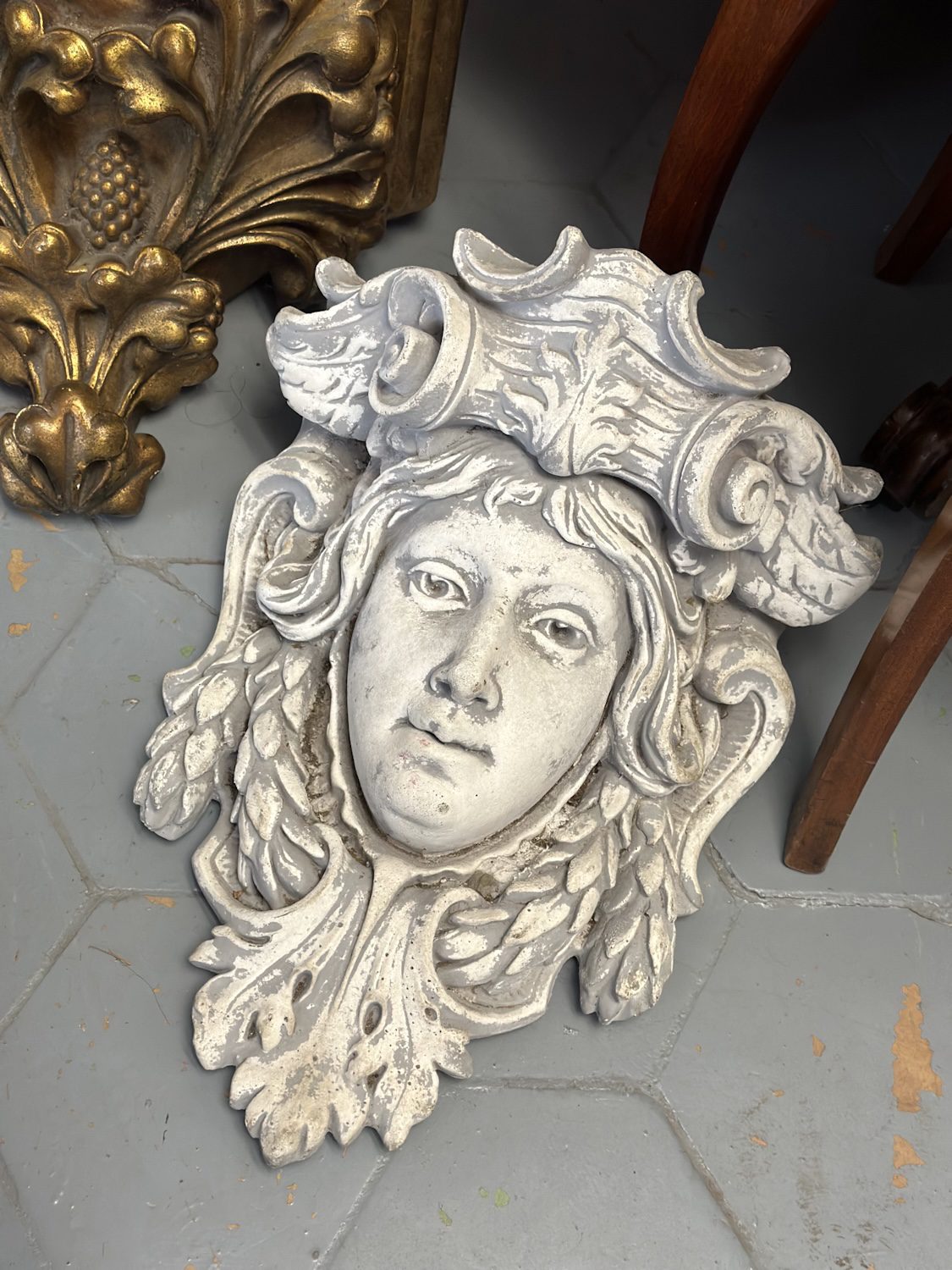
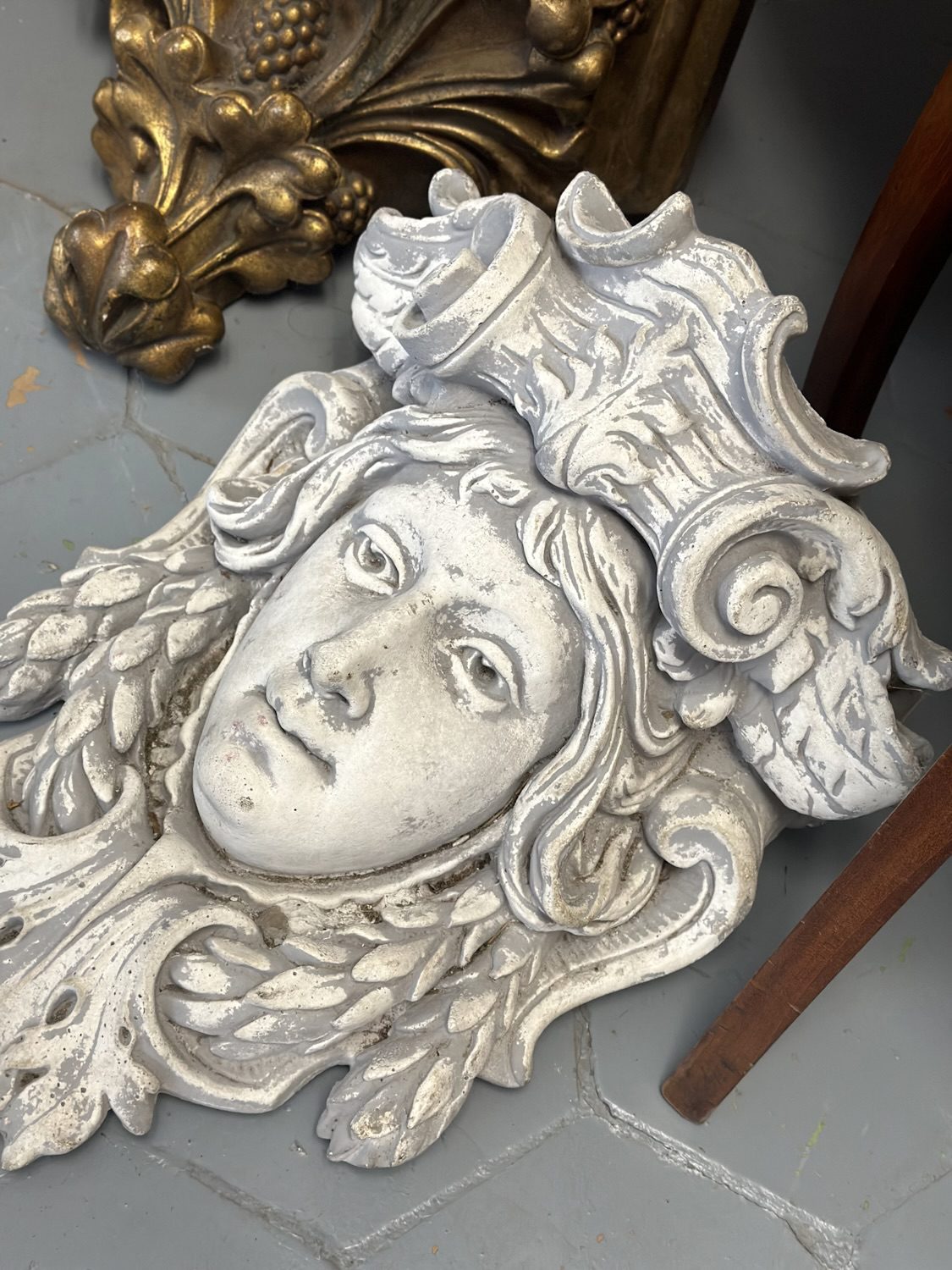
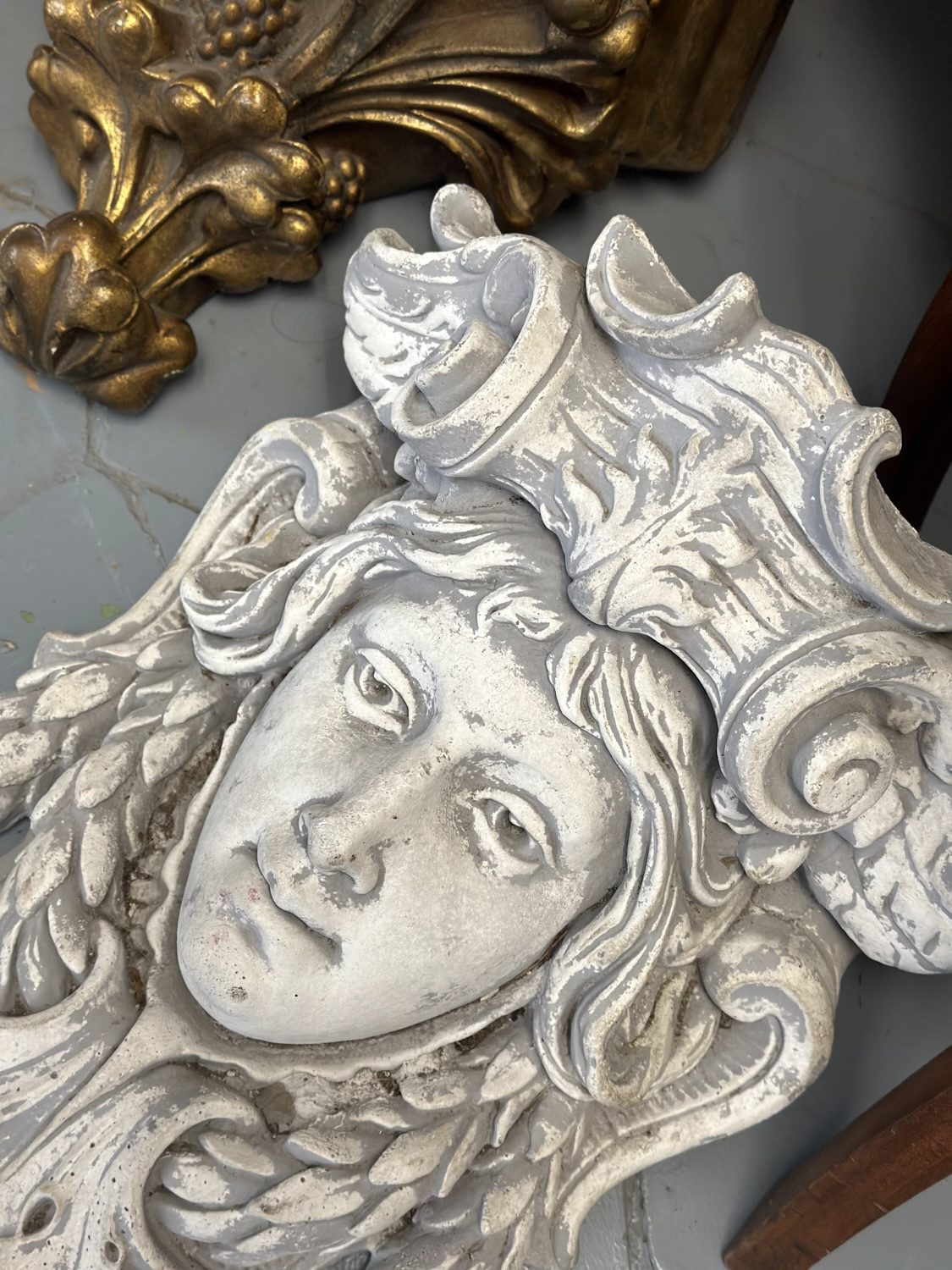
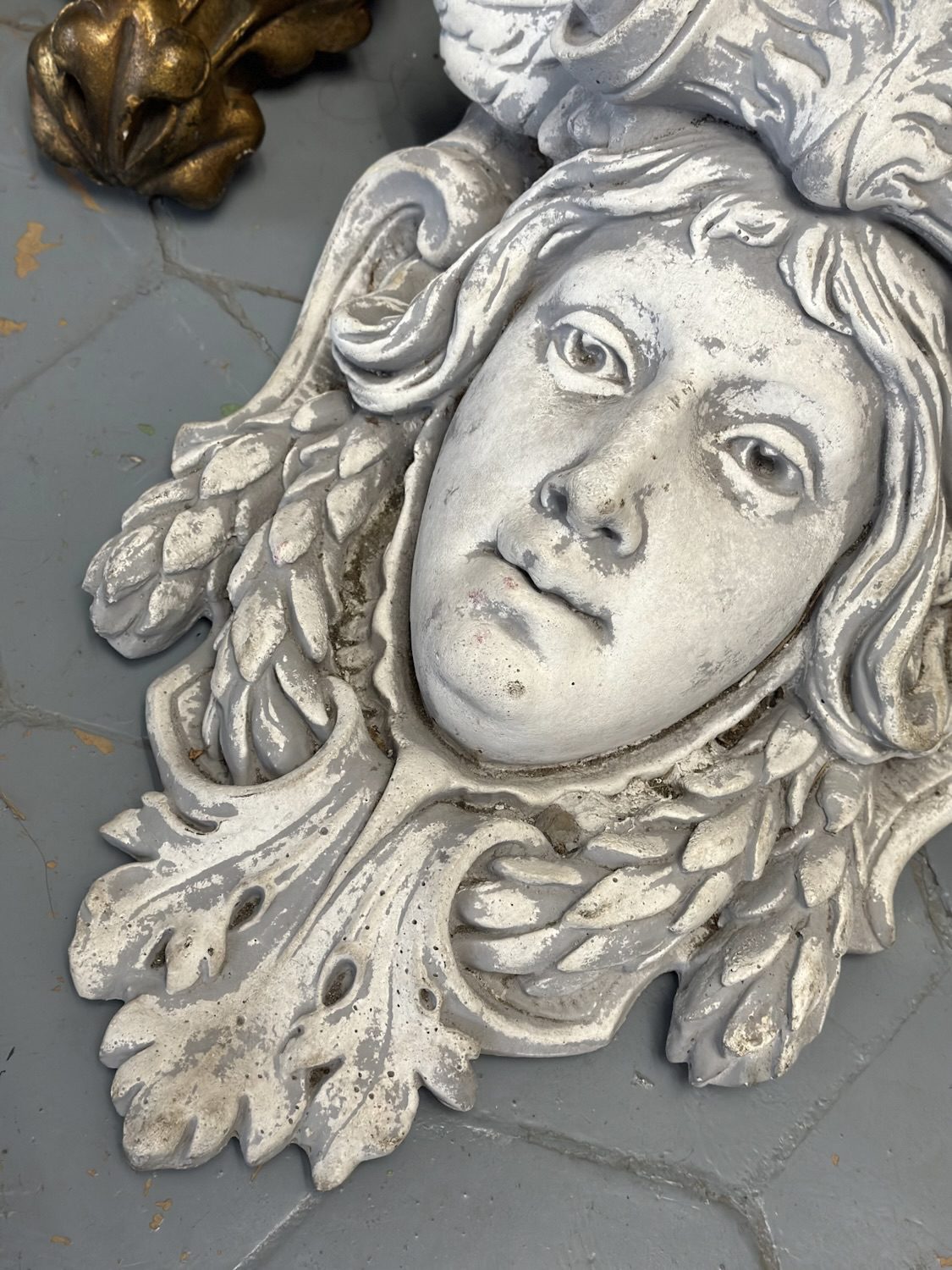
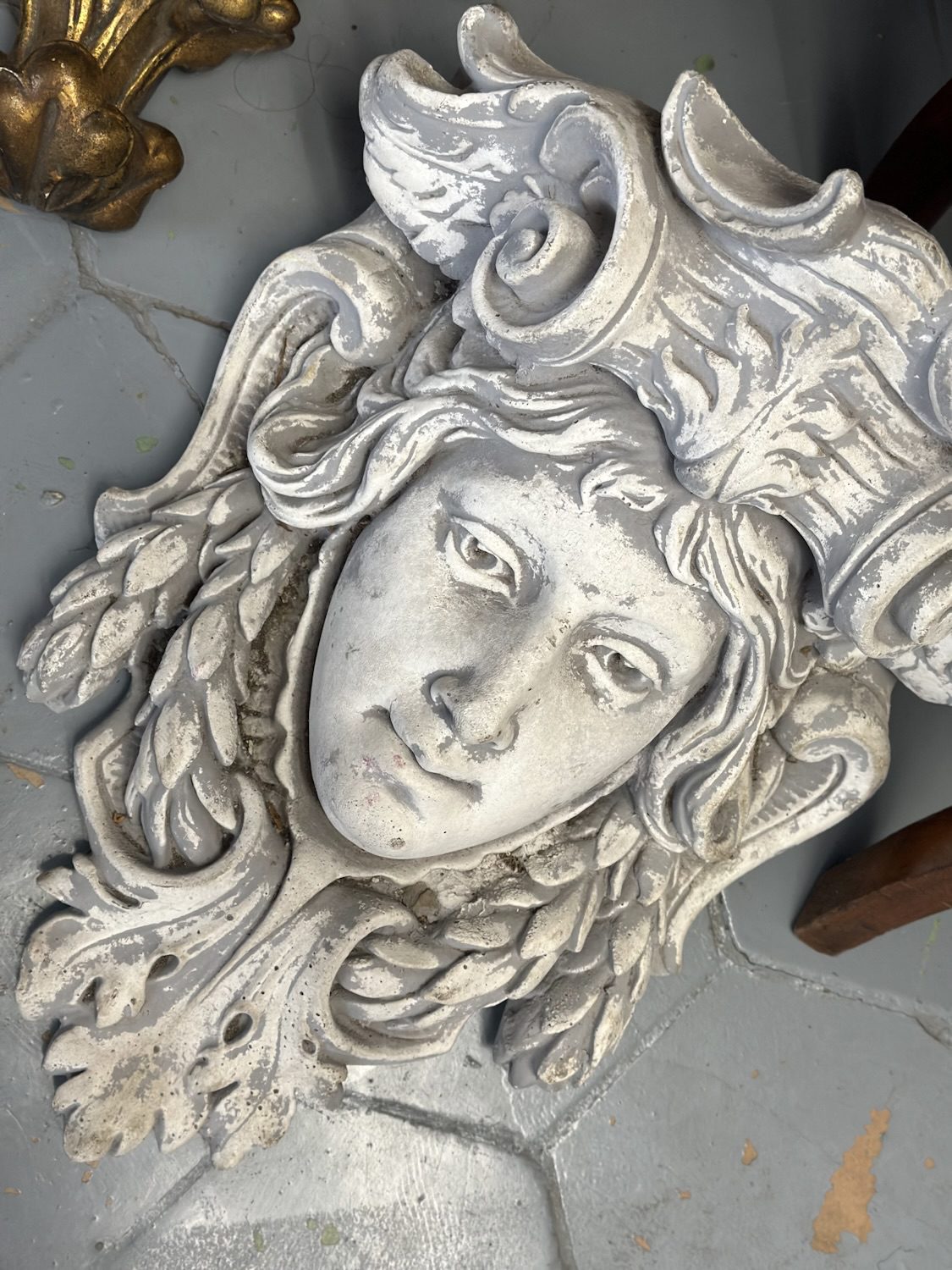
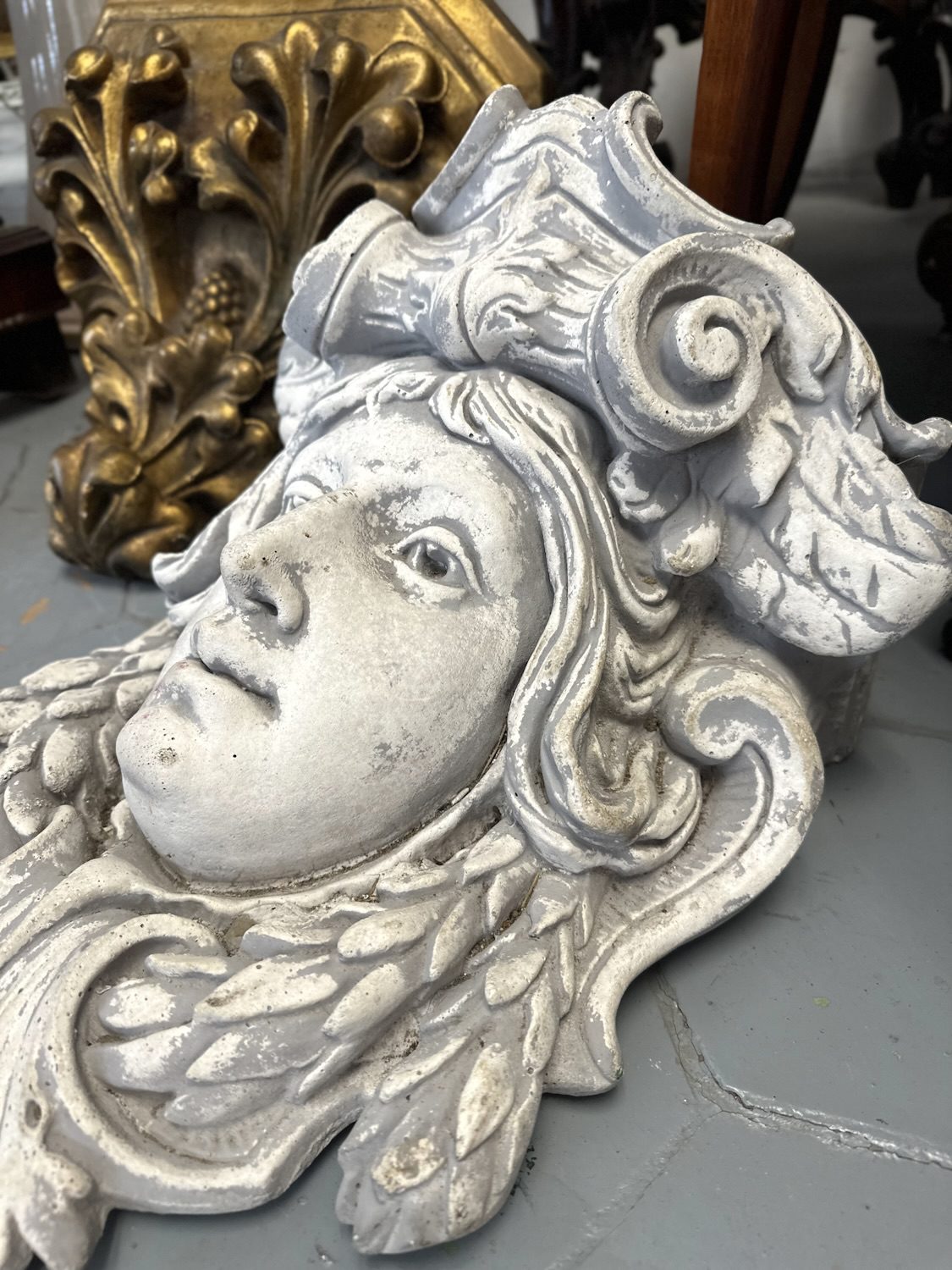
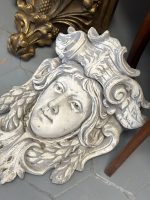
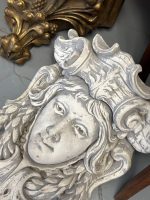
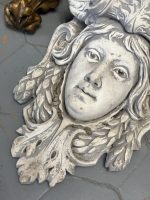
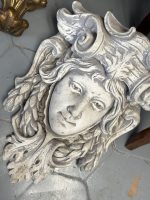
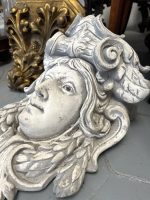
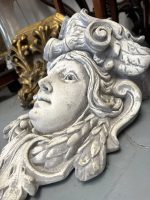
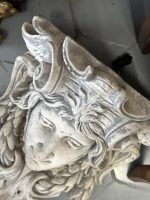
Maskaron med kvindes ansigt — Beaux-Arts / Nybarok, Frankrig, ca. 1880–1910. Betonhoved, vægfigur, meget tung, mellemstor (4389)
Højde 45 cm Bredde 35 cm Farve HvidNaturGul
Beskrivelse
Mål:
SÆT:
Højde: 45 cm
Bredde: 35 cm
📐 MÅL
🏛️ FREMSTILLINGSPERIODE, KUNSTSTIL, ÆRA
Denne maskaron tilhører Beaux-Arts stilen — en af de mest indflydelsesrige arkitektoniske retninger fra anden halvdel af det 19. århundrede og begyndelsen af det 20. århundrede, som blev født i de akademiske sale på École des Beaux-Arts i Paris og spredte sig over hele Europa og Amerika. Beaux-Arts er ikke blot en stil — det er en filosofi om monumental repræsentation: arkitektur som et udtryk for byens pragt og statens magt, hvor hvert ornamentale element bærer en symbolsk og æstetisk betydning.
Maskaronen — en reliefskulptur af et kvinde- eller mandeansigt i et arkitektonisk ornament — er et af Beaux-Arts facadens grundlæggende elementer. Under Frankrigs Tredje Republik (1870–1940) prydede maskaroner vinduernes slutsten, portikernes kroninger og bygningernes hjørneelementer i nye repræsentative huse, præfekturer, banker, teatre og stationer i Paris og provinsbyerne. De var ikke blot dekoration — de var en metafor for byens ansigt, facadens blik mod gaden.
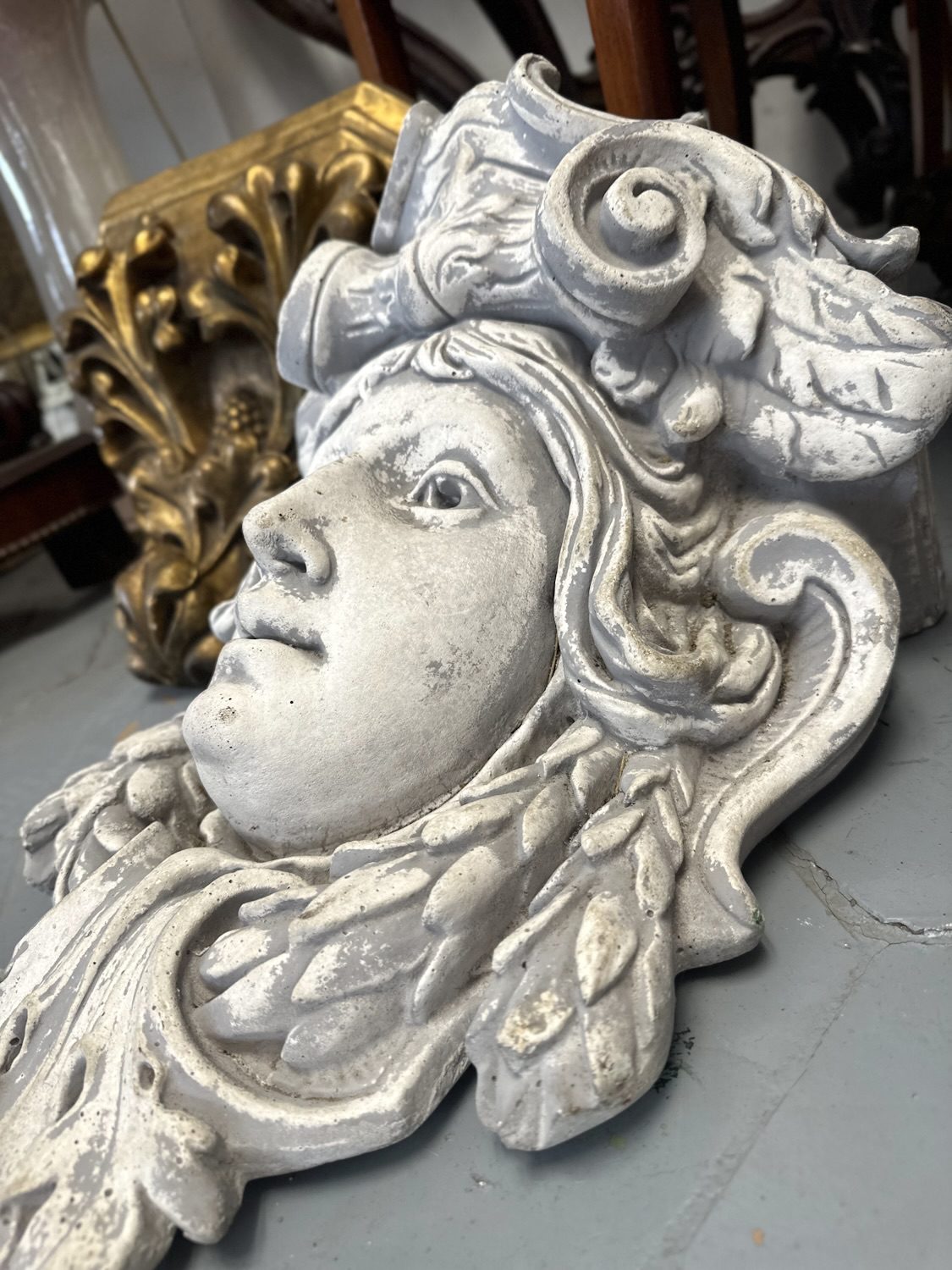
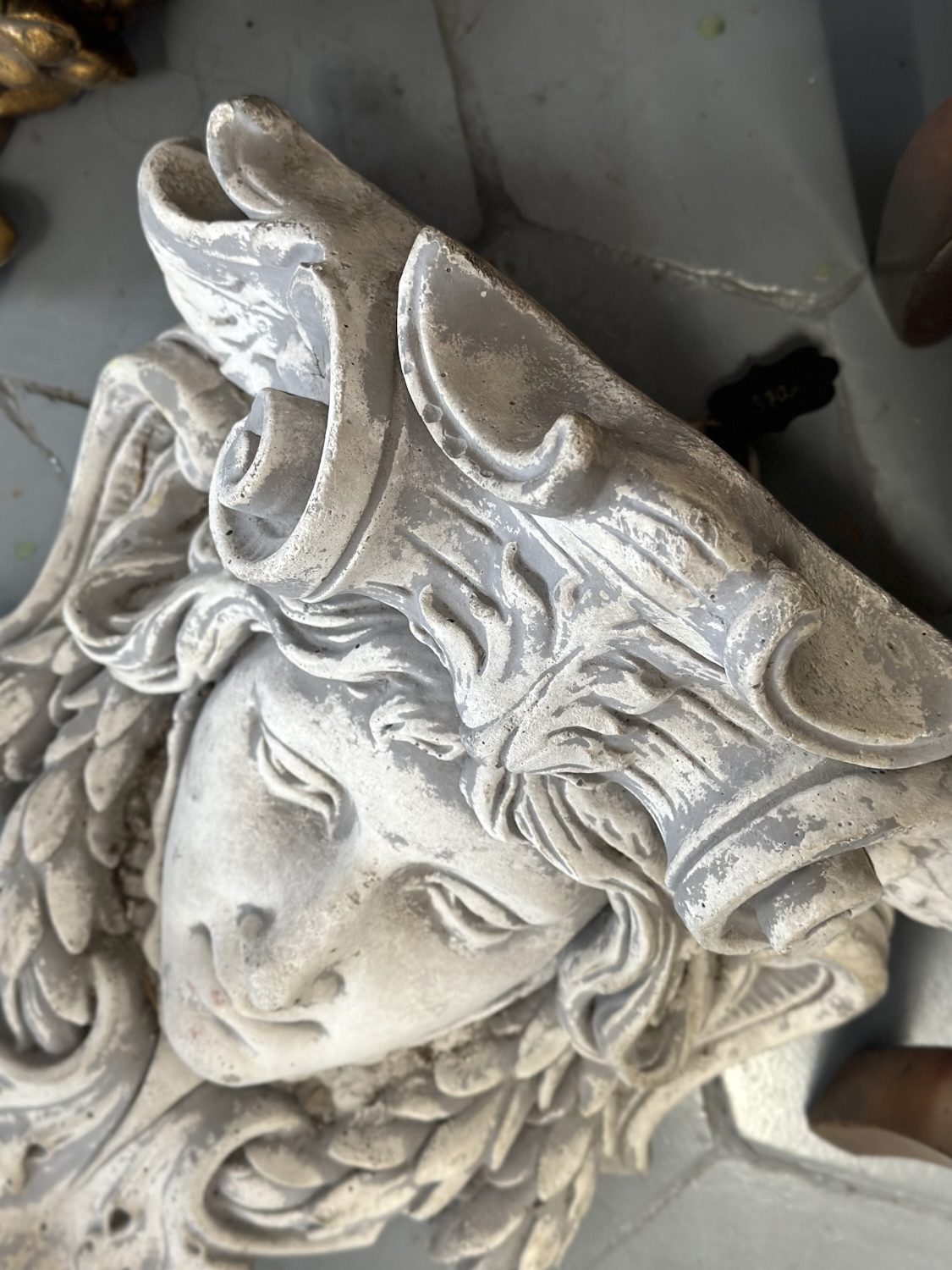
Denne specifikke maskaron bærer Beaux-Arts ornamentale sprogs tre grundlæggende kendetegn i fuld udfoldelse: akantusblade i den nederste del, der symboliserer livskraft og naturens rigdom; volutter — klassisk arkitekturs spiralformede ruller — på begge sider, der giver kompositionen en monumental arkitektonisk ramme; og over ansigtet et strukturelt krone- eller hjelmelement, der minder om en barokkapitæls form og giver hele ensemblet en vertikal dynamik. Ansigtet er roligt, med et let hævet blik — en himmelsk tilstedeværelse, der ser ud over det timelige.
―――――――――――――――――――――
⚜️ PRODUCENT OG STILISTISK TILHØRSFORHOLD
På fotografierne er producentens stempel ikke synligt, men genstandens oprindelse fra Frankrig og dens udførelseskvalitet gør det muligt at placere den sikkert inden for den arkitektoniske plastiske kunsttradition i Paris eller en stor fransk provinsby. I anden halvdel af det 19. århundrede var der i Frankrig specialiserede ornamentikværksteder — ateliers de sculpture ornementale —, som leverede facadeelementer til arkitekter og entreprenører til Haussmann-ombygningerne og opførelsen af repræsentative bygninger under Den Tredje Republik. Sådanne værksteder arbejdede både med sten og med gips- og cementkompositter, hvilket gjorde det muligt hurtigere og mere økonomisk at reproducere komplekse ornamentale former i store mængder. Paris’ arkitektoniske ornamentiktradition i denne periode var på højeste europæiske niveau — produktionen fra de franske ornamentale plastiske kunstværksteder blev eksporteret til England, Belgien, Tyskland og Rusland.
―――――――――――――――――――――
💎 SJÆLDENHED OG BETYDNING
Autentiske arkitektoniske plastiske kunstgenstande fra den franske Beaux-Arts-æra med bevaret ansigtsplastikkvalitet og en rig ornamental ramme dukker sjældnere og sjældnere op på antikvitetsmarkedet — især dem, hvis oprindelse er dokumenteret. Størstedelen af sådanne elementer er uigenkaldeligt gået tabt under nedrivning af bygninger eller facaderenovering. Samlere, arkitekter og indretningsarkitekter, der arbejder med Beaux-Arts eller klassicistisk æstetik, søger aktivt efter sådanne elementer — da de er den eneste måde at bringe en autentisk europæisk byarkitekturs tilstedeværelse ind i et nyt rum.
―――――――――――――――――――――
🕯️ ANVENDELSE I INTERIØR, DESIGN OG FOTOGRAFI
Denne maskaron er skabt til en væg — og netop der udfolder den sit fulde potentiale. Over en pejs, over en yderdør eller en indendørs portal, i midten af en havemur, i stedet for en facadens slutsten over et vindue — i enhver af disse sammenhænge skaber den tilstedeværelsen af Frankrigs Tredje Republiks repræsentative arkitektur. I klassiske og eklektiske interiører fungerer den som et visuelt fokuspunkt, der organiserer vægfladen omkring sig. I moderne minimalistiske rum med rene hvide vægge fungerer den som en stærk kulturhistorisk kontrast — en enkelt dekoration, der øjeblikkeligt ændrer rummets karakter og hæver det til en æstetisk kategori. Inden for mode-, kunst- og interiørfotografi er et sådant element uvurderligt — det forvandler et billede til et fragment af en parisisk salon eller en Haussmann-boulevardscene.
―――――――――――――――――――――
🎁 GAVE OG PERSONALISERING
En fransk Beaux-Arts maskaron er en raffineret og kulturhistorisk betydningsfuld gave til arkitekter, indretningsarkitekter, kunstsamlere og alle, der har Frankrigs kulturarv nær hjertet. Den egner sig som en repræsentativ gave til at markere indretningen af et nyt hjem eller kontor — og som et uafhængigt kunstværk, der ikke kræver mere end en stærk søm og en tilstrækkelig væg.
―――――――――――――――――――――
🔍 STAND
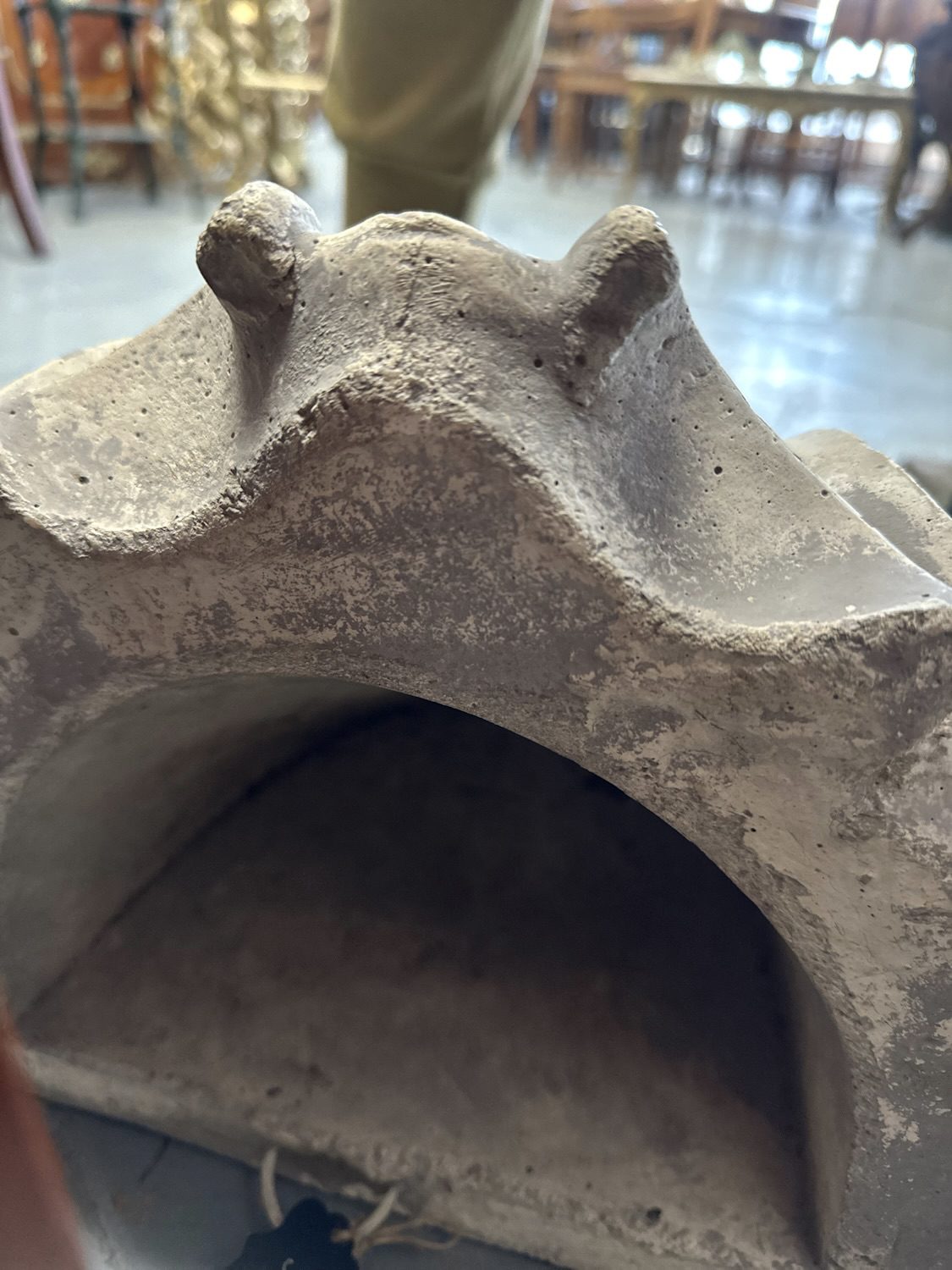
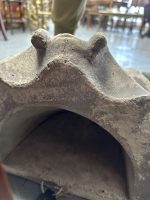
Maskaronen er bevaret i meget god stand, taget dens alder og forventede arkitektoniske anvendelse i Frankrig i betragtning. Den hvide malede overflade viser autentisk naturlig slid — grålige og gulbrune patina-spor i ornamentale formers fordybninger, hvilket giver genstanden et autentisk indtryk af alder uden nogen kunstig “forældelse”. Ansigtsplastikken, akantusbladene, volutterne og kroneelementet er bevaret uden væsentlige skader. På bagsiden ses den hule betonstruktur — karakteristisk for denne type arkitektoniske elementer. Genstandens stand er fuldt ud afspejlet på fotografierne.
―――――――――――――――――――――
DESCRIPTION IN
Mascaron with Female Face — Beaux-Arts / Neo-Baroque, France, circa 1880–1910
―――――――――――――――――――――
📐 DIMENSIONS
Height: 45 cm. Width: 35 cm. Weight: very substantial — a massive concrete or plaster-cement composite with a hollow cavity at the rear, intended for installation on a façade or wall. The piece originates from France.
―――――――――――――――――――――
🏛️ PERIOD, ARTISTIC STYLE, ERA
This mascaron belongs to the Beaux-Arts style — one of the most influential architectural movements of the second half of the 19th century and the early 20th, born in the academic halls of the École des Beaux-Arts in Paris and disseminated throughout Europe and the Americas. Beaux-Arts is not merely a style — it is a philosophy of monumental representation: architecture as an expression of urban grandeur and state power, in which every ornamental element carries symbolic and aesthetic significance.
The mascaron — a relief sculpture of a female or male face within an architectural ornament — is one of the fundamental elements of the Beaux-Arts façade language. During France’s Third Republic (1870–1940), mascarons adorned the window keystones, portico crownings and corner elements of new representative townhouses, prefecture buildings, banks, theatres and railway stations in Paris and provincial cities. They were not merely decoration — they were a metaphor for the face of the city itself, the façade’s gaze upon the street.
This particular mascaron carries the three defining characteristics of the Beaux-Arts ornamental language in full deployment: acanthus leaves in the lower section, symbolising the force of life and the abundance of nature; volutes — the classical spiral scroll forms of architectural tradition — on both sides, lending the composition a monumental architectural frame; and above the face a structural crown or helmet element recalling the form of a Baroque capital, imparting vertical dynamism to the whole ensemble. The face is serene, with a slightly upward gaze — a celestial presence looking out beyond the temporal world.
―――――――――――――――――――――
⚜️ MAKER AND STYLISTIC ATTRIBUTION
No maker’s stamp is visible in the photographs; however, the provenance and the quality of execution allow confident placement within the ornamental sculptural tradition of Paris or a major provincial city. In the second half of the 19th century, France was home to specialised ornamental workshops — ateliers de sculpture ornementale — supplying façade elements to architects and developers for the Haussmann urban renewal projects and the representative building programmes of the Third Republic. Such workshops worked in both stone and plaster-cement composites, enabling the faster and more economical reproduction of complex ornamental forms in large quantities. The Parisian architectural ornament tradition of this period was at the highest level in Europe — ornamental sculpture workshop production was exported to England, Belgium, y and Russia.
―――――――――――――――――――――
💎 RARITY AND SIGNIFICANCE
Authentic Beaux-Arts architectural sculptural elements with preserved facial plastic quality and a richly ornamented surround appear on the antiques market with increasing rarity — particularly those with documented provenance. The great majority of such elements have been irretrievably lost through building demolition or façade renovation. Collectors, architects and interior designers working with Beaux-Arts or classicist aesthetics seek such pieces actively — as they are the only means of bringing the authentic presence of European urban architecture into a new space.
―――――――――――――――――――――
🕯️ USE IN INTERIOR, DESIGN AND PHOTOGRAPHY
This mascaron was made for the wall — and it is there that it reveals its full potential. Above a fireplace, above an entrance door or interior portal, at the centre of a garden wall, as a keystone above a window — in any of these contexts it creates the presence of France’s Third Republic representative architecture. In classical and eclectic interiors it functions as a visual focal point organising the wall plane around it. In contemporary minimalist spaces with clean white walls it acts as a powerful cultural and historical counterpoint — a single decoration that immediately transforms the character of a room and elevates it into a higher aesthetic category. In fashion, fine art and interior photography, such an element is invaluable — it transforms a frame into a fragment of a Parisian salon or Haussmann boulevard scene.
―――――――――――――――――――――
🎁 AS A GIFT AND PERSONALISATION
A Beaux-Arts mascaron is a refined and culturally significant gift for architects, interior designers, fine art collectors and all those for whom the cultural heritage holds a special place. It is well suited as a representative gift to mark the completion of a new home or office interior — and as an independent work of art requiring nothing more than a single firm nail and a sufficient wall.
―――――――――――――――――――――
🔍 CONDITION
The mascaron survives in very good condition for its age and presumed architectural use in France. The white painted surface displays authentic natural wear — grey and yellow-brown patina traces in the recesses of the ornamental forms, lending the piece a genuine aged appearance without any artificial distressing. The facial sculpture, acanthus leaves, volutes and crown element are preserved without significant damage. The hollow concrete structure visible at the rear is characteristic of architectural elements of this type. The condition of the piece is fully reflected in the photographs.